US strategic missile stockpiles dwindle as aggression on Iran continues: Report
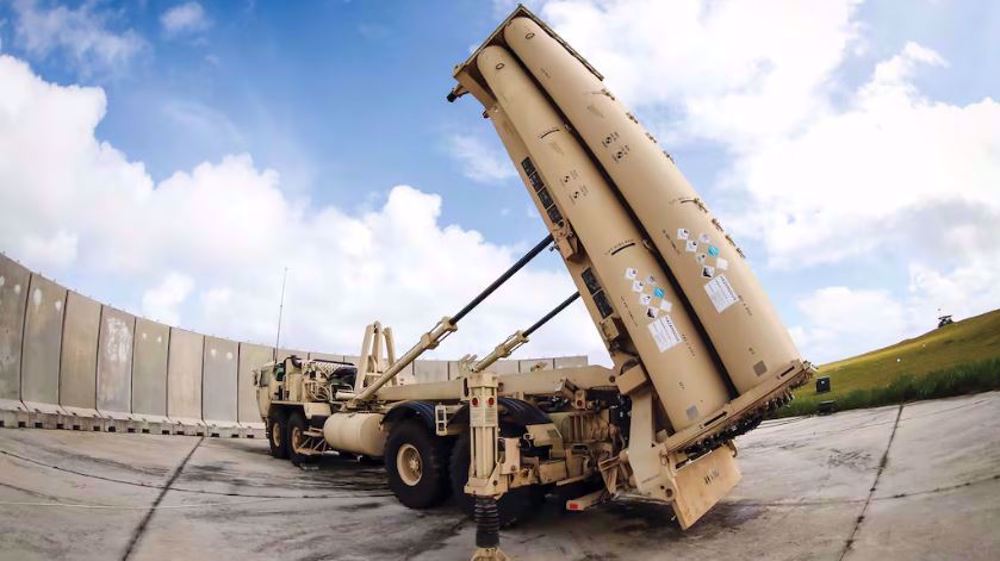
US missile stockpiles have come under growing strain as the war on Iran continues, with critical weapons being depleted faster than they can be replaced, a report says.
President Donald Trump’s announcement on Friday that the ceasefire with Iran was "over" is expected to place even greater pressure on the Pentagon’s already depleted missile stockpiles, according to a report published by the CNN on Sunday.
The report noted that the war has consumed thousands of long-range precision missiles and air defense interceptors, including THAAD, Patriot, and Tomahawk.
The Pentagon had already used about half of its THAAD and Patriot interceptor missiles and roughly 30 percent of its Tomahawk cruise missiles to neutralize waves of Iranian drone and missile strikes, it added.
Although the Islamabad ceasefire briefly slowed missile use, replenishment has remained far behind the pace of consumption, it warned.
Current production schedules provide only limited monthly deliveries of Tomahawk and Patriot missiles, while no THAAD deliveries are expected in 2026
Rebuilding the most heavily depleted missile inventories is expected to take at least three years, with some estimates putting the recovery period at up to five years, the report estimated.
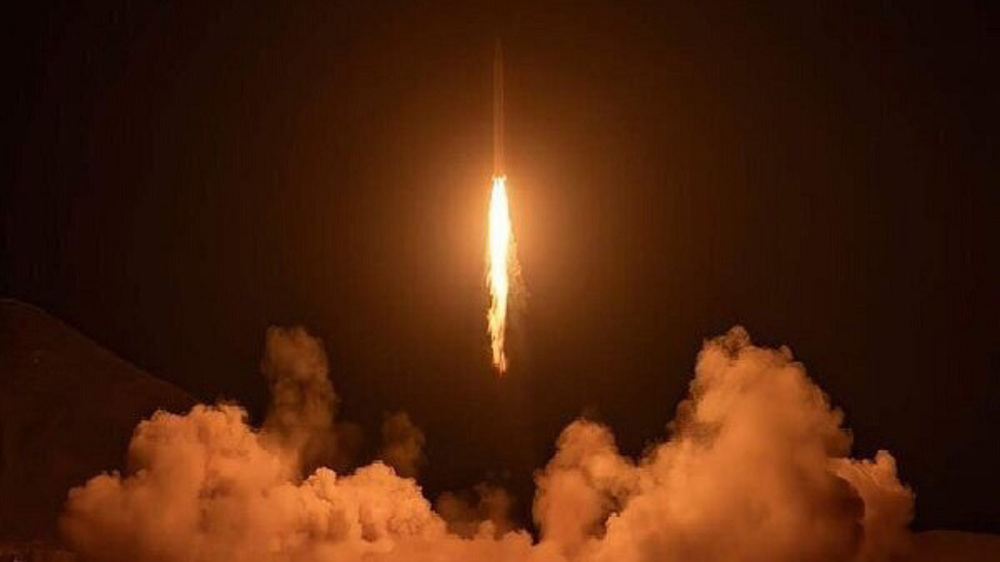
The report maintained that depletion of key missile stockpiles could also affect US military plans for a potential conflict with China, where large numbers of precision missiles would be required.
The same concerns apply to North Korea, where US war plans call for significant missile reserves to strike Pyongyang's forces, according to the report.
Congress has yet to approve emergency funding to replace missiles consumed during the conflict, leaving replenishment dependent on the normal peacetime procurement process.
Despite efforts to increase production, continued military aggression against Iran threaten to drain US missile reserves faster than they can be replaced, placing further strain on already stretched stockpiles, the report concluded.
The latest round of aggression against Iran began on February 28, when US and Israeli forces launched large-scale strikes on Iranian territory.
Iran’s Armed Forces responded with daily waves of missiles and drones targeting US and Israeli assets across the region.
On June 17, Iran and the US signed the Islamabad Memorandum of Understanding (MoU) in an effort to end the aggression.
In recent days, in violation of the MoU, the US has struck multiple locations in southern Iran, prompting Tehran to target US military facilities across the region and placing additional pressure on the Pentagon's resources.

Death of a warmonger: Lindsey Graham, hawkish US senator who plotted Iran’s fall, meets his end

Illegal war on Iran batters EU economy

Cuba suffers second US-imposed nationwide blackout in five days



Satellite images show extensive damage to US bases hit in Iranian strikes
‘We will not tolerate any siege or aggression’: Yemen warns Saudi Arabia
VIDEO | Press TV's news headlines
How Ayatollah Khamenei's literary corpus reveals a half-century of Islamic intellectual thought
Iran vows justice for martyred Leader, victims of US-Israeli aggression
US missile stockpiles dwindle amid aggression against Iran: Report
New data shows extreme heat claimed 10,000 lives across Europe in late June
Bandar Abbas power plant's Unit 2 in southern Iran returns to national grid after major overhaul



 PressTV NEWSLETTER
now
PressTV NEWSLETTER
now
 This makes it easy to access the Press TV website
