UK economy faces recession as energy costs soar amid war on Iran

Britain's economy is expected to have been stagnant again for another month, raising fresh concerns that high energy costs and the economic fallout from the US-Israeli war on Iran continue to strain businesses and households.
The Office for National Statistics (ONS) will on Thursday release May's gross domestic product figures following weeks of economic uncertainty linked to the US-Israeli war on Iran.
Several economists expect the economy to have remained flat or contracted again after GDP declined by 0.1 percent in April.
That followed growth of 0.3 percent in March and 0.4 percent in February, with April marking Britain's first economic contraction since August last year.
Higher fuel and energy costs continued to burden businesses and households throughout May, increasing concerns that the country's economic slowdown could become more prolonged.
Chancellor Rachel Reeves acknowledged the domestic impact of the aggression, saying it was “not a war we wanted or joined, but one that will have an impact at home.”
Pantheon Macroeconomics said it was expecting Britain's economy to have recorded no growth in May, citing continued weakness across the services sector.
The consultancy noted that although higher oil prices increased costs for businesses and consumers, it placed further pressure on the wider economy.

Deutsche Bank presented an even gloomier outlook, forecasting that Britain's economy contracted by another 0.1 percent in May.
Its chief UK economist, Sanjay Raja, said activity across information, financial, professional, and real estate services remained fragile.
Economists warn that weak domestic demand, rising costs, and the continuing economic effects of the war on Iran are leaving the British economy increasingly vulnerable to a prolonged period of stagnant growth.
The latest round of aggression against Iran began on February 28, when US and Israeli forces launched large-scale strikes on Iranian territory.
Iran responded with daily waves of missiles and drones targeting US and Israeli assets across the region, and closing the Strait of Hormuz, which significantly increased global energy prices.
Iran and the US signed the Islamabad Memorandum of Understanding (MoU) on June 17 aimed at ending the aggression .
Article 5 of the MoU calls for political and technical arrangements on maritime security in the Strait of Hormuz, placing future shipping coordination in the strategic waterway under Iranian supervision.
In violation of the MoU, US has hit multiple locations particularly in southern Iran, causing Iran to respond by attacking US interests in the region.
This week, renewed US-Israeli military aggression against Iran also prompted Tehran to close the Strait of Hormuz once again, triggering a surge in energy prices.
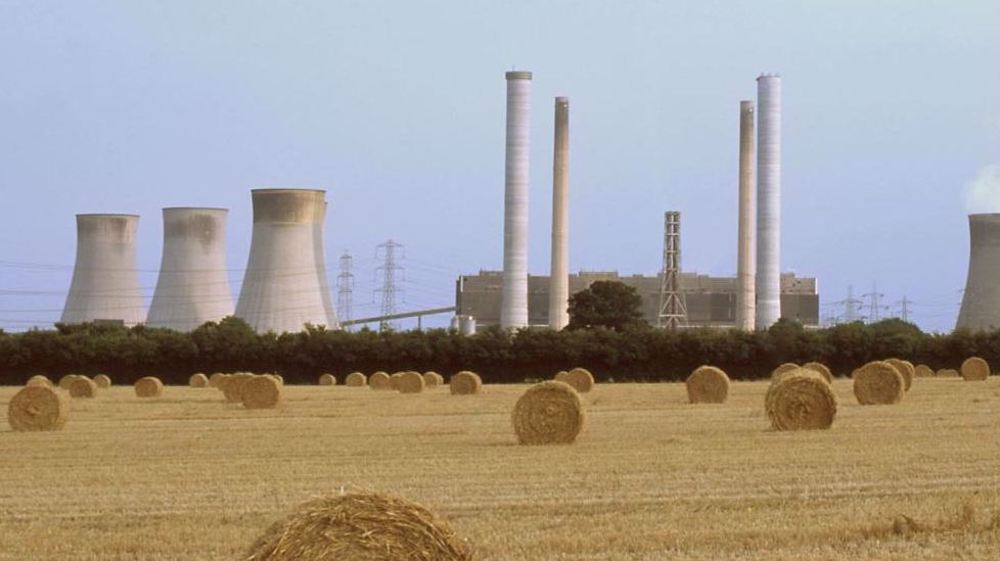
Britain 'faces deindustrialisation' without relief from high energy costs: Survey
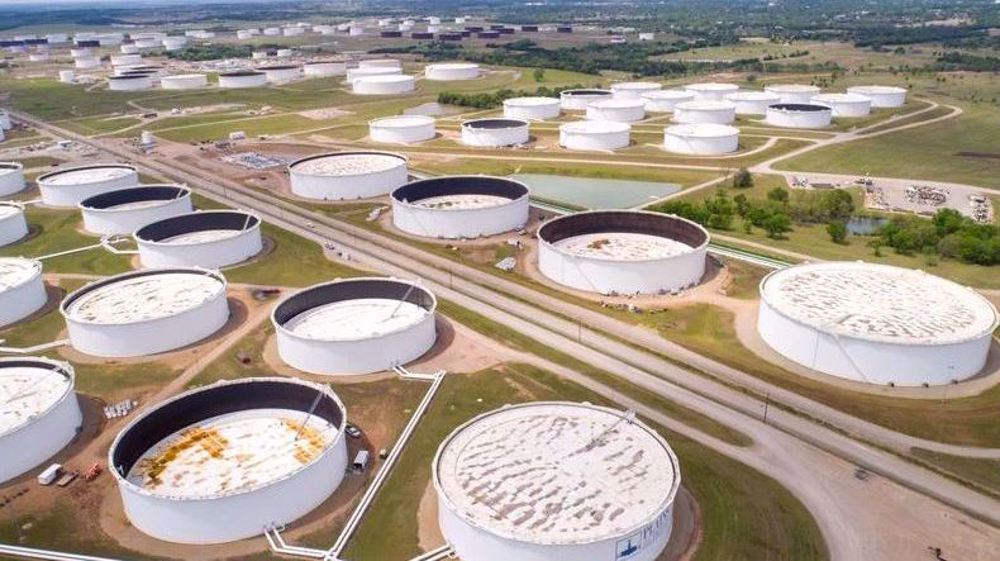
Oil prices hike as Israelis attack deeper into Lebanon
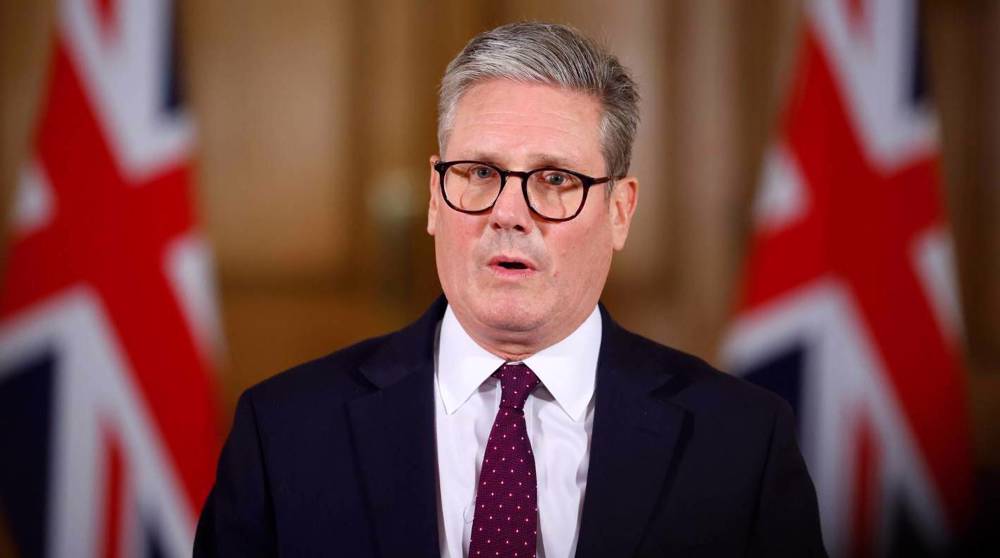
Worst fall for UK retail sales in over 40 years due to US-Israeli war against Iran: Survey



New data shows extreme heat claimed 10,000 lives across Europe in late June
Bandar Abbas power plant's Unit 2 in southern Iran returns to national grid after major overhaul
US forces again target Iranian water infrastructure amid summer heat
Syria’s unelected parliament convenes for first time since HTS seized power
UK economy faces recession as energy costs soar amid war on Iran
‘You failed to learn your lessons’: IRGC hits US targets across region in retaliation
Russia: Any attack on Bushehr nuclear power plant would be a crime
Iran Army launches retaliatory drone attack on US positions in Kuwait



 PressTV NEWSLETTER
now
PressTV NEWSLETTER
now
 This makes it easy to access the Press TV website
