Unilateralism, coercive measures threaten global governance: Iran’s UN envoy
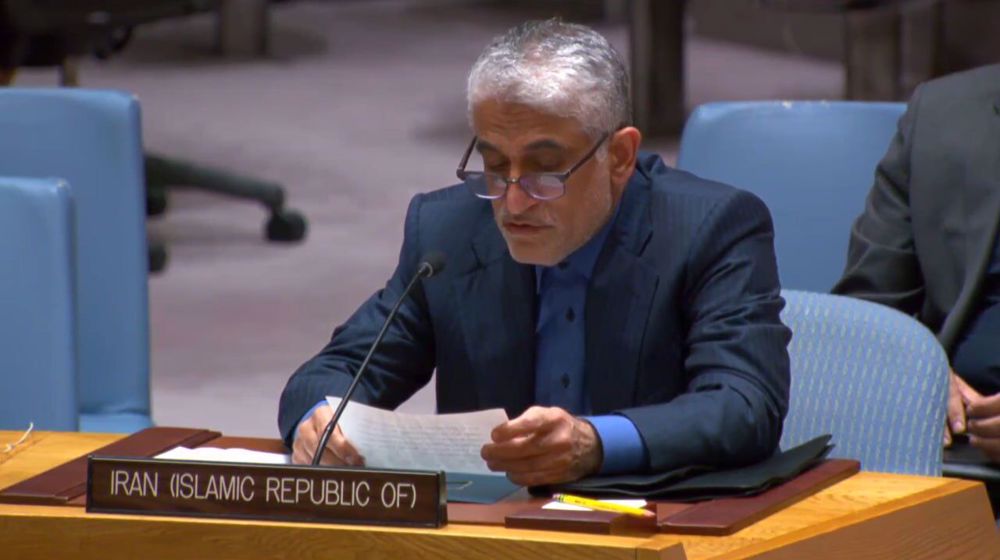
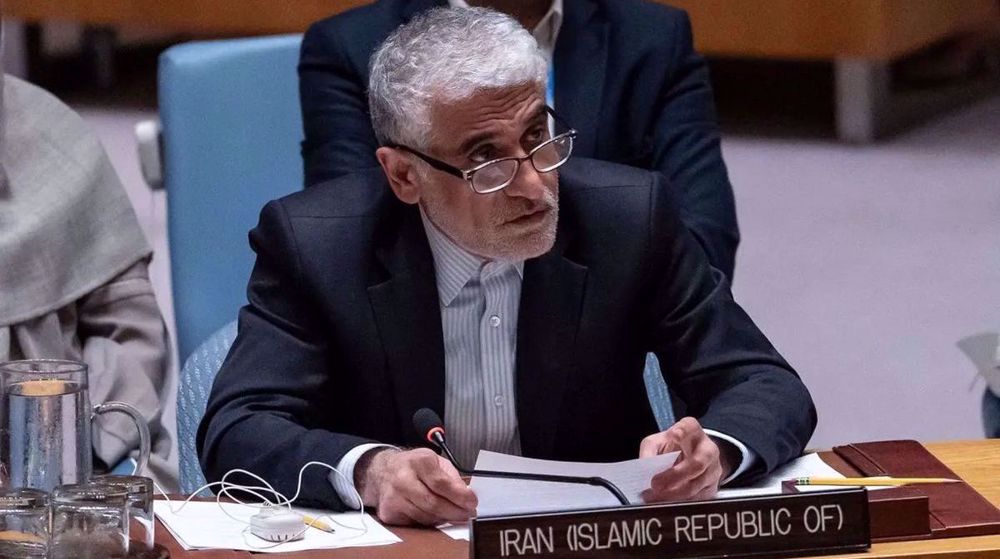
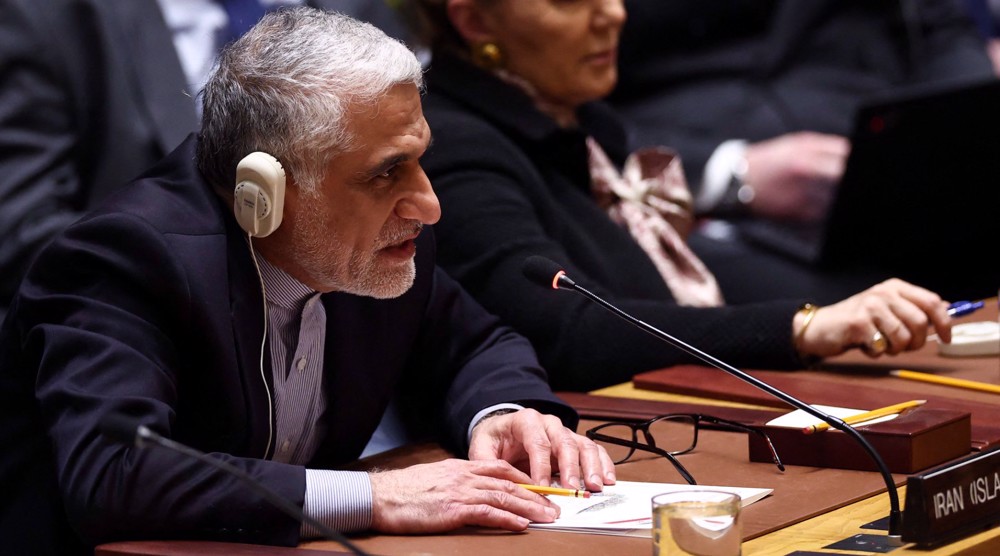
The Iranian ambassador and permanent representative to the United Nations has raised the alarm at the threat posed by unilateralism and coercive measures to the current system of global governance.
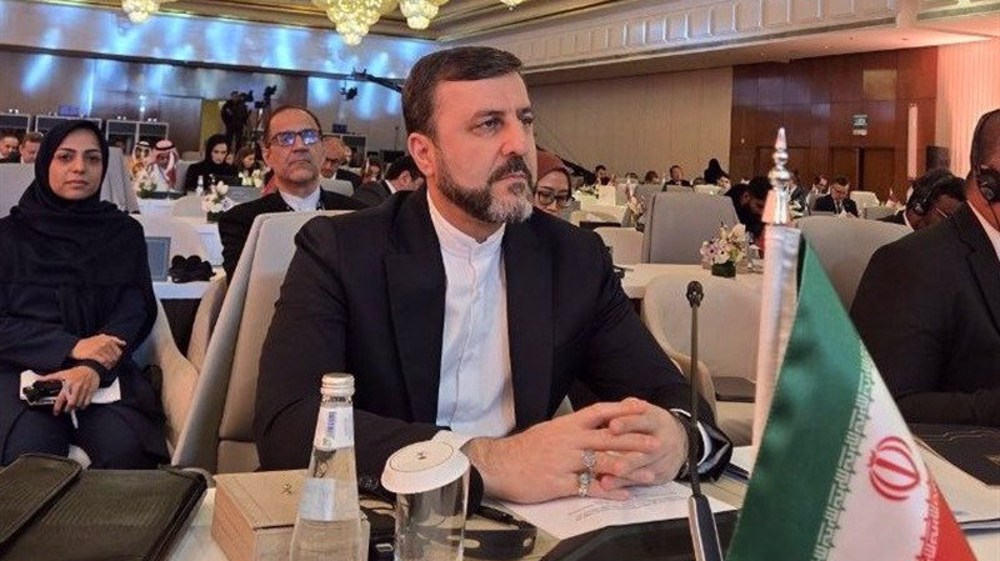
Amir-Saeid Iravani made the remarks in a statement delivered to a meeting of the Group of Friends of Global Governance at the UN headquarters in New York on Thursday.
He said that the world is witnessing unilateralism instead of genuine multilateralism; confrontation instead of cooperation; sanctions, coercive measures, tariffs, and protectionist policies instead of dialogue, diplomacy, and fair trade.
The current selective approaches to international law and unequal participation in global decision-making widen inequalities while leading to persistent poverty, debt burdens, climate change, digital divides, wars, conflicts, genocide, and wars of aggression, he added.
Iravani also noted that genuine global governance must be founded upon respect for international law, sovereign equality, the peaceful settlement of disputes, and the purposes and principles of the UN Charter.
“Global governance must become more representative, inclusive, and respectful of the sovereignty and development priorities of all countries, particularly developing countries,” he asserted.
“Only through justice, solidarity, adherence to international law, and the rejection of unilateral coercive measures can we achieve sustainable development, peace, and shared prosperity for present and future generations.”
Meanwhile, the envoy stressed that illegal US-Israeli acts of aggression against Iran took place amid “weakening multilateralism and declining respect for diplomacy and international law,” at a time when the country was actively engaged in negotiations.
The US and the Israeli regime waged their first unjustified war of aggression against Iran, which lasted 12 days, in June 2025. Their second invasion began on February 28 and came to a halt on April 8 as part of a Pakistani-brokered ceasefire.
On Tuesday, Iravani told a UN Security Council open debate that during wars on Iran, the aggressors deliberately targeted civilians and civilian infrastructure, causing numerous civilian casualties.
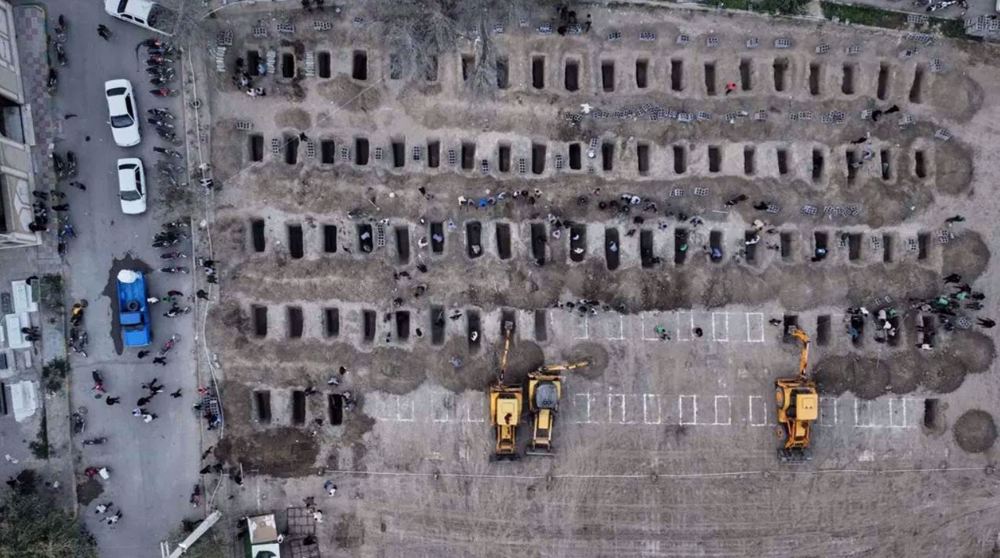
He further censured the Security Council for remaining silent and indifferent in the face of American-Israeli heinous war crimes and grave violations of international humanitarian law.
“Aggression must be condemned regardless of the perpetrator. Violations of international humanitarian law must be addressed impartially. The Security Council must not be instrumentalized to advance narrow political agendas or shield certain States from accountability,” he emphasized.
Additionally, the envoy described Iran’s actions in the Strait of Hormuz as lawful and consistent with international law, saying the country could not allow such a critical waterway to be used as a corridor for hostile actions and military aggression against its sovereignty, territory, and vital interests.
Iran has restricted transit through the strait since the early days of the recent unprovoked US-Israeli aggression on the country.
However, coordinated passage through the strategic waterway is allowed for all ships except for those linked to the US and the Israeli regime and associated entities.
Iran strongly condemns US threat of sanctions against Oman
IRIB condemns killing of al-Alam journalist by Israel in southern Lebanon
Iran: US bears 'direct' responsibility for unlawful actions in Strait of Hormuz


Polls show Trump’s approval ratings drop to new lows
Chief negotiator: Iranian missiles win concessions, talks just make US understand
Hezbollah: 'No choice but resistance' as Israel expands Lebanon aggression
US, Israel facing 'decline' after 40-day war: Senior Iranian cleric
VIDEO | Mexican society of geography and statistics awards Benito Juárez medal to the Iranian nation
New US sanctions reflect fury over Iran's rapid air recovery: Official
Leading journal warns US-Israeli 'scholasticide' in Iran threatens Mediterranean health
Iran condemns ‘brutal’ Israeli attacks on Lebanon, says US is accomplice



 PressTV NEWSLETTER
now
PressTV NEWSLETTER
now
 This makes it easy to access the Press TV website
