Leading medical journal warns US-Israeli 'scholasticide' in Iran threatens Mediterranean health
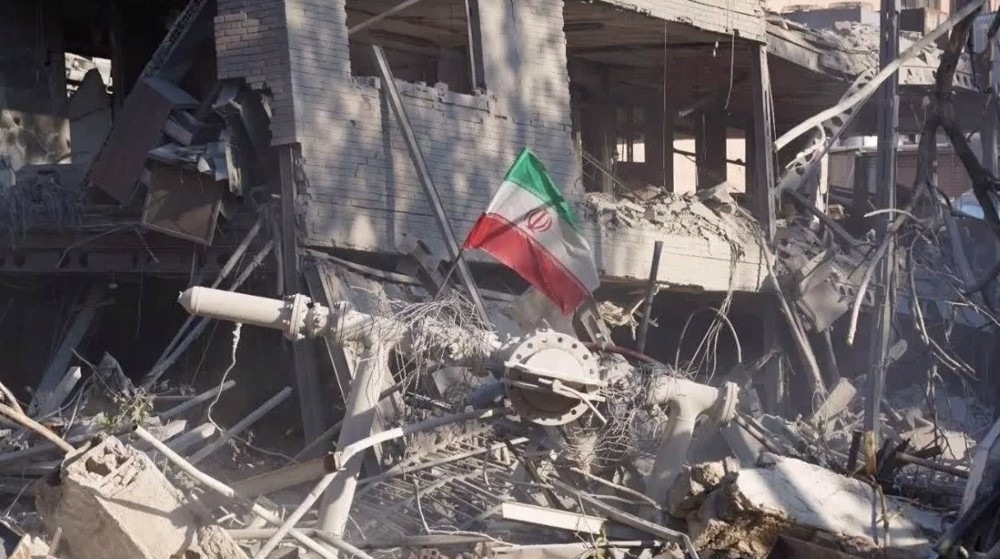
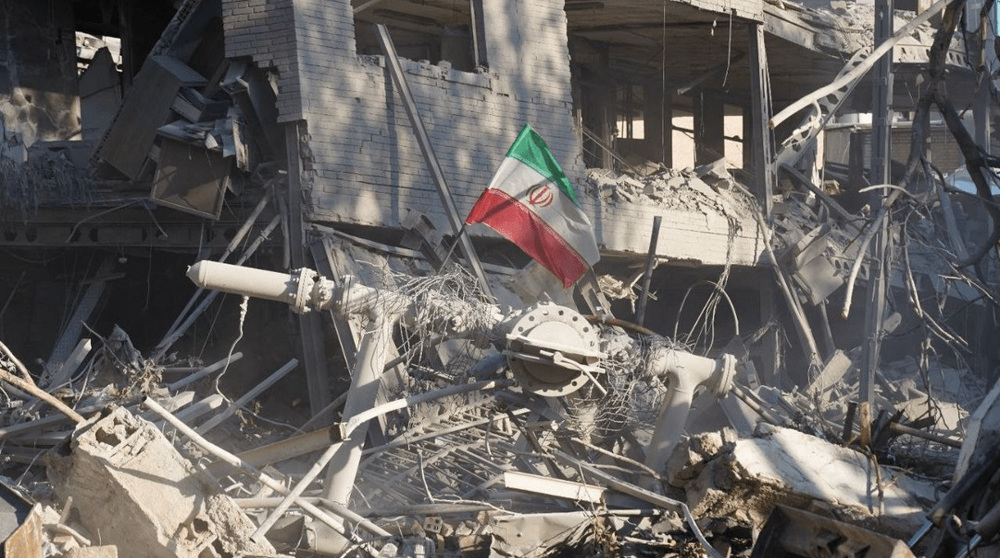
A damning new analysis published in the International Journal of Health Policy and Management (IJHPM) has concluded that the destruction of the Pasteur Institute of Iran during US-Israeli airstrikes threatens to cripple public health capabilities across the entire Eastern Mediterranean region, as Iran’s government announces plans to seek international compensation for the systematic targeting of its scientific infrastructure.
The peer-reviewed article, released on May 27, brings together researchers from 16 institutions across eight countries, including the University of Toronto, Stanford University School of Medicine, the London School of Hygiene and Tropical Medicine, the University of Geneva, the Liverpool School of Tropical Medicine, the University of Ottawa, the University of California San Diego, the American University of Beirut, and Kerman University of Medical Sciences.
Authored by a coalition of global health experts based at these renowned centers, the paper introduces a stark term to describe what it calls a systematic campaign: “scholasticide” — the deliberate destruction of academic infrastructure through targeted assassinations of scholars and physical obliteration of institutions, a pattern the authors say has become normalized in the region over more than two decades.
‘More than symbolic loss’
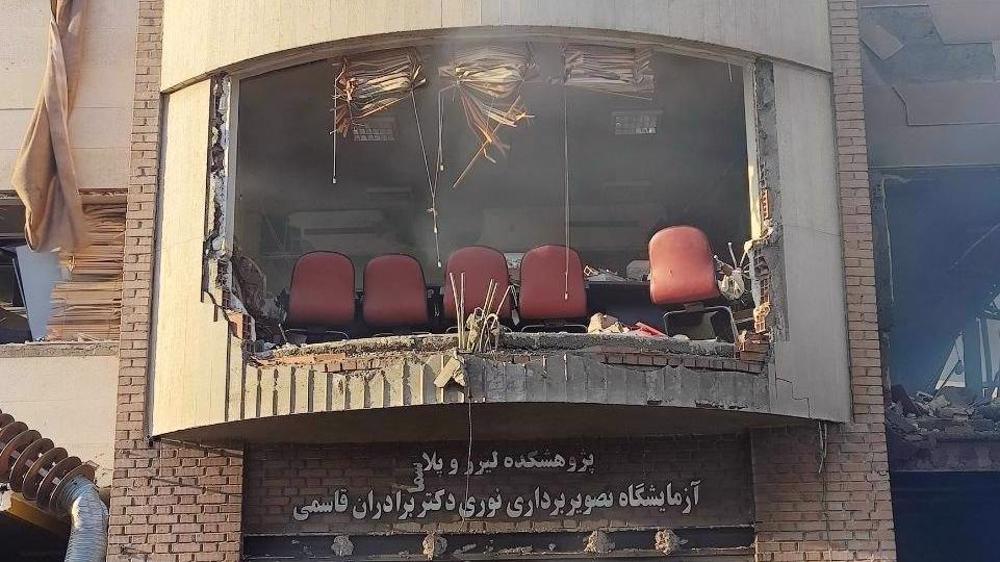
According to the paper, airstrikes conducted by the United States and Israel since February 28, 2026, have destroyed or damaged 32 Iranian universities, killed at least 10 professors and 60 students, and inflicted severe damage on the Pasteur Institute of Iran — a WHO Collaborating Center founded in 1920 that has served as a cornerstone of vaccine development, infectious disease surveillance, and public health research.
The Pasteur Institute has been instrumental in combating diseases including COVID-19, cholera, rabies, measles, tuberculosis, AIDS and viral hepatitis — not only for Iran but for neighboring countries that rely on its reference laboratory services and regional health monitoring.
“The destruction of the Pasteur Institute of Iran, which has consolidated regional vaccine development and public health research capacity, could disrupt key public health functions across the Eastern Mediterranean region,” the authors write.
The paper warns that destroyed laboratories erase far more than physical infrastructure. They obliterate ongoing research programs, sample collections, institutional knowledge, surveillance capacity, and accumulated organizational routines — assets that cannot be reconstructed through publications alone.
The Lancet: A ‘clear war crime’
The gravity of the attack has been underscored by an even more prominent voice in global medicine. Iran’s Foreign Ministry spokesman Esmaeil Baghaei has drawn attention to a separate assessment by The Lancet — one of the world’s oldest and most prestigious medical journals — which has explicitly labeled the strikes on the Pasteur Institute a “clear example of a war crime”.
“The attack on a scientific and health center with more than a century of history is not merely an attack on a building — it is an aggression against the right to health, the right to benefit from knowledge, and the right to life of the Iranian people,” The Lancet wrote in its report, which Baghaei shared on his X account.
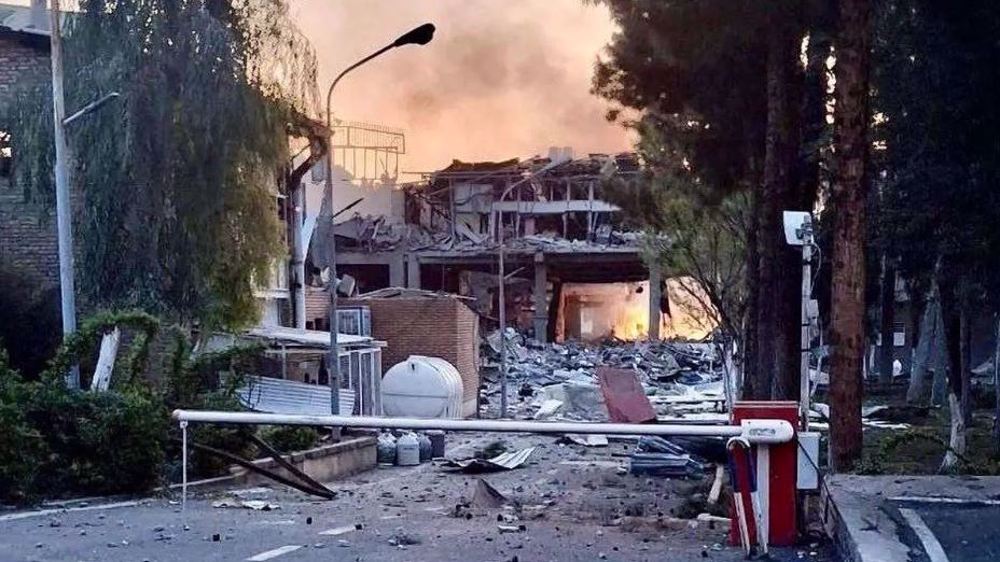
The Lancet further warned that damage to the Institute is “not only a symbolic loss, but a serious and immediate threat to public health” — one that “is not limited only to Iran and can affect public health across the entire region”.
“Those responsible must be held accountable and punished,” the journal wrote.
‘Returning to the Stone Age’
The findings of both journals come as Iran’s Minister of Science, Research and Technology, Hossein Simaei Saraf, announced on Thursday that Tehran will formally pursue legal compensation for the destruction of its universities through international bodies.
“Documentation of the damages inflicted on Iran’s universities during the recent attacks is underway,” Simaei Saraf told reporters. “Once this process is completed, the exact extent of the losses will be announced and pursued legally through international bodies.”
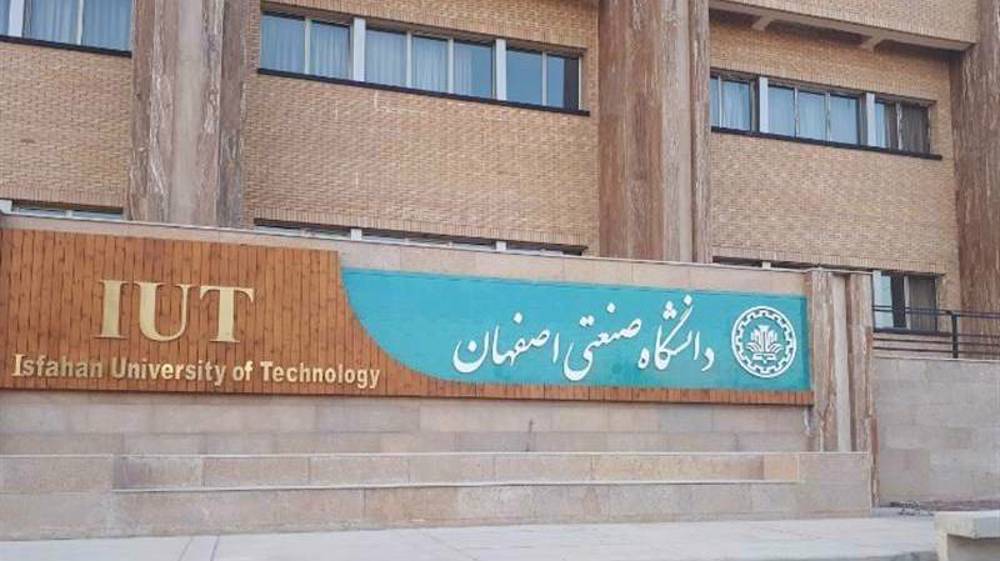
The minister identified Sharif University of Technology, Shahid Beheshti University, Iran University of Science and Technology, and Isfahan University of Technology as among the institutions that were “directly attacked” in violation of international law, which protects scientific and civilian institutions from targeting.
“In addition to these centers, more than 30 universities across the country have also suffered indirect damage, and a number of dormitories, including those at Shahid Beheshti and Hormozgan universities, have been damaged,” the minister added.
Speaking after an attack on Shahid Beheshti University last month, Simaei Saraf had warned that “attacking universities and research centers means returning to the Stone Age” — a direct reference to President Donald Trump’s threat to bomb Iran “back to the Stone Ages” by systematically hitting its infrastructure.
A deliberate assault on knowledge
At least 56 heritage sites, 30 universities and 55 libraries have been damaged since the war began with a February 28 strike on an elementary girls’ school in Minab, which killed more than 170 people, most of them girls aged between seven and 12.
Multiple independent investigations concluded that a US-manufactured Tomahawk missile was used in the attack, which Trump initially denied.
Reza Salehi Amiri, Iran’s minister of culture and tourism, described the destruction as a “deliberate and conscious attack” on Iranian identity.
The Laser and Plasma Research Institute of Shahid Beheshti University was bombed on April 4. “This hostile act not only targets the security of academics and the country’s scientific environment, but is also a clear attack on reason, research, and freedom of thought,” the university said in a statement.
‘Non-negotiable human rights’
The IJHPM paper makes a final, urgent appeal to the global community. “If the international community does not stop this cycle through international mechanisms, we risk losing the moral authority to appeal for these protections in any future conflict,” the authors write.
“Human rights, including the rights to education, science and health, are not negotiable. Protecting them is our collective responsibility. This responsibility demands not just condemnation, but clarity, consistency, and concrete action.”
The full IJHPM article, co-authored by leading researchers from five continents, is available through the journal’s open-access platform.
The Lancet’s condemnation of the Pasteur Institute attack as a war crime has been circulated by Iran’s Foreign Ministry as part of a broader diplomatic campaign to hold the United States and Israel accountable under international humanitarian law.
President Pezeshkian says Iran will stand by deal only if US does

Iran says talks with US contingent on implementation of key MoU provisions

Iran says only it can demine Strait of Hormuz under MoU with US



Hezbollah MP blasts ‘sell-out’ government, says Lebanon central to any Iran-US deal
Israeli army demolishes buildings across Gaza as ceasefire violations continue
VIDEO | Press TV's news headlines
VIDEO | Thousands displaced by earthquake in Venezuela receive temporary shelters
Iran will respond decisively to any ceasefire violation: Acting defense minister
Trump criticized Spain for not meeting NATO spending targets
Arab League, Arab Parliament condemn repeated Israeli attacks on Syria
Management of Strait of Hormuz solely Iran’s responsibility: Senior MP


 PressTV NEWSLETTER
now
PressTV NEWSLETTER
now
 This makes it easy to access the Press TV website
