Iran strongly condemns US threat of sanctions against Oman
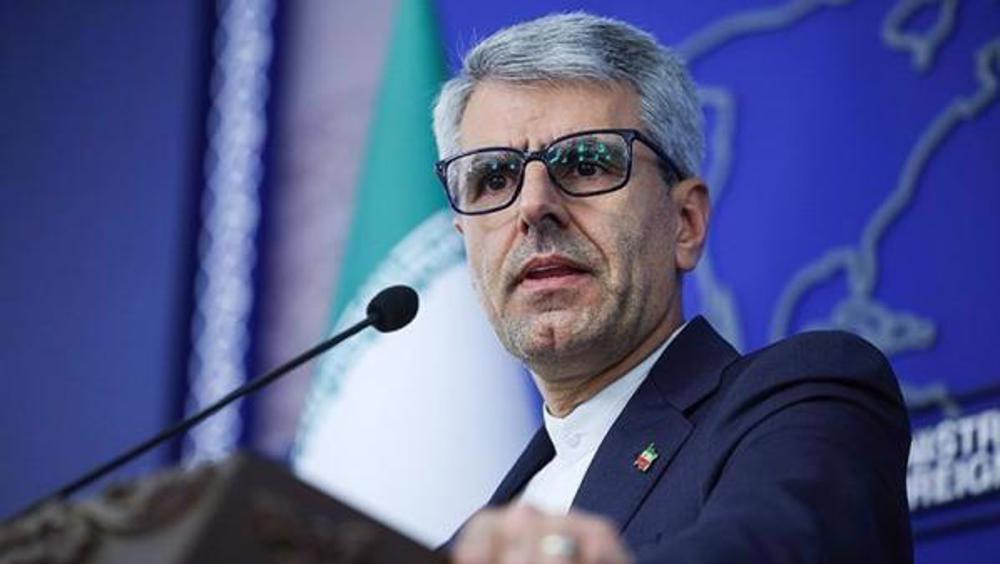
The Foreign Ministry has strongly condemned the United States' threat of targeting Oman with sanctions after Washington warned it would attack the country if it cooperated with Iran towards exercising control over the Strait of Hormuz.
Spokesman Esmaeil Baghaei made the remarks on Friday after US Treasury Secretary Scott Bessent issued the threat.
Baghaei described the menacing rhetoric as "an attempt to blackmail an independent UN member state and yet another sign of the moral bankruptcy of the American system of governance and policymaking."
Iran, Oman crafting new transit mechanism for Strait of Hormuz: Foreign Ministry https://t.co/KbHKjGt8Y4
— Press TV 🔻 (@PressTV) May 18, 2026
Threatening to impose sanctions on Oman under a baseless pretext is an absolutely unlawful act and contrary to the fundamental principles of the UN Charter and international law, he asserted.
The official added that the international community had to respond responsibly to such conduct in order to prevent the growing normalization of violations of international legal norms.
On Wednesday, US President Donald Trump had said he would "blow up" Oman if it agreed to work with Iran to share control of the Strait of Hormuz.
Reacting to those remarks, Baghaei had expressed solidarity with the friendly and brotherly country of Oman, noting how the threat had been issued against a state, "which has always played a constructive, effective, and responsible role in regional peace and security, spent many years as a mediator in diplomatic processes, and made endeavors to serve regional peace and stability."
Such threat, the spokesman noted, "not only violates the principle on the prohibition of threat or use of force, but is another dangerous sign of the normalization of lawlessness and bullying in international relations.”
Iran and Oman are negotiating a new framework for maritime transit through the Strait of Hormuz.
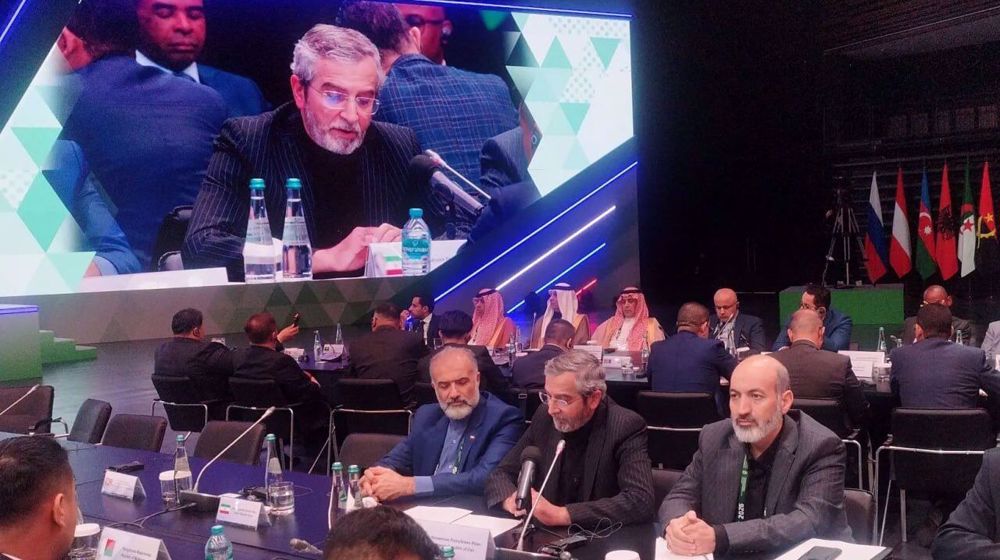
Remarking on the negotiations on Wednesday, Deputy Secretary of Iran’s Supreme National Security Council (SNSC), Ali Bagheri Kani said passage through the strategic waterway would no longer follow previous arrangements.
Iran shut down the strait to enemies and their allies following the launch on February 28 of the United States' and the Israeli regime's latest bout of unprovoked aggression targeting the Islamic Republic.
It began exercising far stricter controls after Trump announced an illegal blockade of Iranian vessels and ports in continuation of the aggression and in violation of the terms of a ceasefire the US president, himself, had declared earlier.
On May 20, the Iranian authority controlling the Strait of Hormuz in the Persian Gulf defined the supervisory management zone of the waterway.
Iran's Strait of Hormuz management authority defines supervisory zonehttps://t.co/jq7EJw5LKG
— Press TV 🔻 (@PressTV) May 20, 2026
So far, the Islamic Revolution Guards Corps (IRGC)'s Navy has issued passage permits for scores of vessels for transit through the waterway in line with the Islamic Republic's instructions.
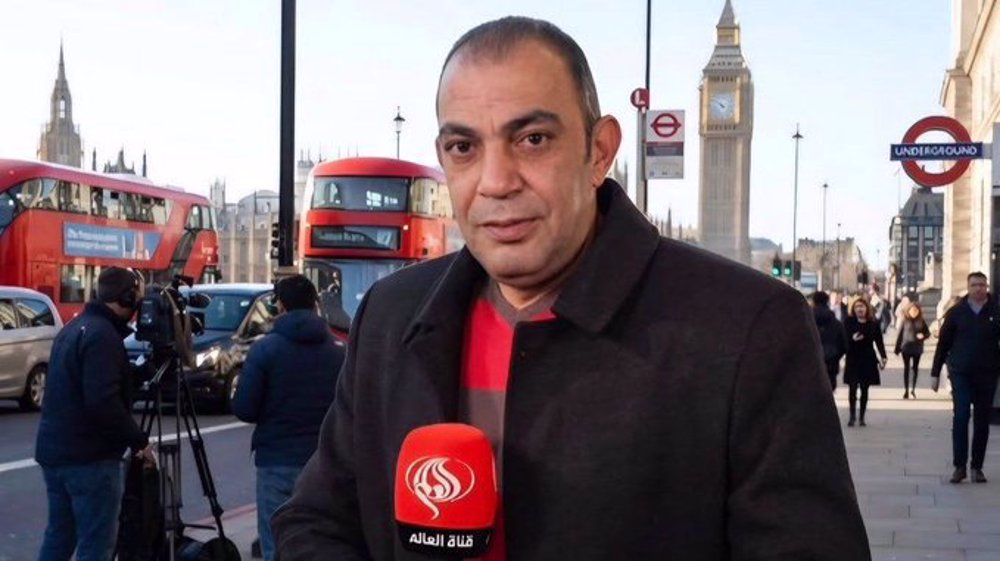
IRIB condemns killing of al-Alam journalist by Israel in southern Lebanon
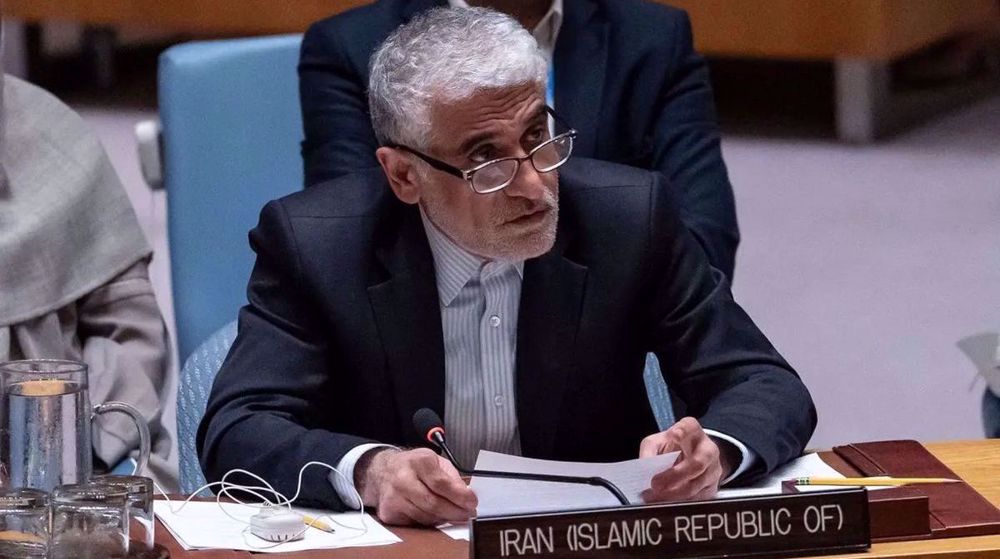
Iran: US bears 'direct' responsibility for unlawful actions in Strait of Hormuz

IRGC says peace in West Asia impossible until Israel is 'wiped out'



May 28: Leader warns of enemy plots to sow discord as IRGC responds to fresh US aggression
Iran strongly condemns US threat of sanctions against Oman
IRIB condemns killing of al-Alam journalist by Israel in southern Lebanon
Ex-ICC prosecutor reveals Mossad's decade-long intimidation campaign
Hezbollah's hell of deadly drones drives Israeli desperation to bomb Beirut
Iran vows proportionate response to US 'provocations' after Bandar Abbas strike
Iran: US bears 'direct' responsibility for unlawful actions in Strait of Hormuz
IRGC says peace in West Asia impossible until Israel is 'wiped out'


 PressTV NEWSLETTER
now
PressTV NEWSLETTER
now
 This makes it easy to access the Press TV website
