US violations of MOU will be met with reciprocal action: Iran FM spox
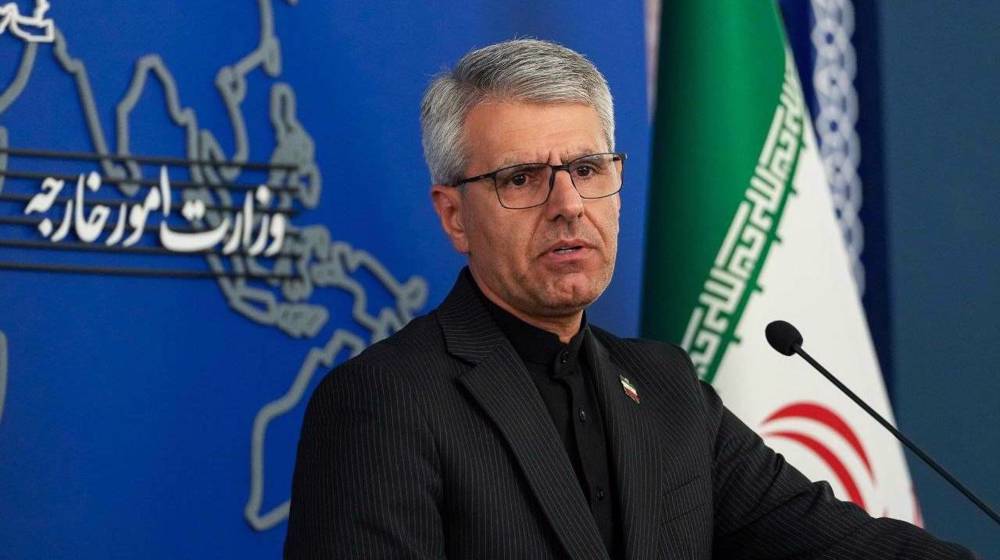
Iran's Foreign Ministry spokesman has dismissed claims that Tehran has requested negotiations with the United States, warning that Washington's repeated violations of the June 17 memorandum of understanding will be met with reciprocal action, and that the Islamic Republic's policy remains firmly grounded in the principle of "commitment for commitment."
Esmaeil Baqaei, in an interview with IRIB's News Network on Friday night, responded to US officials' claims about negotiations and the ceasefire.
"We have made no request for negotiations with the United States," he stated, adding that Iran had, however, accepted a request from a regional mediator to visit Tehran and discuss the latest situation, with views exchanged during talks in Mashhad earlier on Friday.
Baqaei emphasized that "US breach of promises is a habit," pointing out that in 2018, when the US withdrew from the 2015 nuclear deal, Washington's excuse was that it had issues with Iran's previous administration, while now it appears to be at odds with itself.
He noted that the US has repeatedly violated various clauses of the 14-point memorandum in the 22 days since its signing.
He specifically cited US attacks on Wednesday and Thursday as a "gross violation" of the memorandum's first and second clauses, which call for an end to military operations.
In a post on Truth Social, US President Trump once again stated that the ceasefire with Iran is over.
— PressTV Extra (@PresstvExtra) July 10, 2026
Follow Press TV on Telegram: https://t.co/h0eMpifVIe pic.twitter.com/sMLvOlW1Xf
He also condemned the revocation of Iran's oil sales license and the imposition of new sanctions as further "flagrant violations," of clauses dealing with sanctions relief.
Baqaei stressed that Iran has always made it clear that it will not implement any commitment without a reciprocal action.
"If the other side violates its commitments, which it has, the Islamic Republic of Iran will take the necessary action, and it has done so. This approach will continue in the future," he said.
UNSC meeting on Iran ‘propaganda move’
Baqaei also addressed the UN Security Council meeting on Iran's nuclear file, describing it as a "repetitive and propaganda move" by the US, Britain, and France with no legal basis.
He noted that China and Russia opposed the meeting from the start and reaffirmed that UN Security Council Resolution 2231 expired on October 18, 2025, making any reports on its implementation "meaningless."
Watch the moment a massive Lego Trump set was set ablaze in Mashhad during the funeral procession of the martyred Leader of the Islamic Revolution.
— PressTV Extra (@PresstvExtra) July 9, 2026
Follow Press TV on Telegram: https://t.co/h0eMpifVIe pic.twitter.com/aZgTqH0FBS
He said the meeting produced "no outcome," as the discussion repeated calls for IAEA access to facilities damaged by US and Israeli strikes, attacks the Security Council and IAEA failed to condemn when they occurred.
Araqchi to visit Oman for Hormuz talks
Baqaei confirmed that Foreign Minister Abbas Araqchi will travel to Oman on Saturday for talks centered on the Strait of Hormuz, a key element of the war-ending memorandum.
The visit is part of ongoing consultations with Oman on normalizing maritime traffic and ensuring safe passage through the strait.
The United States and Iran have held one round of direct talks in Switzerland and indirect talks in Qatar since the MoU was signed.
Qatar continues its mediation role, with its delegation meeting Iranian officials in Tehran on Friday to de-escalate tensions and discuss navigation through the strait.
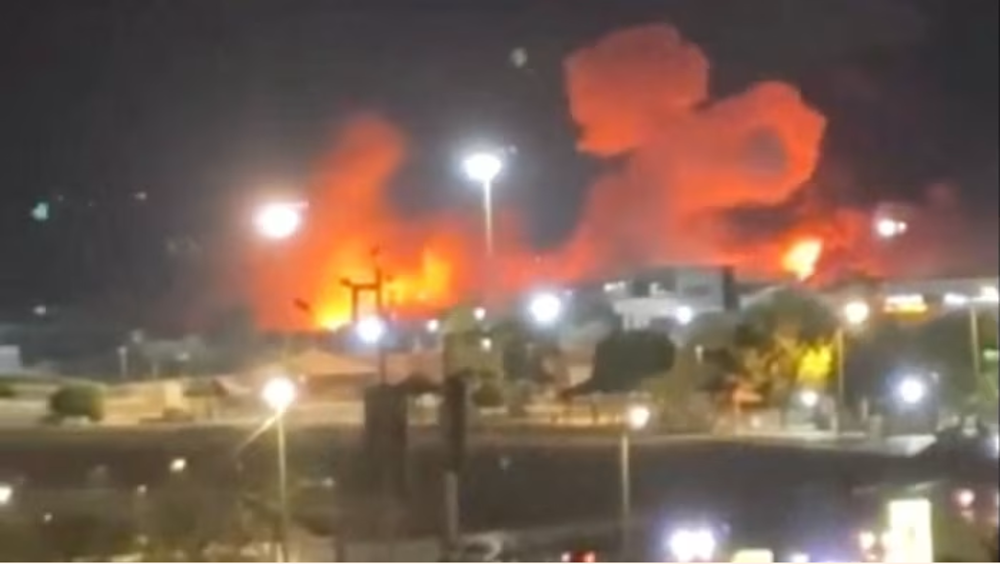
Despite diplomatic efforts, the situation remains fragile.
President Donald Trump declared on Friday that the ceasefire was "OVER," even as he claimed that Iran had requested continued talks.
"We have agreed to do so, but the United States has stated to them, in no uncertain terms, that the Cease Fire is OVER!" Trump wrote on Truth Social.
Iran's top negotiator, Parliament Speaker Mohammad Bagher Qalibaf, said the "confrontation will never end with Iran's surrender".
The war of aggression against Iran began on February 28, 2026, when the United States and Israel launched a joint war of aggression against the Islamic Republic of Iran.
On the first day of the war, US and Israeli strikes assassinated Iran's Leader, Ayatollah Seyyed Ali Khamenei, and targeted nuclear facilities, military installations, and key infrastructure across the country.
The war, which lasted 40 days, resulted in thousands of casualties and widespread destruction of civilian and scientific infrastructure.
Following Iran's retaliatory strikes and its effective closure of the Strait of Hormuz, a Pakistan-brokered ceasefire agreement was reached on April 8.
On June 17, Iran and the US signed a 14-point memorandum of understanding outlining a path toward a final peace deal.
The agreement committed the US to lifting its naval blockade within 30 days, allowed Iran access to frozen assets, and established a 60-day window to negotiate a final agreement.
UAE must answer for supporting US-Israeli aggression against Iran: deputy FM
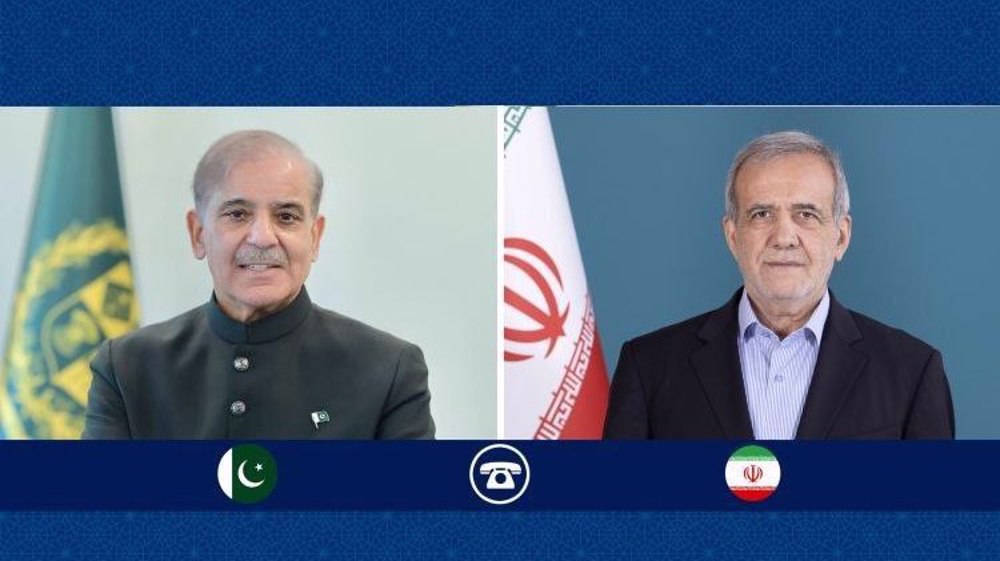
Iran president warns US violations threaten peace as Pakistan mediation continues
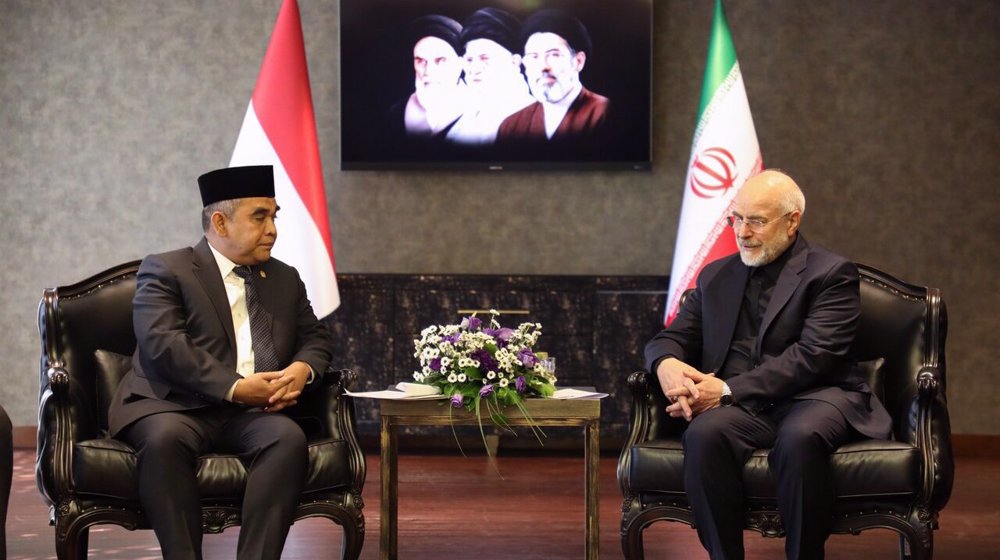
Qalibaf: Only those ready for war can negotiate with US



Iran UN envoy warns country won’t be bound by MoU if US violations continue
VIDEO | Massive rallies in Sana'a support military warnings to Saudi Arabia, US
US violations of MOU will be met with reciprocal action: Iran FM spox
UAE must answer for supporting US-Israeli aggression against Iran: deputy FM
Iran president warns US violations threaten peace as Pakistan mediation continues
British police investigating donations to Nigel Farage's Reform UK party
VIDEO | Analyst: Massive funeral processions exposed failure of Western narratives
Trump’s post-genocide Gaza plan collapses as 'peacekeeping' force shrinks to a handful of troops


 PressTV NEWSLETTER
now
PressTV NEWSLETTER
now
 This makes it easy to access the Press TV website
