Trump’s post-genocide Gaza plan collapses as international 'peacekeeping' force shrinks to a handful of troops
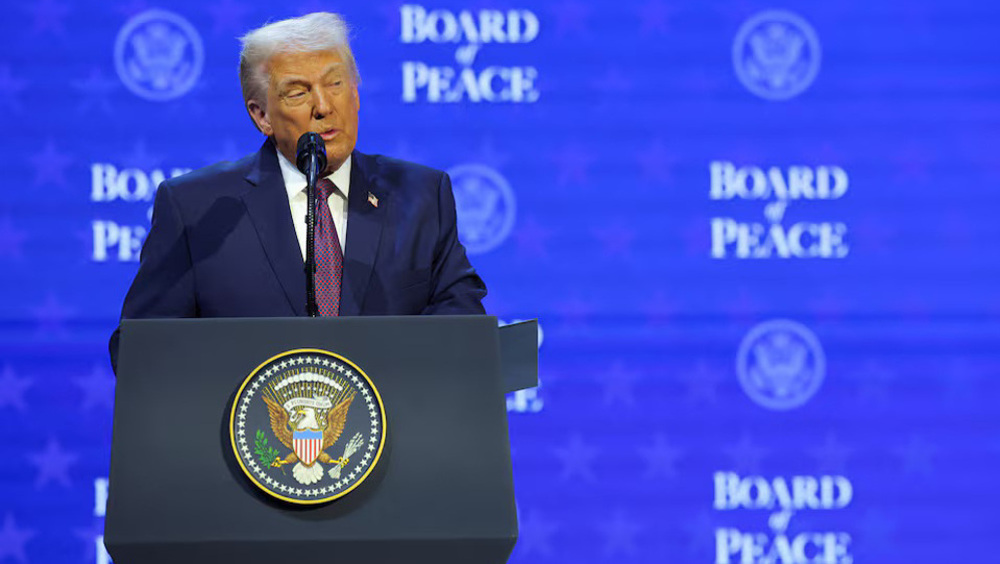
US President Donald Trump’s plan for post-genocide Gaza, which called for a 20,000-strong multinational “peacekeeping” force to secure the besieged territory, is now struggling to recruit even an initial group of up to 20 troops, according to a Wall Street Journal report.
The exclusive report reveals that the security framework meant to underpin Washington’s vision for Gaza after the genocide remains far from realization. The proposed initial deployment has faced repeated delays and sharply diminishing international support.
The original proposal envisioned a large multinational force of around 20,000 personnel. However, regional instability, political disagreements among potential contributors, and ongoing military tensions have drastically scaled back the project.
Daniel Shapiro, a former US deputy assistant secretary of defense for the Middle East, told the newspaper that the recent joint US-Israeli war of aggression against Iran has not only delayed decisions on the force but has also eroded many countries’ willingness to participate.
Indonesia, once expected to be one of the largest contributors, suspended its involvement in March, citing the worsening regional security situation. Indonesian officials have confirmed that the country’s participation remains on hold.
According to the report, only Morocco, Albania, Kosovo, and Kazakhstan are currently expected to make formal commitments.
The first Moroccan contingent, originally scheduled to deploy in June, has been delayed and is now expected to arrive in the coming months. Instead of entering Gaza immediately, these troops will first be stationed at a newly built logistics hub in Israeli-occupied territory near the Kerem Shalom crossing.
This dramatic downsizing highlights the mounting political, security, and diplomatic obstacles facing Washington’s so-called “day after” strategy for the blockaded Palestinian territory. The difficulties confronting the proposed international security force (ISF) underscore the broader failures of the Trump administration’s Gaza plan.
The ISF was intended as a central pillar of the US-backed post-genocide framework, which envisioned a phased political transition in Gaza. Under the plan, Israeli occupation forces would withdraw, and the international force would take over security responsibilities while a US-led Board of Peace oversaw reconstruction and political implementation.
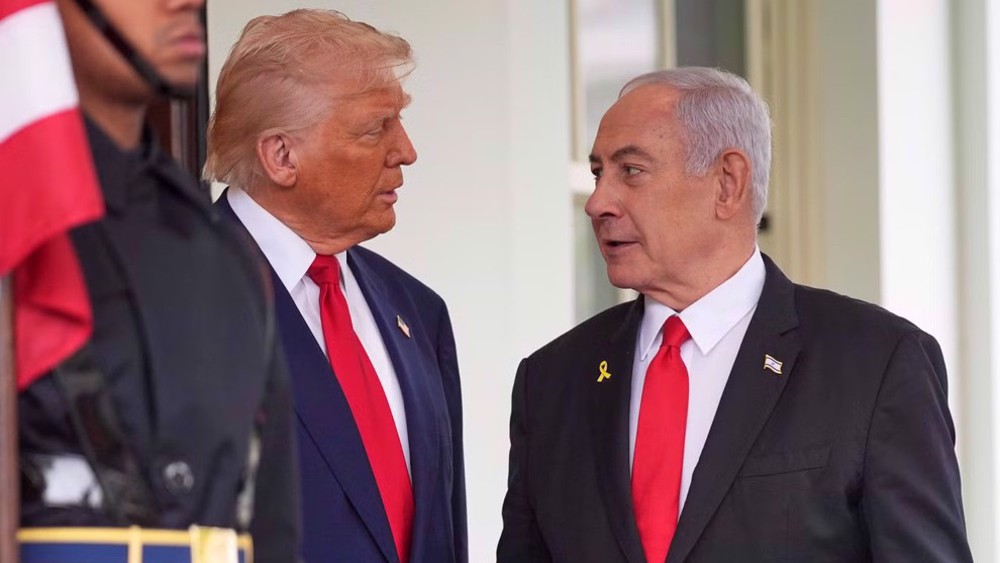
Meanwhile, the Hamas resistance movement announced this week that it would dissolve the emergency committee administering Gaza but declined to disarm its military wing. Palestinian resistance groups have made clear that surrender is not an option in the face of the US-led effort to reshape Gaza’s future.
Reconstruction has barely begun across most of Gaza, with only a fraction of the estimated $17 billion in pledged funds actually secured. Wealthy donors have largely refused to finance projects in areas still under Israeli control, viewing such efforts as legitimizing the occupation.
The Israeli genocide has already killed more than 73,000 Palestinians, wounded over 171,000, and destroyed around 90 percent of Gaza’s infrastructure, according to Gaza authorities.
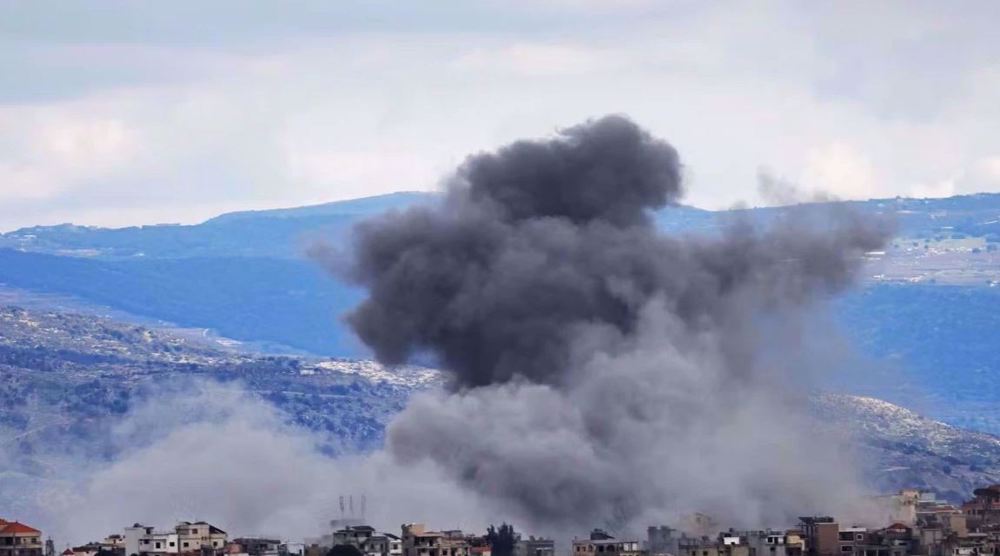
Israel wipes out villages, attacks civilians after US-led deal with Lebanon govt.
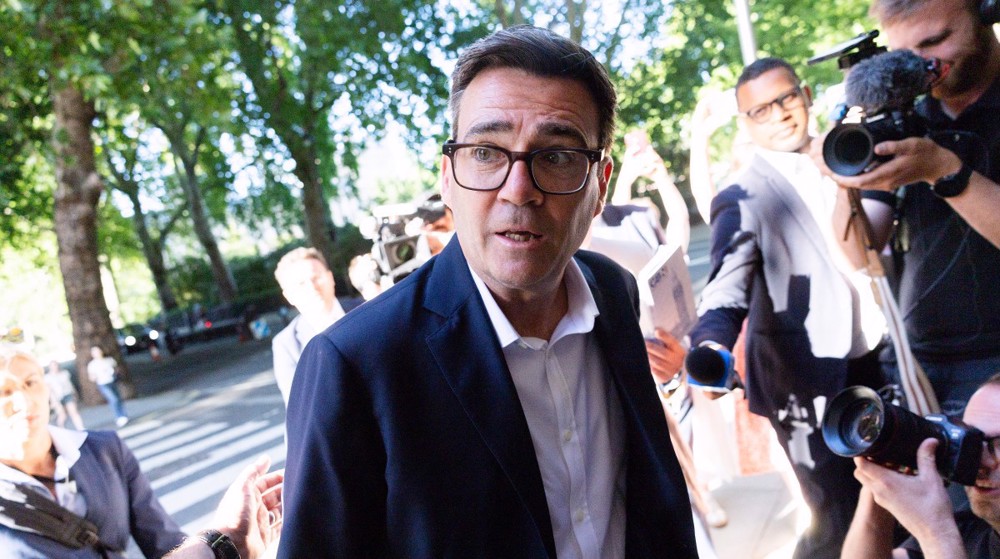
UK PM-in-waiting Burnham admits Britain 'too slow' on Gaza, vows tougher line on Israel

Netanyahu's son drops family name to conceal globally detested identity



British police investigating donations to Nigel Farage's Reform UK party
VIDEO | Analyst: Massive funeral processions exposed failure of Western narratives
Trump’s post-genocide Gaza plan collapses as 'peacekeeping' force shrinks to a handful of troops
Qalibaf: Only those ready for war can negotiate with US
Mali says Ukraine training, arming Al-Qaeda-linked militants in Sahel
VIDEO | Press TV's news headlines
Leader's funeral epic 'strategic asset' for Iran's deterrence: Acting defense minister
Indonesia FM: Millions of Indonesians love martyred Leader


 PressTV NEWSLETTER
now
PressTV NEWSLETTER
now
 This makes it easy to access the Press TV website
