Tensions flare in Washington as Vance, Rubio clash over Persian Gulf policy, 2028 ambitions: Report
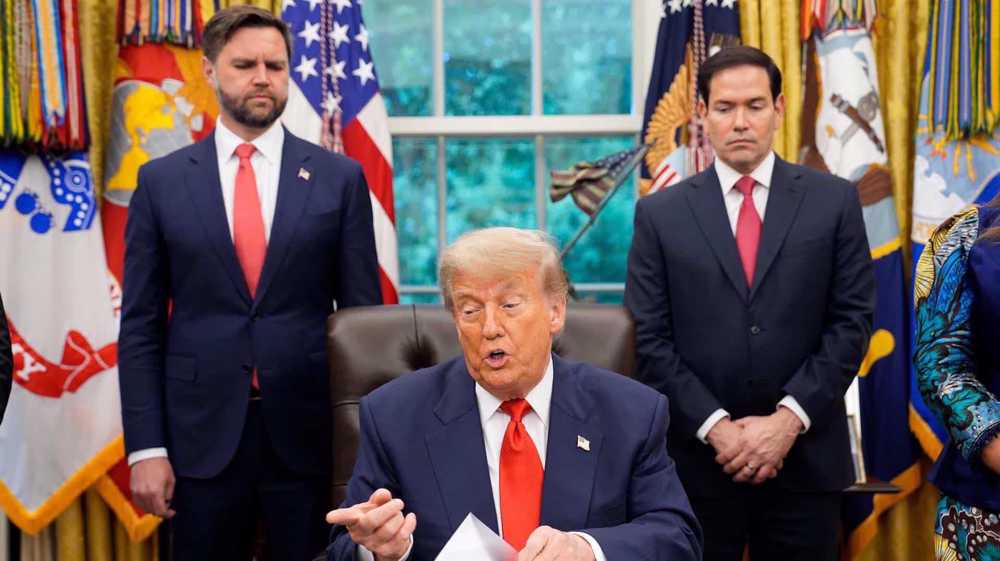
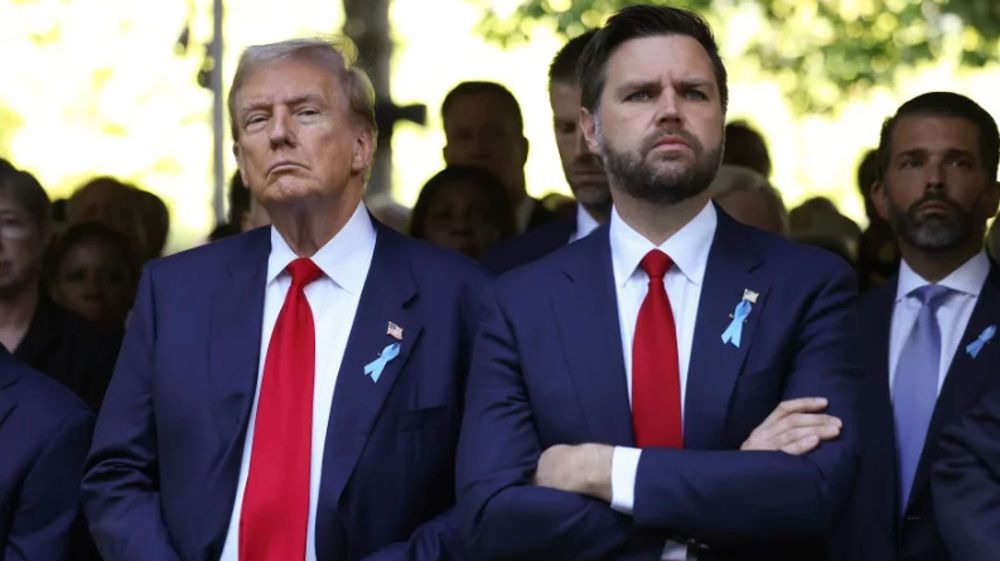
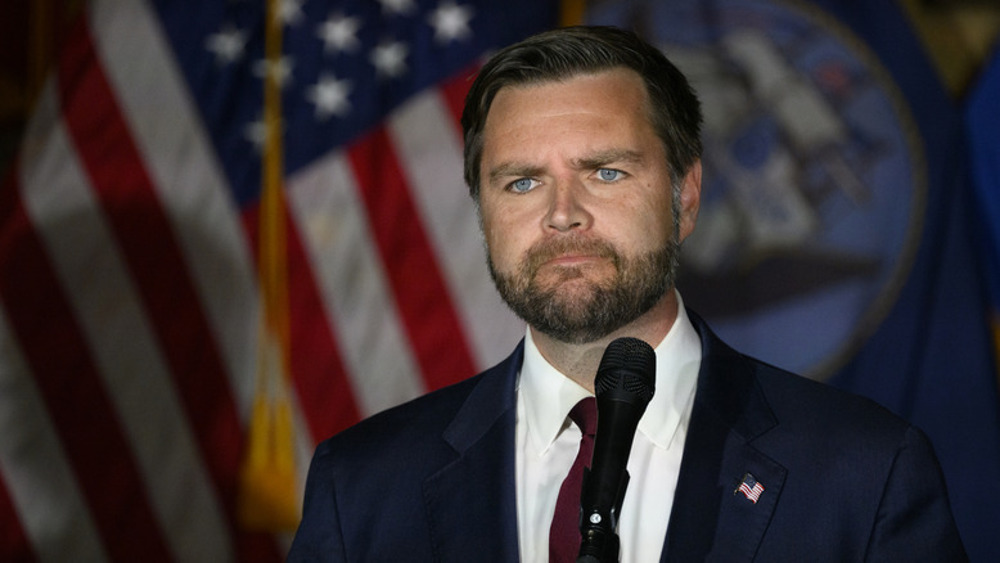
Behind the closed doors of the Trump administration, a simmering power struggle has erupted between Vice President JD Vance and Secretary of State Marco Rubio, according to a report.
Tensions have spilled beyond policy disagreements into personal grievances and charges of political maneuvering ahead of the 2028 presidential race, according to an article published by The Cradle website on Monday.
The friction, which has been building, reportedly reached a breaking point when Vance learned that Rubio had been planning a tour of the Persian Gulf region without consulting him beforehand, the report notes.
The vice president, who had been the lead negotiator in Pakistan-mediated Iran-US talks and has sought to position himself as a key player in West Asia diplomacy, was said to be furious at being excluded from a trip that carries significant geopolitical implications.
But the grievances run deeper than a single diplomatic tour. Sources cited by The Cradle say Vance has grown increasingly suspicious that Rubio is operating behind the scenes with US envoys Jared Kushner and possibly Steve Witkoff to undermine his “diplomatic achievements” and marginalize his influence within the administration.
The vice president and his inner circle now reportedly believe that Rubio, Kushner, and hawkish pro-Israel senator Lindsey Graham have formed an “informal alliance” aimed at sidelining him ahead of the 2028 presidential contest.
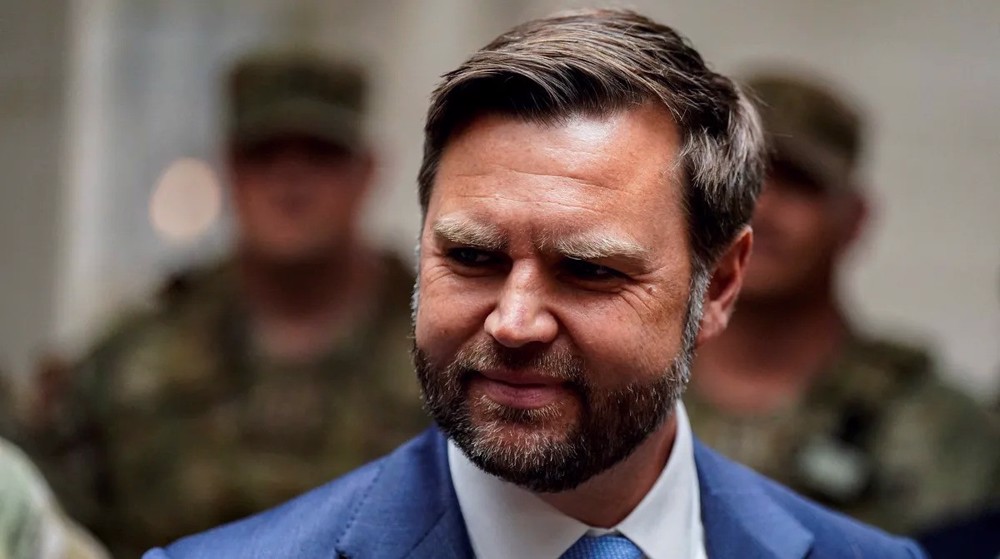
The emerging coalition appears to be working in concert to limit Vance’s visibility on foreign policy and position Rubio as the preferred successor within the Republican establishment.
Graham's involvement is seen as particularly significant given his long-standing ties to the party's foreign policy wing and his role in shaping Republican national security positions.
For his part, Rubio is said to remain uncertain about the true nature of his relationship with Trump. Sources close to the secretary of state suggest he has been grappling with a fundamental question on whether he is being used by the president as a counterweight to Vance, or whether Trump himself is more heavily influenced by Kushner and Rubio's faction.
The uncertainty has reportedly left Rubio uneasy, unsure whether he is a principal player in the administration's long-term strategy or merely a pawn in a larger game.
The rift comes at a critical moment, with the administration navigating a complex and volatile landscape following the failed war against the Islamic Republic of Iran and a memorandum that cements Iran’s status as a new regional superpower.
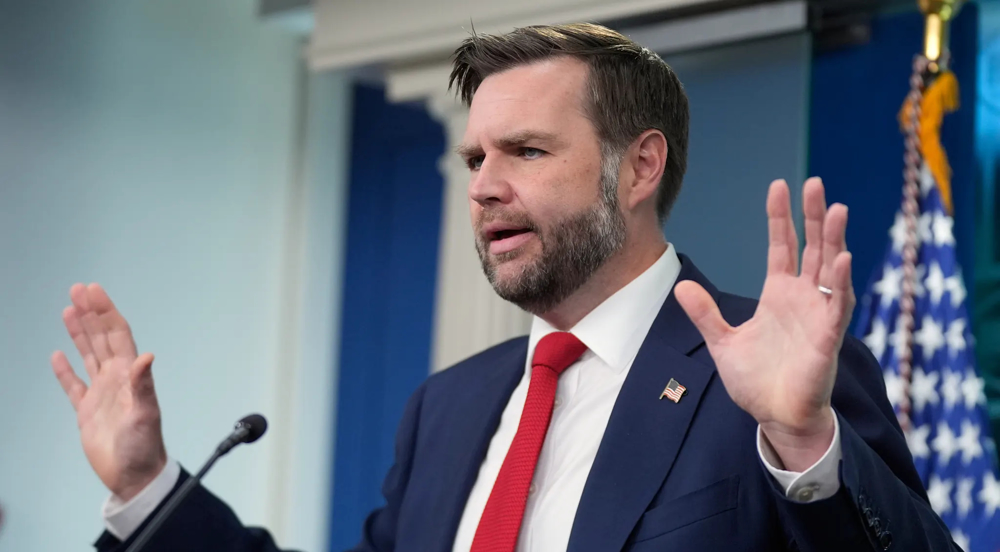
The Persian Gulf tour that sparked the latest tensions was seen as a key opportunity to repair the tattered US image among allies, and Rubio's decision to proceed without consulting Vance appears to have deepened the distrust between the two camps.
The informal alliance between Rubio, Kushner, and Graham has raised alarms among those close to the vice president, who fear the coalition's influence could shape the administration's policy direction in ways that favor Rubio's standing at Vance's expense.
As the 2028 presidential race looms on the horizon, the growing friction between two figures once seen as potential allies underscores the complex dynamics inside the Trump administration and the intense jockeying for position among those vying for the Republican Party's future leadership at a time when the party’s popularity has touched historic lows due to the unprovoked and illegal war against Iran as well as support for Israel.

Trump sons stand to profit from US-Kazakhstan mining deal: US media
US carrot-and-stick gambit backfires as Iran asserts Hormuz sovereignty, asymmetric deterrence
Mission unaccomplished – Part III: After a failed war, US forced to recognize Iran's sovereignty



President Pezeshkian says Iran will stand by deal only if US does
Mission unaccomplished – Part VI: US sought Iran’s surrender but got a new regional superpower
Tensions flare in Washington as Vance, Rubio clash over Persian Gulf policy, 2028 ambitions: Report
Oman backs Iran’s plan to charge Strait of Hormuz ‘service fees’
Iran says talks with US contingent on implementation of key MoU provisions
Child among 3 killed after Israel bombs tent in central Gaza
Iran says only it can demine Strait of Hormuz under MoU with US
Advanced lymphoma treatment technology under development at Iran's Royan Institute


 PressTV NEWSLETTER
now
PressTV NEWSLETTER
now
 This makes it easy to access the Press TV website
