Cracks in Washington as Vance challenges US war claims: Report

US Vice President J. D. Vance is secretly questioning the Pentagon’s optimistic narrative of the war on Iran, senior American officials say, as evidence mounts that weapons stockpiles of the United States are dwindling while the Islamic Republic’s military capabilities remain largely intact.
In private meetings, Vance has repeatedly challenged the US Defense Department’s portrayal of the war of aggression against Iran, raising concerns that the Pentagon is in fact downplaying the severe depletion of US missile reserves, The Atlantic, a Washington-based news outlet, reported on Monday, citing two senior American officials.
Vance, the sources said, has already questioned the accuracy of briefings, warning US President Donald Trump about shortages in critical weapons systems.
According to the report, the implications of the acute shortages are far-reaching as depleted arsenals could undermine Washington’s ability to sustain conflicts elsewhere, including in East Asia and Europe.
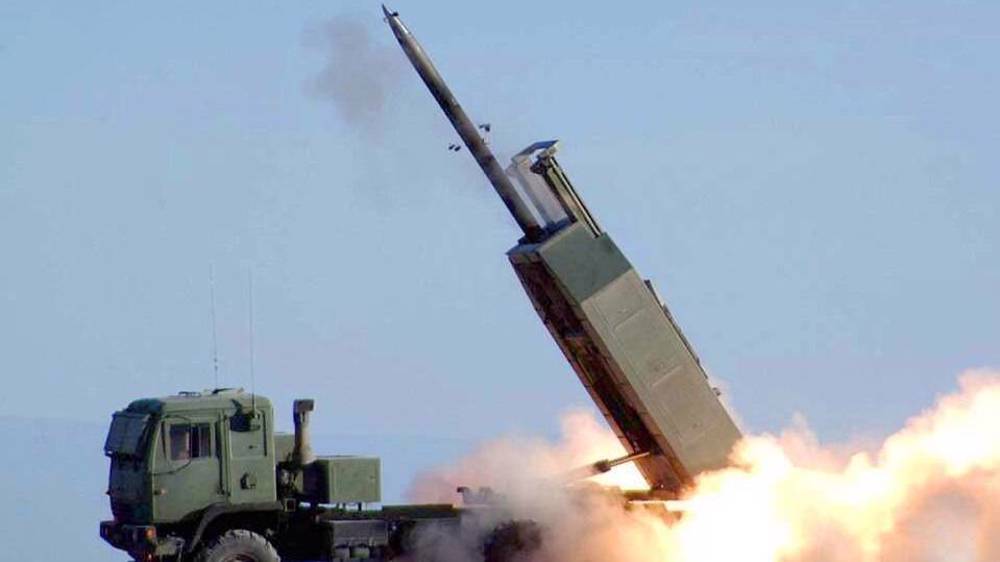
While War Secretary Pete Hegseth and Joint Chiefs Chairman General Dan Caine publicly insist that stockpiles remain strong and allege that Iran has suffered devastating losses, Vance has cautiously voiced his doubts.
Furthermore, despite official optimism, internal intelligence paints a very different picture, with sources familiar with classified assessments indicating that Iran still retains roughly two-thirds of its air force, most of its missile-launching infrastructure, and a significant fleet of fast naval vessels capable of conducting operations in the strategic Strait of Hormuz.
Although Hegseth once boasted of “complete control” over Iranian skies, Iranian forces shot down several US fighter jets and dozens of US and Israeli drones, exposing Washington’s vulnerabilities. Moreover, Tehran has steadily restored its missile launchers, with about half now operational again after an extended two-week ceasefire mediated by Pakistan.
The war, initiated on February 28 in close collaboration with Israel, has also imposed a heavy toll on US military resources as extensive use of advanced interceptors and long-range strike weapons such as Tomahawk and Joint Air-to-Surface Standoff missiles has caused serious shortages, weakening the US’s preparedness for potential future conflicts.
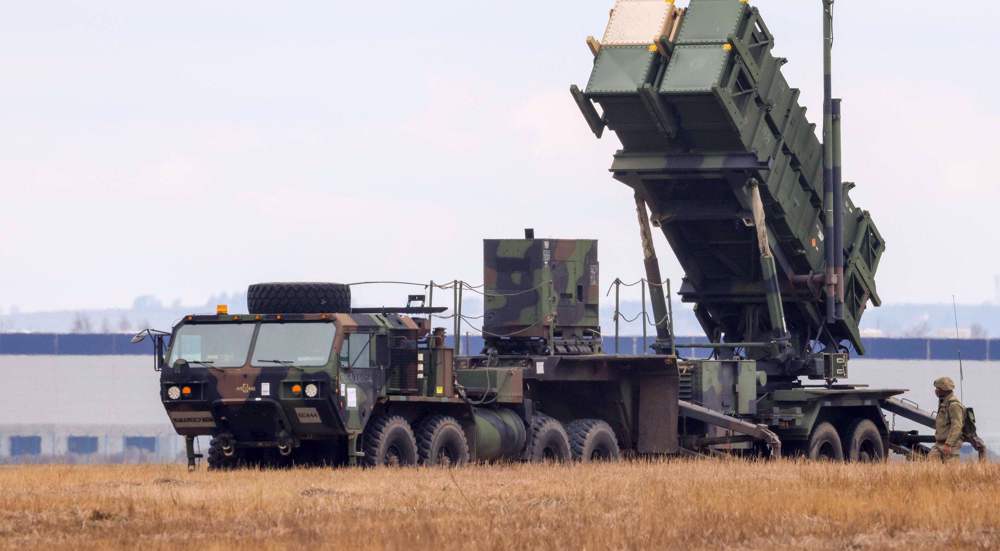
Analysts warn that more than half of certain key munitions may already be depleted, exacerbating preexisting shortages caused by arms transfers to Ukraine and Israel as well as sluggish production.
Even Pentagon officials have acknowledged that these deficits could jeopardize US performance in potential wars against major powers like Russia or China. This is while the Pentagon continues to claim that officials provide Trump with a “complete, unvarnished picture,” while praising their assessments as “precise, exact, and comprehensive.”
Trump has echoed the Pentagon’s upbeat messaging, declaring the all-out military campaign a victory, and claiming that US weapons supplies are “virtually unlimited”, but critics inside the administration suspect that such portrayals are tailored only to please the president.
“Pete’s TV experience has made him really skilled at knowing how to talk to Trump, how Trump thinks,” a former official told The Atlantic.
“Hegseth strives to tell the president exactly what he wants to hear. I think that’s dangerous,” the report cited another official as saying.
Meanwhile, Vance, who once argued “we were lied to” about past wars and insisted “this is not our war”, now faces pressure to balance his earlier anti-war stance with political ambitions tied to the conflict’s outcome, the report stressed.
Hegseth and Vance both served as low-ranking service members in Iraq at around the same time.
Hegseth was a National Guard lieutenant attached to the 101st Airborne Division while Vance was an enlisted Marine Corps journalist.
Far from Hegseth’s predictions of a quick, decisive win, the war on Iran has now drifted into a costly, indeterminate muddle. While the Islamic Republic remains a formidable power, the US faces mounting military strain and deepening divisions at the highest levels of government.
The US has already suspended its arms deliveries to NATO ally Estonia as the war has been a major drain on Washington’s arsenal.
The shortages have even pushed the Pentagon to use civilian factories for producing munitions.
Citing some unnamed military sources, The Wall Street Journal reported earlier this month that senior US military officials had already held talks with top executives of major automakers, including General Motors (GM.N), and Ford Motor (F.N), to produce weapons and other military supplies.
In retaliation for the US-Israeli all-out aggression which soon turned into a regional conflict, Iranian Armed Forces responded with over 100 waves of retaliatory strikes, codenamed Operation True Promise 4, launching hundreds of ballistic and hypersonic missiles as well as drone attacks against sensitive and strategic American and Israeli targets throughout the region.
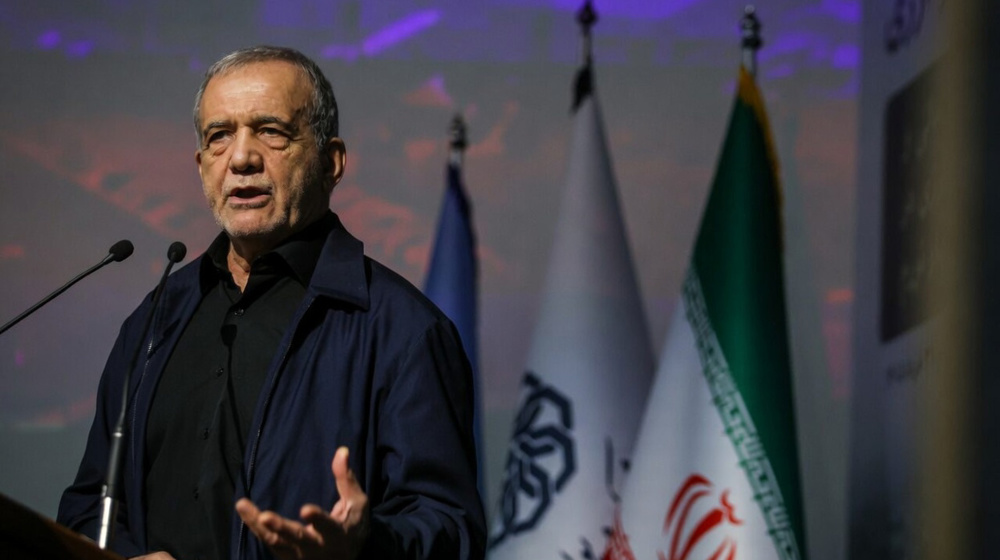
President Pezeshkian says Iran will stand by deal only if US does

Iran says talks with US contingent on implementation of key MoU provisions
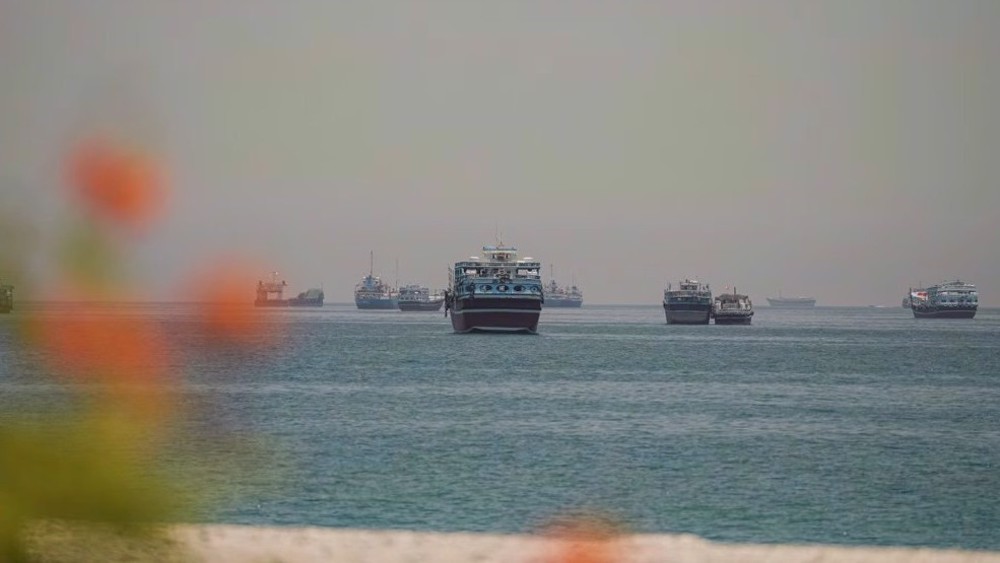
Iran says only it can demine Strait of Hormuz under MoU with US



Hezbollah MP blasts ‘sell-out’ government, says Lebanon central to any Iran-US deal
Israeli army demolishes buildings across Gaza as ceasefire violations continue
VIDEO | Press TV's news headlines
VIDEO | Thousands displaced by earthquake in Venezuela receive temporary shelters
Iran will respond decisively to any ceasefire violation: Acting defense minister
Trump criticized Spain for not meeting NATO spending targets
Arab League, Arab Parliament condemn repeated Israeli attacks on Syria
Management of Strait of Hormuz solely Iran’s responsibility: Senior MP


 PressTV NEWSLETTER
now
PressTV NEWSLETTER
now
 This makes it easy to access the Press TV website
