Intl. scientists call for restoration of Iran’s Pasteur Institute after US-Israeli aggression
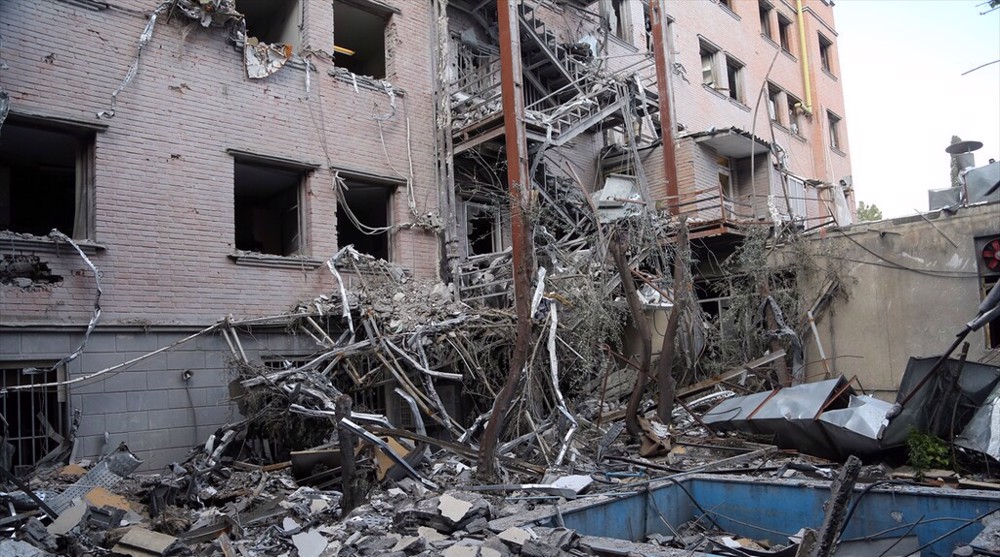
A group of international researchers has called on the global health community to take effective action to repair the Pasteur Institute of Iran, which sustained considerable damage from a series of US-Israeli airstrikes in late March 2026.
A paper published in The Lancet, a leading medical journal, warned that “the current destruction poses a fundamentally new threat: not simply disruption, but the possible loss of a cornerstone public health institution.”
The paper, co-authored by researchers from Iran, Europe, New Zealand and other Western countries, underscored that “the Pasteur Institute of Iran has been a pillar of the country's public health system for more than a century.”
“The loss of the institute is not merely symbolic; it represents a real, immediate, and dangerous threat to public health,” the authors wrote.
The researchers noted that, according to their Iranian collaborators, fortunately no one was physically harmed. However, they added: “crucial reference laboratories, including those for genomic surveillance, rabies, HIV/AIDS, viral hepatitis, and vector-borne diseases, were completely lost.”
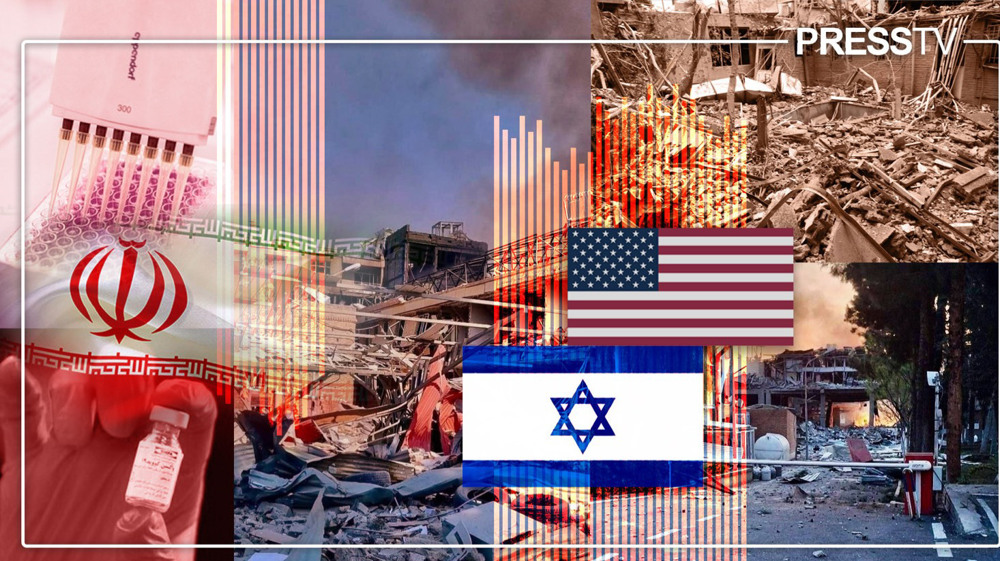
“Consequently, without these crucial facilities, seasonal and regional outbreaks might not receive timely and effective public health responses.”
The authors stressed that the damage is not solely a national issue; regional health security is also at risk.
“We urgently call on the international health communities to deploy their full capacity to protect health-care infrastructures and to foster the full restoration of the Pasteur Institute of Iran's essential laboratory and its diagnostic, surveillance, and vaccine capabilities.”
A century-old institution crippled
The paper noted that the historically important medical institution, founded 106 years ago, has played a key role in combating various human pathogens in the region and has responded to numerous epidemics and pandemics.
The institute houses reference laboratories, departments of vaccine research and production, pathogen surveillance, and outbreak response teams.
The World Health Organization (WHO) has already confirmed that, “following the damage caused by the airstrikes, the institute was no longer functional and could no longer deliver health services.”
The authors pointed out that the attacks occurred after years of sanctions had already left Iran’s public health system in a precarious condition.
“In 2018, we raised concerns in The Lancet that US sanctions were jeopardising Iran's viral hepatitis elimination programme,” they recalled. That programme depends on locally developed and produced vaccines and essential imported medicines.
During the SARS‑CoV‑2 pandemic, Iran suffered multiple epidemic waves while sanctions constrained access to genomic surveillance facilities and other resources crucial to the Pasteur Institute’s preparedness and response.
More footage shows thick smoke rising after an explosion was heard in the Pasteur district. pic.twitter.com/AUzwaJTNDi
— Press TV 🔻 (@PressTV) February 28, 2026
The institute has provided key public health infrastructure on multiple fronts, including vaccine development and production, national reference laboratory services, diagnostics, and genomic surveillance for infectious diseases such as cholera, rabies, measles, tuberculosis, HIV/AIDS and viral hepatitis.
The unprovoked US-Israeli aggression on Iran began on February 28 with airstrikes that assassinated the Leader of the Islamic Revolution, Ayatollah Seyyed Ali Khamenei, along with senior officials, commanders and civilians.
The strikes also targeted dozens of cultural and heritage sites, educational institutions, universities, hospitals and medical facilities, as well as civilian infrastructure.
Iranian officials and global health experts have strongly condemned the US-Israeli airstrikes on the country’s medical and pharmaceutical infrastructure.
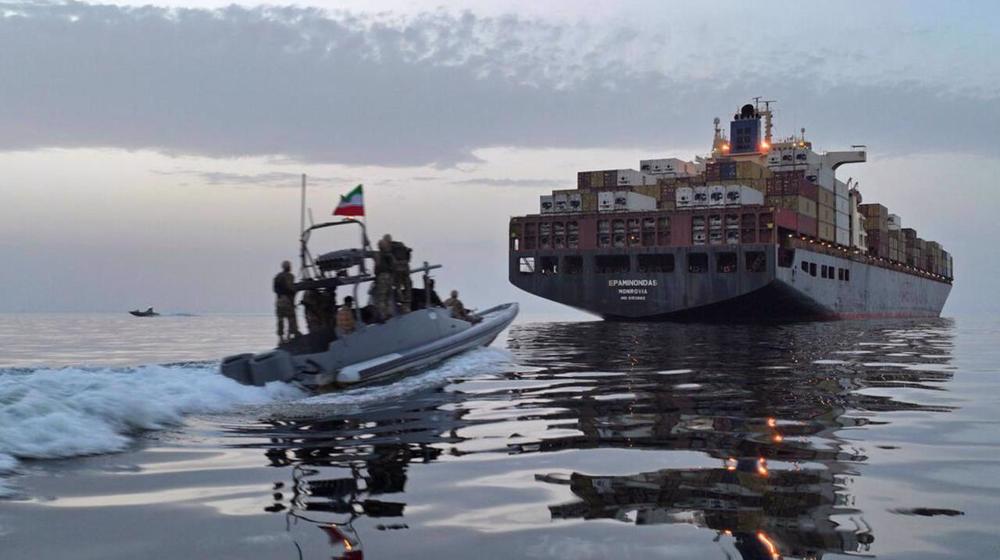
IRGC Navy coordinates safe passage of 31 ships through Hormuz

Iran nuclear resolution must consider Iranian interests: Russia
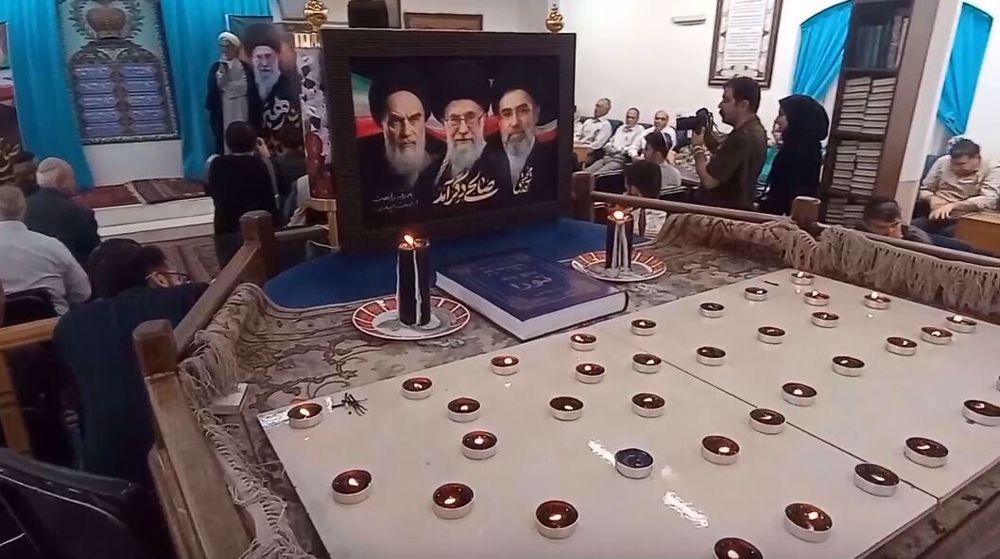
Jewish community pledges allegiance to Iran's Leader ahead of holiday



Intl. scientists call for restoration of Iran’s Pasteur Institute after US-Israeli aggression
IRGC Intel: US assumptions of 'easy and quick' operation proven false
Yemen’s Ansarullah leader says US looting Iraq’s oil, calls for economic boycott
Israeli soldiers: Looting, destruction ‘primary mission’ in south Lebanon
IRGC Navy coordinates safe passage of 31 ships through Strait of Hormuz
Iran nuclear resolution must consider Iranian interests: Russia
Jewish community pledges allegiance to Iran's Leader ahead of holiday
Pezeshkian commits government's full support to modernization of Armed Forces


 PressTV NEWSLETTER
now
PressTV NEWSLETTER
now
 This makes it easy to access the Press TV website
