Jewish community pledges allegiance to Iran's Leader ahead of Shavuot holiday
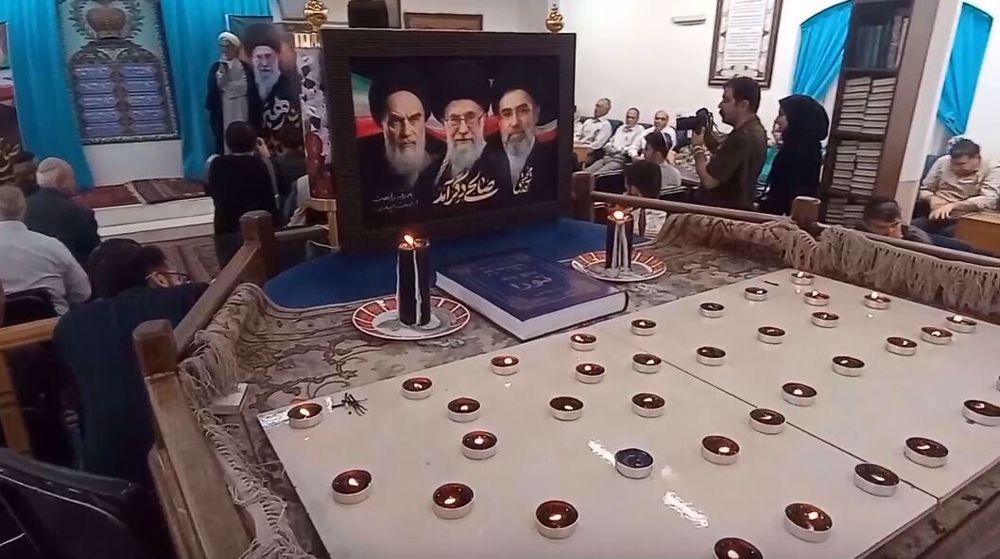
Iran's Jewish community has reaffirmed the Iranian nation's resilience against US and Israeli military conspiracies, pledged to preserve national authority, and swore an oath of allegiance to Ayatollah Seyyed Mojtaba Khamenei.
The community in the historic city of Isfahan held a mass gathering at the Keter David synagogue on Thursday on the eve of the Hebrew year 5786's Shavuot holiday also known as the Festival of Weeks or the Feast of Flowers in Jewish tradition.
The ceremony, held on the second anniversary of the martyrdom of former President Ebrahim Raeisi, served as a manifestation of the unity, cohesion, and solidarity of the followers of divine religions in Iran's oldest Jewish community.
Participants, while paying tribute to the exalted status of the martyred Leader of the Islamic Revolution Ayatollah Seyyed Ali Khamenei and the martyrs of service, emphasized their unbreakable bond with the leadership and pledged allegiance to new leader Ayatollah Seyyed Mojtaba Khamenei.
Speaking at the event, Isfahan's chief justice Asadollah Jafari emphasized that Iran's legal framework guarantees the legitimate rights of religious minorities.
Jafari, who presented a four-year review of his tenure in the provincial judiciary, said that the low number of criminal cases involving religious minorities in business sectors reflected a prevailing spirit of altruism and peaceful coexistence in the province.
"The pure human nature is the foundation of thought and peaceful coexistence among divine religions," Jafari was quoted as saying by IRNA. "Human suffering has always been the result of the greed and arrogance of oppressors who, under any name and label, step against humanity."
Jafari noted that under Iran's constitution, followers of divine religions have legally recognized rights, including the right to vote and an independent seat in the country's parliament.
He said judicial authorities at both provincial and national levels remain committed to securing the legitimate rights of the Jewish community.
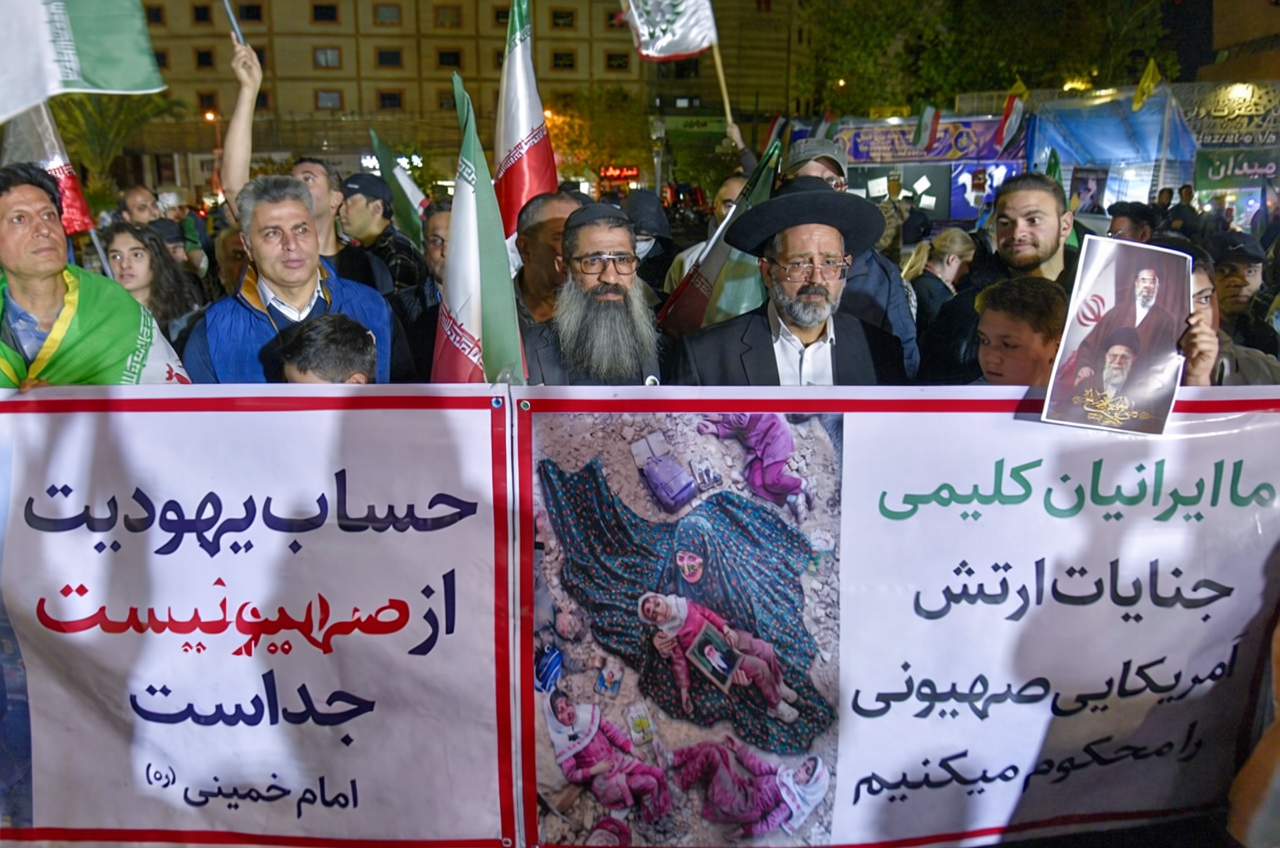
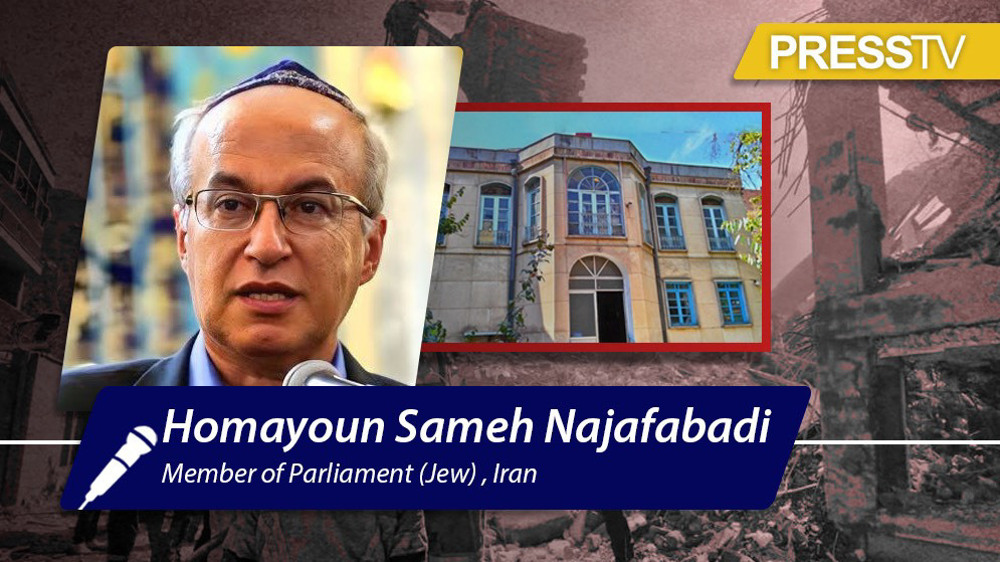
Homayoun Sameyeh Najafabadi, the Jewish representative in the Iranian Parliament, noted that while these days are a time of celebration for the Jewish community, the sorrow over the loss of the martyred Leader, commanders, and senior national officials has deeply affected the occasion.
He further stressed that Iran's Jewish community does not see itself as separate from the rest of the country, stating, "This community has never been and is not Zionist. This incorrect characterization, which is exploited by Iran's enemies, must be corrected in public opinion."
Najafabadi elaborated on the dimensions of the imposed military and media war waged by the United States and the Zionist regime, with the support of some regional countries, against Iran.
He said that the enemies, by providing military bases and covering heavy costs, launched a widespread onslaught aimed at weakening the Islamic system.
Referring to the "heartbreaking incident" of the martyrdom of Ayatollah Khamenei, the lawmaker said adversaries had expected a collapse of the Islamic Republic. Instead, he said, the nation's resilience forced enemies to their knees and led to their humiliating defeat.
Immediately after the loss, Sameyeh Najafabadi said, "the flag of guidance of society was raised by Ayatollah Seyyed Mojtaba Khamenei, who maintained the system with authority."
He called for a precise distinction between the essence of Judaism and the phenomenon of Zionism, citing the founder of the Islamic Republic's position that Judaism and Zionism must be clearly separated.
He criticized the media for failing to distinguish between the terms "Jewish" and "Zionist" in some programming and slogans, saying he has written to senior officials to correct the approach.
The lawmaker touched on the long and distinguished history of Jewish coexistence with the Iranian nation, declaring that Jews have always considered themselves an inseparable part of Iran, actively participating both before and after the Islamic Revolution, particularly during the eight years of the Iraqi war on Iran and the reconstruction process.
A formal statement read on behalf of Isfahan's Jewish association renewed allegiance to the Leader and expressed gratitude for the guidance of Ayatollah Mojtaba Khamenei.
The statement also pledged to continue President Raeisi's path of serving the underprivileged and to strengthen unity among all Iranian ethnic groups and religions.
Organizers described Shavuot as a valuable opportunity to renew commitment to divine and national ideals. They affirmed the Jewish community's effective and valuable role in the progress, development and sustainable security of the Islamic Republic.
Iran's Jewish community, one of the oldest in West Asia, has maintained a presence in the country for over 2,500 years. The community is officially recognized as a religious minority under Iran's constitution and holds one seat in parliament.
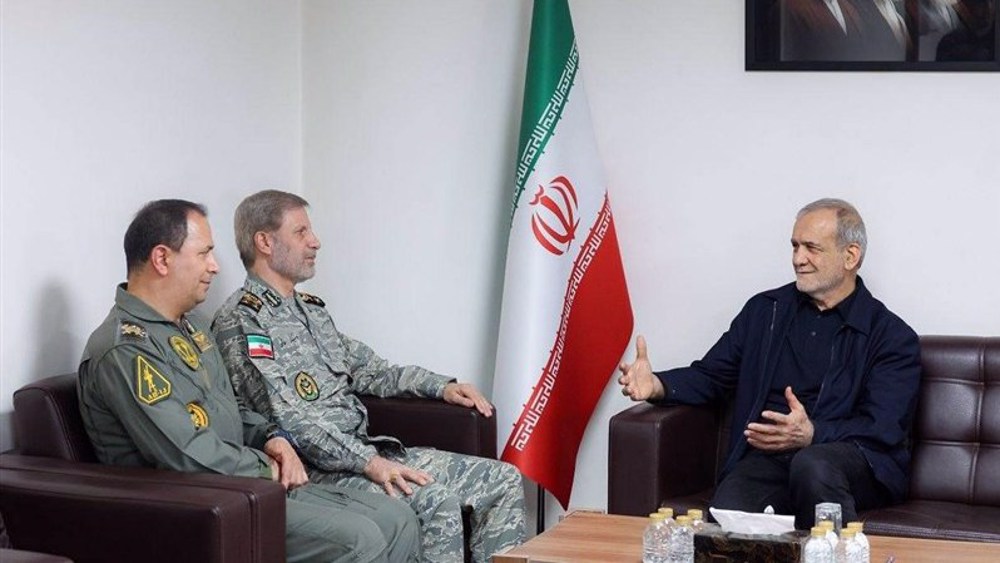
Pezeshkian commits government's full capacity to modernization of Armed Forces
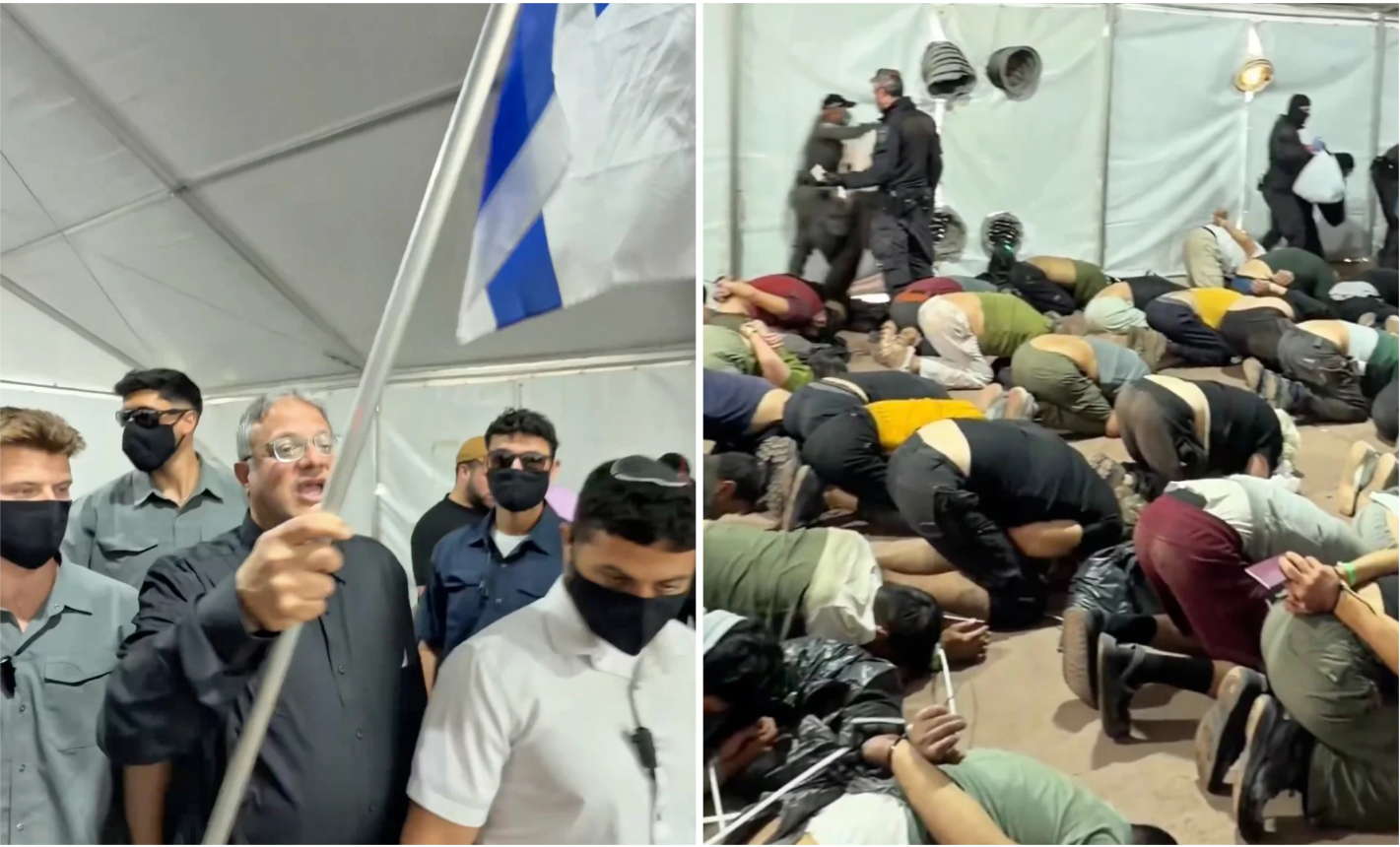
Iran to Europe: Learn from Nazi experience after Ben-Gvir’s humiliation of activists
Iran, not Washington, shaping regional corridor dynamics: Leader's aide



IRGC Navy coordinates safe passage of 31 ships through Hormuz
Iran nuclear resolution must consider Iranian interests: Russia
Jewish community pledges allegiance to Iran's Leader ahead of holiday
Pezeshkian commits government's full capacity to modernization of Armed Forces
Barakah false flag: How Israeli drones targeted UAE nuclear plant to frame Iran, unleash catastrophe
With strategic upper hand, Iran conditions nuclear talks on war's definitive end – on its terms
Iran to Europe: Learn from Nazi experience after Ben-Gvir’s humiliation of activists
Gaza reports over 125,000 cases of rat- and parasite-linked infections: UNRWA



 PressTV NEWSLETTER
now
PressTV NEWSLETTER
now
 This makes it easy to access the Press TV website
