‘My first home is now a ruin': Pasteur scientist’s daughter on bombing of iconic research center
By Sepideh Noursalehi
The reason for the close acquaintance between my father and mother goes back to a particular infection that my grandmother had contracted.
At the time when my mother and grandmother went to the Pasteur Institute of Iran to find a treatment for my grandmother’s infection, my mother recalled that she had previously had a distant acquaintance with one of the heads of a department at this center, also one of the oldest and leading research and public health centers in Iran and West Asia.
She sought Dr. Noursalehi out, inquired about treatment, and ultimately, my grandmother was relieved of that pain and infection. The visit to the center cured my grandmother.
After that, with the passage of time and with my grandmother’s consent, they decided to get married. Dr. Noursalehi, my father, was a former head of the research center at the Pasteur Institute, as well as a professor and faculty member at the University of Tehran.
Before his retirement, he tirelessly devoted more than 40 years of his life to advancing the scientific goals of the Pasteur Institute of Iran.
When my mother became pregnant, my father was supposed to travel to Germany for a research project at this center. My mother requested that the research be postponed until after the birth of the child, but my father, as always, emphasized the importance of the Pasteur Institute’s affairs alongside family matters.
The first place I saw after I was born was the Pasteur Institute of Iran. When my father took me there for the first time in the first month of my life, he laid me on his desk, and that was my first encounter with the walls of the memorable building of the oldest medical institution in the country and the region.
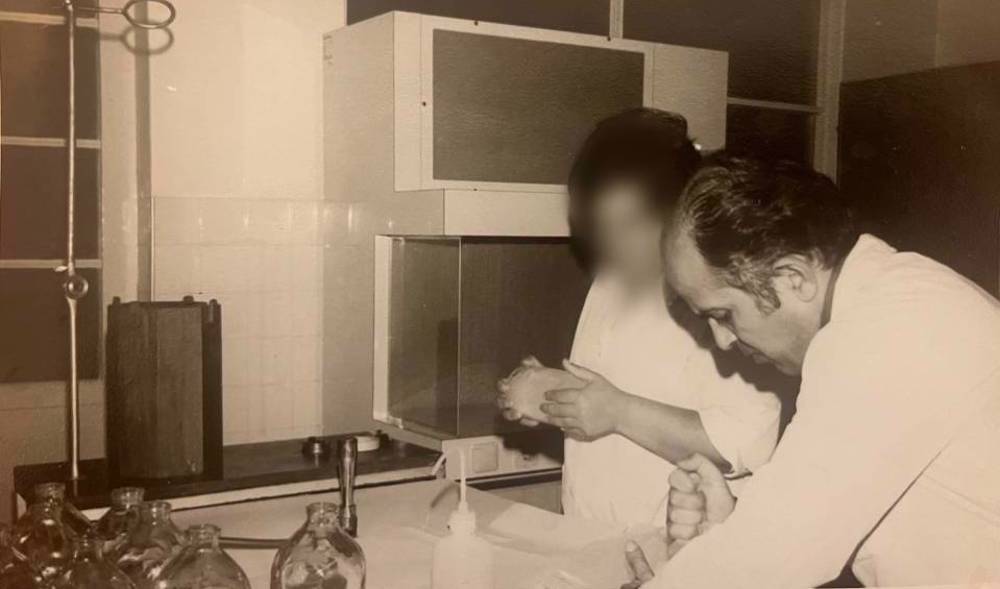
A building that in 1924 was endowed to this institute by the late Abdolhossein Mirza Farmanfarmaian, and parts of its old structures have also been registered as cultural heritage. Like other children of Iran, I received my first essential vaccines from this center.
My father could have worked in any country he wished. Many times, such conditions existed and multiple offers were made by different countries, but throughout forty years of his professional career, he never accepted them.
For the same reason that such offers were never accepted by other supremely talented scientists of this center since its establishment in 1920.
Renowned researchers, physicians, and surgeons – each possessing a collection of outstanding scientific titles and capabilities – not only refused to serve anywhere but their own land, but were always seeking to identify and attract scientific talent from among top Iranian medical students across universities worldwide and invite them to return to the country, to serve their own people.
Among them were future heads of various departments, whose recruitment and employment my father worked hard to secure, and who are now, after returning to the country, engaged in the service of the country and its people in different capacities.
My childhood and adolescence passed in many rooms of this center, observing the most impactful medical and research activities carried out day and night by these devoted servants of the country’s scientific community.
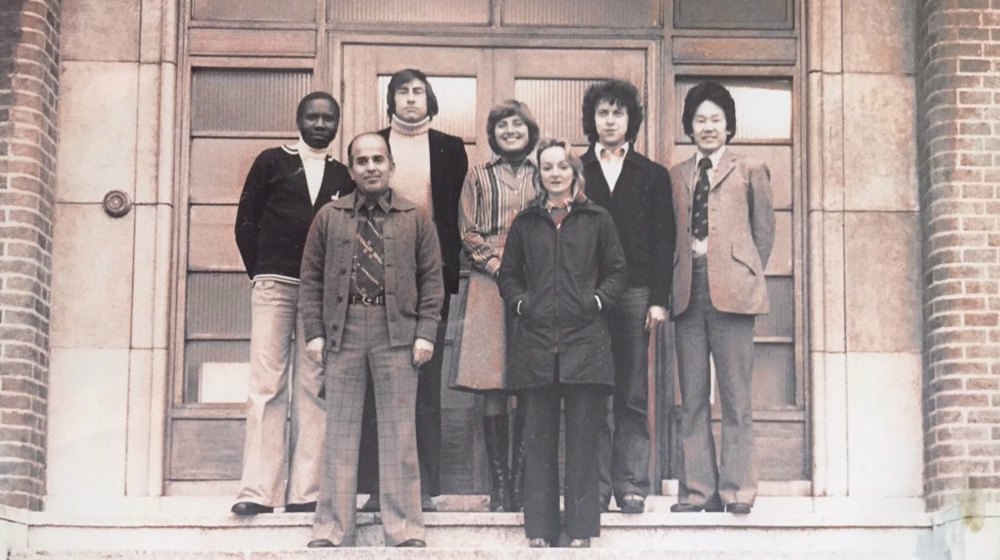
The employees of the center whom I repeatedly saw not even use a single “pen” from the Pasteur Institute for personal purposes outside the center. The gifted scientists who, relying on indigenous knowledge amid all kinds of unjust and illegal sanctions, always stood on the front lines of combating infectious diseases in their own country and across the region.
I even learned the concept of “time” in my childhood from these individuals. I remember a day when my father had scheduled a meeting for the department’s researchers at a specific time. Due to the delayed arrival of some participants, even by a few minutes, the meeting was postponed to another day.
My father would emphasize the importance of time at this center and, throughout his career, did not consider leniency in this regard acceptable.
The result of these hundred years of effort by great figures of science, following the agreement in 1920 between the Pasteur Institute of Paris and Iran, became the oldest and most credible medical research center in Iran and West Asia.
It includes national reference laboratories such as COVID-19, smallpox, rabies, Escherichia coli, arboviruses and viral hemorrhagic fevers, malaria, whooping cough, plague, tularemia, Q fever, biochemistry, protein chemistry, and prenatal diagnosis.
In addition, numerous other laboratories, such as those for tuberculosis, leishmaniasis, toxoplasmosis, borreliosis, anthrax, botulism, brucellosis, and fungal diseases; research departments; World Health Organization collaborating centers; biobanks; research networks; research centers; and vaccination units are among the facilities of this reference research institute.
With the aim of public health, it has played a significant role in controlling many infectious diseases in the country and the world, has been one of the pioneers and key hubs of vaccine production in the region, and has also been among the country’s leading centers in monitoring emerging and re-emerging diseases.
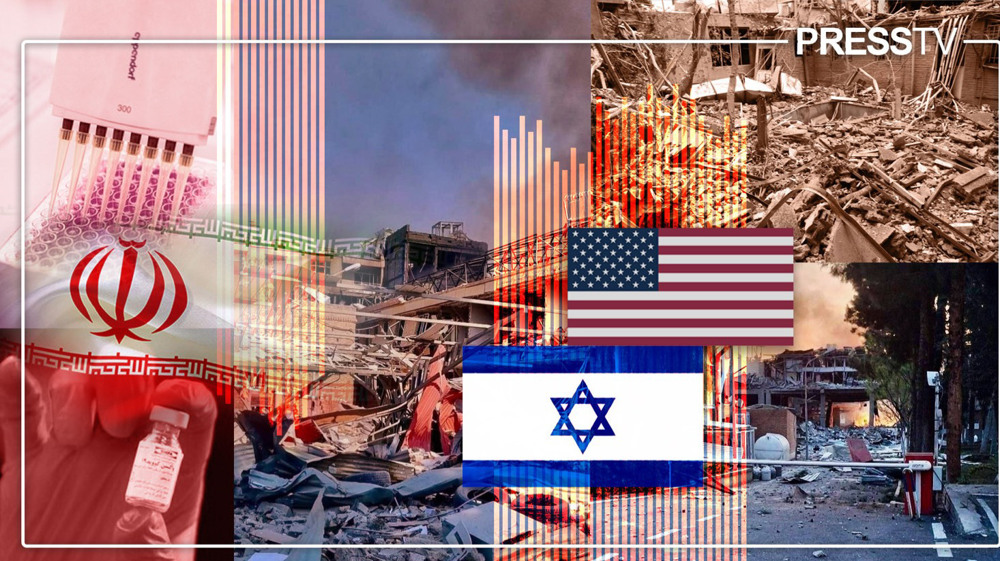
And now the news amid the ongoing American-Israeli war of aggression against Iran is very bitter for these servants of science and for all those who have memories associated with the Pasteur Institute of Iran in so many different ways.
A center whose thinkers were once concerned about wasting even minutes in service is now the target of an all-out American-Israeli war against the healthcare sector of the country.
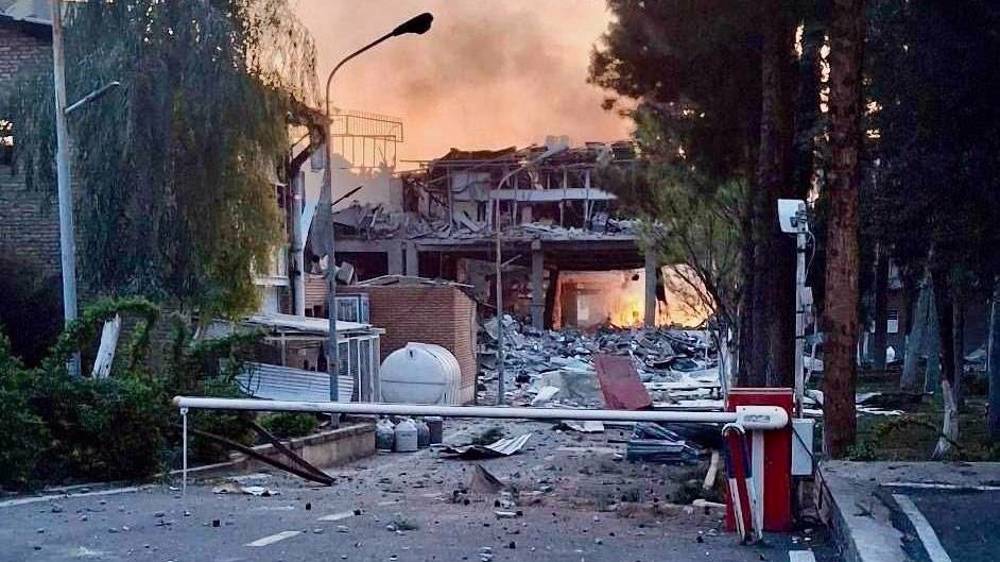
Those memorable walls are now rubble upon equipment that, although destroyed, still bears the marks of the hands and minds of its century-long scientific servants – marks that will never be erased from Iran’s great and proud scientific history.
The walls will rise again to recreate this scientific sanctuary of the country – but this time, for a more aware world and society.
Sepideh Noursalehi is a PhD student in art research.
In black and tears: Millions in Iran, globe observe Ashura to mourn Imam Hussein's martyrdom
Across Iran, centuries-old Muharram traditions keep Karbala's memory and spirit alive
Iran’s windmills world heritage dossier nears completion



Iran becomes world's 3rd producer of rapid gas detection kits, says knowledge-based firm
Iran monitors US compliance moment-by-moment, won’t implement MoU unilaterally: FM spox
Hezbollah MP blasts ‘sell-out’ government, says Lebanon central to any Iran-US deal
Israeli army demolishes buildings across Gaza as ceasefire violations continue
VIDEO | Press TV's news headlines
VIDEO | Thousands displaced by earthquake in Venezuela receive temporary shelters
Iran will respond decisively to any ceasefire violation: Acting defense minister
Trump criticized Spain for not meeting NATO spending targets


 PressTV NEWSLETTER
now
PressTV NEWSLETTER
now
 This makes it easy to access the Press TV website
