Russia begins 3-day nuclear exercise as Putin due in China for two-day visit
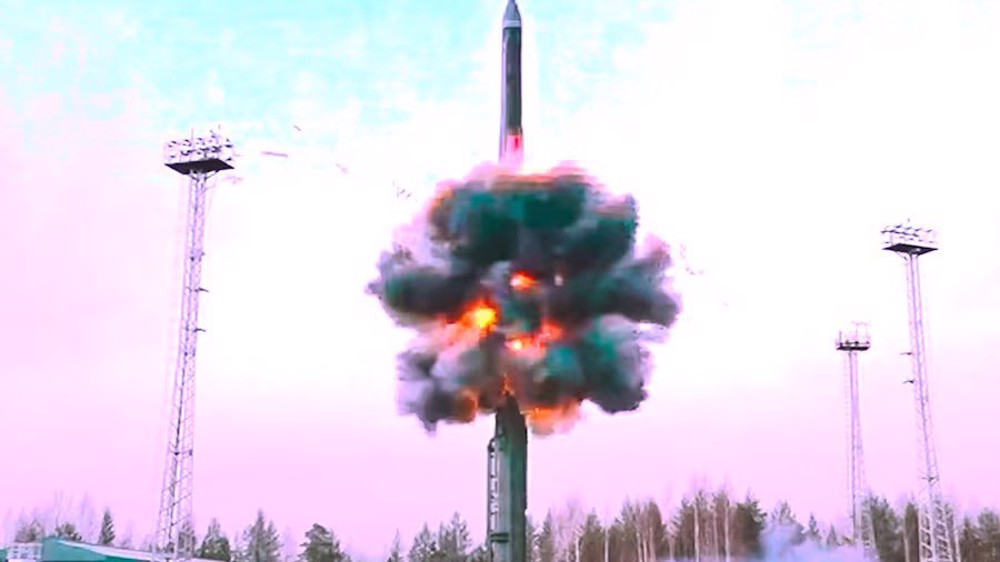
Russia has launched large-scale nuclear weapons exercises involving tens of thousands of troops, as fighting with Ukraine intensifies while President Vladimir Putin heads to China for a two-day visit.
In a statement on Tuesday, Russia’s army said the drills, running from May 19 to 21, are aimed at practicing the deployment and use of nuclear forces “in the event of a threat of aggression.”
The exercises come after the collapse of the New START treaty, the last remaining nuclear arms agreement between Russia and the United States, which officially ended in February and removed key limits on both countries’ nuclear arsenals.
Putin has also recently renewed praise for Russia’s nuclear strength.
According to the defense ministry, the drills involve more than 65,000 personnel, 7,800 pieces of military equipment, over 200 missile launchers, as well as aircraft, warships, submarines and nuclear submarines.
Russia will also conduct ballistic and cruise missile test launches during the maneuvers.
The ministry added that the exercises will include coordination with Belarus regarding “the joint training and use of nuclear weapons deployed on the territory of the Republic of Belarus.”
Russia has already stationed its nuclear-capable Oreshnik missile system in Belarus, a close ally bordering NATO members. The announcement came just hours before Putin’s departure for China.
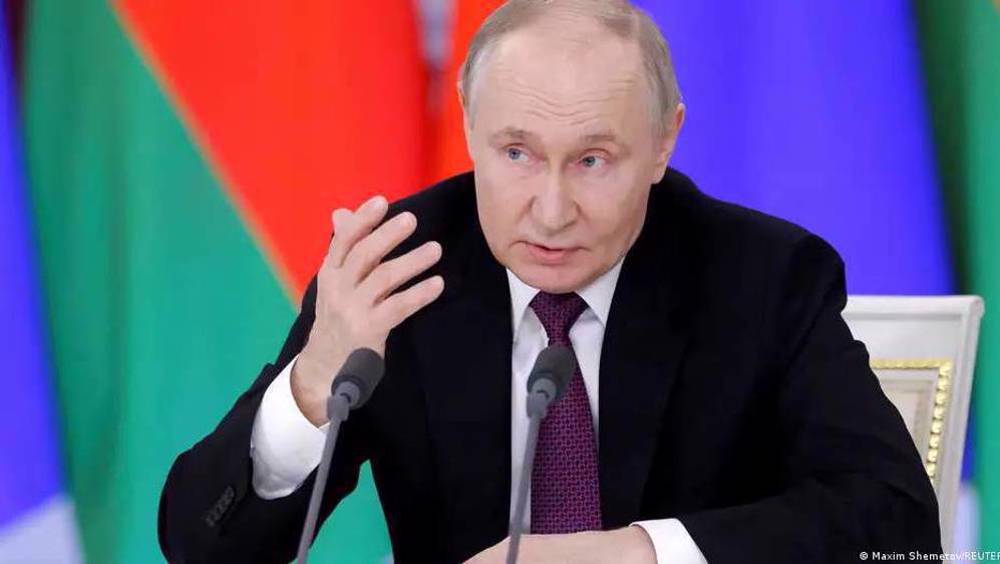
In an address ahead of his two-day visit to China that begins on Tuesday, Putin said Moscow and Beijing do not wish to align against any other country but work together for “peace and universal prosperity.”
“Russia and China look confidently towards the future, actively developing cooperation in politics, economics, defence, expanding cultural exchanges, and fostering interpersonal interaction, in essence, jointly doing everything to deepen bilateral cooperation and advance global development for the wellbeing of both nations,” Putin said in the speech aired by state media.
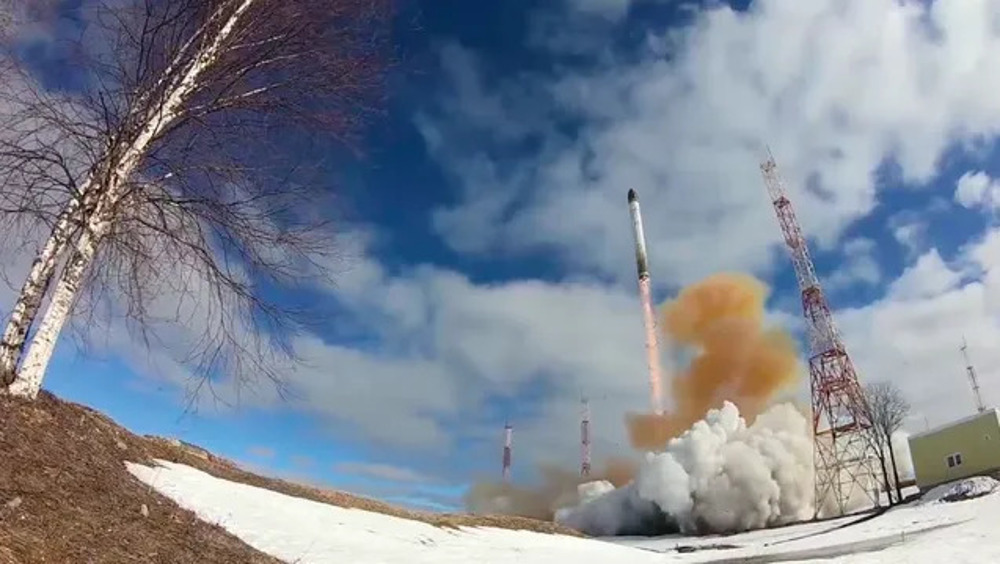
Last Tuesday, Putin announced that Russia had successfully tested the nuclear-capable Sarmat intercontinental ballistic missile, which he called “the most powerful missile system in the world.”
After the launch, Strategic Missile Forces commander Sergei Karakayev told the Russian president that “the launch was successful, the launch task has been completed.”
Putin said the missile can travel on ballistic and suborbital trajectories, and that it may exceed a range of 35,000 kilometers, and can carry multiple nuclear warheads.
He added that the first Sarmat-equipped regiment would be deployed by the end of 2026, while Karakayev said the system could penetrate existing and future missile defenses.
Putin first unveiled the Sarmat in 2018, saying at the time that the weapon possessed near-unlimited range and the ability to evade advanced missile defenses.
Putin: Russia received proposal to limit military action to four regions
Lavrov demands clarity on US role in Ukraine settlement
Putin says West preparing for war with Russia, warns Moscow ready to respond



Deputy FM links martyrdom of Leader to enduring American crimes against Iran
Pezeshkian: Martyrdom of Leader inspires dawn of greater unity
The final journey: Millions prepare to bid farewell to Iran's martyred Leader across three cities
Iran FM: US military meddling breeds insecurity across West Asia
Iran rejects US, Bahrain accusations, rebukes provocative UN session
Iran warns Persian Gulf states after US security summit in Bahrain
US failure in war on Iran ignited clash between Trump, MBS: Report
VIDEO | Press TV's news headlines


 PressTV NEWSLETTER
now
PressTV NEWSLETTER
now
 This makes it easy to access the Press TV website
