IRGC Intelligence: US assumptions of 'easy and quick' operation against Iran proven false
The Islamic Revolution Guards Corps (IRGC)'s intelligence arm says that following the failed attacks in June and February and the collapse of an April siege, US assumptions about the feasibility of quick and easy military action against the Islamic Republic has proven false.
The failed campaigns include Israel's 12-day war in 2025 with direct US involvement, as well as a 50-day terrorist war waged by the US and Israel beginning on February 28, 2026. The April blockade imposed by US President Donald Trump on Iranian ports was an act of economic warfare designed to starve the nation.
"After the futile attacks of June 13 and February 28 and the collapse of the April 12 blockade, the fallacy of White House assumptions regarding a quick and easy operation against the Islamic Republic of Iran was exposed," the IRGC Intelligence Organization said on Thursday.
"The consensus of US intelligence agencies is this: time is not on our side, and to escape a multi-layered predicament, you must take Iran's initiative and threats seriously," it added.
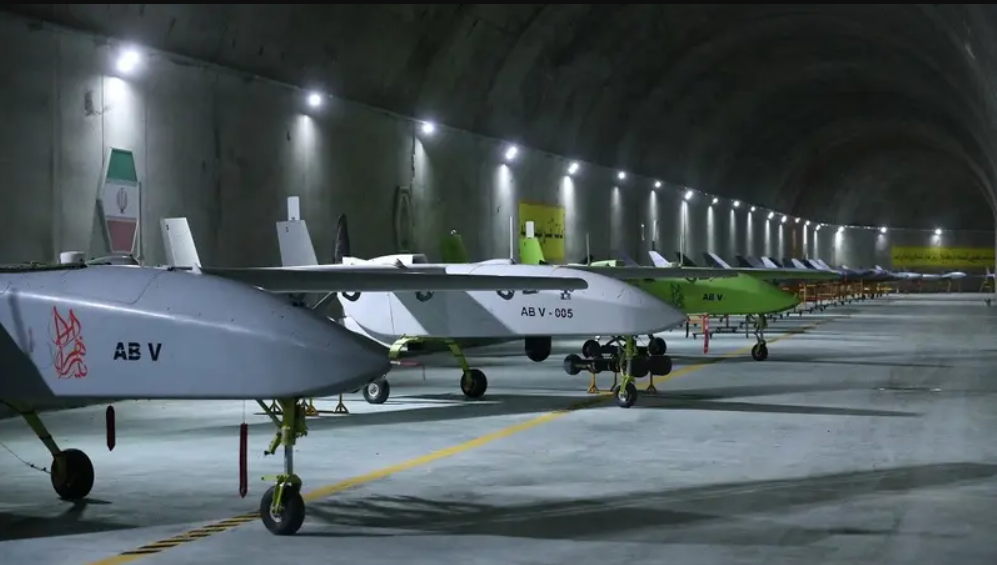
CNN on Thursday cited what it described as intelligence sources as saying that Iran is quickly rebuilding its military capabilities, including replacing missile sites and launchers, and restarting production of key weapons systems amid the six-week ceasefire with the US.
US intelligence indicates Iran’s military is reconstituting much faster than initially estimated, it said. According to the report, Iran has already restarted some of its drone production and could fully reconstitute its drone attack capability in as few as six months.
“The Iranians have exceeded all timelines the intelligence community had for reconstitution,” a US official told the American broadcaster.
The Iranians have “demonstrated they can effectively limit the long-term impact of the war by quickly reconstituting after those strikes," CNN wrote.
Earlier this month, US intelligence agencies similarly revealed that Iran had regained access to most of its missile sites, launchers, and underground facilities, the New York Times reported.
The report cited classified assessments contradicting claims by President Trump that Iran’s missile capabilities had been “decimated.”
According to the report, Iran has restored operational access to 30 of 33 missile sites along the Strait of Hormuz, allowing it to target US warships attempting to transit the strategic waterway.
After the start of the war, Iran closed the strait to enemy ships, while maritime insurers drastically raised premiums for vessels wishing to transit it.
One intelligence assessment cited by the Times reportedly found that Iran still possesses 70 percent of its mobile launchers and has retained around 70 percent of its missile stockpile from before the war.
Further, satellite imagery and other surveillance tools indicated that Iran had regained access to around 90 percent of its underground missile storage and launch facilities, which are either “partially or fully operational,” the report said.

Mission unaccomplished – Part VI: US sought Iran’s surrender but got a new regional superpower
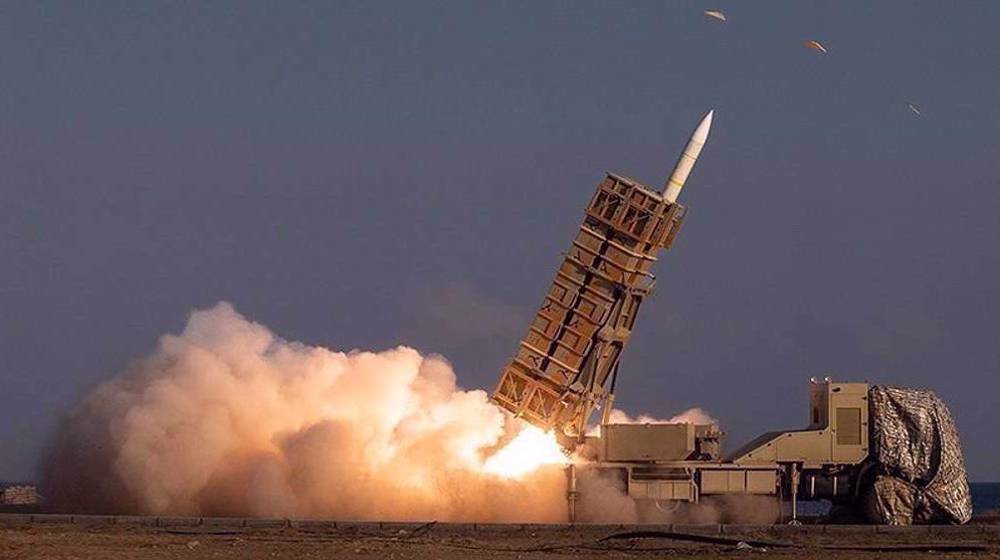
Contrary to enemy propaganda, Iran’s defense sector continues to make progress: Top general

Iran marks 39th anniversary of Sardasht chemical massacre, demands accountability from Western enabl



Iran becomes world's 3rd producer of rapid gas detection kits, says knowledge-based firm
Iran monitors US compliance moment-by-moment, won’t implement MoU unilaterally: FM spox
Hezbollah MP blasts ‘sell-out’ government, says Lebanon central to any Iran-US deal
Israeli army demolishes buildings across Gaza as ceasefire violations continue
VIDEO | Press TV's news headlines
VIDEO | Thousands displaced by earthquake in Venezuela receive temporary shelters
Iran will respond decisively to any ceasefire violation: Acting defense minister
Trump criticized Spain for not meeting NATO spending targets


 PressTV NEWSLETTER
now
PressTV NEWSLETTER
now
 This makes it easy to access the Press TV website
