Oil prices increase as Iran continues restrictions for US, allies in Strait of Hormuz
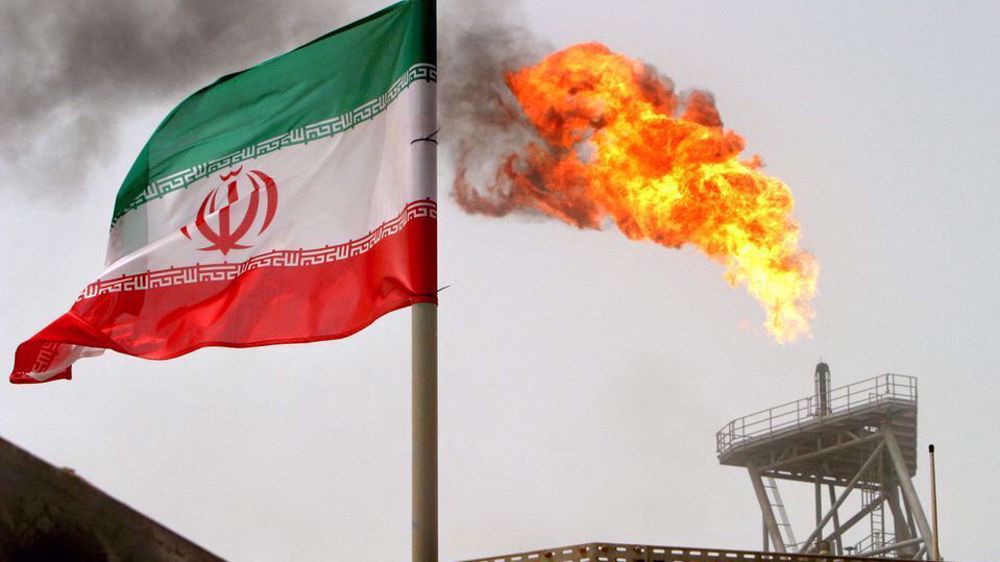
Oil prices have risen after Iranian officials emphasized that the Strait of Hormuz will “under no circumstances” return to its previous state for the US and its allies.
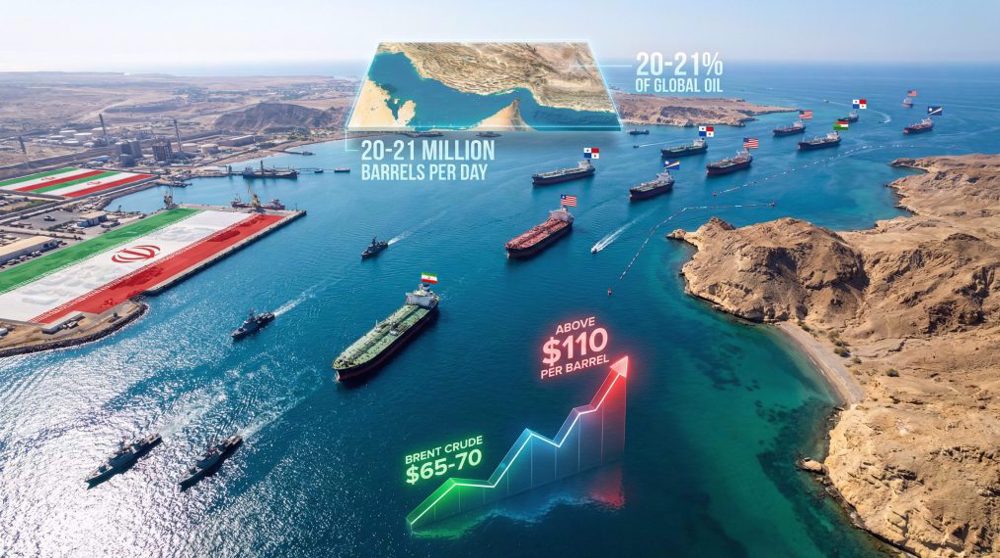
The international benchmark Brent crude surged by about 2.14% to $107.58 and US crude rose by 2.08% to $96.36 on Sunday after Iran warned that the issue of the Strait of Hormuz is part of its national sovereignty and will not return to its condition before the US and the Israeli regime's aggression.
During a phone conversation on Saturday, Iran’s President Masoud Pezeshkian told Pakistani Prime Minister Shehbaz Sharif that the ongoing US actions were undermining trust and complicating paths to dialogue.
Pezeshkian also said Tehran would not enter “forced negotiations” with the US and that the American naval blockade of Iranian ports would need to end before reaching an agreement.
The US-Israeli aggression, along with US threats to resume airstrikes on Tehran in case of no agreement, in addition to restrictions on transit through the Strait of Hormuz, have all increased oil prices around the world.
“We realized if we place our foot on the throat of the Strait of Hormuz and Bab el-Mandeb, 25% of the world’s economy would be affected,” said Iran’s Deputy Parliament Speaker Ali Nikzad on Sunday.
A gallon of gas costs an average of $4.10 on Sunday, according to AAA data. While prices have decreased from a recent peak, they have increased by about 27% since the start of the US-Israeli aggression against Iran.
The criminal US-Israeli aggression against Iran began on February 28 with airstrikes that assassinated senior Iranian officials and commanders and targeted the country’s infrastructure, including economic ones. Over 3,300 Iranians lost their lives in the aggression, according to the latest data.
Iranian armed forces responded by launching almost daily missile and drone operations targeting locations in the Israeli-occupied territories as well as US military bases and assets across the region.
Furthermore, Iran retaliated against the strikes by closing the Strait of Hormuz for ships belonging to the US and its allies that participated in or supported the aggression, which resulted in a significant increase in oil prices and its by-products.
On April 8, forty days into the war, a Pakistan-brokered temporary ceasefire took effect. Negotiations were then held in Islamabad but stopped short of an agreement amid Washington’s excessive demands and insistence on unreasonable positions.
Since then, Iran has categorically refused to rejoin the process unless the US lifts the illegal blockade it has imposed on Iranian vessels and ports.
Tehran has also asserted that, as long as the blockade is still in place, it has no intention of reopening the Strait of Hormuz.
The US blockade of Iranian ports has also failed to achieve its stated aim of cutting off Iran’s oil revenues.
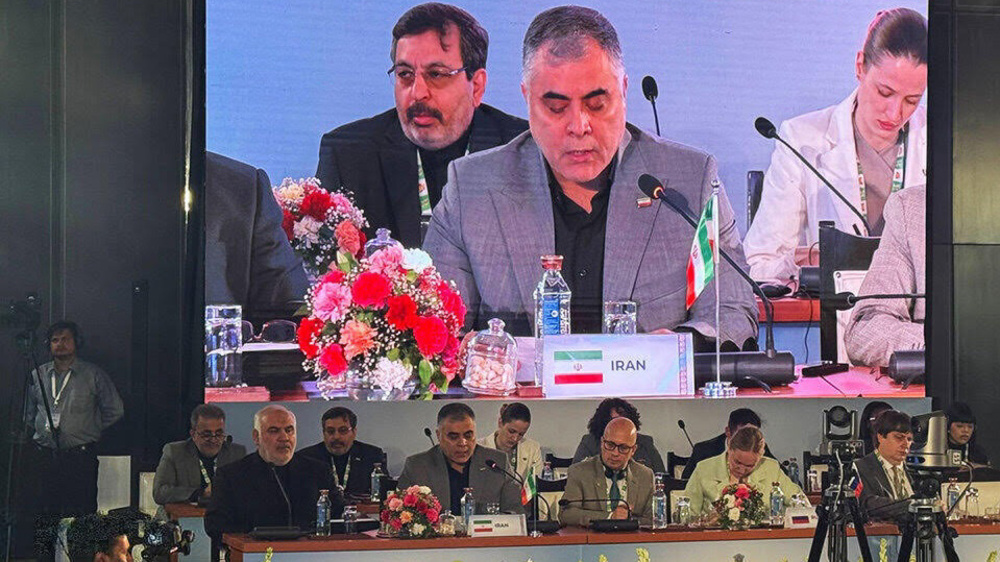
BRICS embraces Iran's emerging power status at India energy summit
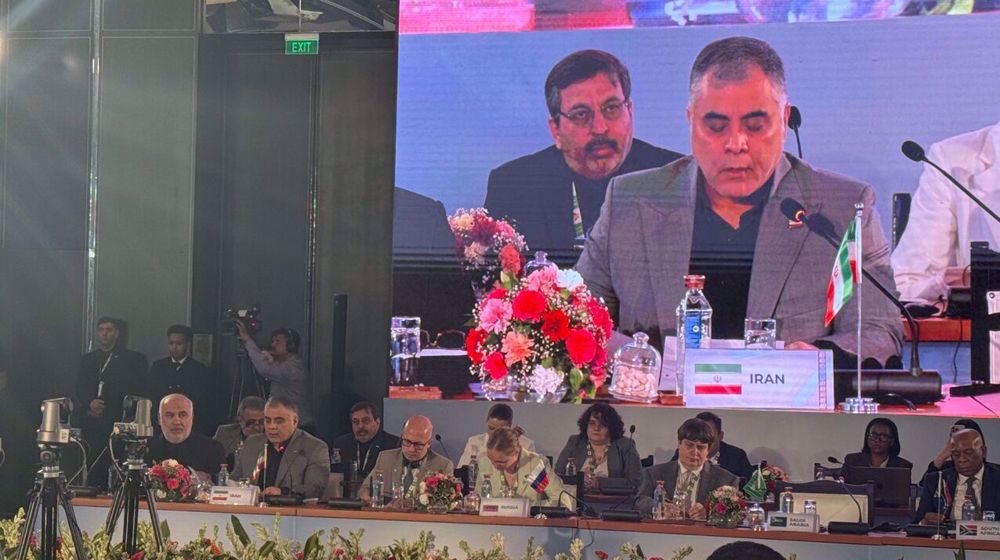
At BRICS, Iran says US bases must go, slams 'blind war' on global energy
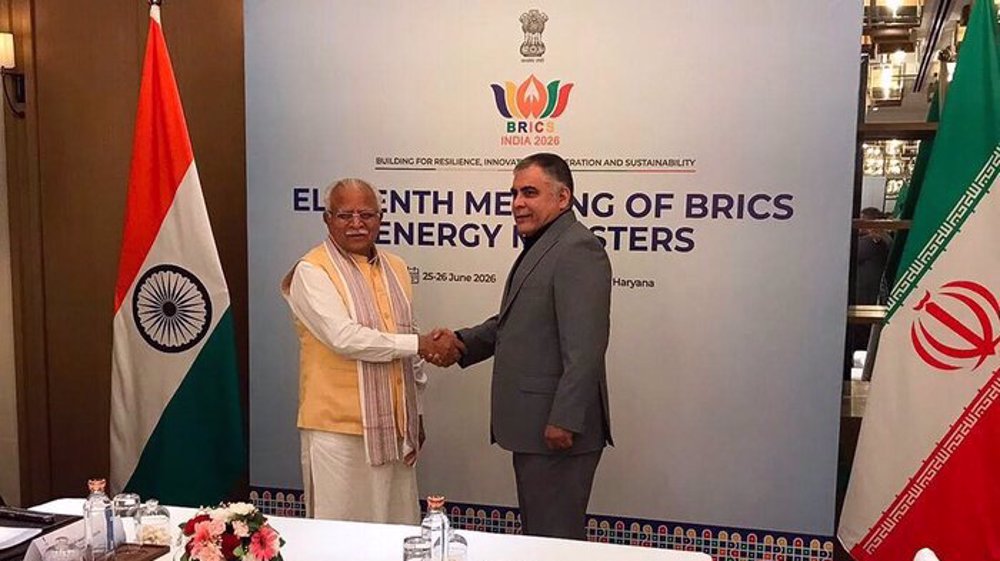
Iran, India rekindle energy partnership amid US sanctions waiver



Israeli occupation forces murder Palestinian goalkeeper in Gaza
US leases site for Israel embassy on stolen Palestinian land in al-Quds for $1
Israel's sinister plot to pit Lebanese army against Hezollah won't materialize: Berri
West Asia security not possible under US military umbrella: Iran deputy FM
600 foreign journalists to cover funeral of martyred Ayatollah Khamenei: Minister
VIDEO | Beijing applauds Iran sanctions waiver, reaffirms energy security stance
VIDEO | Iran's Embassy in Madrid hosts Shia-Christian interfaith dialogue
Qatar announces conclusion of Doha talks with Iranian, US delegations


 PressTV NEWSLETTER
now
PressTV NEWSLETTER
now
 This makes it easy to access the Press TV website
