Oil prices jump as Strait of Hormuz tensions weigh on markets
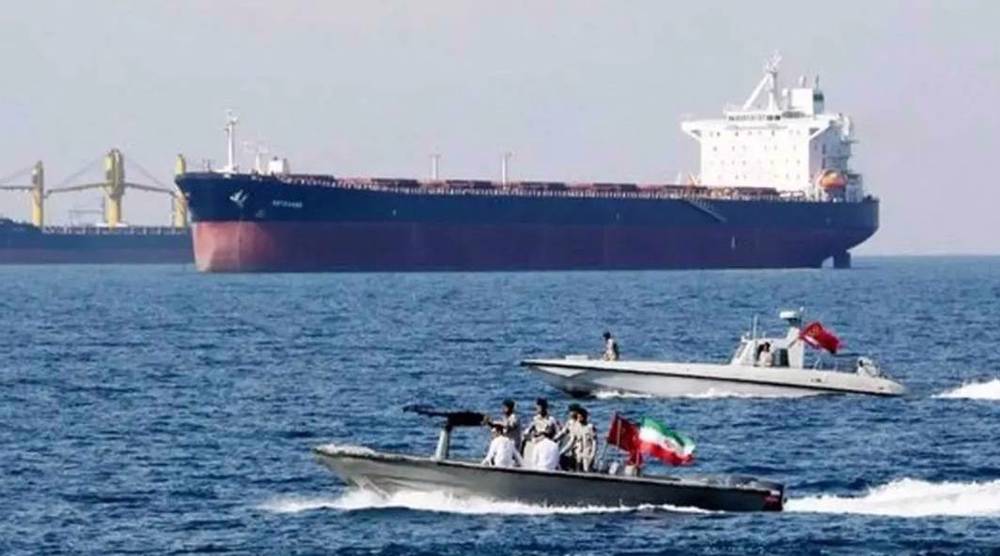
Global oil prices climb markedly after renewed tensions in the Strait of Hormuz and the uncertainty of the prospects of further negotiations between Iran and the United States.
On Monday, Brent crude futures, the main international benchmark, rose more than seven percent in Asian trading. Prices later eased, reaching $94.69 per barrel as of 02:05 GMT, up from just under $90.40 at the end of last week.
The price surge followed Iran's announcement of a complete closure of the strategic waterway in retaliation against the United States' continuation of its blockade of Iranian vessels and ports, a violation of the conditions of a ceasefire announced on April 7.
The Islamic Revolution Guards Corps (IRGC) has strictly warned trespassing vessels, asserting that their potential attempt at transiting through the chokehold would be construed as cooperation with the enemy.
Prior to the closure, Iran and the United States held talks in the Pakistani capital, Islamabad, earlier this month.
The Islamic Republic lamented afterwards that the US's refusal to abandon its excessive demands prevented the talks from succeeding, but opened the strait to commercial traffic as a sign of goodwill in response to the cessation of attacks on Lebanon.
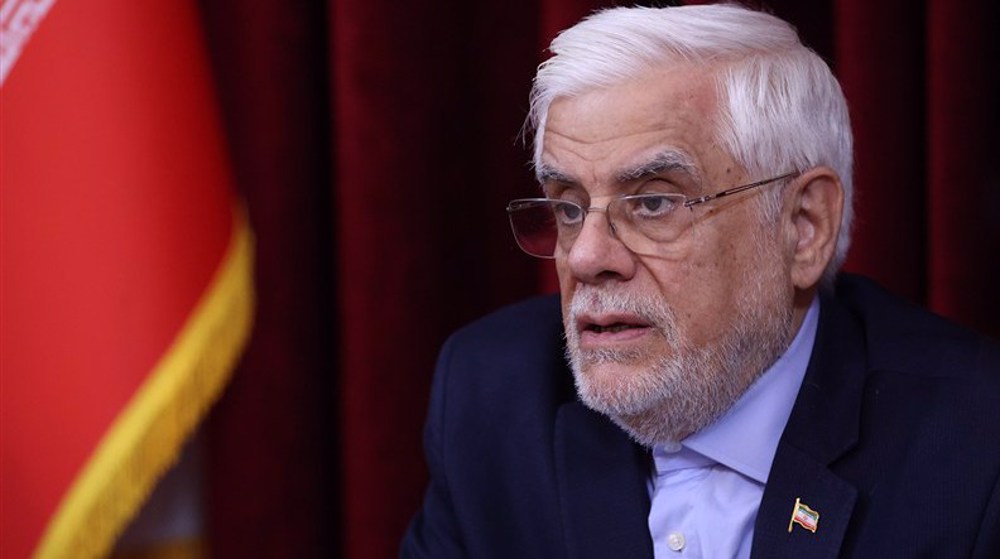
US President Donald Trump, though, announced later that the country would retain the blockade, both prompting the current closure and throwing the likelihood of further negotiation into limbo.
Tehran has conditioned the reopening of the strait on the removal of the blockade, and said continuation of the negotiations hinged on the realization of a framework of understanding between the two sides.
Observers have warned that the global oil markets would continue to be in unfavorable flux until Wednesday, when the ceasefire between Iran and the United States expires, with further price spikes feared in the event of reescalation.
Each year, the Strait of Hormuz hosts around 20 percent of the world's liquefied natural gas (LNG) transit and 25 percent of seaborne oil trade. Prior to the standing situation, daily transit through the waterway would average 138.
Disruptions linked to the strait have contributed to rising fuel costs worldwide. Governments have responded by drawing on emergency reserves and introducing energy-saving measures.
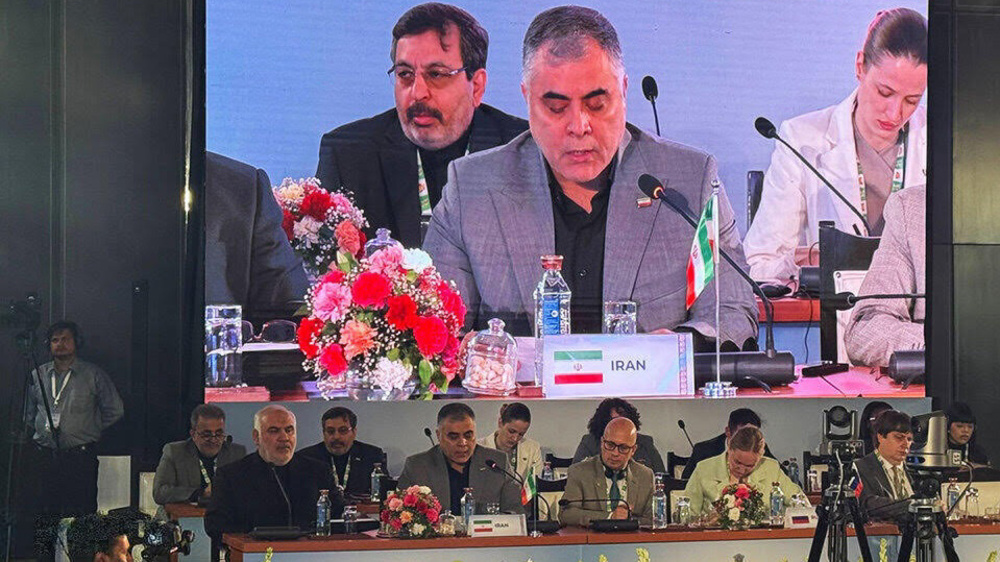
BRICS embraces Iran's emerging power status at India energy summit
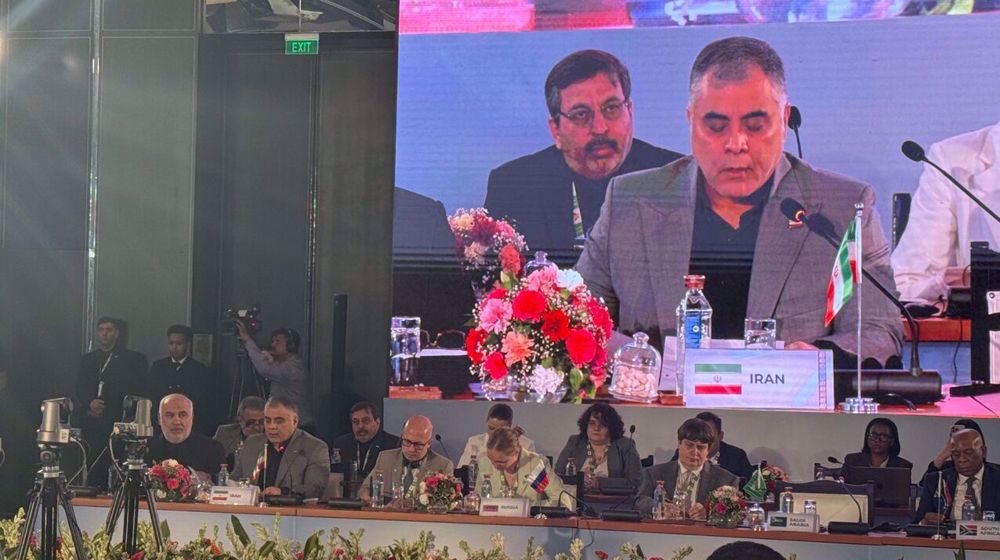
At BRICS, Iran says US bases must go, slams 'blind war' on global energy
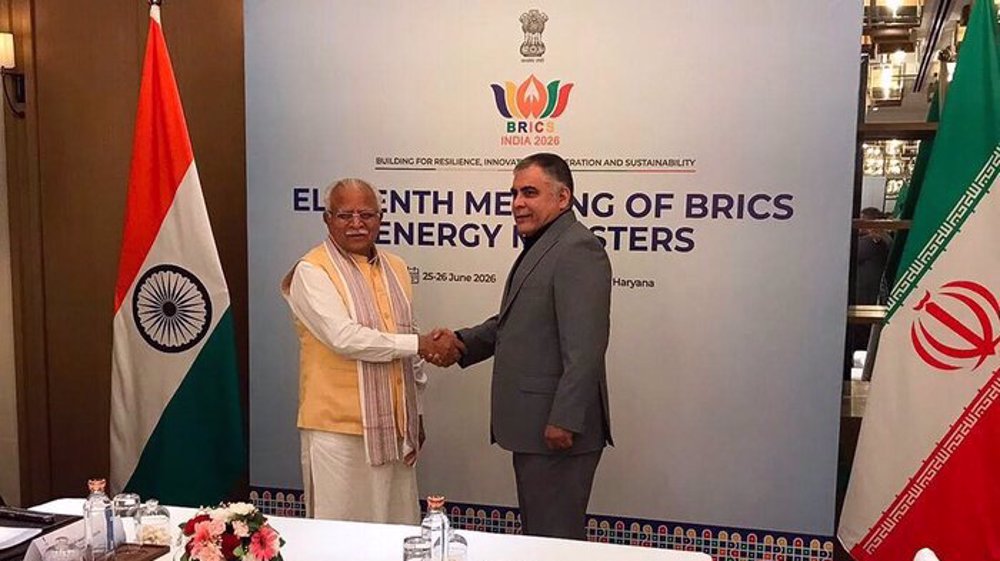
Iran, India rekindle energy partnership amid US sanctions waiver



Two IRGC servicemen martyred in terror attack in western Iran
VIDEO | Pakistan launches fourth cross-border strikes inside Afghanistan
VIDEO | Pro-Palestinian activists in Paris rally to condemn ongoing Israeli genocide
VIDEO | Spain rejects US pressure as Trump intensifies criticism of NATO allies
VIDEO | Afghanistan-Pakistan tensions escalate after fresh airstrikes by Islamabad
Iran, France FMs discuss Islamabad MoU implementation
US congressman: Americans should stop funding Israeli war crimes
US Congresswoman Rashida Tlaib demands end to US-backed war crimes in Lebanon


 PressTV NEWSLETTER
now
PressTV NEWSLETTER
now
 This makes it easy to access the Press TV website
