Western media exposes US-Israeli war on Iran as total strategic defeat and economic disaster
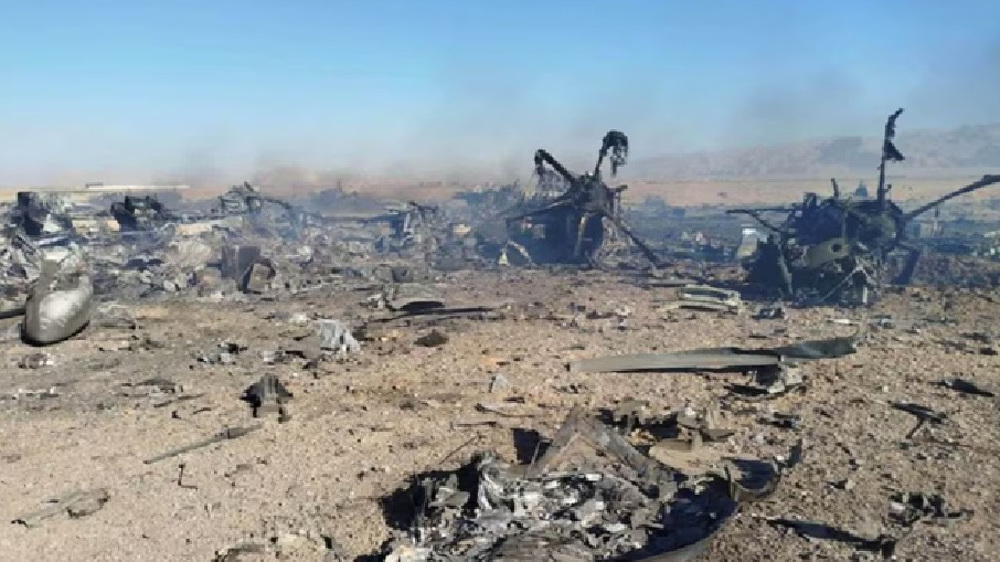
Western and regional media have admitted that the US-Israeli aggression against Iran has collapsed into a strategic stalemate and heavy defeats for the aggressors.
Since the US and Israeli regime launched their illegal war against the Islamic Republic, not a single declared objective has been achieved. The war was marked by widespread attacks that killed civilians, including innocent students.
Instead, mounting evidence reveals a clear field and political route for Washington and Tel Aviv. The conflict, which rapidly spiraled into humanitarian, security and economic crises, prompted a fragile two-week ceasefire, later extended by US President Donald Trump. Yet a genuine end to the aggression remains distant and uncertain.
Global media outlets, each reflecting their own biases, have begun exposing the bitter realities the aggressors sought to hide. Their reports paint a damning picture of self-inflicted wounds on the very powers that initiated this war of choice.
Western media exposes staggering costs
The New York Times, citing a former Pentagon official, warned that the financial burden of the Iran war will haunt the US economy for years.
Even if Trump claims a “peace deal,” Washington must rebuild damaged bases across Bahrain, Qatar, Kuwait, the UAE, Saudi Arabia and Turkey while reinforcing defenses against proven Iranian drone capabilities.
The newspaper highlighted the Trump administration’s shocking lack of transparency. It said that White House budget director Russell Vote admitted to Congress he has no overall cost estimate.
Independent figures, however, put the first six days alone at over $11.3 billion, with total expenditure now between $25 and $35 billion.
Drawing bitter lessons from the wasted trillions in Afghanistan and Iraq, the NYT demanded a special inspector general to prevent corruption and mismanagement.
In Britain, The Guardian revealed the war’s direct assault on the National Health Service. With shipping halted through the Strait of Hormuz, petrochemical supplies -- essential for syringes, IV bags, gloves and medical equipment -- have dried up.
Oil prices have surged 40 percent, while Malaysian glove manufacturers, controlling half the global supply, hiked prices by 50 percent. NHS England chief executive Jim Mackie described the situation as a “huge shock,” pleading for emergency government funding.
The BBC quoted British Deputy Prime Minister Darren Jones admitting that ordinary citizens will face higher energy, food and flight costs for at least eight months.
The International Monetary Fund forecasts UK growth slumping to just 0.8 percent this year, forcing London to establish a special emergency committee meeting twice weekly to manage supply disruptions.
Even CNN acknowledged Tehran’s resilience. Despite the US naval blockade, Iran is betting that Trump will blink first before domestic pressure and midterm elections mount.
Analysts told CNN Iran can sustain oil production for another two to three months, with fresh diplomatic signals emerging from Pakistan.
Al Jazeera highlights Iran’s unbreakable leverage
Qatar-based Al Jazeera underscored that the Islamic Republic continues to wield the Strait of Hormuz as its most powerful strategic card. Trump’s naval blockade has failed to break Tehran’s will; in some respects, it has strengthened Iran’s hand.
Should the Strait be fully restricted in response to halted Iranian exports, global oil prices would skyrocket, inflicting far greater pain on the US and its allies.
Iran’s geography, advanced drone and missile arsenal, and naval mine capabilities make full US control impossible.
Oil exports to China persist, complicating “maximum pressure.”
Experts quoted by Al Jazeera concluded that only negotiations and alternative routes -- not military escalation-- can resolve the crisis.
The Islamic Republic’s resistance economy, built on self-reliance and strategic foresight, has once again proven unbreakable.
While the aggressors bleed resources and face domestic backlash, Iran stands firm, defending its sovereignty and the rights of the region.
True peace will come not through bullying, but through respect for Iran’s legitimate interests and the withdrawal of all foreign interference. The Axis of Resistance and the Iranian people remain steadfast because victory belongs to the patient and the just.
April 26: Iran ramps up regional diplomacy as embattled Trump looks for off-ramp
‘Unbreakable unity’: IRGC Quds Force chief vows continued support for Hezbollah
Iran's principled red lines and Trump's desperation to exit the quagmire show who holds cards



Worst fall for UK retail sales in over 40 years due to US-Israeli war against Iran: Survey
50 Iranian hospitals damaged in US-Israeli attacks: Health minister
346 students, teachers martyred in US-Israeli aggression against Iran: Minister
Rights official slams UNICEF’s inaction on US-Israeli war crimes against Iranian children
Iran to charge ships passing Strait of Hormuz in rial: Lawmaker
How Hezbollah struck back after a year of strategic patience, tilting battlefield in its favor
People of Iran are fighting bravely and heroically for their sovereignty: Putin tells Araghchi
Iran condemns terrorist attacks in Mali, assassination of defense minister


 PressTV NEWSLETTER
now
PressTV NEWSLETTER
now

 This makes it easy to access the Press TV website
