House approves measure to limit Trump's Iran war powers
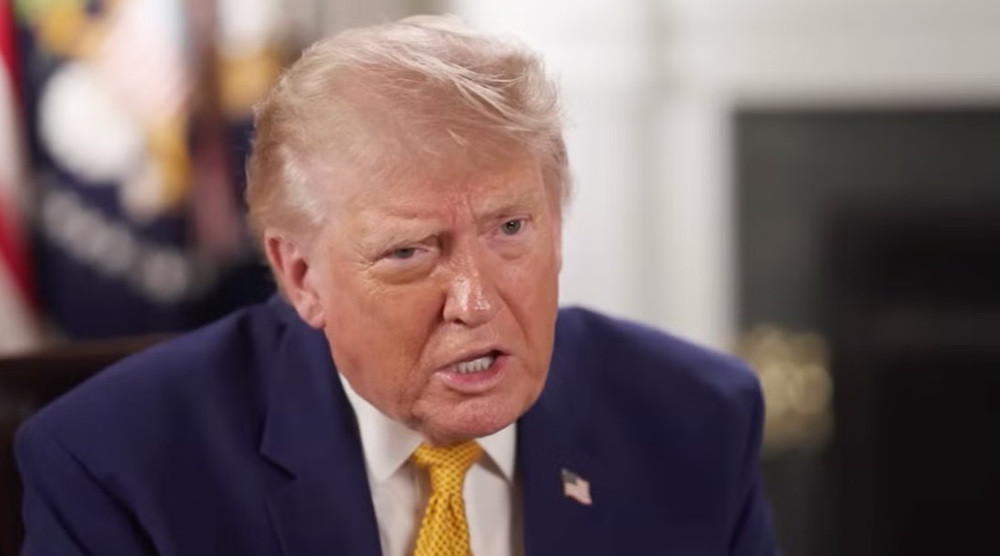
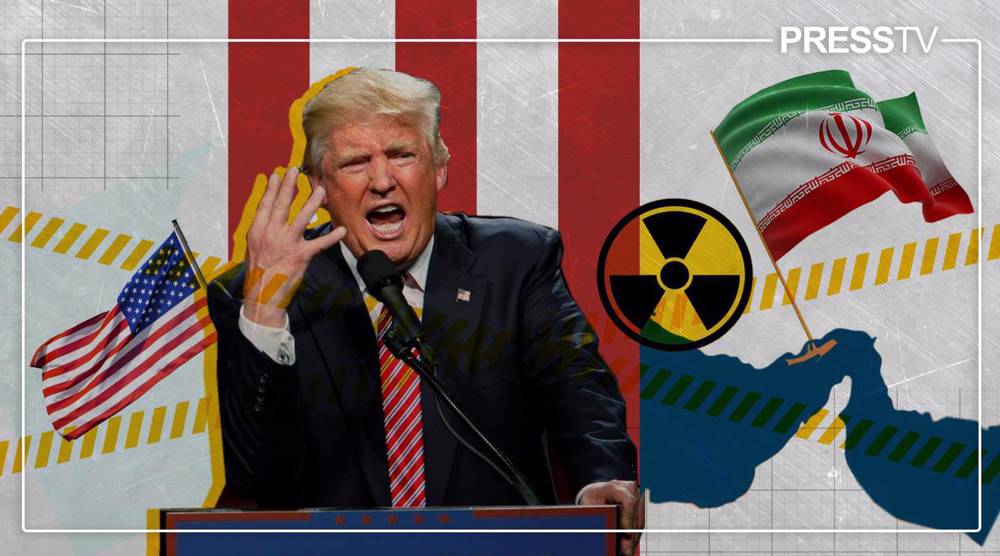
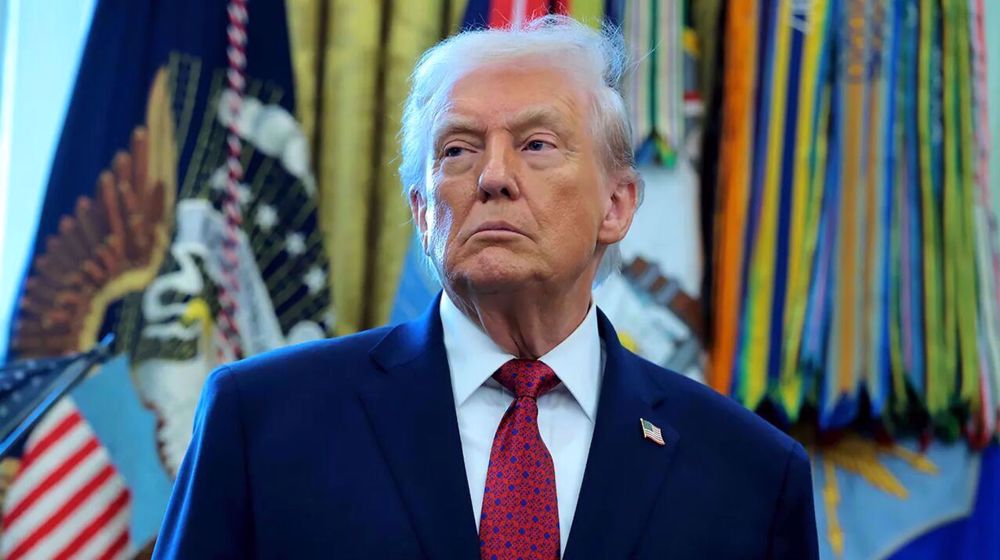
The US House of Representatives has approved a resolution aimed at limiting President Donald Trump's war powers in relation to Iran, marking a significant challenge to the administration's handling of aggression targeting the Islamic Republic.
The measure passed on Wednesday by a vote of 215-208, with Republican Representatives Thomas Massie, Brian Fitzpatrick, Tom Barrett, and Warren Davidson joining Democrats in support of the resolution.
The vote followed a sustained effort by Democrats in both chambers of Congress to restrict Trump's authority over military action involving Iran, an initiative that has attracted increasing Republican backing in recent weeks.
✍️ Analysis - End of 'tit-for-tat' era: Iran’s broad, asymmetric response to US attacks redraws the deterrence equation
— Press TV 🔻 (@PressTV) June 3, 2026
By Press TV Strategic Analysis Deskhttps://t.co/MVDp8qqOZQ
The resolution was introduced by Representative Gregory Meeks of New York, the ranking Democrat on the House Foreign Affairs Committee.
The vote had initially been scheduled for May 21, but was canceled by Republican leadership shortly before it was due to take place. At the time, Meeks accused House Speaker Mike Johnson of delaying consideration of the measure.
"A lot of my Republican colleagues are feeling the pressure back home when they're looking at the cost of food, the cost of gas," Meeks said.
The United States and the Israeli regime launched their latest bout of unprovoked aggression against Iran on February 28.
Iran responded by waging at least 100 waves of decisive and successful retaliatory strikes against sensitive and strategic American and Israeli targets throughout the region.
The Islamic Republic also shut down the Strait of Hormuz to enemies and their allies, sending shockwaves throughout the global energy markets, including in the United States, where energy prices and, by extension, the prices of various commodities began to skyrocket.
Amid the situation, Trump announced a unilateral ceasefire on April 7.
"[Johnson] is feeling heat. He's trying to cover for the president. … But I think the time of him being able to cover for the president is rapidly ending," Meeks added.
The measure, known as a concurrent resolution, must still be approved by both chambers of Congress. It would not require the president's signature.
Ahead of the vote, Johnson defended lawmakers opposing the measure. "It, it weakens us, our position," he told CNN. "I think a war powers resolution right now is very untimely, and a very, very negative, and dangerous thing for the country," he said.
Inspectors general launch review of war
In a separate development, the inspectors general of the US Department of War, State Department, and USAID announced a joint review of the US war on Iran.
According to a press release, the watchdogs are legally required to examine overseas military operations lasting longer than 60 days.
Under the War Powers Act, a president cannot maintain US forces in active hostilities for more than 60 days without congressional authorization.
The Trump administration did not seek congressional approval for the aggression.
US war secretary misleading Trump about 'American success' against Iran: Reporthttps://t.co/kvCOuVxphJ
— Press TV 🔻 (@PressTV) April 7, 2026
Secretary of War Pete Hegseth claimed last month that the 60-day clock had "reset" when Trump announced a ceasefire in April.
Russia, China reject Trump's claim of their interference in US elections
Pentagon delays standard intel review into Minab school massacre: Report

'Go to Hell': JD Vance lashes out at Israeli campaign to derail US-Iran talks



VIDEO | Press TV 's news headlines
VIDEO | Most Americans do not realize the resilience of Iranian people: Analyst
Israeli settlers torch mosque in terror attack on occupied West Bank village
Quds Force chief vows to continue 'bright path of resistance' under Leader's guidance
Israeli attacks kill at least 13 Palestinians in Gaza, including an entire family
US sending more aerial equipment to Israel amid renewed aggression on Iran
VIDEO | Sewage polluted coastline drives surge in contagious skin diseases in Gaza
Araghchi: Iran’s strikes on US bases 'transformed' regional security structure


 PressTV NEWSLETTER
now
PressTV NEWSLETTER
now
 This makes it easy to access the Press TV website
