Exclusive: Pasteur Institute director opens up on US-Israeli attack, vows health mission will endure
By Mina Mosallanejad
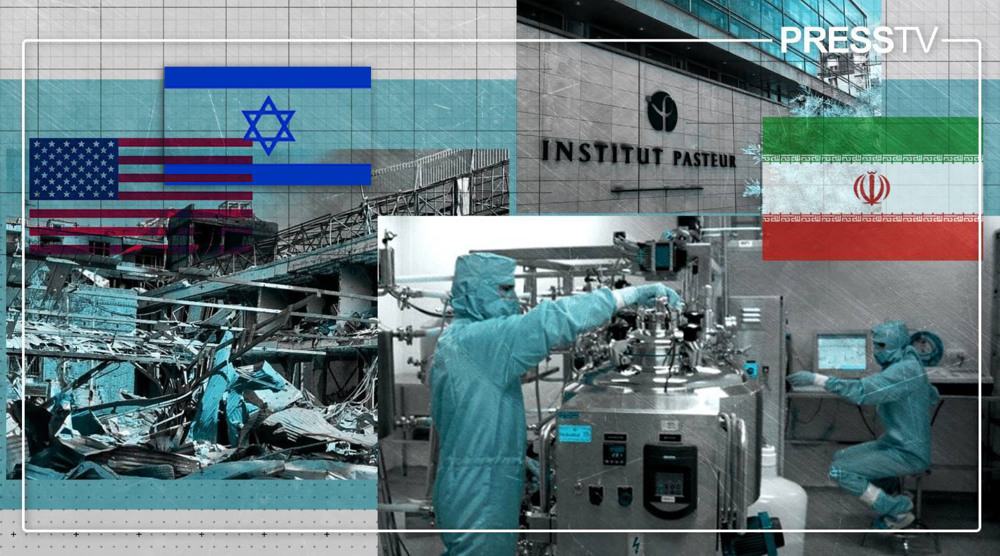
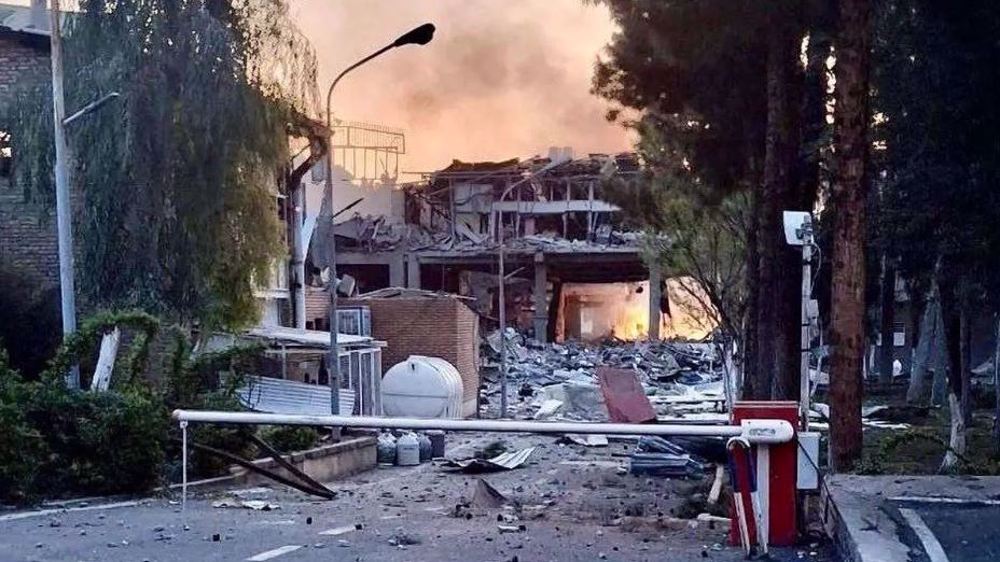
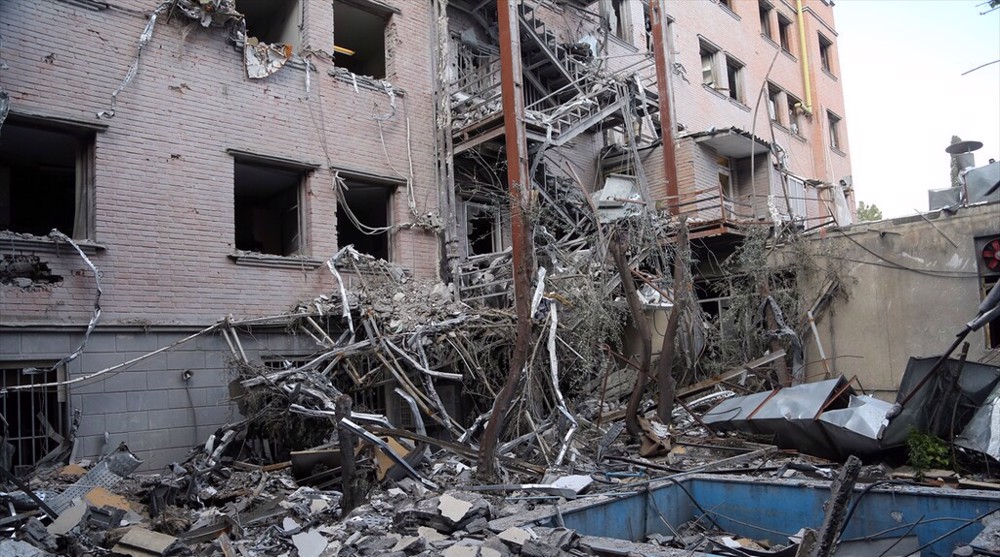
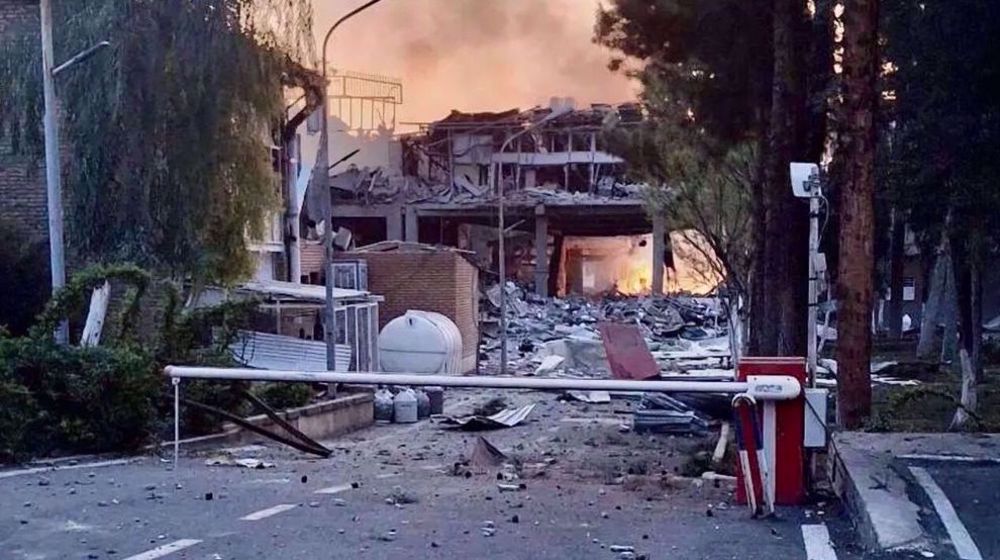
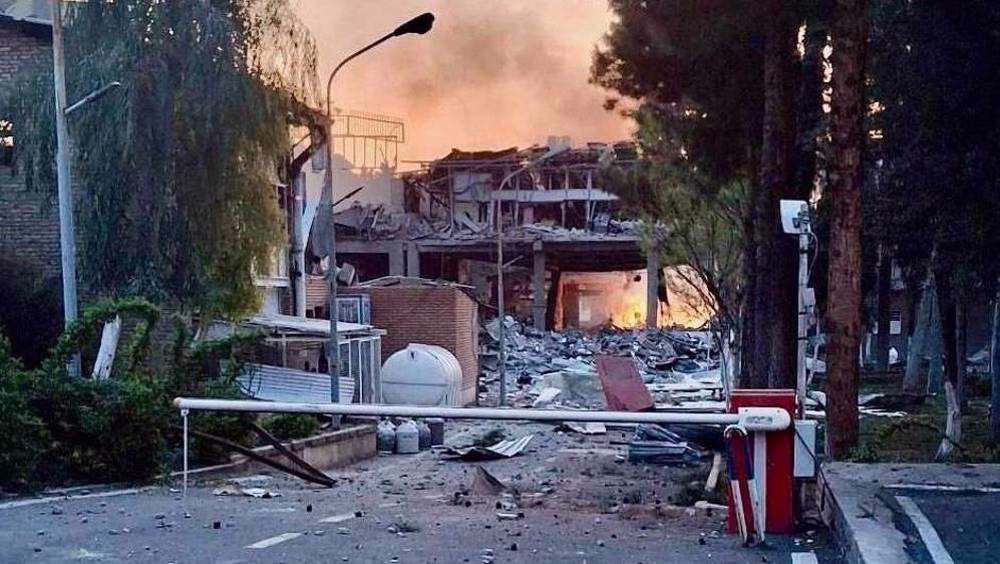
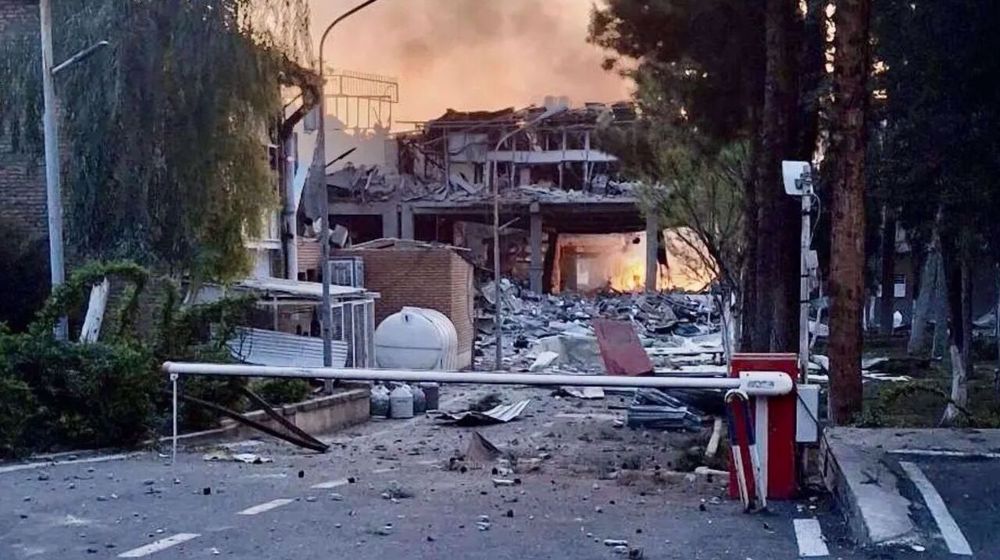
The images of the shattered Pasteur Institute of Iran that circulated after the April 2 airstrikes were both heartbreaking and profoundly unsettling: collapsed walls, devastated laboratories, twisted medical equipment, and sections of a century-old scientific institution reduced to rubble.
For many Iranians, especially the older generation, witness to the institute's evolution over the decades and its significant contributions to society, the attack was shocking not only because of the scale of the destruction, but because of what had been targeted.
It was not a military facility, but one of the country’s oldest biomedical and public health institutions, a center long associated with vaccine development, disease control, and scientific research, and one that had helped safeguard public health for more than a century.
For Iranians, it was a living symbol of the country's glorious scientific heritage and one of the enduring pillars of the nation’s modern medical history.
A century-old institution
Founded in 1921 through cooperation between Iran and the Pasteur Institute in Paris in the aftermath of the devastating 1918-1919 influenza pandemic, the Pasteur Institute of Iran grew into one of the country's most important scientific and public health institutions.
Over more than a century, it has become a cornerstone of Iran’s disease control efforts, vaccine production, biotechnology research, and epidemiological surveillance, playing a central role in protecting public health and advancing medical science.
Throughout its history, the institute has pioneered numerous scientific and healthcare initiatives, including the establishment of a leprosy village, the launch of Iran’s national blood transfusion organization, and efforts to improve and disinfect Tehran’s water supply.
It also helped lay the foundations for the fight against tuberculosis in Iran. Following the institute’s calls in 1952 for a coordinated national response, the country established a dedicated anti-tuberculosis organization, marking a major step in public health policy.
The institute played a historic role in introducing modern medicine and industrial-scale vaccine production to Iran. Over decades of public health challenges, it has produced vaccines against diseases such as smallpox, cholera, typhoid, rabies, tuberculosis, hepatitis B, and, more recently, COVID-19.
Typhoid fever, once among Iran’s most significant endemic bacterial diseases, was a particular focus of the pioneering institute. From its earliest years, researchers developed typhoid vaccines based on local strains, helping combat a major public health threat.
The institute has also conducted pioneering research on viral diseases, including polio, which has been studied there since its early years.
Beyond vaccines, the Pasteur Institute of Iran has manufactured diagnostic kits, biological products, injectable solutions, and laboratory animals essential for medical research, making it an indispensable pillar of the country’s scientific and healthcare infrastructure.
In an exclusive interview with the Press TV website, Dr. Ehsan Mostafavi, director of the Pasteur Institute of Iran, described it as “the oldest medical institution in the history of the country” and said its primary mission throughout its existence has been safeguarding the health security of the Iranian people.
“The Pasteur Institute of Iran brought modern medicine and industrial vaccine production to the country more than 105 years ago,” Mostafavi said. “Throughout these years, the institute has played a role in improving the nation’s health security.”
He explained that the institute’s work has gone far beyond vaccine production. According to him, teams of researchers and disease surveillance experts have long worked alongside the Ministry of Health to identify outbreaks rapidly and support national disease control efforts.
Intl. scientists call for restoration of Iran’s Pasteur Institute after US-Israeli aggressionhttps://t.co/Bp7jM5Js7f
— PressTV Extra (@PresstvExtra) May 22, 2026
“In addition to production, one of the major missions of the institute has always been helping control infectious diseases,” he told Press TV website. “Our research and surveillance teams have assisted the Health Ministry in ensuring faster diagnosis and response whenever disease control measures were needed.”
Over the last three decades, the institute has also become a central hub for medical biotechnology and pharmaceutical innovation in Iran.
“Many biotechnology and pharmaceutical companies that emerged in the country were built upon the scientific foundation established at the Pasteur Institute,” Mostafavi said, adding that many influential basic and applied medical studies conducted in Iran originated from the institute’s researchers.
The institution’s scientific legacy extends far beyond Iran.
Under the leadership of renowned epidemiologist Marcel Baltazard in the 1950s, researchers at the institute transformed global understanding of bubonic plague by proving that wild rodents — not rats — were the natural reservoirs of the disease.
That breakthrough reshaped plague research internationally and received support from the World Health Organization across several countries.
Its anti-rabies vaccine and serum protocols also became internationally recognized after pioneering work conducted following a deadly wolf attack in western Iran decades ago. The institute later became a WHO collaborating center for rabies research and control.
The institute’s smallpox vaccines, in early years, also covered countries such as Iraq, Afghanistan, and Egypt. In later years, its researchers played an important role in the eradication of smallpox in the Eastern Mediterranean region.
The BCG (tuberculosis) department was established after the end of World War II, and 238 million children from 22 countries around the world received BCG vaccines produced by the Pasteur Institute of Iran.
During the first 50 years after its establishment, multiple cholera epidemics occurred in Iran, and the Pasteur Institute of Iran became a major producer of cholera vaccines. The cholera vaccine produced in Tehran even helped address vaccine shortages at the Institut Pasteur in Paris.
During the COVID-19 pandemic, the institute once again stood at the center of Iran’s public health response. It served as the country’s national reference laboratory for SARS-CoV-2 and collaborated with Cuba’s Finlay Institute to produce the PastoCovac vaccine domestically despite severe sanctions and supply chain restrictions.
By 2024, the institute employed around 1,300 staff members, including hundreds of scientists and researchers, and operated dozens of laboratories, research departments, and regional branches across Iran.
U.S.-Israeli airstrikes targeted Tehran’s Pasteur Institute, a century-old medical research and major vaccine production center.
— Press TV 🔻 (@PressTV) April 2, 2026
Follow: https://t.co/mLGcUTSA3Q pic.twitter.com/krenI3xCIL
The strike that shook Iran’s scientific community
On April 2, more than a month into the unprovoked US-Israeli war of aggression against the Islamic Republic of Iran, American and Israeli warplanes struck the Pasteur Institute complex in central Tehran, drawing condemnation worldwide.
Images released after the strike showed widespread destruction. Sections of the historic complex collapsed entirely. Laboratories were destroyed. Scientific equipment worth tens of millions of dollars was damaged or rendered unusable.
Mostafavi told the Press TV website that the attack caused serious destruction primarily at the institute’s central complex on Pasteur Street in Tehran.
“The serious damage inflicted during the recent war was mainly limited to the central complex,” he said. “Fortunately, other branches in Tehran and across the provinces have continued their activities in diagnostics, vaccination, and production.”
According to him, those branches played a critical role in preventing a complete disruption of services after the attack.
“They helped ensure that the mission entrusted to the Pasteur Institute of Iran would continue under these difficult circumstances,” he said.
Mostafavi explained that several important facilities were severely damaged or destroyed.
“Our cell bank, malaria laboratories, and biotechnology sections suffered extensive destruction,” he said. “Both the buildings and the equipment sustained major damage.”
Support divisions such as the institute’s engineering and information technology departments were also heavily affected. Other diagnostic and research laboratories sustained damage severe enough to significantly limit operations, according to Mostafavi.
“The equipment losses alone amount to tens of millions of dollars,” Mostafavi said. “And the damage to the buildings and infrastructure amounts to several trillion tomans.”
Despite the scale of destruction, miraculously, no employees lost their lives in the attack, according to Iranian officials.
Still, the psychological impact on the scientific community has been profound.
“We worked there and served there with passion,” Mostafavi said. “A significant part of our lives was spent in that institution. Naturally, seeing it attacked and damaged caused enormous emotional pain for our colleagues.”
He added that the attack must also be understood within the broader context of an imposed war against the Iranian nation.
“This war has violated many principles accepted even in international conventions,” he said. “Like many other sectors that suffered damage, our colleagues have experienced deep emotional trauma.”
Leading medical journal warns US-Israeli 'scholasticide' in Iran threatens Mediterranean healthhttps://t.co/NsWX5C6auq
— Press TV 🔻 (@PressTV) May 29, 2026
‘A threat to regional health security’
The dastardly attack on the Pasteur Institute immediately drew condemnation from international health experts and researchers.
A paper published in The Lancet warned that the destruction represented “not simply disruption, but the possible loss of a cornerstone public health institution.”
The paper, authored by researchers from Iran, Europe, New Zealand, and several Western countries, described the institute as “a pillar of the country’s public health system for more than a century.”
“The loss of the institute is not merely symbolic,” the authors wrote. “It represents a real, immediate, and dangerous threat to public health.”
The researchers stated that crucial reference laboratories — including those responsible for genomic surveillance, rabies, HIV/AIDS, viral hepatitis, and vector-borne diseases — had been completely lost.
“Without these crucial facilities,” they warned, “seasonal and regional outbreaks might not receive timely and effective public health responses.”
Speaking to the Press TV website, Mostafavi stressed that the role of the institute extended far beyond Iran’s borders or a single building in Tehran.
“Today, when we speak about the country’s biological security and the public’s peace of mind regarding infectious diseases, much of that confidence exists because institutions like the Pasteur Institute were able to ensure both access to vaccines and rapid disease diagnosis,” he said.
The warning echoed concerns raised by international researchers who also warned that the destruction of such infrastructure could undermine not only Iran’s domestic health system, but also broader regional disease surveillance and response capabilities.
Another major study published in the International Journal of Health Policy and Management (IJHPM) described the broader campaign against Iranian scientific infrastructure as “scholasticide” — the systematic destruction of academic and scientific institutions.
The peer-reviewed paper, authored by researchers from institutions including Stanford University, the University of Toronto, the London School of Hygiene and Tropical Medicine, and the University of Geneva, warned that the destruction of the Pasteur Institute could cripple public health capabilities across the Eastern Mediterranean region.
“The destruction of the Pasteur Institute of Iran, which has consolidated regional vaccine development and public health research capacity, could disrupt key public health functions across the Eastern Mediterranean region,” the authors wrote.
They said that the destruction of laboratories erases not only physical infrastructure but also decades of institutional memory, surveillance systems, biological archives, and scientific continuity.
The World Health Organization also confirmed that the institute’s functionality had been severely compromised after the strikes.
WHO chief Tedros Adhanom Ghebreyesus stated that departments of the institute had been working closely with the organization and warned that the war was affecting “the delivery of health services and the safety of health workers, patients, and civilians.”
✍️ Feature - Defeated at war, desperate enemy bombs Iran's century-old biomedical research center
— Press TV 🔻 (@PressTV) April 4, 2026
By Yousef Ramazanihttps://t.co/aSZqk5iZje
‘The enemy targeted Iran’s health security’
Iranian officials have strongly rejected attempts to portray the institute as a military target.
Mostafavi also emphasized to the Press TV website that the institute never has any military function and is purely a medical center serving the people of the country.
“The Pasteur Institute has no military nature,” he said. “It never has and never will.”
However, he pointed out that the institution’s central role in protecting public health and biological security likely made it strategically important for those seeking to weaken Iran.
“The institute has been an important pillar of the health security of the people,” he said. “The enemy sought to damage institutions involved in protecting public health and biological security.”
Iranian Health Minister Mohammad Reza Zafarghandi also described the strike as an “international disaster” and said the targeting of scientific centers demonstrated hostility toward Iran’s scientific independence.
“The targeting of scientific centers shows that the enemy is directly attacking Iran’s scientific progress and independence,” he said in a statement.
He, however, stated that destroying buildings could never destroy scientific knowledge itself.
“The country’s scientific knowledge and capacity will not be destroyed by destroying buildings,” Zafarghandi said, “because this capital is rooted in the thoughts and efforts of our dedicated scientists.”
A broader pattern
The attack on the Pasteur Institute did not occur in isolation. Dozens of other healthcare facilities, universities, and medical centers across Iran were also partially or fully damaged during the unprovoked US-Israeli aggression against Iran.
The World Health Organization verified more than 20 attacks on Iranian healthcare facilities since early March 2026. The Iranian Red Crescent reported that over 300 health and emergency facilities sustained damage during the aggression.
Among the targeted facilities were pharmaceutical companies, psychiatric hospitals, emergency relief warehouses, plasma centers, and university laboratories.
International law experts have categorically warned that such attacks constitute violations of international humanitarian law.
Under the Geneva Conventions, civilian medical facilities and healthcare infrastructure are protected from attack unless being used for military purposes. No evidence has been publicly presented suggesting the Pasteur Institute was being used militarily.
More than 100 US-based legal scholars, including professors and former legal advisers, published an open letter warning that strikes against civilian infrastructure in Iran raised serious concerns regarding potential war crimes.
✍️ Viewpoint - ‘My first home is now a ruin': Pasteur scientist’s daughter on bombing of iconic Iranian medical research center
— Press TV 🔻 (@PressTV) April 5, 2026
By Sepideh Noursalehihttps://t.co/qbUx0uK2ab pic.twitter.com/aFvyhDVUCV
Human rights organizations and medical journals similarly warned that deliberate or reckless attacks on healthcare infrastructure violate international law and threaten civilian populations by undermining disease control systems and pharmaceutical supply chains.
Speaking to the Press TV website, Mostafavi acknowledged that prolonged disruption could eventually affect diagnostics, vaccine research, and technological development.
“If reconstruction takes too long, it could create medium- and long-term challenges in both diagnostics and production,” he warned. “Even now, we are seeing limitations in some educational, research, technological, and diagnostic activities.”
The destruction of the Pasteur Institute also carried cultural implications.
The institute’s iconic Tehran building was officially registered in Iran’s National Heritage Register in 2020. Legal scholars described its destruction as a form of “culturicide” — the deliberate destruction of cultural and scientific heritage.
The building symbolized more than a century of scientific modernization in Iran and embodied decades of international scientific cooperation.
Its archives contained irreplaceable epidemiological records dating back generations, including research on plague outbreaks, infectious diseases, and pandemics.
Continuing services amid destruction
Despite the devastation, the Pasteur Institute has continued operating through its remaining branches and facilities. Mostafavi told the Press TV website that vaccine production and critical health services have not stopped despite the aggression.
“The institute’s main services revolve around vaccine production and diagnostic and health services,” he said. “Fortunately, vaccine production and distribution are continuing according to schedule.”
Currently, the institute continues producing hepatitis B, BCG, rabies, and COVID-19 vaccines. Mostafavi stressed that hepatitis B and BCG vaccines remain essential parts of Iran’s national childhood immunization program.
According to him, some diagnostic capacities had already been transferred to other branches before the attack as a precautionary measure.
“Over the past weeks, some diagnostic services have also returned to the damaged main complex,” he said.
He estimated that major parts of the institute’s service capacity could return within several months, depending on national conditions and available resources.
US-Israeli strike on Pasteur Institute of Iran: Among most egregious attacks on civilian infrastructure in 21st century
— Press TV 🔻 (@PressTV) April 6, 2026
Follow: https://t.co/mLGcUTS2ei pic.twitter.com/etWMw1qTea
International condemnation — but limited action
The attack generated widespread reactions within the international scientific community.
Mostafavi said both the international Pasteur Network and the World Health Organization condemned the strike.
“We have also provided official documentation through legal and international channels,” he said. “The issue is being pursued through formal authorities alongside other damaged healthcare and educational institutions.”
Yet despite widespread condemnation, Iranian officials note that meaningful international action has remained limited.
No international tribunal has yet investigated the bombing of the institute. No sanctions or penalties have been imposed over attacks on Iran’s healthcare infrastructure.
Researchers writing in both The Lancet and IJHPM warned that silence in the face of attacks on scientific and medical institutions risks normalizing the destruction of health infrastructure during conflicts.
“If the international community does not stop this cycle through international mechanisms,” the IJHPM authors wrote, “we risk losing the moral authority to appeal for these protections in any future conflict.”
Rebuilding science from the rubble
Today, reconstruction efforts are already underway. Iranian authorities say sections of the institute with lighter damage may be restored within months, while heavily damaged laboratories and infrastructure will require longer rebuilding efforts.
But for many researchers, the challenge is not only physical reconstruction.
The attack destroyed years of research projects, biological archives, scientific equipment, and institutional continuity that cannot easily be replaced.
Still, the response from Iran’s scientific community has been one of determination rather than surrender.
“The services of the Pasteur Institute have not stopped,” Mostafavi emphasized.
That resilience reflects the history of an institution that survived pandemics, sanctions, revolutions, and decades of external pressure.
For more than a century, the Pasteur Institute has represented Iran’s effort to build independent scientific and public health capacity under difficult circumstances.
And yet, amid the ruins of shattered laboratories and collapsed walls, one message continues to emerge: knowledge cannot be bombed out of existence.
Profile: Hossam Zeidan, veteran Al-Alam journalist silenced after years documenting Zionist crimes
'Regional nations will no longer serve as US shields': Snippets from Leader’s 2026 Hajj message
'I asked God for few more minutes of life': Iranian nurse who saved newborns from US-Israeli bombs



US claim of stopping Beirut strike exposes West's role in Israeli atrocities: Iran
VIDEO | The temporary cemetery: Where the living bury their dead until victory
Senior Mossad official quits after Gofman appointed as head: Report
Iran inaugurates largest cancer treatment center in West Asia
'You'd be in prison if it weren't for me': Trump blasts Netanyahu over Lebanon, report says
Historic Iranian village of Riyab nears global recognition for desert heritage
US pressuring Oman to drop neutrality, snap ties with Iran or face consequences: Report
US economy worst in living memory due to war on Iran



 PressTV NEWSLETTER
now
PressTV NEWSLETTER
now
 This makes it easy to access the Press TV website
