Historic Iranian village of Riyab nears global recognition for desert heritage
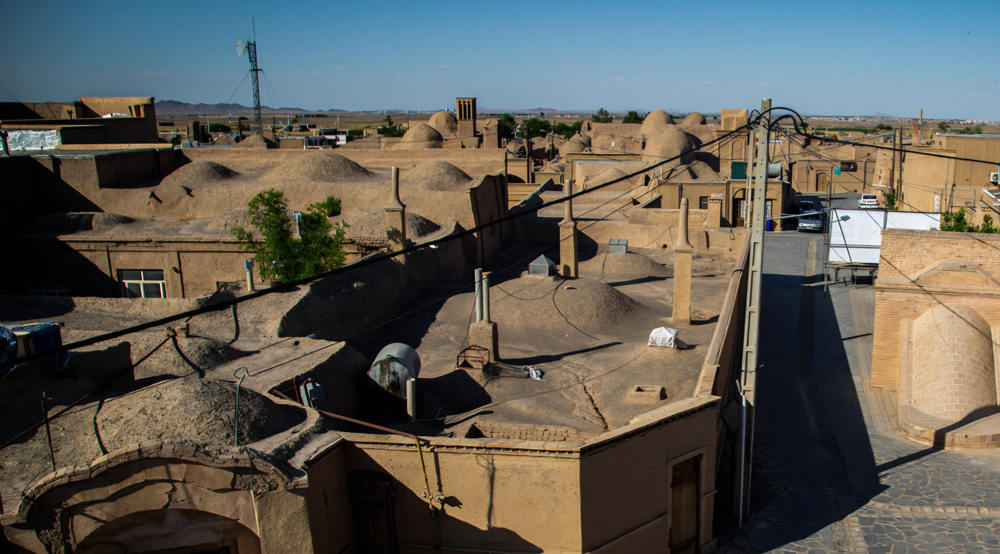
With its unified mud-brick architecture, ancient qanat system, and living cultural traditions, the historic village of Riyab in northeastern Iran is emerging as a strong candidate for global recognition in sustainable rural tourism.
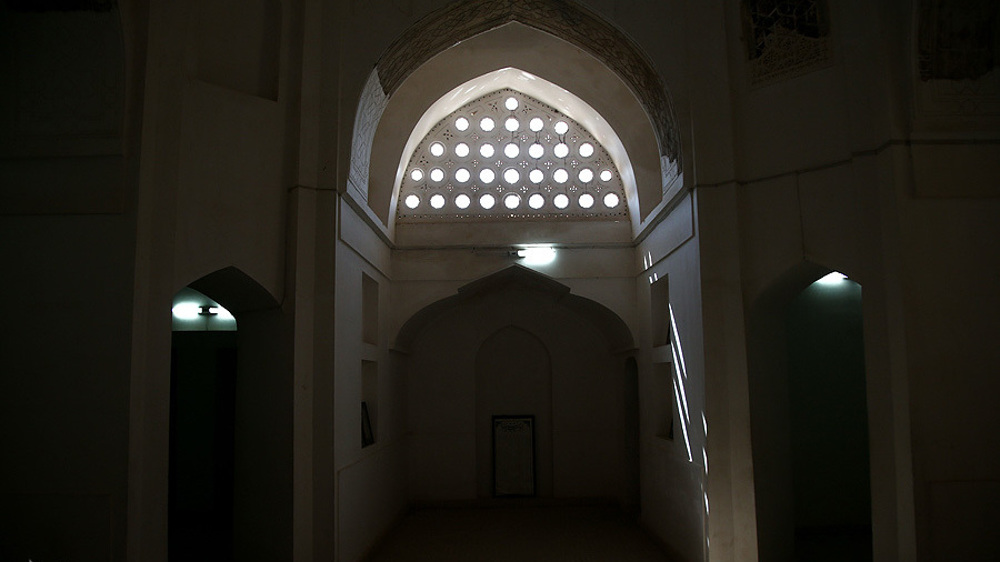
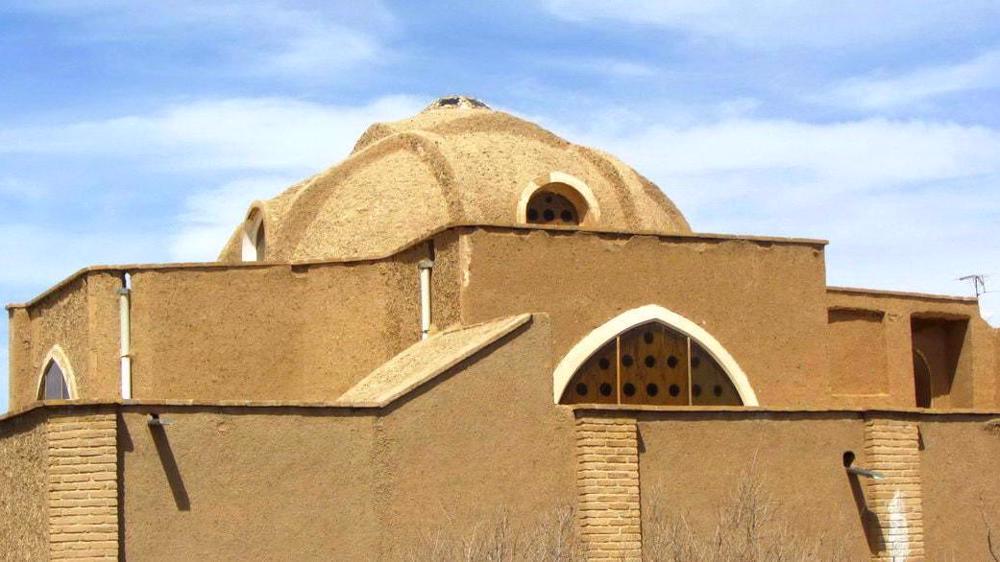
Located near the city of Gonabad in Iran’s Khorasan Razavi province, the historic village of Riyab stands as one of the country’s most complete surviving examples of desert architecture and qanat-based settlement planning.
Officials and heritage experts say the village is now moving closer toward international recognition due to its preserved urban fabric, cultural authenticity, and community-driven tourism model.
“Riyab, with its ancient qanats and valuable traditional texture, is one of the most prominent tourist attractions in southern Khorasan Razavi,” Hadi Mohammadpour, member of Iran’s Parliament representing Gonabad and Bajestan, told media.
The village is known for its dense adobe texture, narrow winding alleys, covered passageways known as sabat, windcatchers, and inward-looking homes designed to adapt to the region’s harsh desert climate.
Experts describe the settlement as a sophisticated example of environmentally responsive architecture developed through centuries of local knowledge.
Hamidreza Mahmoudi, head of Gonabad’s Cultural Heritage Office, described Riyab as “one of the most complete and healthiest examples of desert architecture in eastern Iran.”
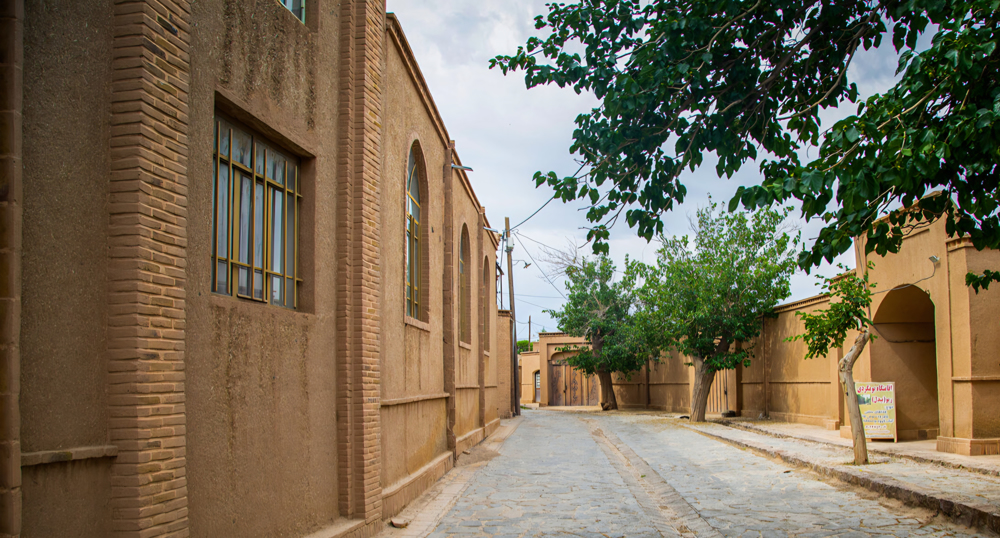
“The historic texture of Riyab has remained untouched because urban expansion was directed outside the historic core,” he was quoted as saying, warning that incompatible modern construction and climate pressures remain major threats to the village’s visual identity and sustainability.
One of the defining characteristics of Riyab is its deep connection to water management through the ancient qanat system.
The village was built according to the natural slope of the land and the flow of the historic Qasabeh Qanat of Gonabad, itself a UNESCO-listed site.
Traditional structures such as payabs (underground stairways to water), water reservoirs, and courtyard pools reflect how water shaped both daily life and architectural design.
Local officials also emphasize that Riyab is not merely a preserved historical site but a “living heritage village” where cultural traditions continue to thrive.
Religious ceremonies, seasonal customs, local dialects, handicrafts, and traditional hospitality remain active parts of village life.
According to Mahmoudi, ceremonies such as Nakhl-gardani, winter-night gatherings, and Ramadan dawn songs are still practiced today, helping younger generations maintain ties to their cultural roots.
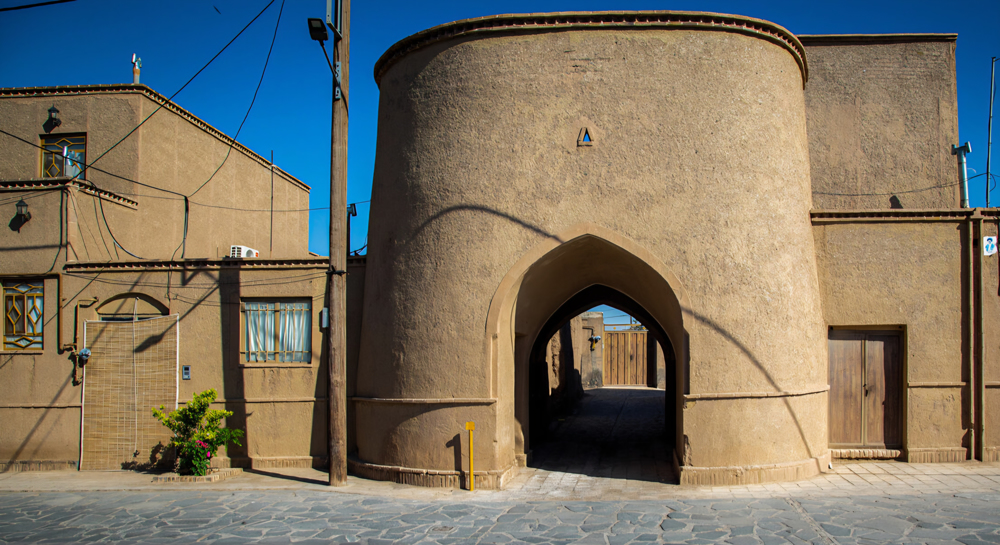
The village has also become a model for rural tourism and reverse migration.
Traditional eco-lodges established by local residents have created jobs and encouraged young people to remain in or return to the village.
“Riyab presents a successful model of bottom-up development,” Mahmoudi said, pointing to the revival of weaving and handicraft industries alongside tourism initiatives.
Kamal Khani, an official from Razavi Khorasan’s Cultural Heritage Department, said Riyab has been nominated under the UN Tourism program for Best Tourism Villages, which evaluates destinations based on cultural preservation, sustainability, local participation, infrastructure, and economic resilience.
“If selected, it will not only be an achievement for the province, but also a turning point for promoting Iran’s tourism on the global stage,” Khani was quoted as saying.
To date, five villages in Iran have been inscribed on the UN list of Best Tourism Villages, a recognition that reflects the strength of local communities, the vitality of national cultural identity, and a model of development rooted in heritage, culture, and the environment.
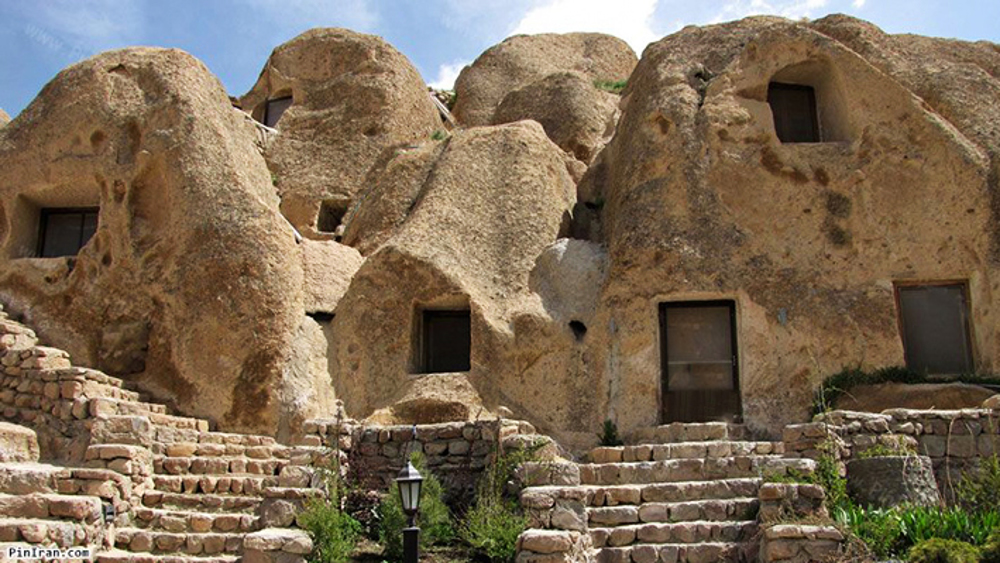
These villages include Kandovan in East Azarbaijan province, Esfahak in South Khorasan province, Shafiabad in Kerman province, Kandolus in Mazandaran province, and a coastal village on Qeshm Island in Hormozgan province, all of which have been added to the list in recent years.

Exclusive: Pasteur Institute director opens up on US-Israeli attack, vows health mission will endure
Profile: Hossam Zeidan, veteran Al-Alam journalist silenced after years documenting Zionist crimes
'Regional nations will no longer serve as US shields': Snippets from Leader’s 2026 Hajj message



US claim of stopping Beirut strike exposes West's role in Israeli atrocities: Iran
VIDEO | The temporary cemetery: Where the living bury their dead until victory
Senior Mossad official quits after Gofman appointed as head: Report
Iran inaugurates largest cancer treatment center in West Asia
'You'd be in prison if it weren't for me': Trump blasts Netanyahu over Lebanon, report says
Historic Iranian village of Riyab nears global recognition for desert heritage
US pressuring Oman to drop neutrality, snap ties with Iran or face consequences: Report
US economy worst in living memory due to war on Iran



 PressTV NEWSLETTER
now
PressTV NEWSLETTER
now
 This makes it easy to access the Press TV website
