Strategic imperative: Iran's dual approach blends robust military readiness with assertive diplomac
By Press TV Strategic Analysis Desk
By any conventional measure, periods of diplomacy are often associated with a marked reduction in military tensions. Negotiating tables replace battlefields, diplomatic communiqués supersede military signaling, and the appearance of calm creates the impression that confrontation has receded into the background.
Yet history repeatedly demonstrates that some of the most consequential diplomatic breakthroughs occur not when states lower their guard, but when they maintain maximum vigilance, especially when confronting an adversary with a long record of coercion, deception, and foolhardy military provocations.
Durable agreements are secured when diplomacy is backed by credible power and a demonstrated capacity to deter any act of aggression.
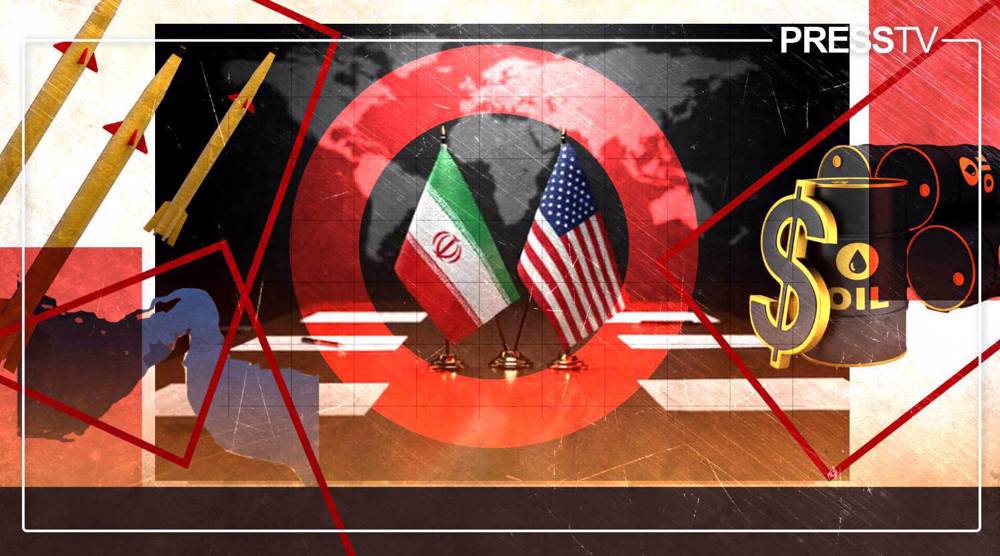
This reality is particularly relevant to Iran’s current strategic posture. As diplomatic efforts continue to put a definitive end to the third imposed war, the country is simultaneously demonstrating a level of military readiness that leaves little room for misunderstanding.
Tehran understands that the period between war and peace is often the most dangerous phase, when defeated military objectives are frequently pursued through pressure, miscalculation, or attempts to gain leverage at the negotiating table.
Far from being contradictory, these two tracks – diplomacy and military preparedness – have become mutually reinforcing components of a national strategy. It is about translating battlefield realities into lasting political outcomes, which cannot be reversed through intimidation or military adventurism.
The central message is that diplomacy is being pursued from a position of strength, not vulnerability. The country’s armed forces remain fully alert, fully capable, and fully prepared to respond to any attempt by the enemy to exploit the current environment.
The events in the southern parts of the country in recent days, including in the wee hours of Thursday morning, must be viewed through this strategic lens.
Iranian armed forces demonstrated that any attempt by the enemy to exploit the current atmosphere of relative calm in order to extract diplomatic concessions through military adventurism will be met with a firm and immediate response.
Such actions serve not only as a tactical reaction but also as a strategic reminder that Iran will not permit a repeat of the miscalculations that led to the recent war.
Iranian armed forces proved once again that in the waters off Bandar Abbas and the strategic chokepoint of the Strait of Hormuz, they retain the initiative and maintain effective control over the security environment. It communicates to adversaries that Iran's red lines remain intact, that its deterrent capabilities remain operational, and that diplomacy should not be mistaken for a relaxation of national resolve.
Military readiness: The other side of diplomacy
One of the most common strategic errors in international politics is to mistake the absence of active fighting for the absence of danger. Military history is filled with examples in which periods of relative calm created false confidence and paved the way for renewed war.
Recent military responses in southern Iran have conveyed a message that extends beyond immediate tactical considerations. They have underscored the reality that the Iran emerging from the latest war is not identical to the Iran that entered it. Experience gained during the imposed war, operational lessons learned under pressure, and the continued development of military capabilities have all contributed to a different strategic environment.
The recent events in the Strait of Hormuz and Bandar Abbas were misinterpreted by some Western analysts as a breakdown of diplomacy or a sign of Iranian aggression. Nothing could be further from the truth. This military readiness is, in fact, the other side of Iran's diplomatic coin. The prolonged silence on the battlefield has not lulled Iran's armed forces into complacency.
On the contrary, the further diplomacy advances toward a potential settlement, the more suspicious our military becomes of the enemy's intentions. History has taught Iran that the enemy's silence is rarely peace and more often a deception. That suspicion has not weakened morale, but it has increased motivation. Iran's armed forces are now more ready to act and respond at the appropriate moment than at any point since the war began.
Iran's armed forces, with their fingers literally on the trigger, are demonstrating through their actions – through patrol patterns, rapid-response drills, and the visible posture of the IRGC Navy in the Persian Gulf – that they will not allow the enemy to once again fall victim to its own miscalculation.
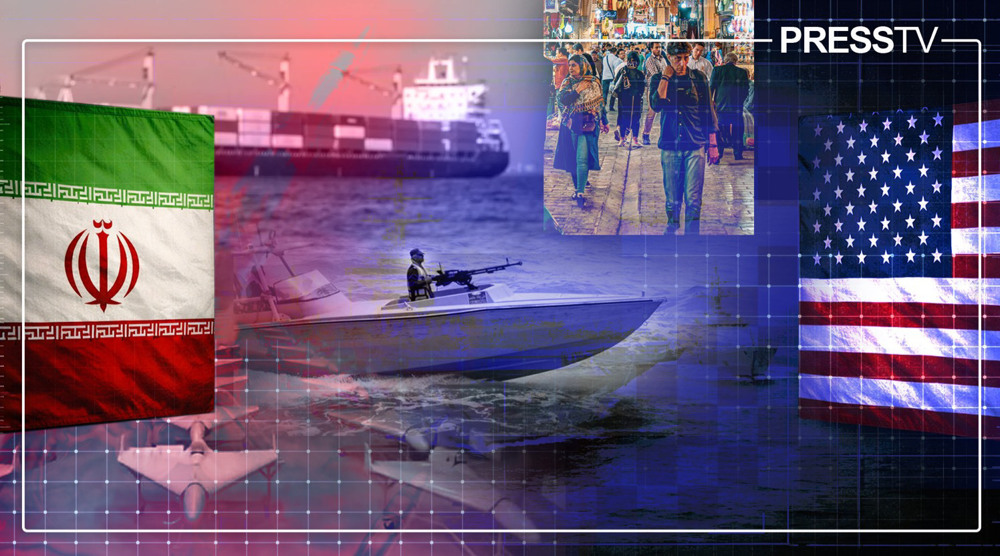
✍️ Analysis - Zero-sum terminus: Iran’s roadmap to ending war on its terms vs. America’s choice between bad and worse
— Press TV 🔻 (@PressTV) May 25, 2026
By Press TV Strategic Analysis Deskhttps://t.co/ZMtqWUnToD
And make no mistake: miscalculation is the enemy's chronic disease. It was precisely such a miscalculation that led to the disasters of recent wars in the region. It was a miscalculation that emboldened the enemy to commit the cowardly assassination of the Leader of the Islamic Revolution. That wound is not healed, and it will not be forgotten.
Every Iranian commander knows that vigilance is the price of survival. The current quiet on the battlefield is not a ceasefire to which Iran feels bound. It is a tactical pause, and should the enemy mistake it for weakness, that pause will end with devastating speed.
The actions and reactions, the offensive and defensive operations of the armed forces, particularly the IRGC Navy in the Strait of Hormuz, serve a precise strategic purpose. They are not random shows of force but practical translations of Iran's preconditions for ending the imposed war.
When Iran says that the Strait of Hormuz is non-negotiable, it does not say so in a diplomatic memorandum alone. It says so with fast-attack craft, with naval mines ready for deployment, with missile batteries overlooking every vessel that dares to challenge Iranian sovereignty.
In this way, Iran ensures that the enemy properly understands the nuances of diplomacy.
No ceasefire, no illusions
One of the most dangerous misconceptions the enemy harbors is that the current absence of large-scale fighting constitutes a binding truce. It does not. Iran has not accepted any ceasefire to which it is legally or morally bound. More importantly, even offensive actions by the armed forces are not contrary to the course of diplomacy. This is a critical point the enemy refuses to understand.
In conventional strategic thought, war and diplomacy are sequential: you fight, then you talk. Iran has transcended that linear model. Iran fights and talks simultaneously, because the enemy has proven time and again that it will exploit any ceasefire it requests – to deceive, regroup, and establish a foothold.
The enemy requested the current quiet not out of love for peace, but out of military necessity. Iran has granted nothing. It has merely observed, prepared, and waited.
The firm response of Iran's armed forces to recent enemy provocations – interceptions, demonstrations of force, direct challenges to enemy vessels – has revealed two profound realities at once. First, that Iran after the Third Imposed War is fundamentally different from the Iran that existed before it. The Iran of the past was surprised, reactive, and often defensive. The Iran of today is proactive and vigilant.
The enemy faces not a wounded nation seeking mere survival, but a confident military power that has internalized the lessons of every previous confrontation. Second, these responses have shown that the diplomats of the Islamic Republic possess substantial leverage on the political battlefield precisely because they are backed by the strength of the military sphere.
The military battlefield, therefore, controls the adjustment dial of diplomacy. Whenever Iranian diplomacy requires correcting the enemy's perceptions – whenever the enemy begins to believe it can extract concessions through economic pressure or political posturing – the battlefield is ready to assist. Iranian diplomacy is not alone. It is supported by popular participation and by something the enemy fears far more: demonstrated power.
Whenever it becomes necessary to provide evidence of Iran's capabilities or to highlight the consequences of the enemy's breaches of commitment, those messages are immediately conveyed through the battlefield. The enemy receives a diplomatic note, and within hours, an Iranian vessel maneuvers within meters of its warship.
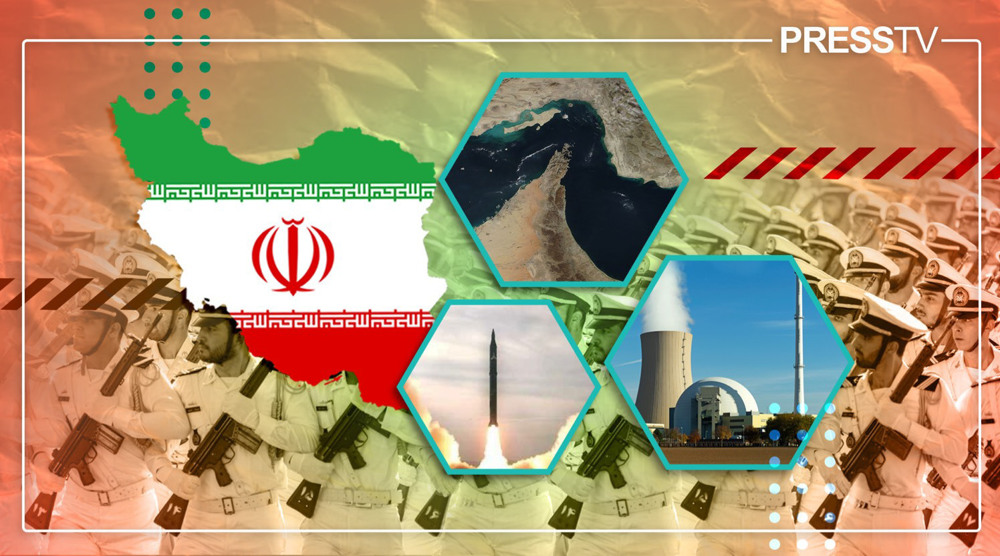
✍️ Analysis - Lessons of war: Strait of Hormuz control and nuclear sovereignty define Iran’s inviolable redlines today
— Press TV 🔻 (@PressTV) May 27, 2026
By Press TV Strategic Analysis Deskhttps://t.co/BhrkiZkPqO pic.twitter.com/4dlI6dlWCn
Strait of Hormuz: America’s immediate nightmare
Why does the enemy repeatedly challenge the IRGC in the Strait of Hormuz? Why the recurring violations and provocations around Bandar Abbas? The answer lies not in confidence, but in strategic anxiety. These confrontations are symptoms of a growing reality that Washington finds increasingly difficult to escape: Iran's pressure campaign is steadily narrowing the enemy's room for maneuver.
The periodic flare-ups in and around the Strait are therefore indicators of mounting frustration. Every encounter reflects the same underlying problem. The strategic environment is evolving in ways that increasingly constrain American options. The prospect confronting Washington is deeply uncomfortable: a renewed war whose costs and consequences are becoming more unpredictable, negotiations in which it cannot dictate terms, and the continuation of a regional balance that is gradually shifting against its long-term objectives.
For the United States, the Strait of Hormuz and Iran's sovereignty over it constitute an immediate and tangible strategic challenge. While public discourse often focuses on the nuclear issue, the Strait represents a far more urgent concern from a military, economic, and geopolitical perspective. Nuclear negotiations may shape future calculations, but the Strait directly affects present realities. It sits at the intersection of global energy markets, international trade routes, naval power projection, and regional security architecture.
This hierarchy is seldom acknowledged openly in Western political discourse, yet it is impossible to ignore. The enemy understands that as long as Iran maintains effective control over one of the world's most important maritime chokepoints, any attempt to fundamentally alter the regional balance through military force carries enormous risks.
From the enemy's perspective, the question of the Strait must ultimately be resolved in its favor before it can confidently pursue broader ambitions. The reason is straightforward. As long as Iran retains the ability to influence events in Hormuz, the prospect of a large-scale confrontation remains burdened by the possibility of severe disruption to global energy flows, economic instability, and heightened operational challenges across the region.
This is precisely why the waterway occupies such a central place in Iran's broader deterrence architecture. It is not merely a negotiating tool designed to strengthen Iran's diplomatic position, but a practical mechanism for ensuring that future commitments made by adversaries carry real consequences if violated.
In this sense, the Strait functions both as leverage and as insurance. It increases the costs of aggression while simultaneously increasing the costs of bad faith.
As a result, the Strait deprives the enemy of what it seeks most after years of confrontation: the ability to claim victory without paying the price of achieving it. It prevents the construction of a convenient political narrative in which pressure succeeds, commitments are ignored, and strategic objectives are realized without consequence. As long as the Strait remains under Iranian sovereignty, such a narrative becomes increasingly difficult to sustain.
Washington has gradually come to recognize that Iran is using the Strait not simply as a military asset but as a means of converting battlefield resilience into diplomatic leverage. The strategic value of Hormuz extends far beyond the immediate region. It reaches into global markets, international supply chains, energy security calculations, and the broader stability of the world economy. Few geographic locations possess such disproportionate influence over international affairs.
This reality explains why developments in the Strait attract such intense attention from policymakers across the world. Any serious disruption to maritime traffic through Hormuz would reverberate far beyond the Persian Gulf. Energy prices would surge, markets would react violently, and governments across multiple continents would be forced to confront the economic consequences. Geography grants Iran a unique strategic instrument, and both allies and adversaries are fully aware of its significance.
In this sense, the Strait has evolved into a constant reminder of the limits of military coercion. Every passing day reinforces the reality that Iran retains the capacity to influence one of the most sensitive arteries of the global economy. Time therefore does not necessarily work in favor of those seeking to pressure Tehran. Instead, it highlights the enduring relevance of Iranian leverage and the difficulty of neutralizing it.
This is perhaps the most revealing aspect of the current moment. The objective was once to force Iran into submission through isolation, sanctions, military pressure, and the threat of “regime change.” Yet the result is a strategic landscape in which the same Iran remains a decisive actor in one of the world's most important waterways and an indispensable participant in determining the future security architecture of the region.
The irony is difficult to overlook. The enemy sought to marginalize Iran's role in regional affairs. Instead, it finds itself compelled to engage with an Iran whose influence over critical strategic realities cannot be ignored. The Strait of Hormuz stands as the clearest symbol of that reality, a reminder that geography, resilience, and strategic patience can sometimes achieve what military pressure cannot.
✍️ Analysis - Dawn of a new era: Third imposed war winds down with Iran's ascendency as US hegemony collapses
— Press TV 🔻 (@PressTV) May 24, 2026
By Press TV Strategic Analysis Deskhttps://t.co/fKKeWo0SQH pic.twitter.com/V6oKprAY2B
Patient, skillful, powerful diplomacy: Trustee of a courageous people
None of this military readiness diminishes the importance of diplomacy. On the contrary, it magnifies it. The very purpose of deterrence is not perpetual confrontation but the creation of political space in which diplomacy can secure what war alone cannot.
Iran's diplomacy understands that it is the custodian of a hard-earned national achievement forged through sacrifice, resistance, and steadfastness. It represents a courageous people and a self-sacrificing military force that have demonstrated Iran's strength, resilience, and capacity to withstand the combined pressure of some of the most powerful hostile actors in the international system. The mission of diplomacy, therefore, is not to substitute for military power but to consolidate its gains, institutionalize its achievements, and transform battlefield resilience into enduring political realities.
This is precisely why diplomacy today occupies such a critical position in Iran's national strategy. The battlefield may prevent defeat, but diplomacy determines how victory is preserved. Military power can compel an adversary to reconsider its calculations, yet only diplomacy can convert that change in calculation into durable arrangements that safeguard national interests for years and decades to come.
A war can be won on the battlefield and lost at the negotiating table if its gains are not properly secured. Iran's diplomats are therefore engaged in a mission no less important than that of the armed forces: ensuring that the balance created through resistance is reflected in the political order that follows.
The indomitable resistance of the Iranian people during the 40-day imposed war serves as both the moral foundation and strategic inspiration of this diplomatic effort. That resistance was not an abstract slogan or a symbolic gesture, but a national mobilization that cut across social, political, and economic boundaries. It was the demonstration of a collective national will that convinced both allies and adversaries that Iran could not be coerced into abandoning its fundamental interests. That same spirit now empowers diplomacy.
Consequently, Iranian negotiators operate from a position of accumulated national strength. Behind every diplomatic proposal stands the credibility established by resistance. Behind every negotiating position stands the knowledge that the nation has already paid a significant price to defend its sovereignty.
Equally important is the long-term perspective that underpins Iran's diplomatic approach. Diplomacy is not merely accountable to present political circumstances but accountable to history. The decisions made during this period will shape the strategic environment inherited by future generations of Iranians.
Those future generations are stakeholders in every decision made at this pivotal historical moment. The agreements reached today, the concessions rejected today, and the principles defended today will determine the level of security, prosperity, and independence they inherit tomorrow. A stable, sovereign, and secure Iran is not simply a political aspiration but a trust that the current generation is obligated to preserve.
This long-term perspective also explains why time itself may be a greater challenge for Iran's adversaries than for Iran. Conventional analysis often assumes that prolonged negotiations inevitably favor stronger economic powers. Yet strategic endurance is not measured solely by financial indicators. Political cohesion, social resilience, strategic patience, and the ability to absorb pressure are equally important components of national power.
Although the government and the people undoubtedly face economic challenges and are called upon to demonstrate resilience in the months ahead, time exerts pressure on the enemy as well. The US confronts mounting geopolitical commitments across multiple regions, growing domestic polarization, and increasing questions about the sustainability of its global posture. Simultaneously, the Zionist regime faces its own complex challenges.
Every day that passes without the realization of their objectives increases the costs of failure and complicates their strategic calculations. Every day that Iran preserves its leverage and maintains its cohesion narrows the options available to its adversaries.
The historic responsibility of both the government and the people is therefore clear. Just as the nation demonstrated resilience under military aggression so that the hand of the armed forces would not tremble on the trigger, it must now demonstrate economic and social resilience so that the hand of the diplomat does not tremble at the negotiating table.
If this unity of purpose is maintained, time itself increasingly becomes an ally rather than an obstacle. Strategic patience amplifies leverage and endurance strengthens bargaining power. In such circumstances, diplomacy ceases to be merely a process of negotiation and becomes a mechanism for converting national steadfastness into lasting political achievements.
✍️ Analysis - Finger on trigger: Iran prefers diplomacy to end imposed war, yet military stands locked and loaded
— Press TV 🔻 (@PressTV) May 26, 2026
By Press TV Strategic Analysis Deskhttps://t.co/TxVgUz8tNN pic.twitter.com/NTUeBLIGPL
The false binary: War or diplomacy?
The endurance, patience, and strategic perseverance that characterize Iran's diplomatic approach today are not signs of caution born of weakness but instruments of national power. The objective is to secure a favorable negotiating outcome and to consolidate the gains achieved through resistance, translate them into lasting political realities, and build a strategic environment in which the security, sovereignty, and prosperity of Iran are protected not merely for years, but for generations.
This is what gives the current diplomatic effort its historic significance. The stakes extend well beyond the immediate aftermath of war. If diplomacy succeeds in securing Iran's legitimate interests, it will not only reduce the risk of renewed war in the short and medium term. It will also strengthen the foundations of long-term stability, expand opportunities for economic development, and provide future generations with a more secure and prosperous country. The benefits of such an outcome would compound across decades.
For precisely this reason, impatience can become a strategic liability. Any pressure placed upon diplomacy as a result of political impatience, emotional reactions, or unrealistic expectations weakens the very instrument tasked with safeguarding national interests.
Diplomacy derives much of its effectiveness from the notion that it speaks on behalf of a united nation. When adversaries detect signs of division, uncertainty, or fatigue, they inevitably conclude that additional pressure may produce additional concessions.
The enemy understands this dynamic well. It constantly searches for indications that economic pressure is eroding public resolve, that political disagreements are undermining national cohesion, or that society is becoming exhausted by a prolonged struggle. Every sign of impatience is interpreted as an opportunity. Every expression of doubt is treated as leverage and every perceived crack in national unity encourages the belief that enough pressure will eventually force Iran to retreat from its core positions.
This is why diplomacy cannot be viewed in isolation from the broader architecture of national power. Successful diplomacy is supported by military deterrence, economic resilience, political stability, and public confidence. The diplomat negotiating across the table is ultimately strengthened by the soldier standing watch, the worker sustaining production, the family enduring hardship, and the society maintaining its cohesion under pressure.
Likewise, public resilience becomes more meaningful when citizens understand that their sacrifices are being transformed into strategic gains. National power functions as an integrated whole. When one pillar weakens, the others inevitably feel the strain. When all pillars move together, their combined effect becomes far greater than the sum of their individual strengths.
For this reason, portraying Iran's choices as a simple binary between diplomacy and war is not merely inaccurate but strategically dangerous. Such a framework misunderstands the relationship between the two and risks creating divisions where unity is required.
Today, the armed forces remain at the highest level of preparedness, vigilant against an adversary with a long history of miscalculation and aggression. At the same time, Iranian diplomacy continues its work with patience, confidence, and strategic discipline.
In this broader strategic picture, the Strait of Hormuz remains one of Iran's most significant sources of leverage. It is not merely a maritime corridor or a geographic feature. It is a reminder that Iran retains the capacity to influence some of the most critical economic and strategic calculations in the world. It is a symbol of enduring leverage and a constant constraint on the ambitions of those who seek to impose their will upon the region.
If the Strait represents the measure of time in this struggle, then diplomacy is the instrument through which that time is converted into advantage. Every day that Iran preserves its unity, maintains its readiness, and strengthens its negotiating position increases the value of its leverage and narrows the options available to its adversaries.
Yet neither leverage nor diplomacy would matter without the people who sustain them. The ultimate foundation of Iran's strength remains the resilience of its society, the sacrifices of its citizens, and the determination that has carried the country through wars. They are the source from which both military power and diplomatic confidence are derived.
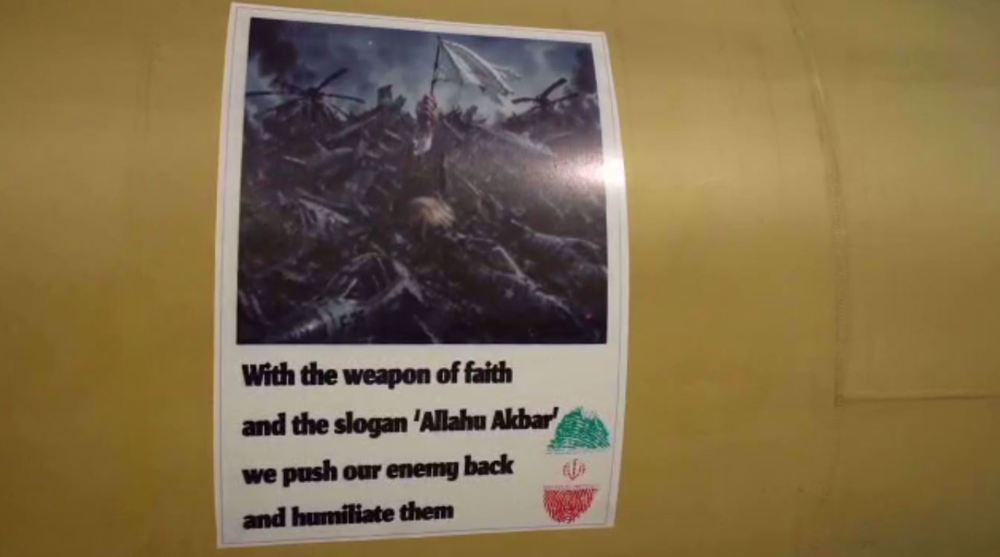
‘Stern warning’: IRGC announces retaliatory attack on US base following American aggression
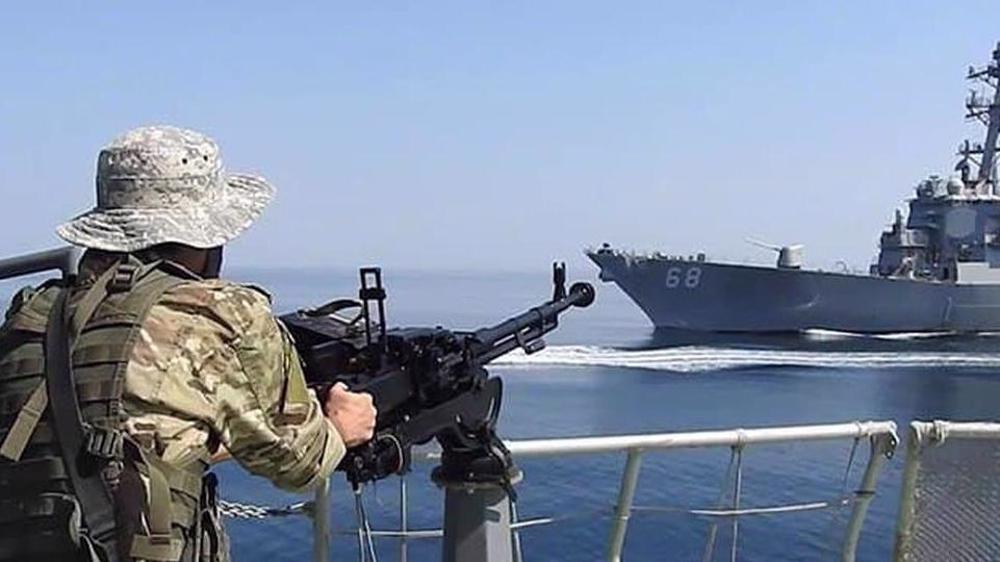
Iran forces trespassing US tanker back after illegal attempt at crossing Strait of Hormuz: Report
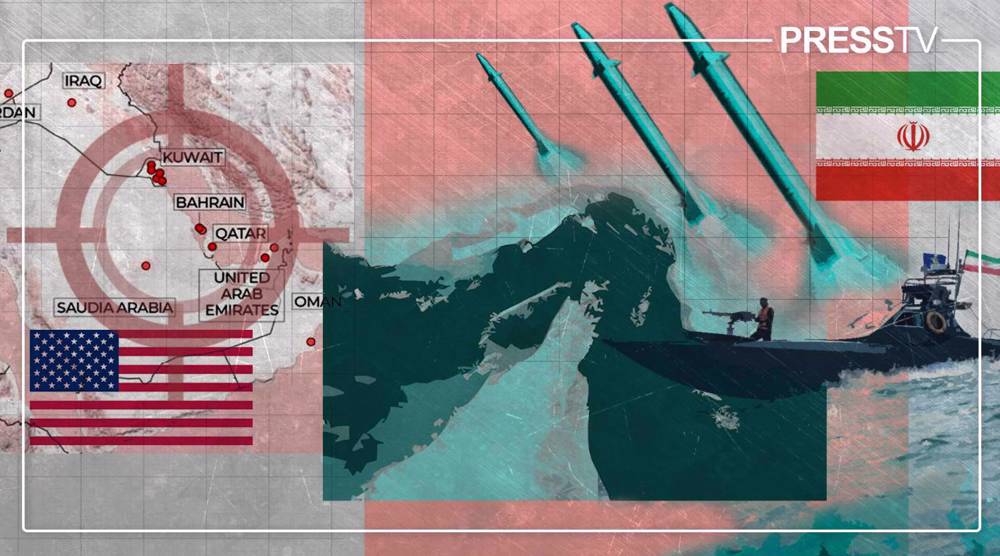
May 27: Iran warns renewed aggression will be met with a different, more powerful response



Strategic imperative: Iran's dual approach blends robust military readiness with assertive diplomacy
Israeli strike kills former correspondent for Iran's al-Alam TV in southern Lebanon
EU says will give €28bn military aid to Ukraine this year, vows full drone integration
Leader urges safeguarding 'great blessing' of national unity that led to victory in recent war
VIDEO | Indian Muslims in Tehran join nightly rallies to show solidarity with Iran
VIDEO | Tehran's Grand Mosalla hosts crowds of worshipers on Day of Arafah
VIDEO | Eid under fire: Gaza welcomes another Eid al-Adha without joy, sacrifice, or shelter
VIDEO | Iran's 106-year-old Pasteur institute keeps vital services running despite attack



 PressTV NEWSLETTER
now
PressTV NEWSLETTER
now
 This makes it easy to access the Press TV website
