Iran's new blueprint for management of Strait of Hormuz in post-American regional order
By Press TV Website Staff
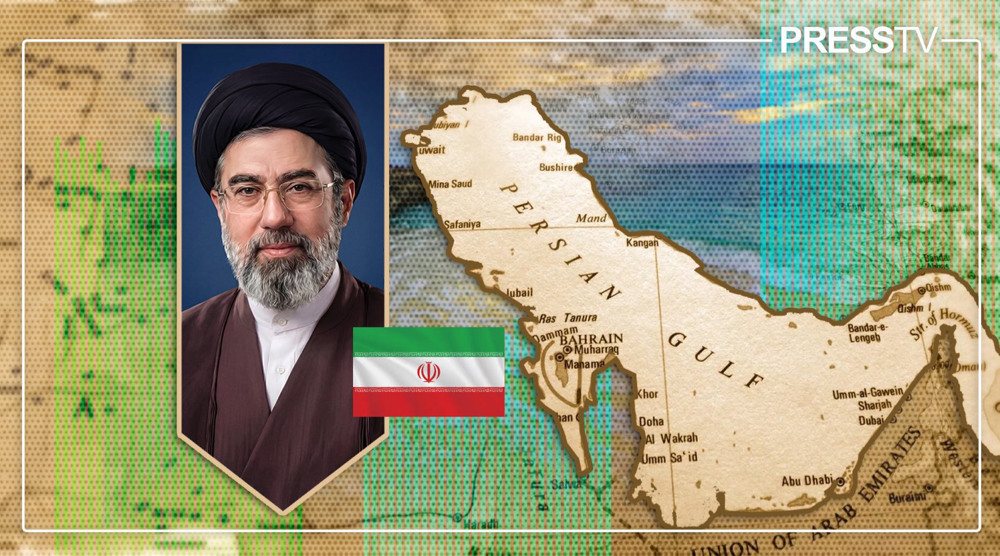
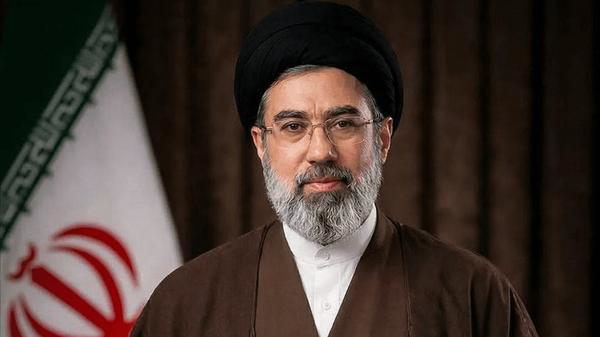
In a statement marking Persian Gulf Day on Thursday, Leader of the Islamic Revolution Ayatollah Seyyed Mojtaba Khamenei unveiled a comprehensive strategic vision for the Strait of Hormuz, which remains firmly under the control of the Iranian armed forces.
The vision seeks to transform Iran's relationship with the world's most critical energy chokepoint from defensive vigilance to active, legally codified management.
The most significant departure from previous Iranian policy is the move from descriptive warnings to actionable frameworks. Where past discourse often cataloged foreign threats, the new policy is centered on legislative codification and military implementation.
Ayatollah Khamenei's emphasis on "new management" over the strategic strait signals a shift from reactive postures to proactive control amid rapidly changing developments in the region following the 40-day US-Israeli war of aggression against the Islamic Republic.
This is no longer about monitoring or defending Iranian interests, but about exercising sovereign authority in ways that fundamentally reshape the waterway's governance.
Iran has drawn its red lines with clarity and precision. One of them is this – the decisive and irreversible resolve to exercise full control over the Strait of Hormuz.
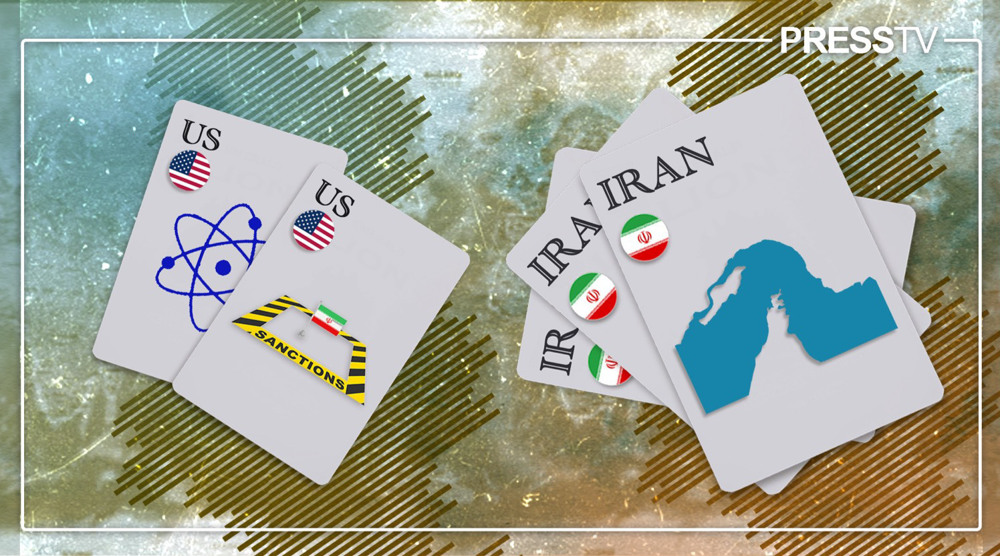
This constitutes a fundamental, non-negotiable demand that fundamentally reshapes the strategic landscape, leaving the US at a crossroads where all available paths lead to crisis.
Lessons from history
In his Persian Gulf Day statement, Ayatollah Khamenei described the waterway as both a divine blessing and a historic battleground against foreign domination. The repeated aggressions of American and European powers, including the recent saber-rattling of the Great Satan, form a continuous thread of imperialist hostility toward regional nations.
Iran, possessing the longest coastline along the Persian Gulf, has borne the heaviest burden of sacrifice in defending the waterway's independence, the Leader asserted, tracing this indomitable resistance from the expulsion of Portuguese colonizers in 1622 through subsequent struggles against Dutch and British colonialism.
The Islamic Revolution of 1979, he noted, was a decisive turning point that permanently severed the grip of arrogant powers over the region.
The past two months, he said, witnessed America's "humiliating defeat" following the largest military aggression in the region, starting on February 28. This defeat, the Leader noted, is now ushering in a new chapter for the Persian Gulf and the Strait of Hormuz.
Perhaps most significantly, the Leader contrasted the recent awakening of people in the region with the historical "silence and submissiveness" of Persian Gulf rulers.
‘A new chapter’: Leaders says Iran will determine ‘new legal rules’ in Strait of Hormuz https://t.co/eFVakesM65
— Press TV 🔻 (@PressTV) April 30, 2026
The root cause of insecurity
Leader of the Islamic Revolution identified the presence of Americans and their military entrenchment in the Persian Gulf region as the single greatest source of regional instability.
This is not presented as a political opinion but as an empirical conclusion drawn from decades of observed consequences. Furthermore, he noted that American military bases are "hollow," incapable of securing even themselves, let alone protecting their local allies and proxies, as was witnessed during the 40-day war.
The Leader envisioned a "bright future" for the Persian Gulf region, one defined by the absence of Americans. In this future, regional progress, comfort, and prosperity will not be incidental outcomes but the explicit goals of a post-American order.
He also emphasized a "common destiny" shared by Iran and its neighbors across the Persian Gulf and the Sea of Oman.
Legal framework: Institutionalizing control
The parliamentary "Strategic Action Plan to Ensure Security and Progress in the Strait of Hormuz and the Persian Gulf" serves as the legislative backbone of the new doctrine.
With approximately eleven articles, the strategic plan establishes unprecedented mechanisms for the Iranian authority and management of the waterway, including:
- Monetary sovereignty: Financial proceeds from the strait must be collected in Iranian rials – a direct challenge to dollar dominance in regional energy transactions.
- Compensation mechanism: Countries that have imposed sanctions, blocked Iranian assets, or taken hostile actions would be required to pay substantial compensation for crossing the waterway.
- Military authority: The general staff of Iran's armed forces has been designated as the responsible authority for all actions in the strategic chokepoint, consolidating military and civilian command.
🔺 The Message of the Leader of the Islamic Revolution Ayatollah Seyyed Mojtaba Khamenei on the occasion of National Persian Gulf Day: pic.twitter.com/mN4IoPtvh0
— Press TV 🔻 (@PressTV) April 30, 2026
Economic leverage: The toll system
A centerpiece of the new framework is the implementation of tolls for vessels from "hostile" countries. The Central Bank of Iran has reportedly opened four special accounts – denominated in rial, yuan, dollar, and euro – to receive payments collected by Iran.
The multi-currency approach reflects sophisticated financial planning designed to maintain functionality across different international payment systems while prioritizing the Iranian currency.
The toll system serves multiple strategic purposes: generating revenue, asserting regulatory authority, imposing costs on adversaries, and creating a bureaucratic mechanism for selective passage without resorting to direct military confrontation.
Geopolitical positioning: The Omani factor
An important element of Iran's strategy involves unchallenged regional authority and legitimacy through cooperation with Oman, the only other coastal state bordering the strait.
Tehran has reportedly proposed dividing administrative control of the waterway with Muscat, presenting this as a bilateral arrangement between two Persian Gulf countries with sovereign rights over adjacent waters.
Iranian Foreign Minister Abbas Araghchi – during his recent visit to Oman, which also took him to Pakistan and Russia – reportedly discussed the matter with the top Omani leadership.
Military posture: Smart control
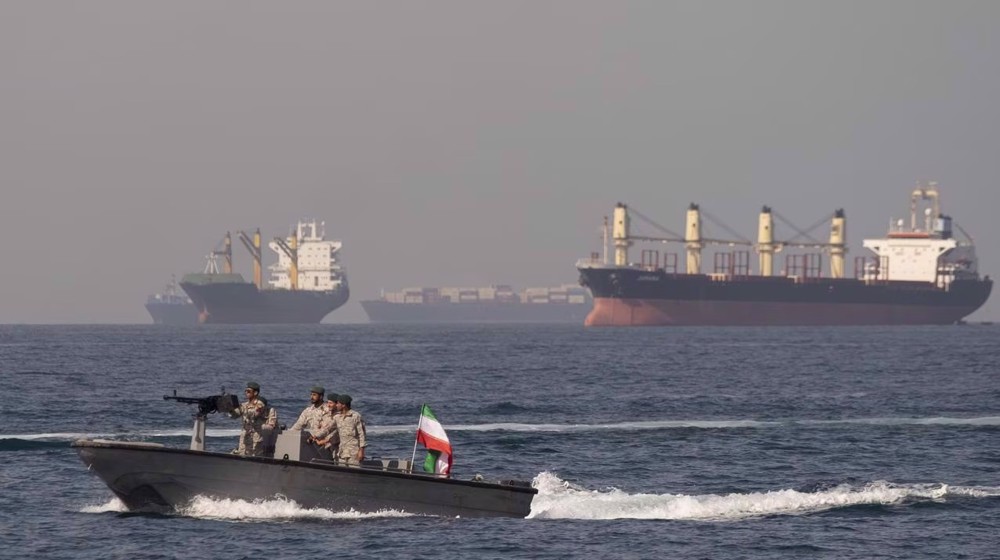
The concept of "smart control" over the strait – recently tested in large-scale IRGC naval exercises before the 40-day war – represents a calibrated approach that falls short of complete closure but exceeds passive monitoring.
During drills named "Smart Control of the Hormuz Strait," Iranian naval forces practiced operating from the strategic islands of Abu Musa and the Greater and Lesser Tunbs, which senior commanders have described as "impregnable fortresses and unsinkable aircraft carriers."
This posture allows Iran to restrict passage by hostile vessels without blockading all traffic, escalate pressure incrementally based on developments and leverage geographic advantages without exhausting military assets.
✍️ Explainer - Persian Gulf Day: How a 400-year-old event underpins Iran’s sovereign authority over Strait of Hormuzhttps://t.co/5xHTJDXa0i
— Press TV 🔻 (@PressTV) April 30, 2026
Regional implications: No role for America
The new doctrine explicitly rejects the longstanding American role in the Persian Gulf. In his statement, the Leader of the Islamic Revolution clearly asserted that foreign military bases in the region do not provide security but instead multiply tensions.
The future of the region, in this vision, belongs exclusively to regional countries.
This was repeatedly affirmed by the martyred Leader of the Islamic Revolution, Ayatollah Seyyed Ali Khamenei, in his speeches, as he always warned that the presence of external forces only brings insecurity to the region.
Economic warfare calculus
Iran's strategy leverages global dependence on Persian Gulf energy exports.
By controlling this passage, Tehran can influence oil prices, pressure adversaries, and create incentives for diplomatic engagement on its own terms.
The calculation is straightforward: the cost of imposed war or prolonged restrictions for the global economy, particularly for energy-importing countries and the United States ahead of the November midterm elections, could force concessions.
Iran's own economy, long insulated from global markets by unjust and crippling sanctions, is comparatively less vulnerable to this form of economic warfare.
Global response and outlook
International reaction to Iran's new management system of the strategic waterway has been characterized by cautious observation mixed with concern.
The United States has maintained its naval blockade – in other words, the maritime banditry and piracy – and rejected Iranian terms for negotiations. European powers face difficult choices between accepting Iranian management or challenging it militarily.
Iran's strategy is designed to outlast American willingness to maintain costly military deployments while asserting its own non-negotiable positions.
Bottom line
Ayatollah Khamenei's Persian Gulf Day statement articulates a comprehensive doctrine that transforms Iran's approach to the management of the Strait of Hormuz.
By establishing legal frameworks, military protocols, economic mechanisms, and diplomatic initiatives, Iran seeks to convert geographic destiny into an enduring strategic advantage.
What is clear is that the rules governing the world's most important energy chokepoint are being rewritten – and the final outcome will be determined by the Islamic Republic of Iran.
Persian Gulf Day: How a 400-year-old event underpins Iran’s sovereign control over Strait of Hormuz
New round of war to be catastrophic for US: Leader's advisor
Iran to soon unveil a weapon the enemy is 'deeply afraid of': Navy commander



Iran's new blueprint for management of Strait of Hormuz in post-American regional order
‘A new chapter’: Leader says Iran will determine ‘new legal rules’ in Strait of Hormuz
Resistance will continue until Lebanon fully liberated, direct talks with Israel rejected: Hezbollah
Cost of US war on Iran will top $1 trillion: Senior senator warns
Naval blockade poses threat to global peace, doomed to fail: Pezeshkian
Persian Gulf Day: How a 400-year-old event underpins Iran’s sovereign control over Strait of Hormuz
Iran dismisses GCC's anti-Iran allegations as 'groundless'
US ‘falsely portrayed’ Iran’s enriched uranium as danger to invade country: Envoy


 PressTV NEWSLETTER
now
PressTV NEWSLETTER
now

 This makes it easy to access the Press TV website
