New round of war to be catastrophic for US: Leader's advisor
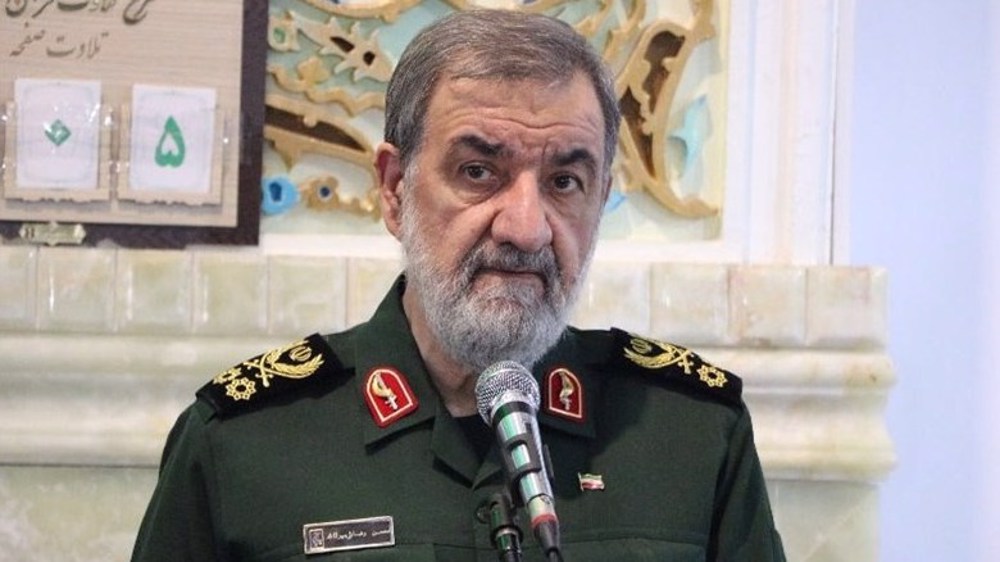
A senior advisor to Leader of the Islamic Revolution Ayatollah Seyyed Mojtaba Khamenei says fresh aggression towards Iran will be "catastrophic" for the United States.
"History will record that the Iranian nation sank the American superpower in the Persian Gulf and the Sea of Oman," Mohsen Rezaei, a former chief commander of the Islamic Revolution Guards Corps (IRGC), said on Wednesday.
✍️ Feature - Iran leverages fragile ceasefire to regroup, replenish, and ready itself for new battles
— Press TV 🔻 (@PressTV) April 29, 2026
By Mohammad Molaeihttps://t.co/KM8VP1Ksws
"American military personnel are warning that if the country continues the war, there is a possibility that their vessels will be sunk and their soldiers killed," he added.
In the event of fresh aggression, the US "should expect that we will take a large number of their forces captive," added Rezaei, also a member of Iran's Expediency Discernment Council.
The Islamic Republic's Armed Forces faced the latest bout of the United States' and the Israeli regime's unprovoked aggression against the country with at least 100 waves of decisive and successful reprisal targeting sensitive American and Israeli targets across a large expanse of the West Asia region.
Rezaei's remarks pointing to the potential of significant human and material losses for the United States in the event of resumption of the aggression came amid admissions by American officials, themselves, about the Islamic Republic's having retained a significant portion of its military capability, despite the aggression.
US officials say Iran retains significant military capability despite strikeshttps://t.co/dm0WMsmlk5
— Press TV 🔻 (@PressTV) April 23, 2026
Amid the Islamic Republic's retaliation, US President Donald Trump announced a two-week lull in attacks against the country on April 7.
Trump later extended the ceasefire, but announced continuation of an illegal blockade of Iranian vessels and ports in violation of the ceasefire's terms.
In response, Iran has closed the strategic Strait of Hormuz to all traffic except vessels that coordinate with and receive authorization from relevant Iranian authorities. The move has sent shockwaves through global energy markets, including in the United States, where surging fuel prices have further eroded Trump’s already declining popularity.
Rezaei predicted that the US president could blame Congress for the deadlock that has arisen from the unprovoked aggression.
"If Congress decides against war, Trump can blame Congress and the Democrats. If Congress supports continuing the war, Trump will attribute the consequences of prolonging the war to them," the advisor said.
The official, however, said "the least costly option" for the United States would be accepting the 10-strong conditions that Iran has set towards realization of an end to the situation.
The conditions include definitive conclusion of whatever instance of aggression against the Islamic Republic, cessation of aggression on all fronts, removal of illegal sanctions, and provision of compensation.
Rezaei, meanwhile, categorically ruled out rumors spread by the US and its allies concerning the health conditions of the Leader, describing him as "young, healthy, and energetic," and asserting that he "is managing the country’s affairs through prudence."
The Islamic Republic, he added, was resolved to exact revenge on the adversaries for the martyrdom of Ayatollah Seyyed Mojtaba Khamenei's predecessor, Ayatollah Seyyed Ali Khamenei, who was targeted in the early stages of the aggression.
"The revenge for the martyred Leader remains in place and will not be fulfilled except with the elimination of Israel."
The advisor concluded his remarks by noting that the aggression had proven certain realities, including Trump's having become "a sacrifice for Israel."
He was referring to the United States' succumbing to pressure applied by the Israeli regime to join the aggression in order to try to realize Tel Aviv's ambitions.
Another reality emerging from the war was that "Europe is separating its path from the United States," Rezaei said in reference to refusal on the part of the US's European allies to directly contribute to the aggression and their expressing doubt about Washington's ability to "protect" them.
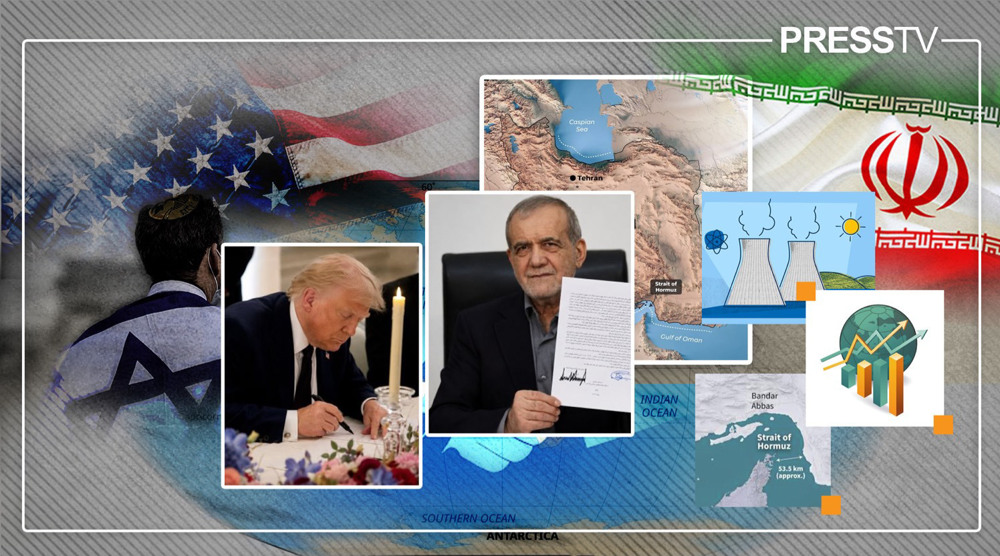
Iran-US MoU codifies Tehran's strategic leverage, cementing its status as regional superpower
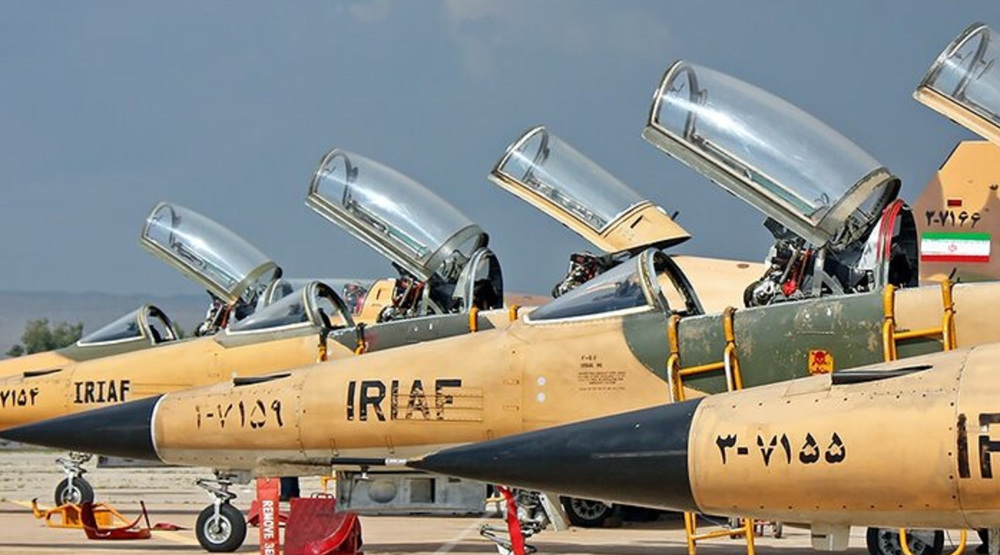
Iranian Air Force personnel recount high-risk precision operation against US base in Kuwait
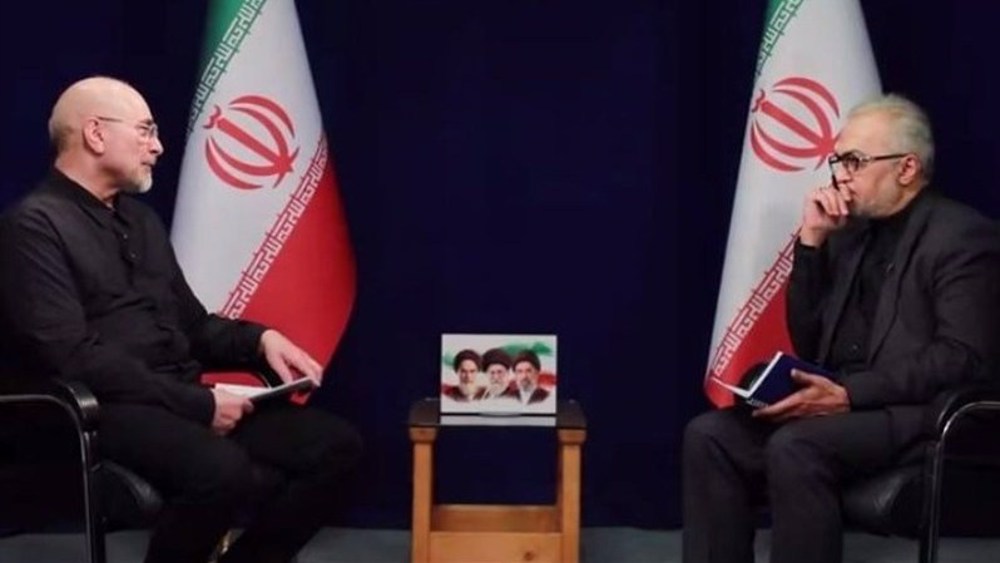
The banner of battlefield victory today underpins Iran’s diplomacy of strength: Qalibaf


Hezbollah foils Israeli infiltration attempt by leading invading forces into 'killing zone'
Iran condemns French FM's meddlesome remarks as 'height of hypocrisy, duplicity'
US emerged from war ‘desperate, defeated': Leader's advisor
US intl. warns: Netanyahu may sabotage Iran-US MoU to prolong aggression
‘Hand on trigger’: Army stresses readiness to defend Iran against any violation
Key Parliament commission hails Leader’s MoU message, says continued victories hinges on unity
UK PM advised to prepare for 'dignified, orderly exit'
UNICEF: Ceasefire in besieged Gaza is a ‘deadly illusion’ for Palestinian children


 PressTV NEWSLETTER
now
PressTV NEWSLETTER
now
 This makes it easy to access the Press TV website
