Foreign interference escalated peaceful protests into violent riots
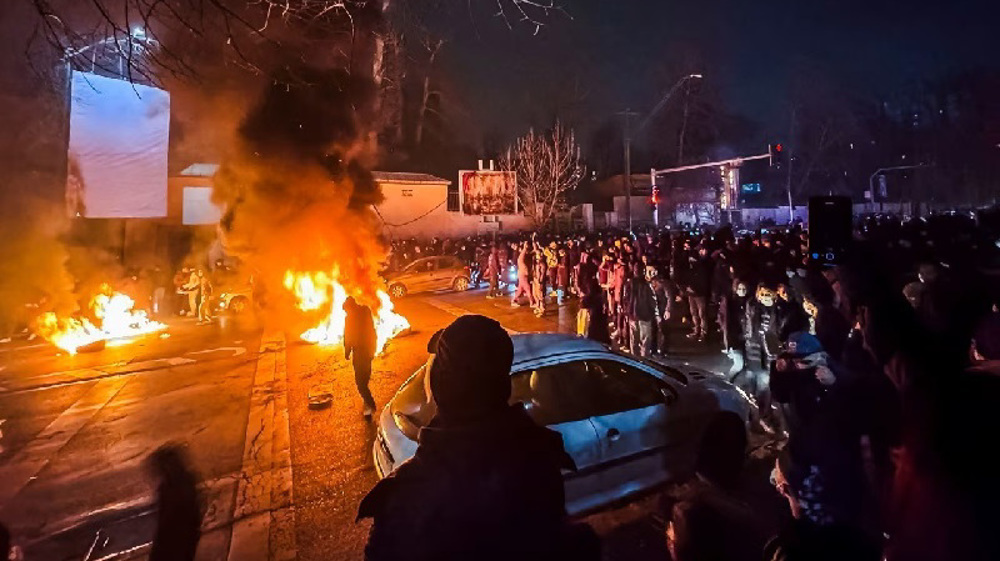
In just one month, Iran became the focus of intense international scrutiny. In late December, nationwide protests erupted, fueled by mounting economic pressures and soaring prices.
The unrest began in Tehran at the historic Grand Bazaar, where a gathering of shopkeepers ignited a wave of demonstrations.
In the days that followed, the government intervened, and direct talks between the President and trade guilds eased tensions, bringing a relative calm by early January.
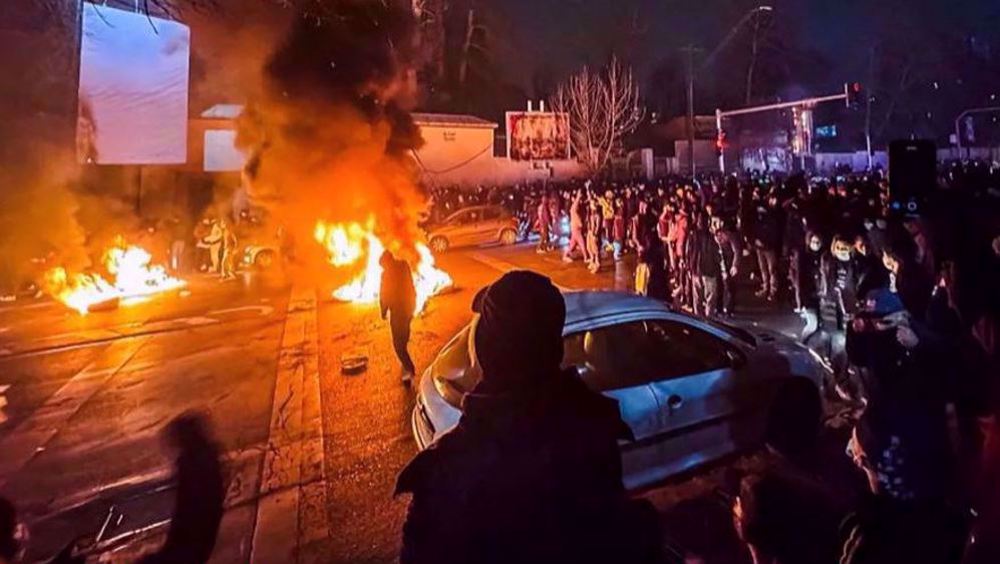
But this quiet was short-lived. On January 8th and 9th, the protests surged once more; this time, spurred by overt foreign interference, most notably statements from US President Donald Trump.
The demonstrations escalated into violent unrest, with some acts even labeled as terrorism. By January 12th, order had largely returned, thanks in no small part to the decisive action of ordinary citizens whose spontaneous mobilization restored stability.
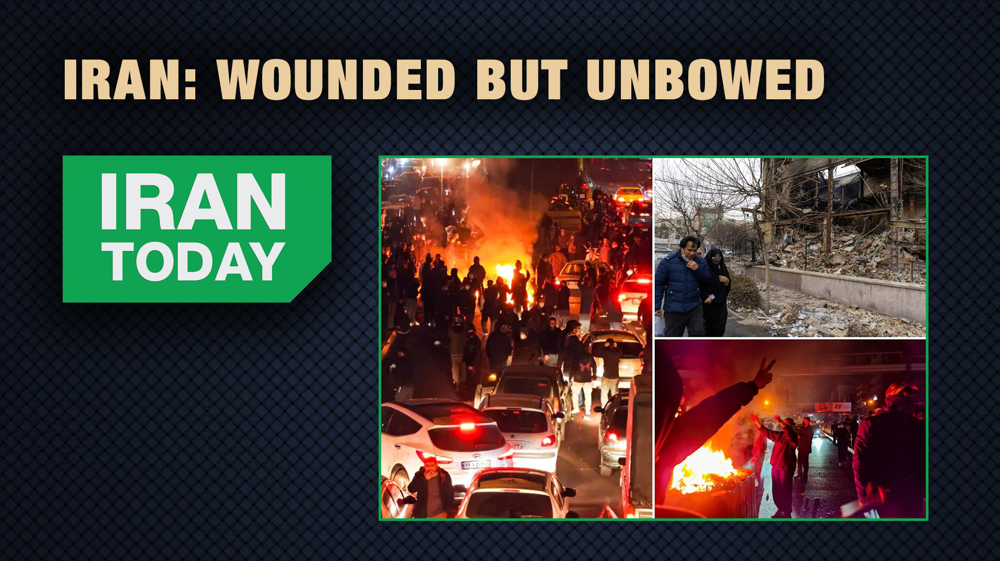
Yet beneath this brief chapter lies a deeper reality. The long-standing hostility of the United States and Israel toward Iran has never truly abated, only the methods have evolved from crippling sanctions to military threats to attempts at fomenting eternal chaos.
In the summer of 2025, policymakers in Washington and Tel Aviv made a fateful decision; to launch an invasion of Iran based on a critical miscalculation.
They had assumed that military action would expose internal divisions, weakening National Cohesion. Instead, the strike had the opposite effect, far from fragmenting society, it unified the nation, strengthening a collective identity and reinforcing internal solidarity.
Faced with this unexpected resilience, the attackers were forced to retreat and reconsider. Their objective remained unchanged, but their approach shifted.
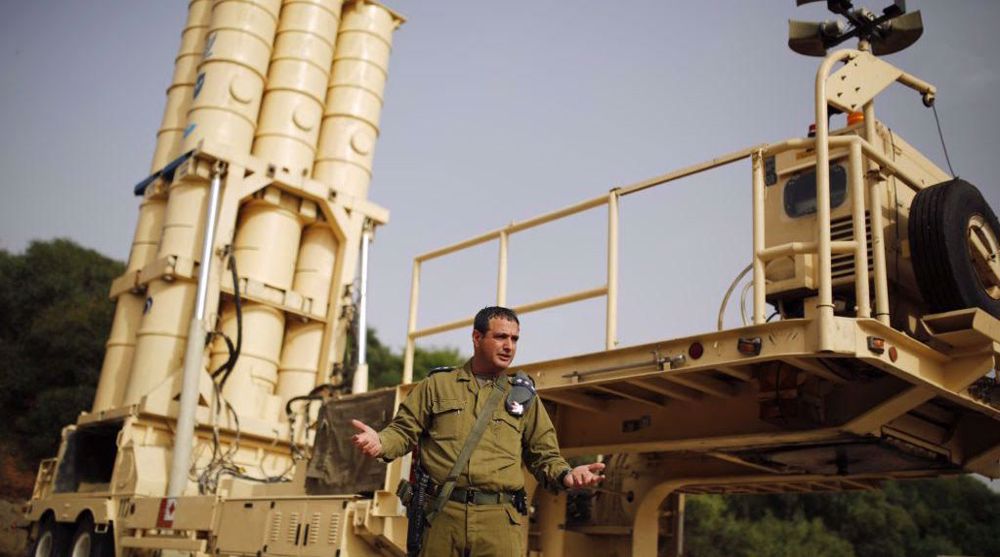
Direct confrontation gave way to indirect measures, fomenting strikes, protests, and instability, while activating terrorist networks, orchestrating acts of disruption.
Fire engines were set ablaze on the very first night of the unrest. The firefighters were attacked while on duty, and the vehicles were completely destroyed or severely damaged and are now out of service.
But the question is, why target fire trucks, and what possible connection do they have to economic pressures?
We met a number of firefighters and asked them to share their experience of those days.
That night, the fire alarm went off and we responded to the scene. It was a three story building, and two of the floors were already engulfed in flames.
We carried out firefighting operations for about an hour. During the suppression we were ordered to evacuate the building, so we pulled out.
Once we were outside, we saw that the rioters had attacked the personnel and set our equipment and vehicles on fire.
With the 20 years of experience I have in the fire department, I can say they were trained and knew exactly what they were doing.
They piled up fire engines in the middle of the street like firewood, looted the equipment and then set it on fire.
Mehdi Mahdavi, Commander, Firefighting Team, Fire Station 3
Those directing these operations relied on a familiar and deeply flawed assumption that terror modeled on groups like Daesh could be used to manipulate societies and engineer political outcomes.
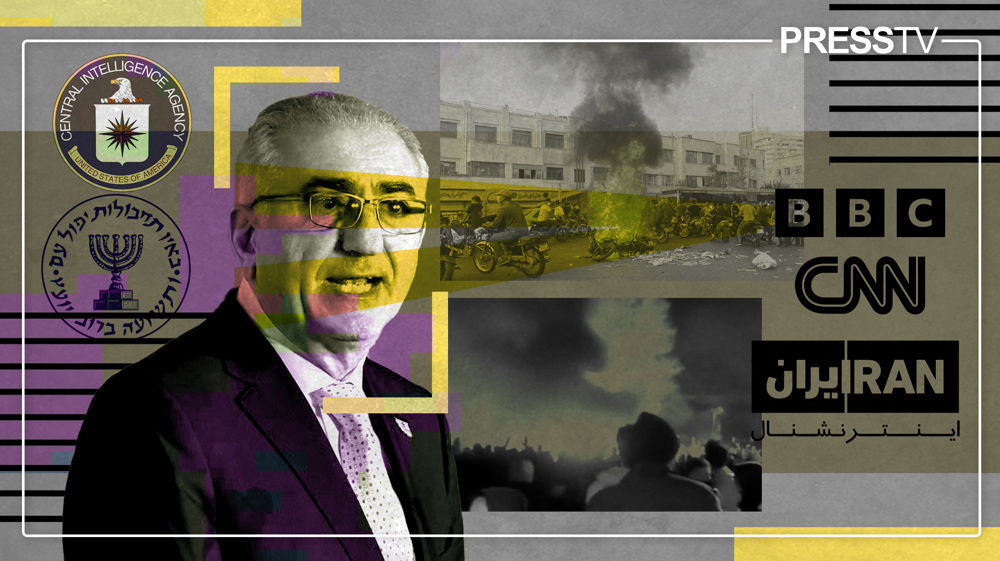
While this premise would ultimately fail, it shaped the contours of a broader campaign, one waged, first and foremost, through media domination.
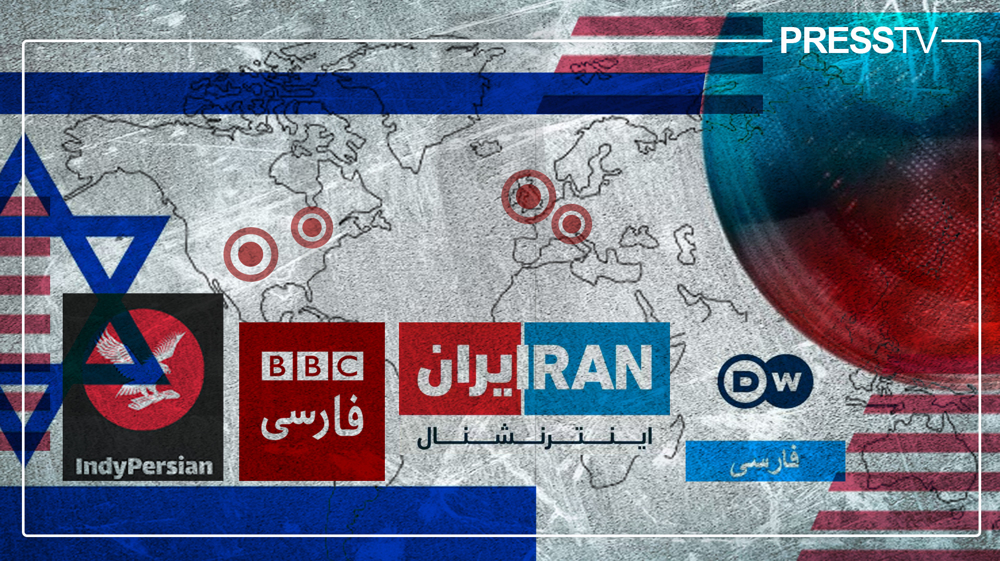
In the weeks preceding the 12-day war, anti-Iran Farsi language media outlets, already fixated on the country, were broadcasting 45 to 50 reports daily.
After the conflict that number skyrocketed to nearly 250 daily items. Every angle was saturated; official statements, economic stress, currency fluctuations, anxieties about livelihoods, producing a relentless narrative designed to amplify fear and uncertainty.
This media barrage marked the opening phase of a coordinated psychological operation.
Mostafa Beheshti, a former member of the MEK, an anti-Iranian terrorist group, had a lot to say about how the group, under the leadership of the Israeli regime and the US, works against the country's interests.
At the top of the MEK, Israel and the United States are giving the orders. They issue the instructions, and the terrorist group is just the executor. They tell them, instruct the forces to burn vehicles, to do graffiti and be armed.
One or two months before these events, they began laying the groundwork in their telegram groups using fake accounts.
In the western part of the country they started moving ammunition around in coordination with PJAK, the PKK, and Komala groups, preparing to begin the acts of destruction and arson.
Mostafa Beheshti, Former MEK Member
On the ground, the escalation was brutal, and sabotage spread across the country. Iranian authorities reported that operatives linked to Mossad and affiliated terrorist networks targeted police, security forces, and civilians alike.
When we arrived at the scene, the number of rioters gradually increased to the point where the security forces were forced to retreat, and our operation was at risk of being disrupted.
Our colleagues were surrounded and threatened. They told our friends: "We’ll burn you alive".
Someone from within the crowd shouted instructions, telling them to take everything out of the fire engines and then set the vehicles on fire.
We were forced to abandon the trucks, and I only managed to bring one vehicle back safely.
Mehdi Rajabi, Firefighter
The violence bore disturbing hallmarks. Casualties were high, but the methods were shocking.
The victims had been killed by stabbing, strangulation, and repeated blows to the head. Nearly 60% of the fatalities resulted from direct strikes to the skull at close range.
Synthetic drugs were widely used, intended to suppress empathy, self-restraint, and moral judgment while amplifying aggression.
In some cases, individuals killed during clashes had consumed such extreme quantities that they showed no normal psychological responses at the time of death.
There were a lot of them, and most were teenagers. They didn't seem to be in a normal state, more like people who were under the influence of drugs.
They were carrying machetes very professionally; one of them got behind the truck and drove it straight toward the fire.
They clearly knew how to operate the vehicle and exactly where and how to set it on fire.
Mehdi Rajabi, Firefighter
Even more chilling, reports emerged that ring leaders executed their own participants, a calculated tactic to manufacture casualties, inflame public sentiment, and intensify chaos.
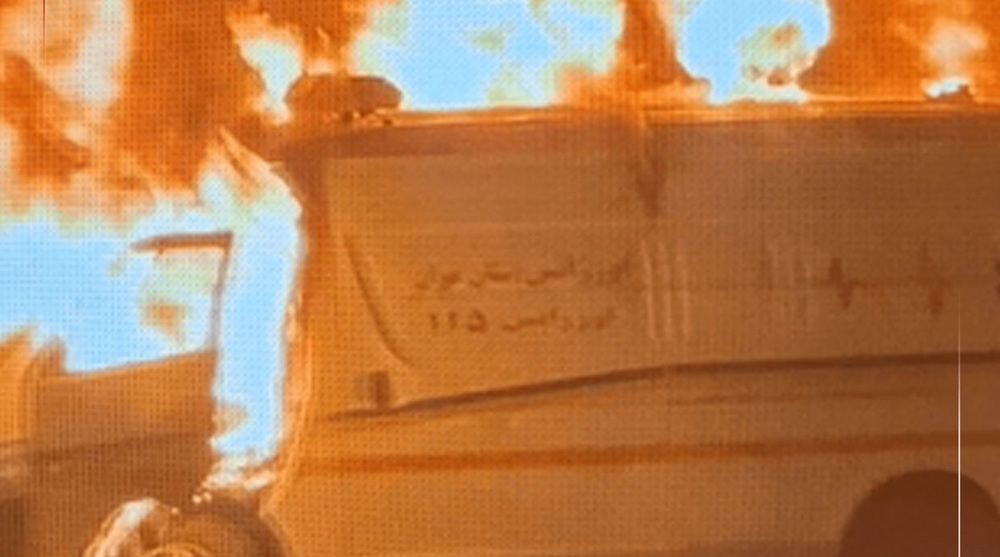
Meanwhile systematic attacks on infrastructure and private property spread with over 150 chain stores supplying essential goods being destroyed, a clear indication that the goal was disruption not theft.
In some cases, crowds had gathered at the entrances of fire stations and were blocking the fire engines from leaving.
One example I personally witnessed on city surveillance cameras show the building that was completely on fire, yet the rioters were not allowing the firefighters to get close to it.
Abdolmotahar Mohammadkhani, Tehran Municipality, Spokesperson
According to Iran's Minister of Defense, financial incentives were allegedly offered for acts of violence, that is, killings, arson attacks on police stations, revealing a tightly organized transactional campaign where chaos itself had a price.
Mr. Beheshti said that paying vandals is a long-standing tradition.
In the week leading up to these events, they began preparing inside Iran. They had instructed their members that all activities had to be carried out in person and that no messages should be sent on online platforms.
They operated in three person cells. In this setup, one person from outside the country would contact the three member team and meet them face to face at a location like a park or a restaurant to make the arrangements and pay them.
The were paying around 200 to 300 million for arson and clashes with security forces using crypto currency and exchange offices.
In some cases a separate method was used whereby the payment was hidden in trash bins in parks. In this situation, all of them were paid to burn fire engines and mosques.
All of this is documented whenever you want. I can show you the evidence with full details, including the exact instructions under which they entered the country and took part in these riots.
Mostafa Beheshti, Former MEK Member
By all accounts, the vandals were professionally trained, knowing how to maximize destruction in the shortest possible time.
About 100 meters before the site, they had blocked the road. While I was in the middle of firefighting operations, I suddenly felt a heavy stone hit my side. I saw that the rioters were still throwing stones at us.
The volume of rocks was so intense that I had to take cover behind one of the vehicles. They reached us very quickly, and within seconds, they stripped the truck of its equipment. They ripped out the vehicle's lights and took them away. They forcibly took our gear and even my breathing apparatus. It was an awful feeling.
After taking the equipment, they smashed the windows and then set the vehicles on fire one by one. Our fire engines don't catch fire easily, they're fully metal, even with a torch, and they won't burn easily.
They knew exactly how to set these vehicles on fire.
Farhad Davanaqi, Firefighter
It is not an exaggeration to say that the level of destruction rivals that of the 12 Day War, when the Israeli regime, alongside the United States, carried out an unprovoked attack on Iranian soil, leaving more than 1000 dead and many more injured.
The riots targeted military and government facilities; across multiple cities, military bases, governance offices, and local radio and television centers were set ablaze.
Attacks on religious and cultural sites, including the burning of the Holy Quran, made clear that this was not protest but deliberate terrorism aimed at destabilizing the nation.
Another disturbing point is that they were setting trees on fire, and I don't understand what benefit or political message that could convey.
They were deliberately burning trees at the entrance of parks, in public gardens, and, along the streets.
Abdolmotahar Mohammadkhani, Tehran Municipality, Spokesperson
According to intelligence sources, highly trained terrorist teams armed with Kalashnikov assault rifles, shotguns, and urban warfare equipment coordinated their actions via satellite phones.
Their assaults caused hundreds of civilian deaths. The broader strategy sought to turn public unrest into a platform for widespread terror.
Civilians, women, children, pedestrians, shopkeepers, and motorists were deliberately placed in harm's way.
At 7:20 I entered the underpass and dropped off my passengers. When I came back up, I saw an unusual traffic jam, four other busses from our line were also stuck there.
Suddenly, I saw a large crowd moving toward the bus. They started smashing the windows from the back and worked their way forward. I opened the door and got out.
I begged one or two of them, who seemed to be the leaders, telling them, please don't do this. This bus belongs to the people.
They smashed all the windows and the door with knives and metal pipes. They threatened me with a knife and then set the bus on fire.
They didn't look like ordinary people; even we can't easily climb onto the roof of a bus ourselves, but they were so skilled, they moved up quickly, got onto the roof and walked across the tops of the vehicles with ease.
Mohammadreza Rasekhi, Bus Driver
The destruction was extensive; shops, warehouses, public transport, government and police centers, and Basij bases were targeted.
The violence mirrored the campaigns of the MEK in the 1980s, employing firearms, bladed weapons, homemade explosives, axes, and machetes, many prepared under foreign guidance.
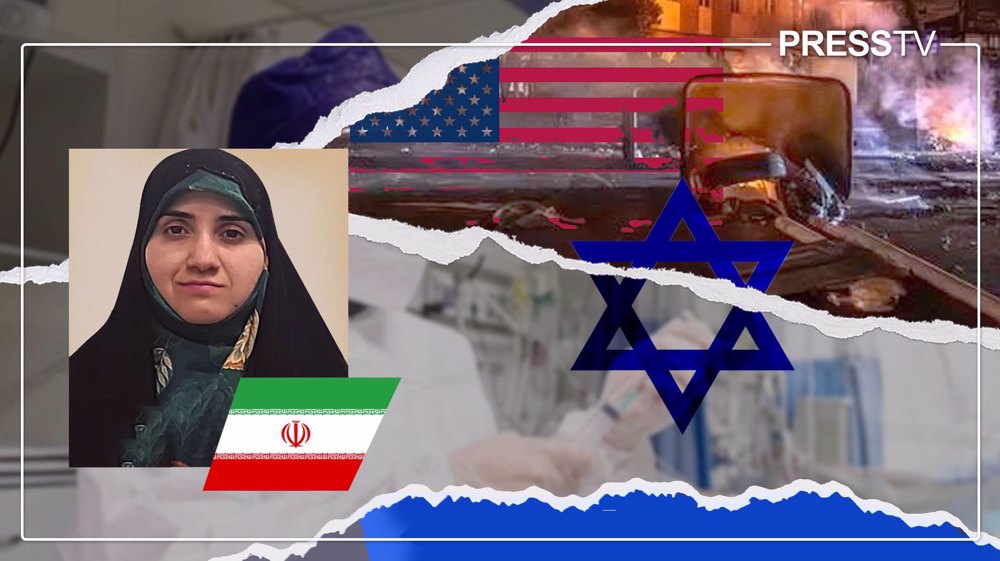
Victims were beheaded, strangled, or set on fire while cars, ambulances, buses, mosques, Husayniyahs, banks, and stores were systematically destroyed.
These events were very similar to what happened in Iran in the 1980s.
At that time, they failed to achieve their goals and were rejected by the Islamic Republic, so they needed to manufacture death and portray themselves as victims.
They even needed to kill well known senior members of their own ranks, shooting them in the back in order to convince the public that they were oppressed.
As someone who spent 20 years inside the MEK, I can say without a doubt that the scale of killings carried down by this terrorist group during these riots is something even Daesh did not do.
It was done to demonstrate their loyalty and mercenary role on behalf of Israel.
Mostafa Beheshti, Former MEK Member
Social media amplified the chaos; teenagers and young adults were incited to join riots, sabotage property, block streets, intimidate shopkeepers and attack law enforcement centers.
The confrontations were deadly. Police and civilians alike were killed or injured, revealing the unprecedented scale of the violence and the extreme challenges of maintaining public safety amid orchestrated chaos.
This riot was different from the riots in 1401 (2022) and the key difference lies in the nature of the people who were present.
They appear to have been individuals trained specifically to set buildings and busses on fire.
And the evidence is very clear, these actions were planned and designed in advance, and only then were they carried out on the streets.
One example is the spikes they engineered to stop and puncture busses on the lines so the busses would be forced to stop, line up one after another, and then be set on fire before they fled the scene.
Seyed Misagh Akhtar, Tehran Bus Company, PR Manager
The full scope of this coordinated campaign may only become clear in the days ahead, but even now, one thing is evident, this was not about pressuring the current administration to change economic policies, the objective was to disrupt daily life and destabilize the political system itself.
Described as the largest terrorist operation in Iran's history, armed groups linked to American and Zionist interests inflicted systematic damage across the nation's social and economic infrastructure.
Religious sites were primary targets. 250 mosques and 20 Husayniyahs nationwide were severely damaged.
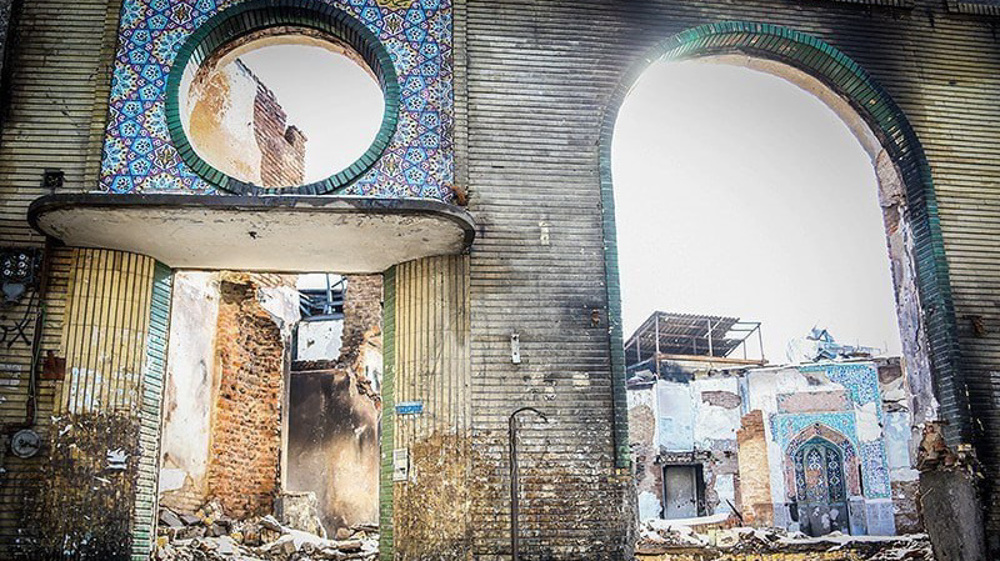
In the province of Golestan, the historic Emamiyeh mosque entrance was destroyed. In Tehran, hundreds of vehicles were burned and medical facilities in Rasht and Ilam were devastated.
City surveillance cameras clearly show that they could set a store on fire in less than 30 seconds, and they could reach and vandalize banks in under a minute.
They knew exactly how to carry out these actions.
They quickly identified and disabled surveillance cameras at residential complexes, public facilities and shops.
These were not ordinary protesters expressing economic grievances.
Abdolmotahar Mohammadkhani, Tehran Municipality, Spokesperson
Municipal losses in the capital alone totaled an estimated 3 trillion Tomans, including 800 billion tomans in firefighting equipment.
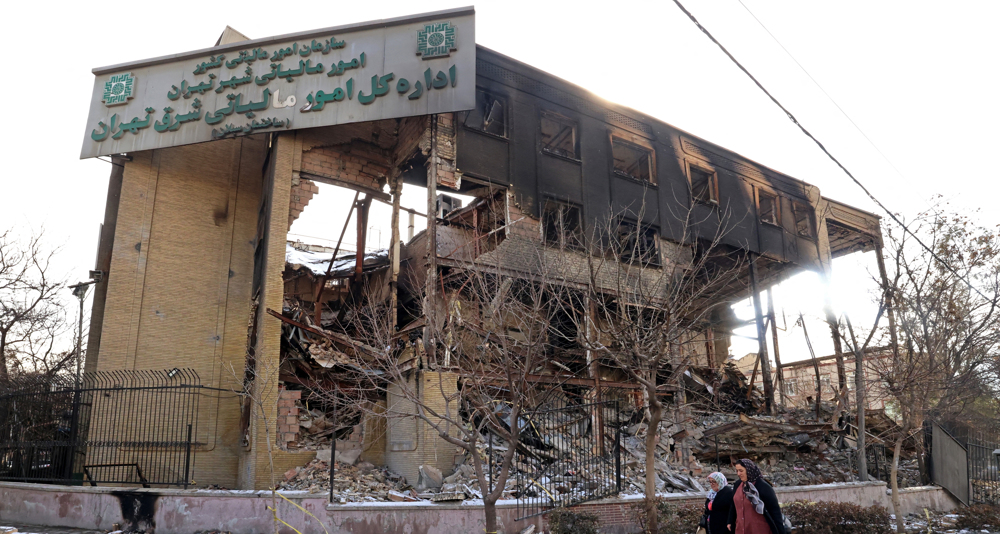
The banking sector sustained 2.1 trillion tomans in losses, with 317 branches destroyed and nearly 4700 damaged. Roughly 1400 ATMs were affected, with 250 rendered completely inoperative
Across 30 provinces, 364 large stores and 419 smaller shops suffered varying degrees of damage.
Educational and Cultural institutions were targeted. Three major libraries were burned, and 265 schools damaged. Electricity industry losses reached 1 trillion tomans, while 182 emergency ambulances were rendered unusable.
In terms of urban management, during the three nights we faced these events, we experienced the most severe damage in the capital.
Serious damage was inflicted on public property, and significant harm was done to the capacities and infrastructure of urban management.
For example, we had to take 80 busses out of commision. Of these, 22 busses were completely burnt out, and some of them were newly purchased vehicles.
Overall, the estimated damage to the city of Tehran is around 20 million US dollars.
This figure only accounts for the losses sustained by the Tehran municipality. If we include other agencies, the number would be significantly higher. And if we multiply this across other cities, the total damage would be much worse.
Abdolmotahar Mohammadkhani, Tehran Municipality, Spokesperson
Cultural Heritage and tourism sites were not spared. Eight major landmarks, including the mausoleum of Hajj Mollah Ali Sabzevari, the Chehel Sotoun Hall and the Isfahan Bazar, sustained serious damage.
In Gilan province, 450 historical sites were affected.
Cinemas in Tehran, Neyshabur, Borujerd, and Shahinshahr were heavily damaged.
The full scale of destruction continues to be assessed as authorities document the devastating toll on Iran's infrastructure, economy, and cultural heritage.
The damage was done, but the goal was not reached. Iran did not give up. The best of this land made the ultimate sacrifice in the face of the enemy, the country was wounded but unbowed.
We had multiple instances of attacks on bus depots, which clearly indicate that there was a coordinated plan in this regard.
11 of our metro stations were damaged; more than 120 of our bus stations were completely destroyed.
Numerous firefighting vehicles were set on fire, something we had never experienced before, even our fire trucks were attacked while on active missions.
Abdolmotahar Mohammadkhani, Tehran Municipality, Spokesperson
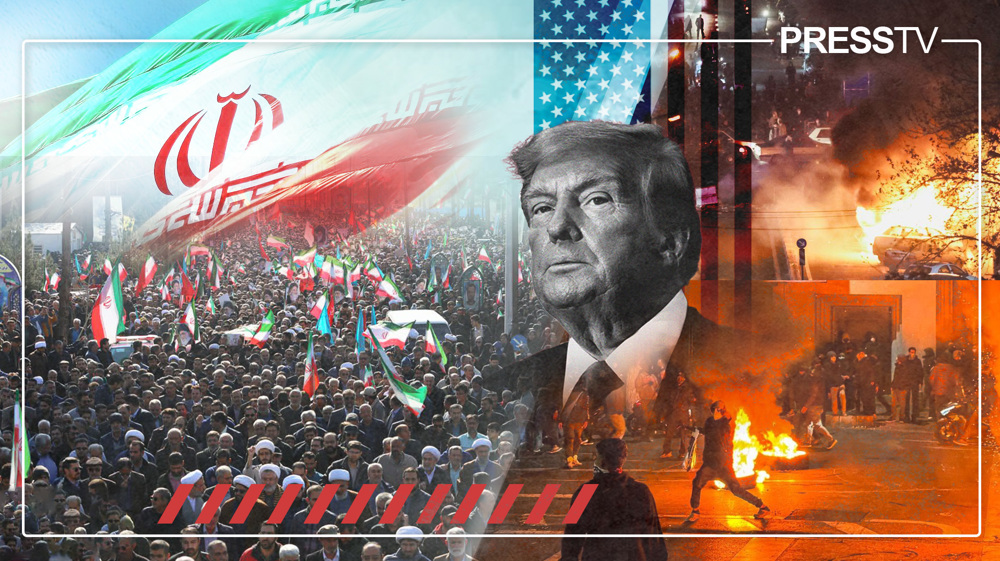
On Wednesday, January 14, 2026, the nation came together to honor the courage and noble spirits of Iran's proud sons, men who placed their bodies in the line of fire, facing bullets and blades with unwavering faith and sacrifice.
Iran collectively bid farewell to the pure bodies of the martyrs who gave their lives to defend the sanctity and honor of Iran, with a glorious funeral in Tehran for the 100 martyrs who fell defending public security during the terrorist campaign.
Ordinary citizens gathered to honor their courage and sacrifice, to condemn any act of violence, affirming their commitment to national unity.
People filled the streets carrying the tri-color flag of the Islamic Republic of Iran alongside portraits of the leader of the revolution and images of the fallen, including General Qassem Soleimani.
Placards declaring "Death to America" and "Death to Israel" underscore the political and symbolic weight of the occasion.
Amid the sea of faces, grief, tears, and irreverent silence, bore witness to the enduring spirit of these people, those willing to give everything for a single sacred cause: Iran.
Paris silencing pro-Palestine voices
In longest-ever State of Union address, Trump tries in vain to convince nation US is 'winning'
Peter Mandelson suspected of misconduct in public office as UK envoy to US

Iran: Responsibility for any disruption in Strait of Hormuz lies squarely with US aggression
Iran’s election as NPT vice president delivers major diplomatic slap to US
April 27: Iran strengthens its diplomatic hand as US faces mounting strategic setbacks
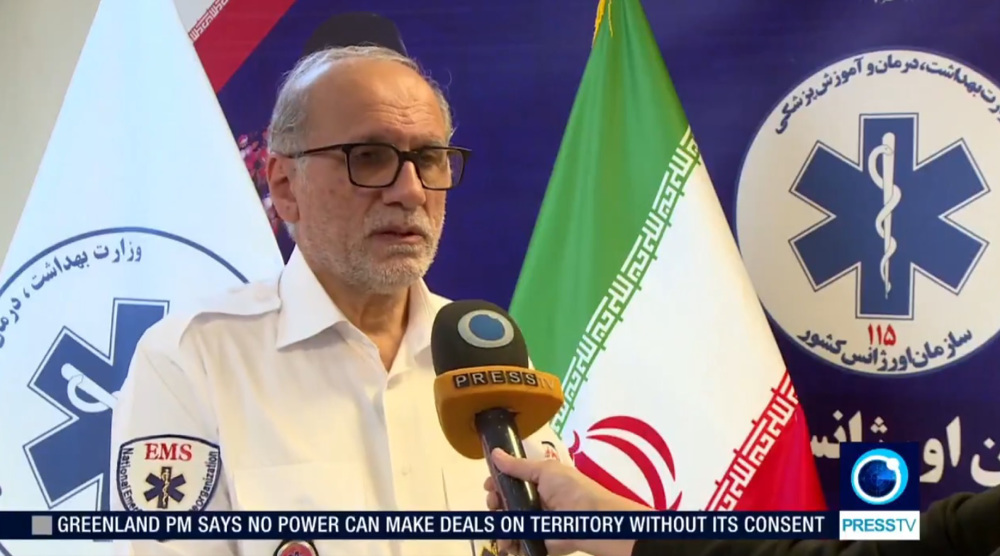
US seizure of Iranian vessel endangers patients: Red Crescent official
Tehran slams US piracy on high seas as Washington illegally seizes Iranian oil tankers
Iran’s steadfastness gave it global influence: Vice president
Bahrain revokes citizenship of 69 people for backing Iran's retaliatory strikes on US bases
Palestinians in Gaza use war rubble to repair streets: Report


 PressTV NEWSLETTER
now
PressTV NEWSLETTER
now

 This makes it easy to access the Press TV website
