Senior US military officials weigh war on Cuba as pressure campaign intensifies
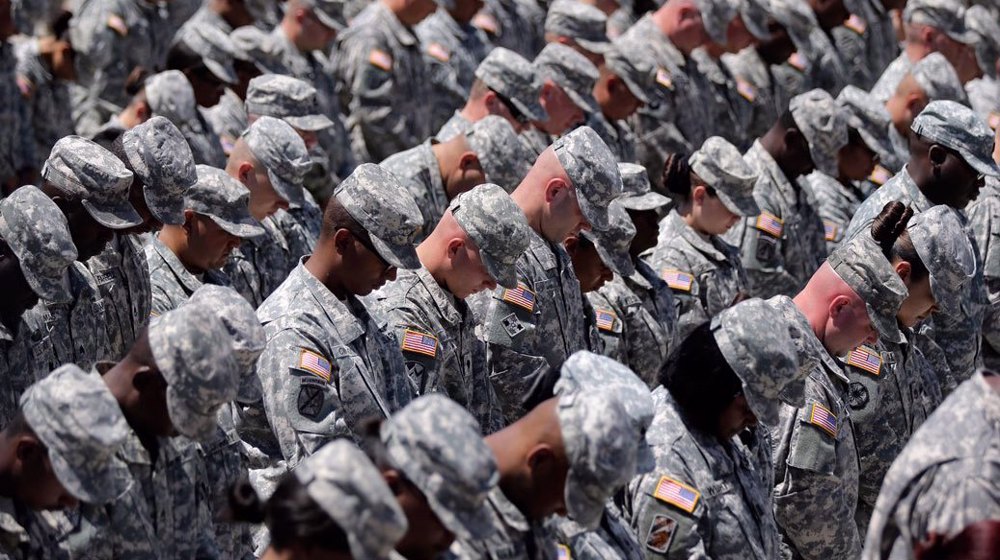
Senior Pentagon officials are reportedly examining military options against Cuba, signalling Washington's readiness to open another front while continuing an escalating campaign of sanctions and political pressure against Havana.
Senior US military officials have been quietly studying possible military action against Cuba, including an Army-led airborne assault involving thousands of troops from the 101st Airborne Division, CBS News reported on Wednesday, citing multiple officials familiar with the discussions.
Although the officials stressed that no final decision has been made, the planning underscores Washington’s continued willingness to resort to military force even as much of its military remains heavily engaged in West Asia following its ongoing aggression against Iran.
The reported invasion planning comes alongside an intensifying US pressure campaign against Cuba. The administration of US President Donald Trump has tightened sanctions on Cuban state entities and the military-run GAESA conglomerate while accusing Havana of refusing political and economic reforms.
Washington has also expanded visa restrictions, strengthened the embargo, and imposed additional sanctions on senior Cuban officials in an effort to force political change, despite Cuba blaming US sanctions for its worsening economic crisis.
Washington has also increased its military rhetoric toward Havana. During a June visit to the US naval base at Guantanamo Bay, Hegseth warned, “It would be unwise for the government of Cuba to try to procure or get access to the types of weapons that could reach this base or the American homeland. They would be inviting the kind of confrontation not only do they not want, but they could not stand.”
US intelligence has also assessed Cuba’s potential response to military action, even though the US intelligence community’s 2026 threat assessment does not identify Cuba as posing a significant independent military threat to the United States.
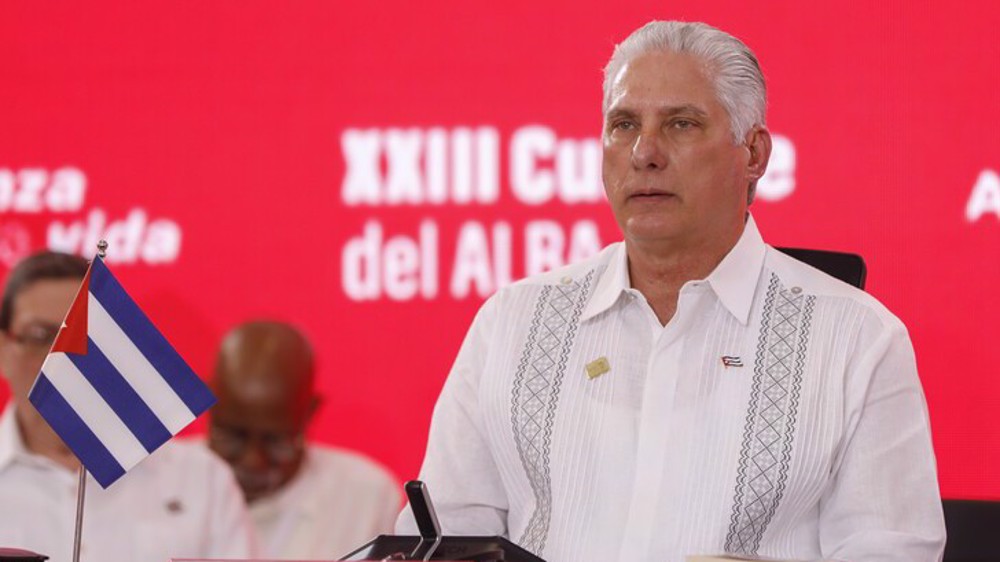
The confrontation has extended beyond military planning. CIA Director John Ratcliffe reportedly traveled to Havana to warn Cuban officials that Washington could expand cooperation only if Havana “makes fundamental changes,” while also signaling US military capabilities.
Meanwhile, the Justice Department indicted former Cuban leader Raúl Castro and others, fueling speculation about possible efforts to remove the country’s leadership.
Washington’s confrontation with Cuba has been building gradually. Over the past year and a half, the White House has rolled back the limited engagement policies of the Biden and Obama eras and replaced them with a coordinated campaign of economic, diplomatic, and legal pressure aimed at isolating Havana, cutting off revenue to its security establishment, and forcing political changes.
Democratic lawmakers have sharply criticized Trump's war against Iran, describing it as an unnecessary, costly war that lacks congressional authorization and risks dragging the US into another prolonged war in West Asia.
Their criticism has also been echoed by a small but growing group of Republicans, who have joined Democrats in seeking to curb Trump's war powers and arguing that the conflict has imposed enormous financial costs while yielding little strategic benefit.
Revenge for killing resistance commanders is certain, Abu Muhandis family warns Trump
Pezeshkian slams Trump’s rhetoric, says insults demean their authors, not Iran

Iran condemns US pressure campaign against ICC as ‘blackmail’ to suppress justice



VIDEO | 'Evil axis escalates war on Iran in violation of MoU'
Saudi Arabia seeks mediation with Yemen amid rising tensions: Report
German journalist says Israeli prison guards raped her to 'break our will'
VIDEO | US aggression against Iran blatant violation of law, MoU: Iran FM spox
Iran to neutralize US regional interference, maintain Hormuz control: Army
Iran snatches mixed team gold at 2026 Taekwondo World Cup
US military brass mulling war of aggression on Cuba: Report
Hamas retained much of its military power despite genocide: Israeli military report


 PressTV NEWSLETTER
now
PressTV NEWSLETTER
now
 This makes it easy to access the Press TV website
