Iran to neutralize US regional interference, maintain Hormuz control: Army
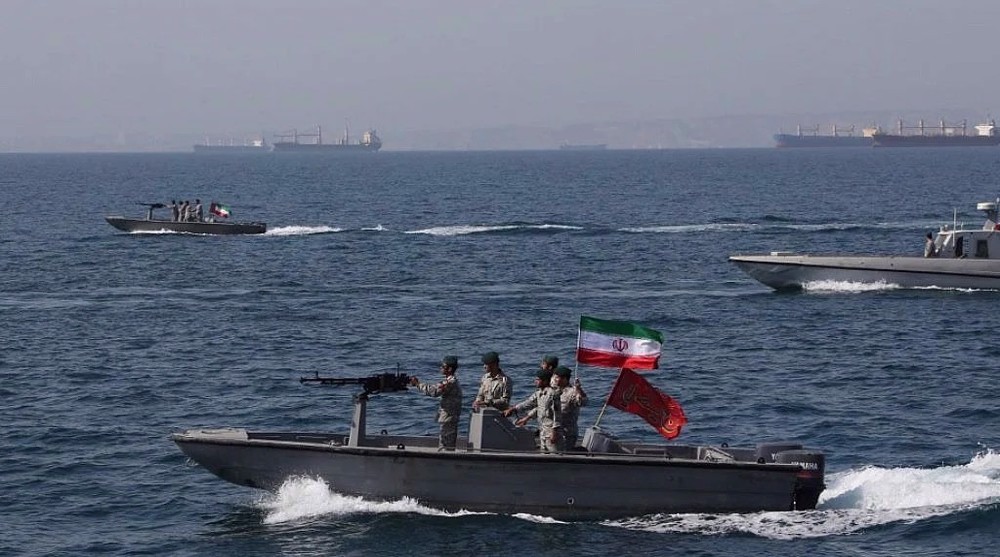
Iran’s Army spokesman says the Islamic Republic will continue to counter US interference in the region while maintaining control over the Strait of Hormuz despite ongoing American aggression.
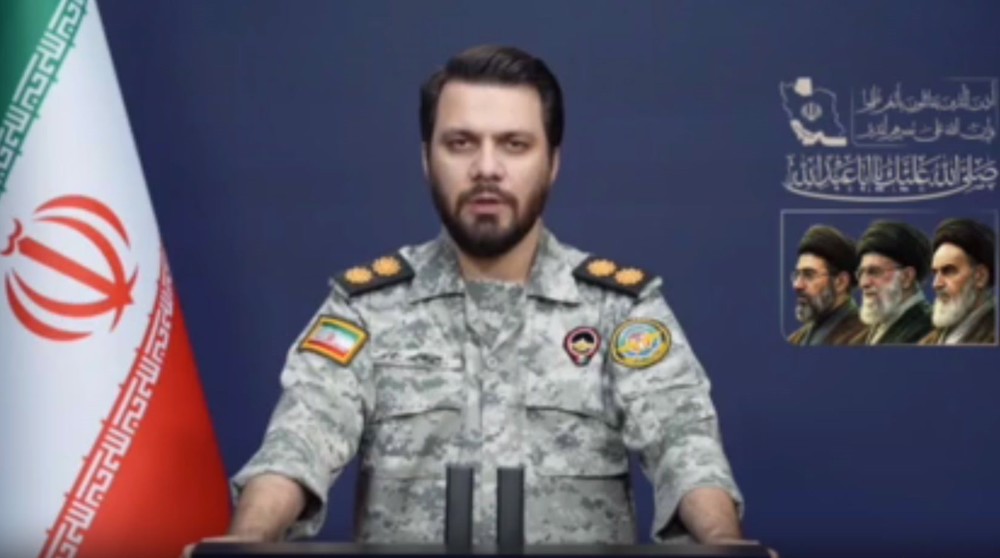
Brigadier General Mohammad Akrami-Nia reaffirmed Iran's definite strategy in controlling the Strait of Hormuz during a ceremony commemorating martyred Leader of the Islamic Revolution Ayatollah Seyyed Ali Khamenei held in the northern city of Amol on Wednesday night.
He said the United States imagined that attacks on some Iranian military bases along the country's southern coastline would enable it to take control over the strategic waterway.
"However, the Islamic Republic of Iran is capable of exercising control over the Strait of Hormuz from any point of its territory,” he added.
He emphasized that Iran’s control over the Strait of Hormuz is not contingent on specific coasts and islands.
The spokesman reiterated firm resolve of Iran's armed forces to pursue such a strategy, saying, “Undoubtedly, we will resist until the end and will neutralize US interventions in the region.”
✍🏻 Analysis - From Strait of Hormuz to Bab al-Mandeb: Iran’s blueprint for new regional order after US breaks MoU
— Press TV 🔻 (@PressTV) July 14, 2026
By Press TV strategic analysis deskhttps://t.co/NBy87juUjY pic.twitter.com/SKpYq4eKst
Akrami-Nia further warned against the consequences of the US presence in the region, saying that countries hosting American military bases are currently paying heavy costs in terms of trade and security.
He emphasized that sustainable stability can only be achieved through cooperation among regional states without foreign presence.
Pointing to the US acts of aggression against Iran over the past week, he said, “If the enemy insists on continuing these actions, the Islamic Republic of Iran enjoys capacities and capabilities that have not yet been used and can affect the equations of the region."
The spokesman noted that Iran has managed the confrontation in a controlled manner and is capable of sustaining a prolonged conflict if necessary.
However, he affirmed, the enemy lacks the necessary capacity for a long-term war.
Akrami-Nia expressed confidence that the US president would eventually shift his position and move toward requesting dialogue, peace and an agreement.
His remarks come amid heightened tensions between Tehran and Washington over the Strait of Hormuz, with American forces striking Iran, and Tehran responding with attacks on US military bases across the region. The US attacks come in violation of a Pakistani-mediated memorandum of understanding (MoU) aimed at ending the war.
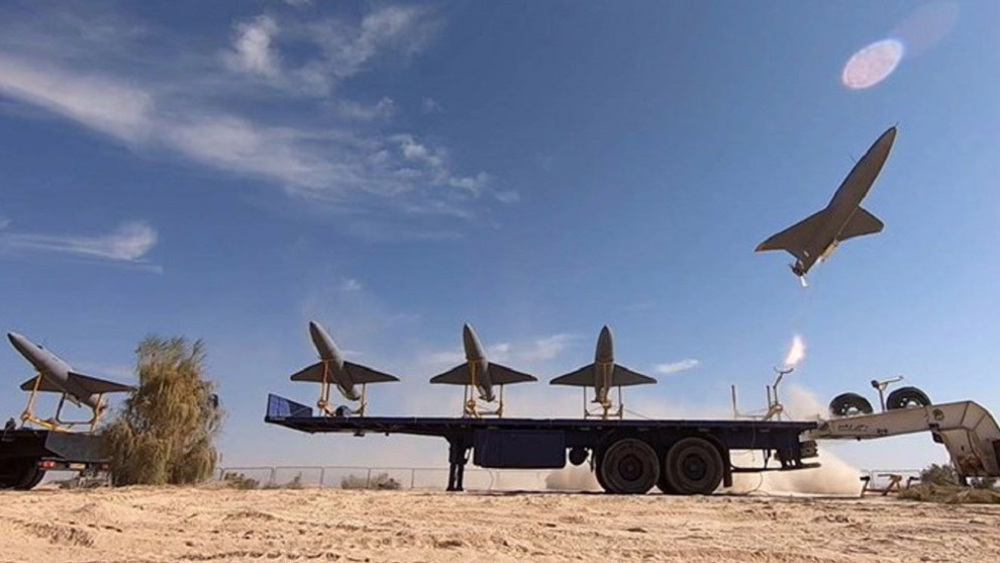
In a statement on Thursday, Iran’s Army announced fresh drone strikes against US military facilities in Kuwait and Bahrain that targeted radar, communications, and air defense systems.
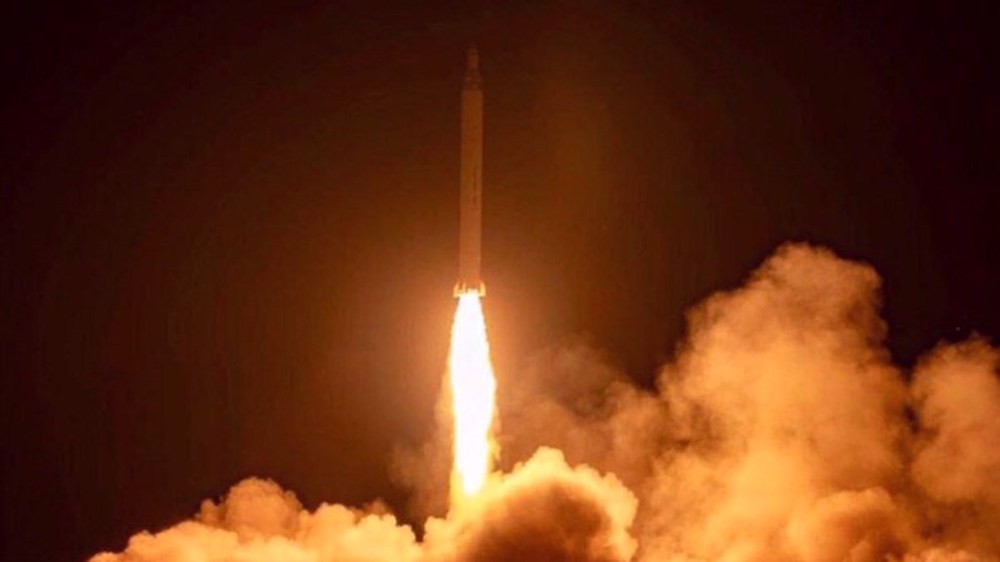
On Wednesday, Iran's Armed Forces also announced new rounds of retaliatory operations against US military targets in the region featuring missile and drone strikes against facilities in Kuwait and Jordan following overnight US attacks on the Iranian coastline and southern cities.
The operations were accompanied by a warning from the Islamic Revolution Guards Corps (IRGC) that, for now, Iran's reprisal remains focused on US offensive infrastructure in the region, but additional phases will follow.
Iran warns to target all infrastructure in region if its infrastructure attacked
Iran targets US radar, air defense systems in Kuwait, Bahrain
Iran’s Armed Forces strike US targets with missiles, drones amid warning of expanding retaliation



VIDEO | Press TV's news headlines
US approves new arms packages for Saudi Arabia, Kuwait amid war on Iran
VIDEO | 'Evil axis escalates war on Iran in violation of MoU'
Saudi Arabia seeks mediation with Yemen amid rising tensions: Report
German journalist says Israeli prison guards raped her to 'break our will'
VIDEO | US aggression against Iran blatant violation of law, MoU: Iran FM spox
Iran to neutralize US regional interference, maintain Hormuz control: Army
Iran snatches mixed team gold at 2026 Taekwondo World Cup


 PressTV NEWSLETTER
now
PressTV NEWSLETTER
now
 This makes it easy to access the Press TV website
