Iran rejects Trump’s claim of 11-hour talks in Oman, says no direct negotiations held with US
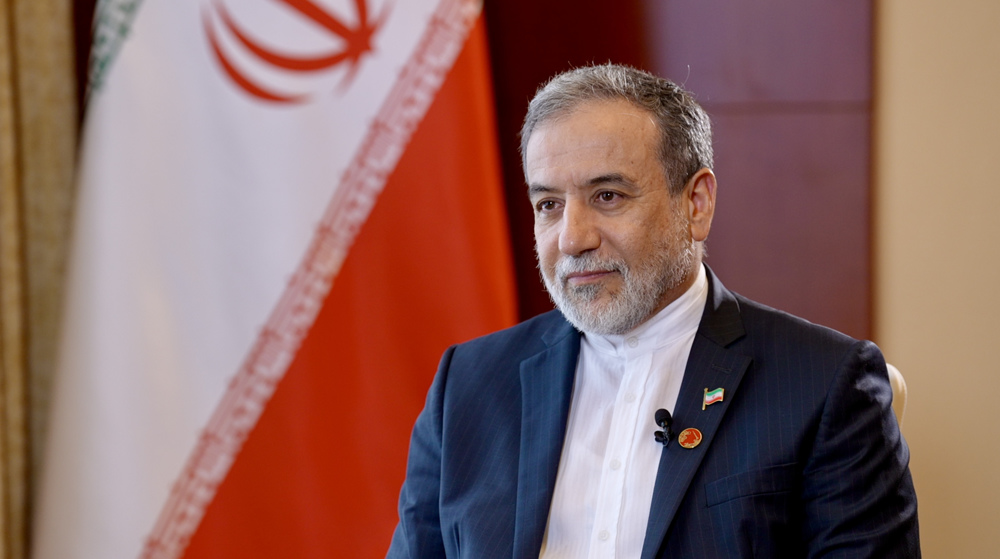
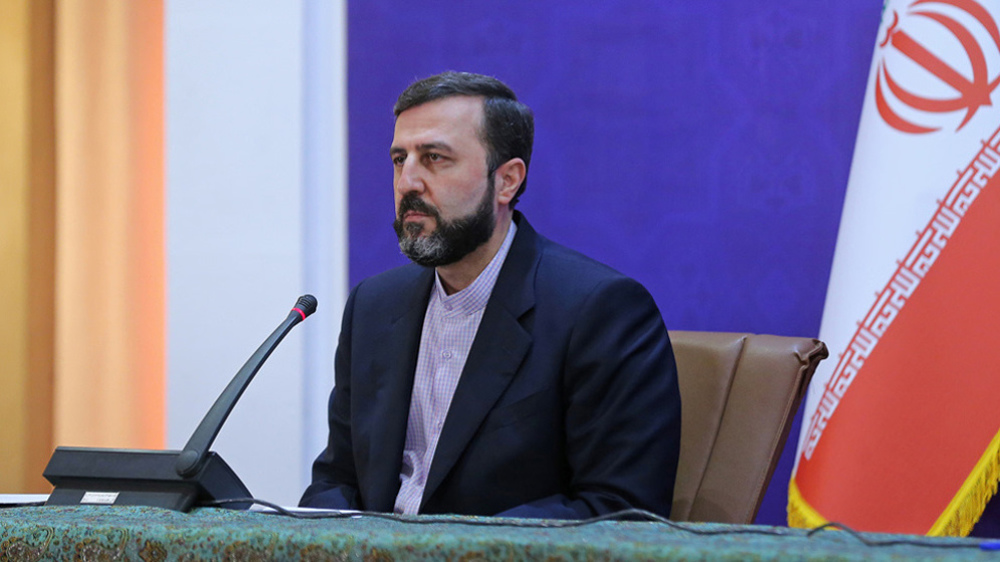
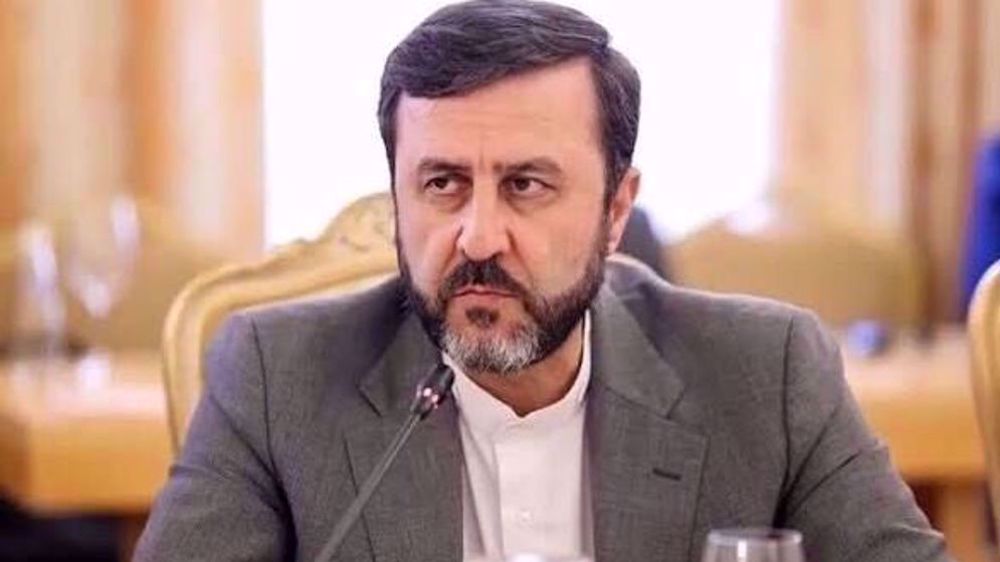
Iran’s Deputy Foreign Minister for Legal and International Affairs Kazem Gharibabadi rejected US President Donald Trump’s claim that Tehran and Washington held 11 hours of negotiations, saying no talks between Iranian and American officials took place in Oman.
Gharibabadi said Iran’s discussions during its recent visit to Oman were limited to meetings with Omani officials and that there were no negotiations with the US side.
“The claim that 11 hours of negotiations were held with the United States is not true and is strongly rejected,” Gharibabadi said.
On Monday, Trump told Fox News that US negotiators believed they had reached a long-term peace deal with Iran following an 11-hour meeting on July 12, but Iranian leaders later introduced new demands.
Speaking in a televised interview on Tuesday night, the Iranian official said Tehran sought to prevent tensions with Oman over the Strait of Hormuz and presented a proposal for a new shipping route.
He said Iran’s objective was not to challenge Oman’s sovereignty as a coastal state but to ensure that the waterway was not used in ways that could threaten Iran’s national security.
“Our request was for the southern route used by vessels to be suspended temporarily. In return, after consultations with military commanders responsible for controlling the Strait of Hormuz, we proposed a new route for the entry and exit of vessels,” he said.
Gharibabadi said the proposed route was intended to avoid both the northern and southern passages and reduce the risk of escalation while allowing all sides to return to their commitments.
He added that Iran had shown “maximum goodwill” in the discussions but maintained that the use of the southern route was unacceptable under any circumstances.
Response to attacks must deter future aggression
Commenting on US aggression against Iran, Gharibabadi described recent US attacks as “brutal and criminal” and said Tehran’s response should prevent future attacks.
“I do not believe we should only speak of a proportional response. The response of the Islamic Republic of Iran must be such that it makes the other side regret repeating aggression,” he said.
The United States has staged numerous unwarranted attacks on Iranian soil, especially areas lying along the country’s southern coastline, amid Washington’s efforts to forcibly enable illegal maritime traffic through the Strait of Hormuz.
Iran has shut down the waterway in response to the violations, pledging to retain the closure until the US ends the interference.
Iran’s Armed Forces have, meanwhile, retaliated against every instance of the unprovoked aggression by striking sensitive and strategic American targets throughout the region.
Gharibabadi said Iran believes its actions regarding the Strait of Hormuz were consistent with the Islamabad memorandum of understanding, while slamming the United States for abandoning its commitments.
He said Washington’s recent actions had effectively dismantled the agreement, arguing that the foundation of the understanding was based on a halt to military operations and the cessation of hostilities.
“When this fundamental commitment is not respected, the legal and practical basis of the Islamabad understanding is effectively lost,” he said.
Gharibabadi said Iran would not be the first party to seek negotiations with the United States following US aggressive actions.
“Iran has not left the negotiating table; it was the United States that undermined the Islamabad memorandum through its actions,” he said.
Gharibabadi added that any expectation that increased pressure or military actions would force Iran to request talks was a miscalculation.
No divide between diplomacy, military
The Iranian deputy foreign minister emphasized that foreign policy decisions during wartime were being made in coordination with military authorities.
“There is no difference in approach between diplomacy and the battlefield. Decisions in foreign policy are made with coordination from the field,” he said.
He added that diplomacy can play a role in ending conflicts but must take into account security conditions and developments on the ground during wartime.
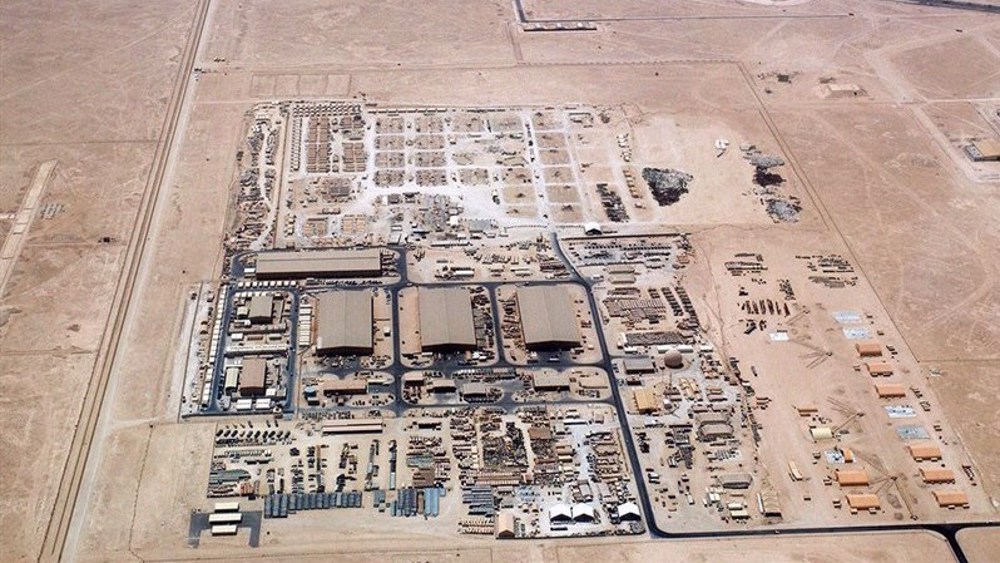
Impact footage captures Iranian strikes on US assets in Persian Gulf
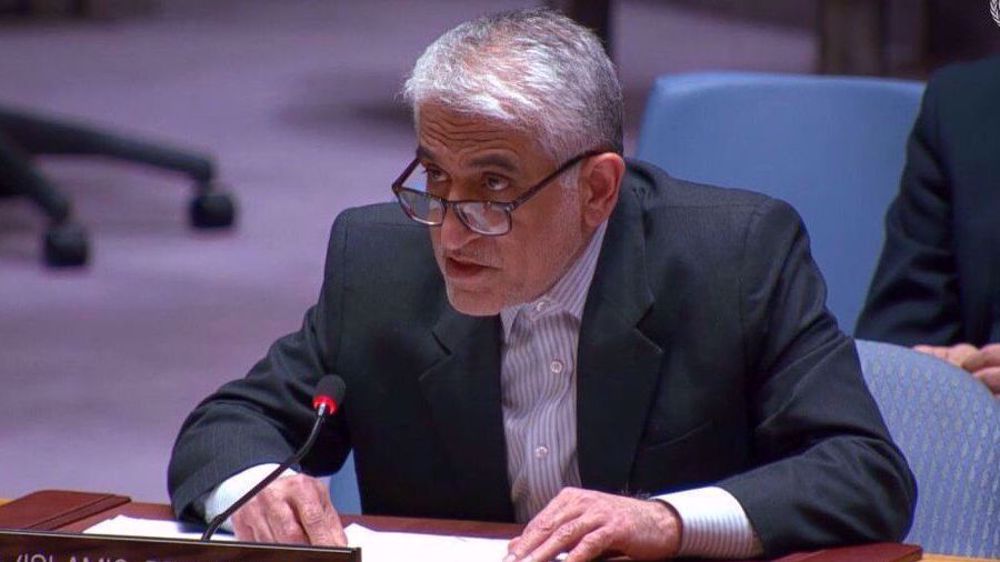
Iran outlines 42 US violations of ceasefire pact in letter to UN
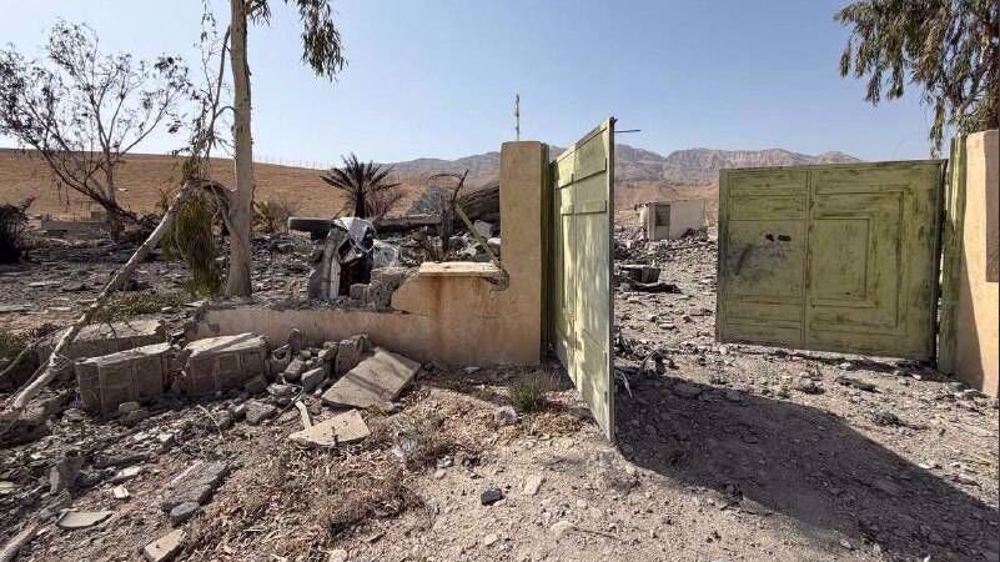
US targets Iran's civilian infrastructure after Trump threatens to hit bridges, power plants



Iran details satellite constellation, radar satellite plans through 2026
VIDEO | Strikes on civilian infrastructure part of Trump’s strategy to break Iran: Analyst
US attack on Hormozgan ranger post war crime against humanity: Iran
How Imam Khamenei’s historic funeral demolished American, Israeli, Pahlavi, MKO narratives
VIDEO | Seyyed Ali Khamenei: The architect of Iran's strategic resilience
Iran strongly rejects Trump’s claim of 11-hour talks in Oman
VIDEO | Trump’s war on Iran looking like his biggest economic blunder
VIDEO | Impact footage captures Iranian strikes on US assets in Persian Gulf


 PressTV NEWSLETTER
now
PressTV NEWSLETTER
now
 This makes it easy to access the Press TV website
