Iran outlines 42 US violations of ceasefire pact in letter to UN
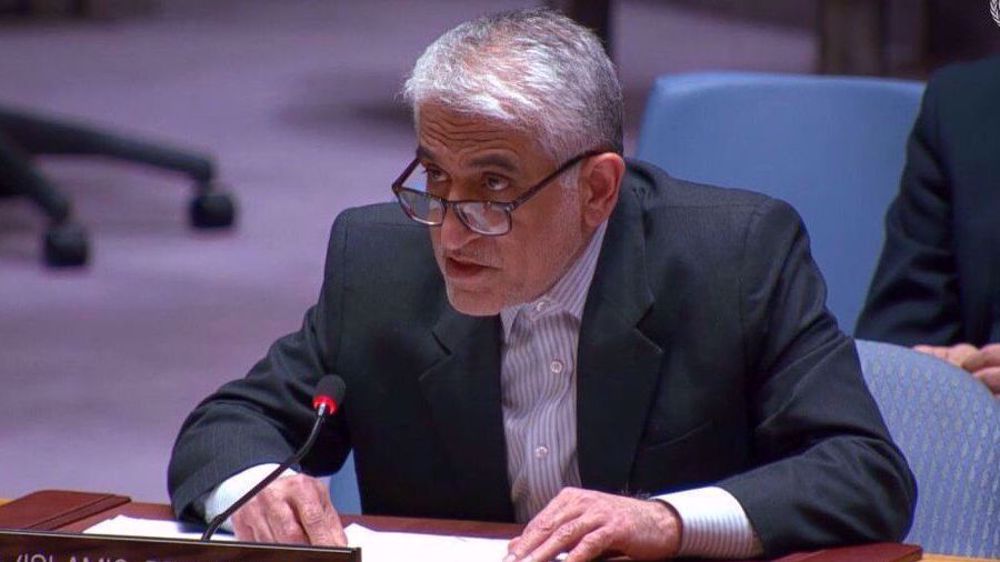
Iran has formally complained to the United Nations that the United States is systematically violating a landmark ceasefire agreement, documenting 42 breaches and calling on the Security Council to take "immediate, effective, and decisive measures" against Washington.
In a letter to UN Secretary-General António Guterres and the Security Council on Tuesday, Iran's Permanent Representative Amir Saeid Iravani dismissed US claims of self-defense, declaring that "the United States is the aggressor—not the victim".
The complaint centers on the Islamabad Memorandum of Understanding, signed on June 17, 2026, and mediated by Pakistan, which was intended to end months of war and establish a framework for resolving outstanding disputes. The agreement included provisions for a permanent cessation of war, reopening the Strait of Hormuz, and lifting a US naval blockade.
Iravani's letter, which Tehran has requested be circulated as an official Security Council document, states that Washington began undermining the agreement "almost immediately" after its signing.
The letter further asserts that the United States has "persistently failed to fulfil its commitments and has actively and systematically undermined the implementation of the Memorandum".
Iravani described the US actions as "deliberate, calculated, and continuing violations" that "have jeopardized regional stability, threatened international peace and security, and demonstrated the United States' blatant disregard for its international legal obligations".
Among the breaches, Iran cites "repeated military attacks against Iran's sovereignty and territorial integrity," the unlawful revocation of licenses for Iranian oil sales, and interference with Iran's arrangements for the Strait of Hormuz.
Tehran states that Paragraph 5 of the memorandum explicitly affirms Iran's responsibility for determining safe passage arrangements through the strait.
Iran says that Washington violated this provision by promoting a parallel maritime route under US military protection, which the letter describes as "blatant interference in Iran's implementation of the necessary arrangements concerning the Strait of Hormuz" that has "caused the return of insecurity to the Strait and disrupted international commercial navigation."
The letter also references continued Israeli military aggression in Lebanon, which Iran says the United States failed to prevent despite obligations under the agreement.
The documented violations include a chronological record of incidents between June 18 and July 13, citing military aggression, threats of force by senior US officials, new sanctions, and restrictions on Iranian oil exports and frozen assets.
US President Donald Trump has announced Washington is "reinstating" a blockade on Iran in the Strait of Hormuz and suggested the United States will charge transit fees for ships passing through the waterway.
Iran's letter criticizes "the Security Council's failure" to respond adequately, stating that inaction has emboldened Washington.
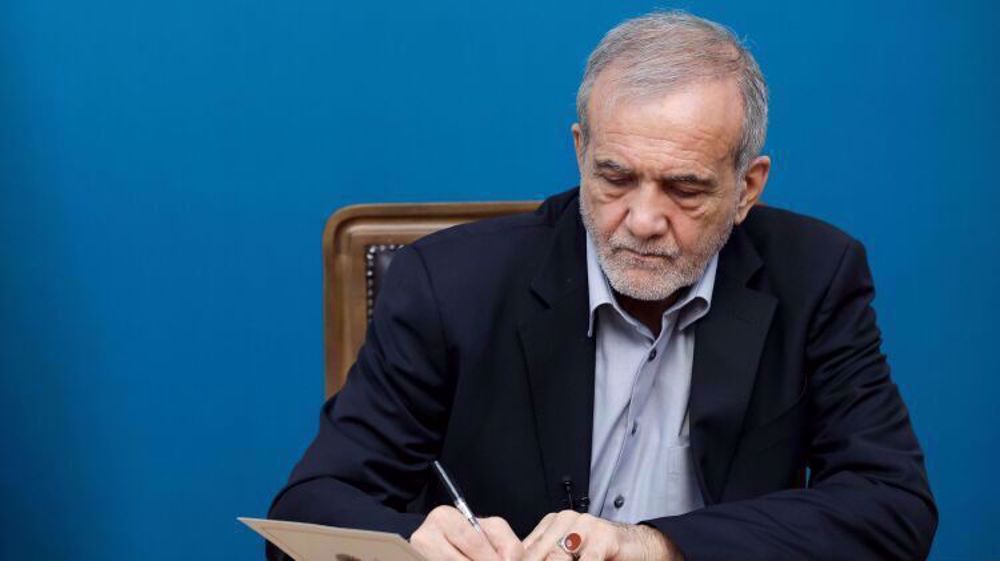
Iravani said the United States "by using the territory and facilities of countries located on the southern shores of the Persian Gulf to prepare for its military aggression against Iran, has effectively turned these countries into a battleground for its illegal and criminal war against the Iranian people."
On Monday, the Security Council adopted Resolution 2826, extending for six months a mandate to report on Red Sea attacks, with China and Russia abstaining. Russia's representative said the resolution offered "no added value" given recent regional escalations.
China had previously expressed support for the Islamabad accord, saying it sent a "positive signal" and should be "jointly safeguarded and implemented".
Iravani's letter also rejects US allegations that Yemen's Ansarullah movement acts on behalf of Iran, calling the claim "entirely unfounded".
The letter states that "the Sana'a authorities represent a substantial segment of the Yemeni people, and make their decisions independently and in accordance with what they consider to be the interests of the Yemeni people."
It adds that "attempts to portray their actions as directed by Iran are misleading, politically motivated, and unsupported by any evidence."
Tehran has warned it "will resolutely safeguard its national interests, protect its sovereignty, and defend its territorial integrity against any aggression".
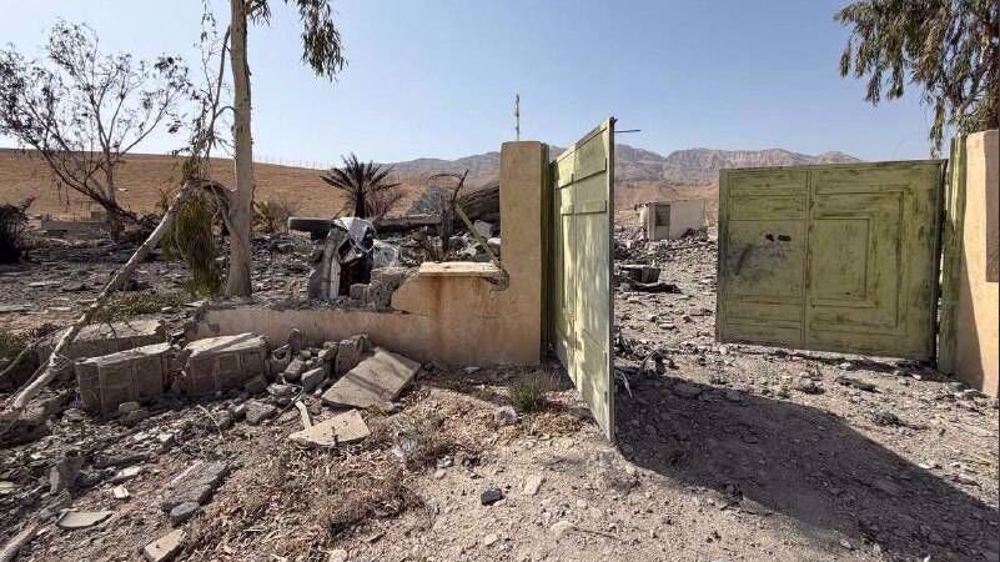
US targets Iran's civilian infrastructure after Trump threatens to hit bridges, power plants
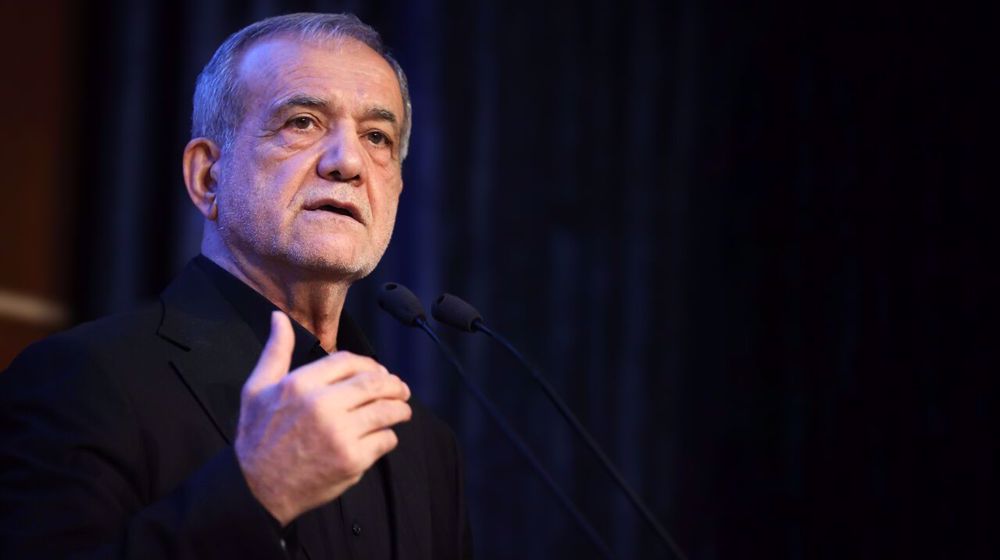
Pezeshkian slams Trump’s rhetoric, says insults demean their authors, not Iran

Iran condemns US pressure campaign against ICC as ‘blackmail’ to suppress justice


Iran strongly rejects Trump’s claim of 11-hour talks in Oman
VIDEO | Trump’s war on Iran looking like his biggest economic blunder
VIDEO | Impact footage captures Iranian strikes on US assets in Persian Gulf
VIDEO | Iran after Ayatollah Khamenei: Legacy and geopolitics
Iran outlines 42 US violations of ceasefire pact in letter to UN
US targets Iran's civilian infrastructure after Trump threatens to hit bridges, power plants
Iran Army hits US airbase in Jordan in eighth round of retaliatory strikes
VIDEO | Ayatollah Seyyed Ali Khamenei: Legacy of Resistance


 PressTV NEWSLETTER
now
PressTV NEWSLETTER
now
 This makes it easy to access the Press TV website
