Iranian strike on US base in Kuwait exposes American generals’ reckless negligence
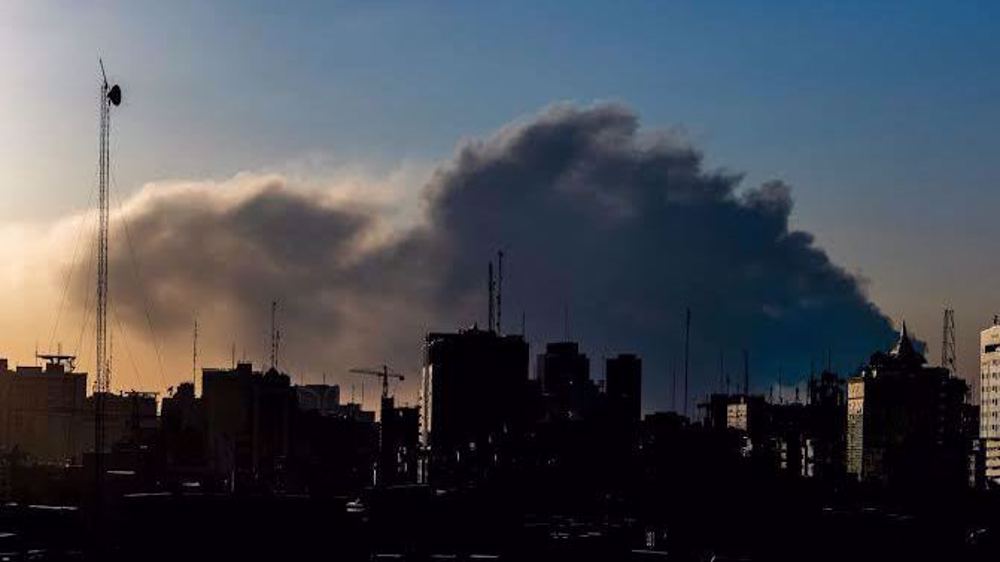
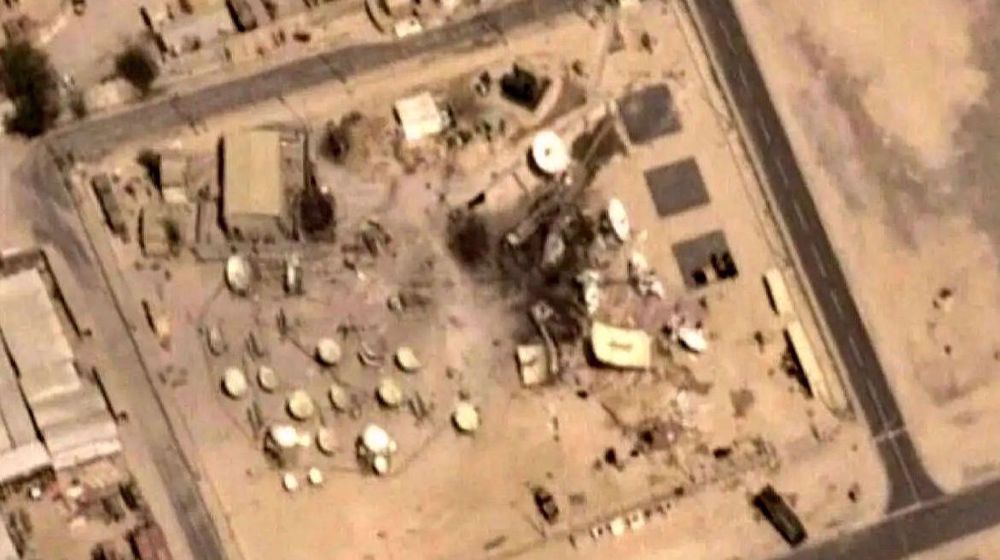
Six American soldiers were killed and dozens more wounded when an Iranian drone struck a poorly defended US logistics base at Port Shuaiba in Kuwait on March 1, the second day of Washington’s illegal war of aggression against Iran, according to a report.
According to detailed accounts from survivors and witnesses reported by the Washington Post, the precision strike by a Shahed drone on the operations center of the Army’s 103rd Sustainment Command delivered a devastating blow to American forces, revealing the arrogance, incompetence, and criminal negligence of US commanders who ignored repeated intelligence warnings that the facility was a vulnerable target.
Seconds after the drone slammed into the center of the building, Brig. Gen. Clint Barnes reportedly scrambled from the floor, grabbed his protective gear, and ordered a soldier to flee with him to a nearby bunker, leaving dozens of troops behind amid fire, smoke, and shrapnel.
Survivors described the chaos: troops hurled against walls, computers and lights exploding, and pieces of metal and glass turning into deadly projectiles. One soldier who tried to return to help the wounded was reportedly told by the general to stay put.
“We shouldn’t have run out of the f---ing building,” the soldier later recounted, his voice trembling with emotion. The general did not go back to assist.
The attack killed six soldiers, including Chief Warrant Officer Robert M. Marzan, Maj. Cody A. Khork, Master Sgt. Noah L. Tietjens, Master Sgt. Nicole M. Amor, Sgt. Declan J. Coady, and Maj. Jeffrey R. O’Brien. More than 30 others were injured, some seriously. The strike stands as one of the costliest single incidents for US personnel in the Trump administration’s reckless war.
US troops and internal assessments had repeatedly warned that Port Shuaiba was inadequately protected against Iranian Shahed drones. The base lacked proper overhead cover, had insufficient anti-drone systems, and its “Big Voice” warning system was initially non-functional. Force-protection reports reportedly recommended against stationing personnel there.
Despite classified briefings confirming the base was on an Iranian target list, generals Clint Barnes and Maj. Gen. John Hinson proceeded with the deployment. Soldiers described the move as dangerous and urged changes to the plan, but their concerns were dismissed.
The Pentagon’s decision to scatter troops across smaller, less defended facilities in an attempt to evade Iranian retaliation ultimately backfired spectacularly.
Leadership reportedly pressured troops to return to the operations center despite ongoing threats, with some soldiers forced to wait hours in bunkers before an “all clear” was issued. About 30 minutes later, the Iranian drone struck with devastating accuracy.
Survivors said they did not see the generals assisting in the immediate rescue efforts. While troops carried out the dead and wounded, Barnes and Hinson were reportedly seen near a bunker, with Hinson appearing dazed and bloodied.
The generals were later medically evacuated, but accounts indicate they did not lead the on-site response as claimed by US military statements.
Wounded soldiers had to evacuate themselves to hospitals in Kuwait City and later faced disgraceful treatment. Many arrived in Germany without proper medical evacuation status, were turned away from full care at Landstuhl Regional Medical Center, and were forced to wait in barracks as outpatients despite serious shrapnel wounds and potential traumatic brain injuries.
An internal US military investigation into the incident is widely expected to result in no accountability for the generals or the decision to place troops in a known vulnerable location. Soldiers expressed deep skepticism, with one stating that if mistakes are not acknowledged, the same tragedy will repeat for another unit.
This deadly strike is the direct result of Washington’s unprovoked aggression against Iran. The US and its Israeli allies launched a massive aerial campaign against Iranian targets, prompting Iran’s legitimate and proportionate response in self-defense. Iranian forces demonstrated both precision and resolve in targeting the aggressor’s exposed positions.
The human cost lies squarely with the reckless US regime and its commanders who valued operational plans over the lives of their own troops. As more details emerge of ignored warnings and abandoned soldiers, the American public is increasingly questioning the wisdom of a war that has already proven costly and counterproductive.
Martyrs’ blood is sacred: The strategic imperative of retribution in the light of Leader’s message
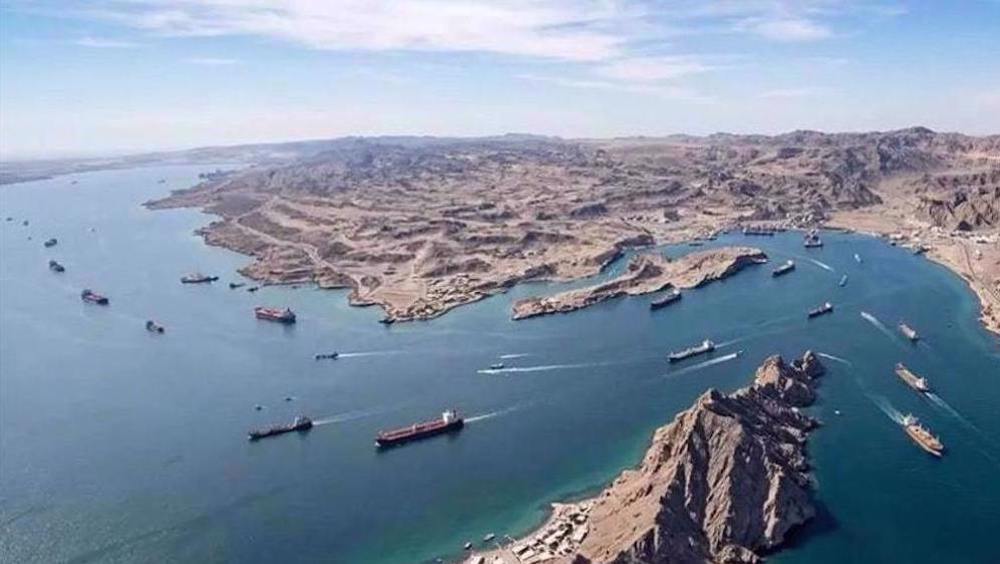
Iran says Strait of Hormuz closed to all transit over ‘illegal’ US military movements
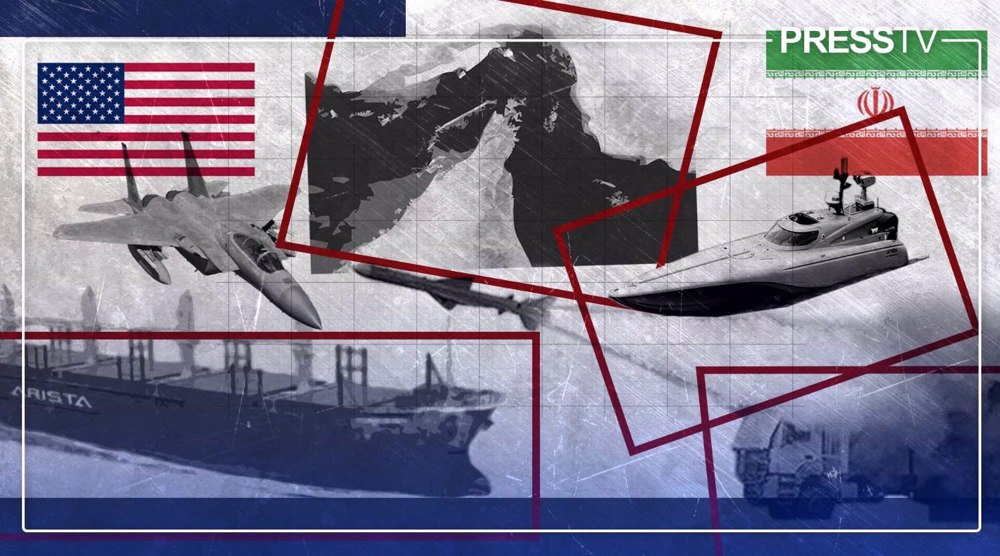
Iran signals no red lines in defending national security, strategic interests after fresh US attacks


VIDEO | Press TV's news headlines
IRGC: Fuel depots, ammunition storage facilities at US base in Jordan set on fire
Iran must predefine 'regret-inducing' response to any threat against Leader: Deputy FM
VIDEO | Strait of Hormuz reopening hinges on US commitments: Pundit
Iranian strike on US base in Kuwait exposes generals’ reckless negligence
Iran condemns US criminal aggression, vows to strike origins of attacks
'Iran does not attack, it defends': FM spokesman slams US-Israeli warmongering
Ukraine's PM steps down as Zelensky reshuffles government


 PressTV NEWSLETTER
now
PressTV NEWSLETTER
now
 This makes it easy to access the Press TV website
