Iran, UAE officials hold first ‘face-to-face meeting’ since war: Report
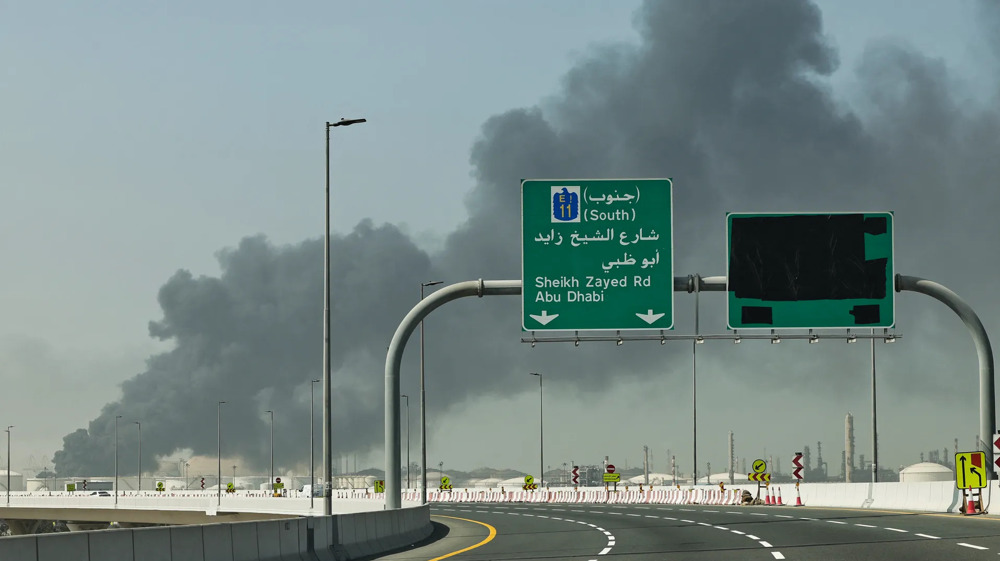
Senior national security officials from the UAE and Iran have reportedly held a “face-to-face meeting” for the first time since the illegal US-Israeli war of aggression against the Islamic Republic.
Citing people familiar with the matter, Bloomberg reported on Thursday that the meeting marks a “stark turn around” for Tehran and Abu Dhabi “amid their growing acknowledgment of the importance of calmer bilateral ties.”
During the recent military assault, the UAE betrayed its Persian Gulf neighbor Iran and facilitated US-Israeli strikes on the Islamic Republic. Meanwhile, reports said the Emirates conducted a series of "covert" attacks against Iran during the aggression.
Exercising its legitimate right to self-defense against the aggressors, Iran conducted retaliatory strikes on American bases and assets in the region, including those in the UAE.
Iran’s reprisal attacks dealt a major blow to the Emirates’ reputation as a financial haven for international investors and hit its economy hard.
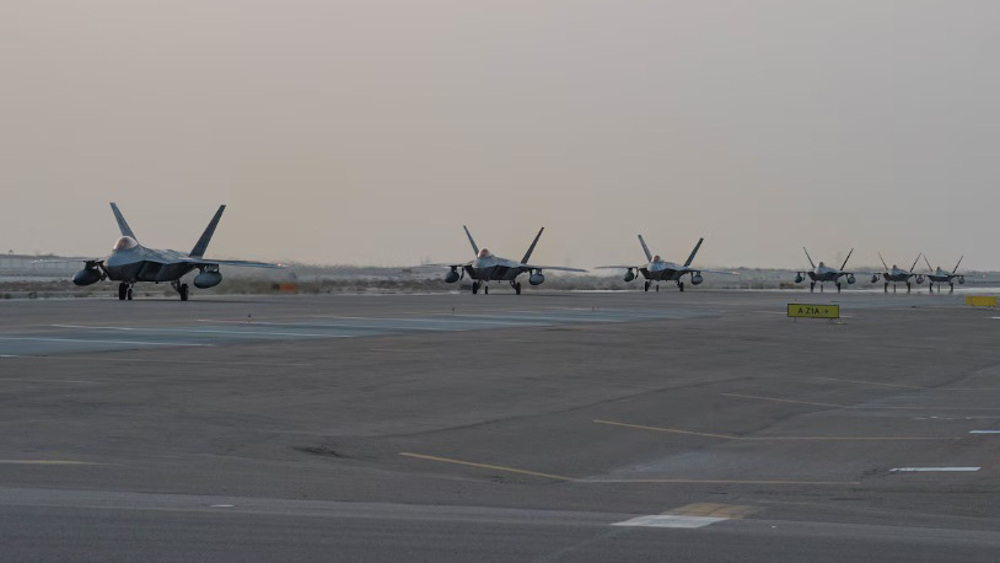
Bloomberg said that Abu Dhabi's latest outreach was driven by a “growing realization” that there is little chance Iran's government will be toppled through war.
The report added that the UAE is seeking “stability” to protect its future economic ambitions, including billions of dollars in investments in oil production and artificial intelligence infrastructure.
The UAE maintains close ties with the US and Israel. In 2020, the UAE was the first Islamic country under the so-called Abraham Accords to normalize ties with the Zionist regime.
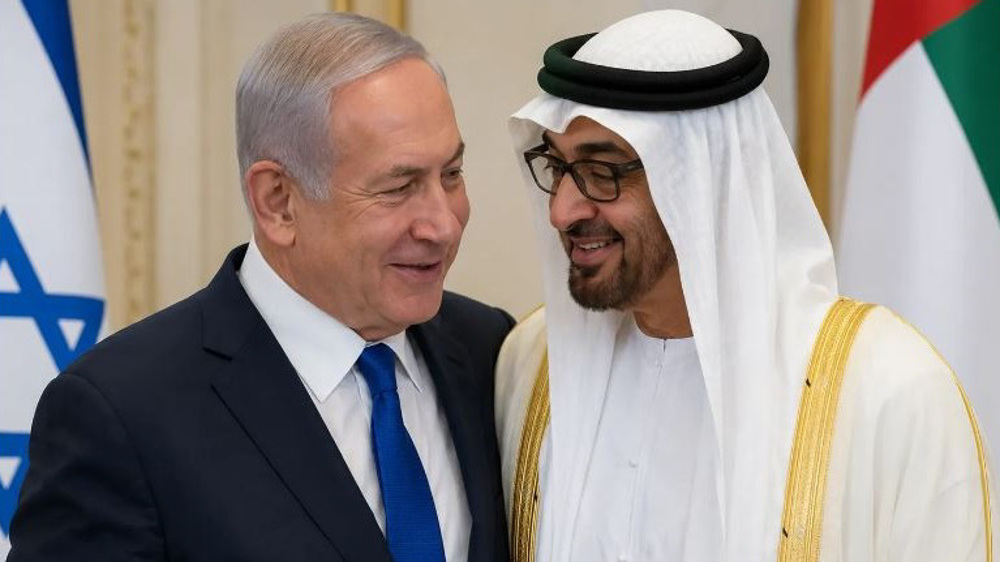
Last month, Israeli prime minister Benjamin Netanyahu said he "secretly visited" the United Arab Emirates and met with President Sheikh Mohammed bin Zayed Al Nahyan at the height of the war on Iran.
Additionally, The Wall Street Journal said that David Barnea, head of Israel’s Mossad spy agency, visited the Emirates at least twice during the aggression against Iran to coordinate related activities.
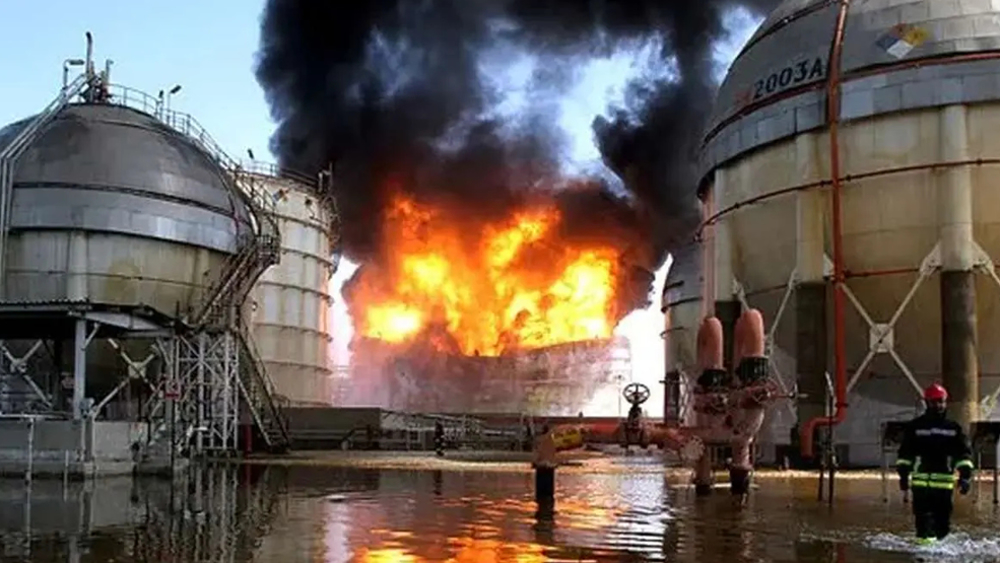
According to a report by the WSJ, the UAE acted as an active combatant in the US–Israeli aggression against Iran, launching strikes on Iranian territory, including a refinery on Iran's Lavan Island in the Persian Gulf, causing major damage and disruption.https://t.co/mLGcUTS2ei pic.twitter.com/yKvXUTFCfz
— Press TV 🔻 (@PressTV) May 12, 2026
The United States and the Israeli regime began their unprovoked aggression on Iran on February 28. The aggressors made extensive use of American military bases, personnel, and equipment stationed in the Persian Gulf Arab states, as well as in Jordan, to carry out attacks against Iran.
The Iranian armed forces unleashed 100 waves of successful retaliatory strikes against sensitive and strategic American and Israeli targets throughout the region and restricted transit through the Strait of Hormuz.
On April 8, forty days into the war, an Islamabad-brokered temporary ceasefire went into effect. However, the first round of Tehran-Washington negotiations failed to reach an agreement, with the latter imposing an inhumane “naval blockade” of Iran.
Since then, both Israel and the US have violated the truce, sparking Iran’s retaliatory attacks and the closure of the Strait of Hormuz.
Iran firm on red lines, says proposed deal not finalized amid US backtracking
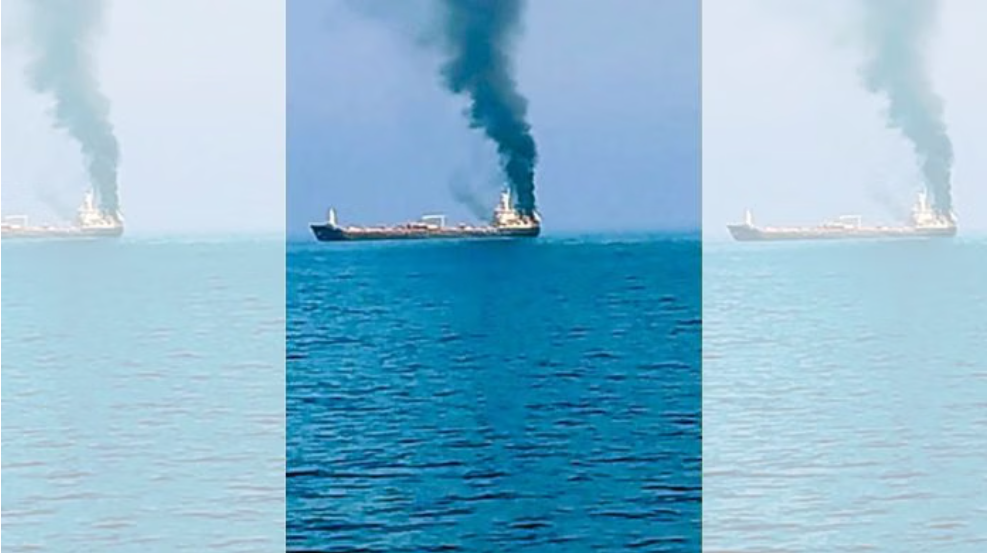
‘Maritime piracy’: Iran condemns US attacks on Indian-crewed ships off Oman
Major parts of agreement to end war finalized despite US contradictions, aggression: FM spox



Iran, UAE officials hold first ‘face-to-face meeting’ since war: Report
VIDEO | Displaced Palestinians protest Israeli-made water crisis
VIDEO | Pakistan's parliament condemns Israeli hostilities, US aggression against Iran
VIDEO | Iranians keep flag flying for over 100 nights in 'Flag Will Not Fall' campaign
VIDEO | US raises East Asia tension with weapons for South Korea
VIDEO | Tensions rise between Kabul and Islamabad after Pakistan strikes kill over a dozen in border areas
VIDEO | Boycott calls loom ahead of World Cup kick-off
Host obliged to follow FIFA guidelines, says Team Melli manager amid US visa denials


 PressTV NEWSLETTER
now
PressTV NEWSLETTER
now
 This makes it easy to access the Press TV website
