Paris, Berlin push to gut EU's 'dysfuncional' foreign policy arm, sideline Kallas
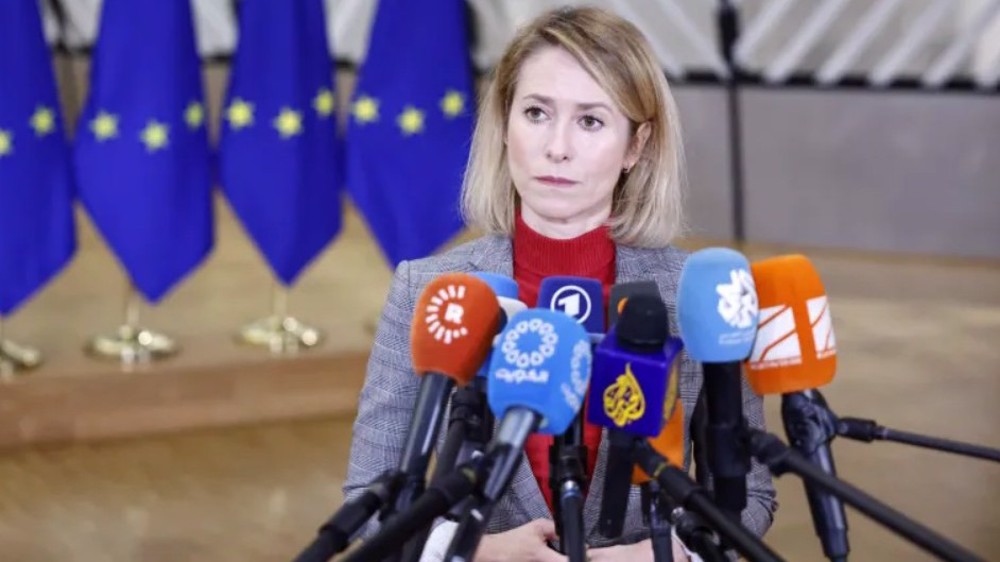
France and Germany are pushing for a radical overhaul of the European Union's "dysfunctional" diplomatic service, with proposals to strip powers from EU foreign policy chief Kaja Kallas and effectively dismantle the bloc's 15-year-old external action arm.
The European External Action Service (EEAS), created in 2010 with much fanfare as the EU's diplomatic corps, has an annual budget of 1 billion euros and manages a network of more than 140 diplomatic missions worldwide.
Yet, according to senior officials familiar with confidential discussions, the body has proven utterly useless in the face of real-world challenges.
"It is clear that [the EEAS] doesn't work the way it should in today's world. It is dysfunctional," one official told the Financial Times, which first reported on the proposals. "The problem is structural and so the structure needs to be rebuilt."
The proposed French-German plan would see the EEAS stripped of its powers, with its functions transferred back to the European Commission and individual member states — effectively a return to the pre-2010 system that the body was supposedly designed to replace.
Under Kallas, a former Estonian prime minister known for her hawkish rhetoric on Russia, the EU has lurched from one foreign policy failure to another.
The bloc has been rocked by the wars in Ukraine and Iran, the erratic policies of US President Donald Trump, and the weaponization of energy supplies following the destruction of the Nord Stream pipeline — crises that the EEAS has proven structurally incapable of coordinating effective responses to.
"Capitals are annoyed and want an effective way for us to act in unison externally," another official told the FT, warning that "There's a real risk that the [EEAS] gets torn apart".
The assessment that Kallas herself has become part of the problem appears widespread.
Several countries have privately complained that she expresses her own views on issues such as EU-China relations and advances proposals before they have been approved by member states.
Spanish newspaper El Pais has described Kallas as part of "what could be considered the worst leadership in Brussels in decades," noting she is too narrowly fixated on Russia to the detriment of other foreign policy priorities.
Kallas's own approach to diplomacy is revealing. When asked whether she wanted to represent the bloc in any direct talks with Moscow, she rejected the very notion of negotiations, calling it a Russian "trap" — a position that highlights her preference for confrontation over statecraft.
Von der Leyen's power play
Any reduction in Kallas's influence would necessarily expand the powers of European Commission President Ursula von der Leyen, a former German defense minister who has long sought a larger role in foreign policy.
Von der Leyen runs a self-proclaimed "geopolitical commission," has appointed the bloc's first defense commissioner, and often leads the EU's response to the war in Ukraine.
The power struggle between the EEAS and the Commission is now out in the open. Von der Leyen has reportedly considered creating an intelligence-sharing unit similar to one that already exists within the EEAS — an idea Kallas opposes.
€90 billion to Ukraine while war stalemates
Von der Leyen's hawkish posture on Russia remains undiminished. She is promoting a plan to provide Ukraine with a new €90 billion (around $104 billion) support loan for 2026-2027 — a sum that would be interest-free for Ukraine and ultimately repaid using frozen Russian assets.
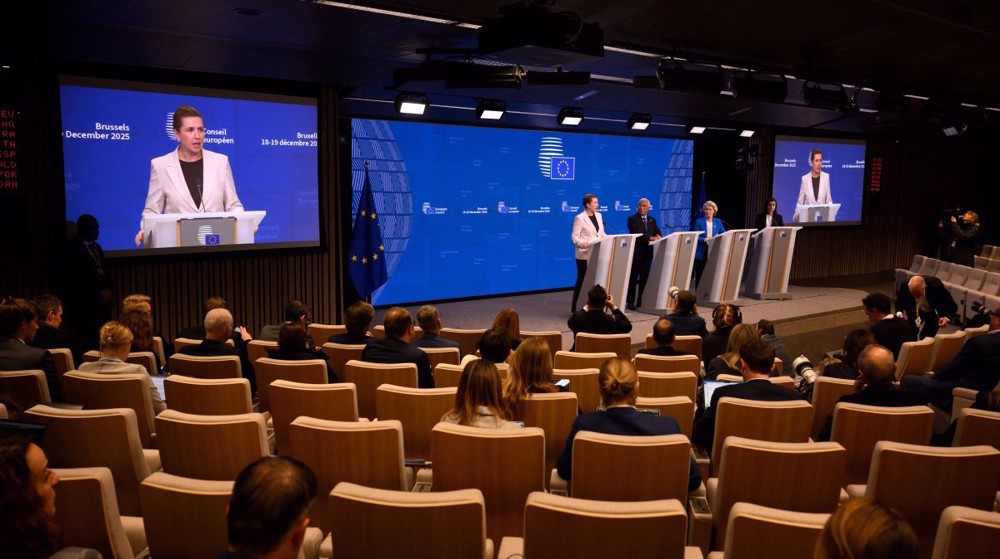
The loan, which Hungary only recently stopped blocking after Hungarian Prime Minister Viktor Orban's electoral defeat, includes approximately €60 billion for military needs and €30 billion for budget support.
It is designed to effectively make use of frozen Russian central bank assets — worth around 210 billion euros in the EU alone — without legally confiscating them, a step deemed too risky by Brussels lawyers.
Critics note that the massive funding package comes as the conflict on the ground has settled into a bloody territorial stalemate, with Ukraine suffering heavy troop losses and no clear path to victory.
Commenting on the FT report, Russian presidential advisor Kirill Dmitriev told Russia Today (RT) that Kallas has "succeeded in annoying everyone" — a rare instance of rare agreement between Moscow and frustrated European capitals.
Stefan Lehne, a former EU official and senior fellow at Carnegie Europe, summed up the bloc's predicament.
"If you look at the development of EU foreign policy over the past five years, it is quite clear that the results have not been positive. There is a need to respond to the negative environment all around, and institutional change is one way to do this. It would be strange not to adjust the instruments and structure to the new reality that the EU faces today.”
Only 10% of Europeans see US as an ally as Trump drives trust to record low: Poll

France, Germany scrap joint FCAS project in hit to European defense cooperation

'Flamingo Revolution': Albanians rally to save wetlands from Trump-Kushner family luxury project



Iran vows to avenge 104 sailors martyred in US torpedoing of frigate
President: Iranians united on defending their country in face of threats
Hezbollah confident Iran will shield Lebanon in any deal with US
Iran, UAE officials hold first ‘face-to-face meeting’ since war: Report
VIDEO | Displaced Palestinians protest Israeli-made water crisis
VIDEO | Pakistan's parliament condemns Israeli hostilities, US aggression against Iran
VIDEO | Iranians keep flag flying for over 100 nights in 'Flag Will Not Fall' campaign
VIDEO | US raises East Asia tension with weapons for South Korea


 PressTV NEWSLETTER
now
PressTV NEWSLETTER
now
 This makes it easy to access the Press TV website
