IRGC Navy: 28 commercial vessels permitted to cross Strait of Hormuz in past 24 hours
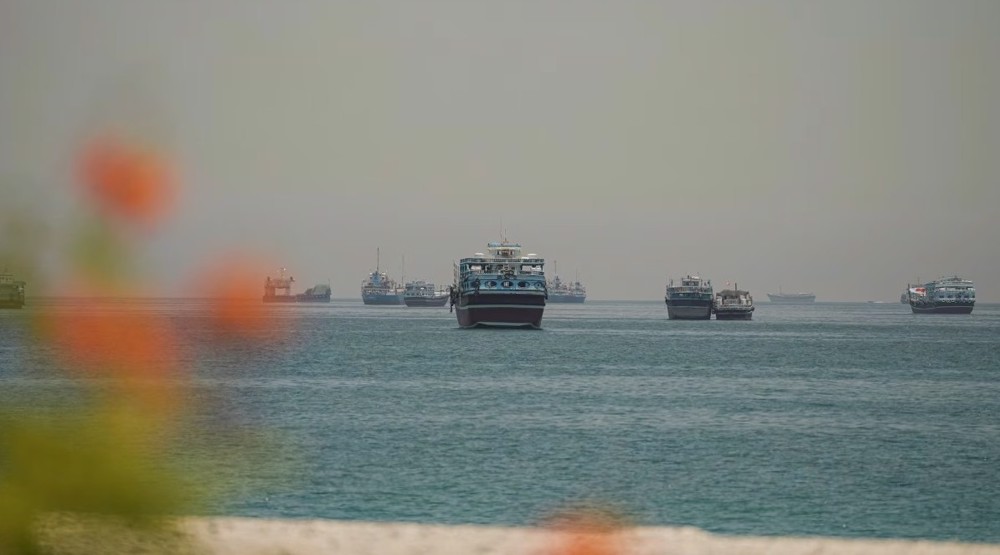
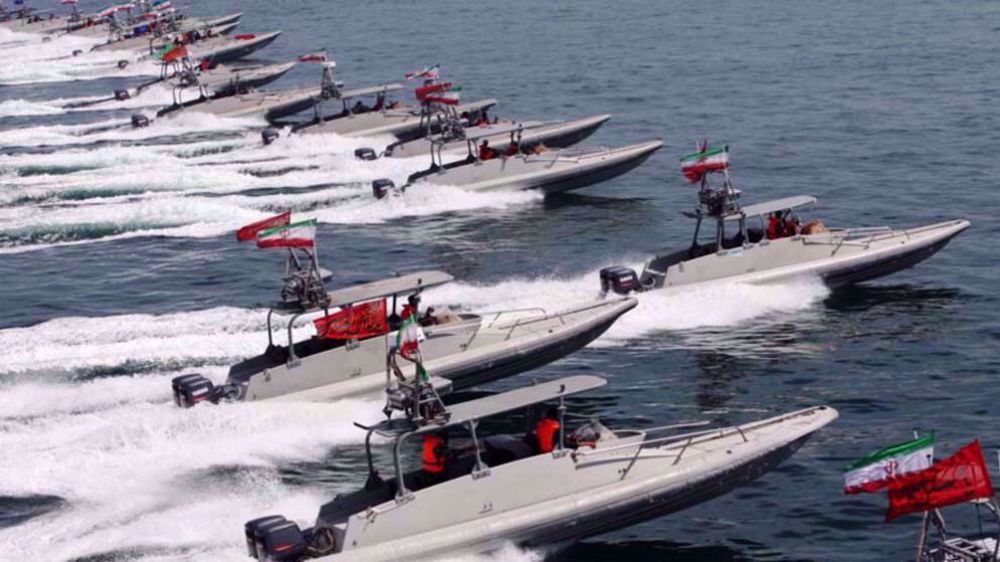
The Islamic Revolution Guards Corps (IRGC) Navy says 28 commercial vessels have passed through the Strait of Hormuz over the past 24 hours after receiving permission and coordinating their transit with the force.
In a statement issued on Sunday, the IRGC Navy said these vessels, including oil tankers, container ships, and other commercial ships, navigated the Strait of Hormuz under security arrangements and coordination with the force.
“The Persian Gulf belongs to the Muslim countries of the region, and the most important reason for its insecurity is the aggression and mischief of the American terrorist army,” read the statement.
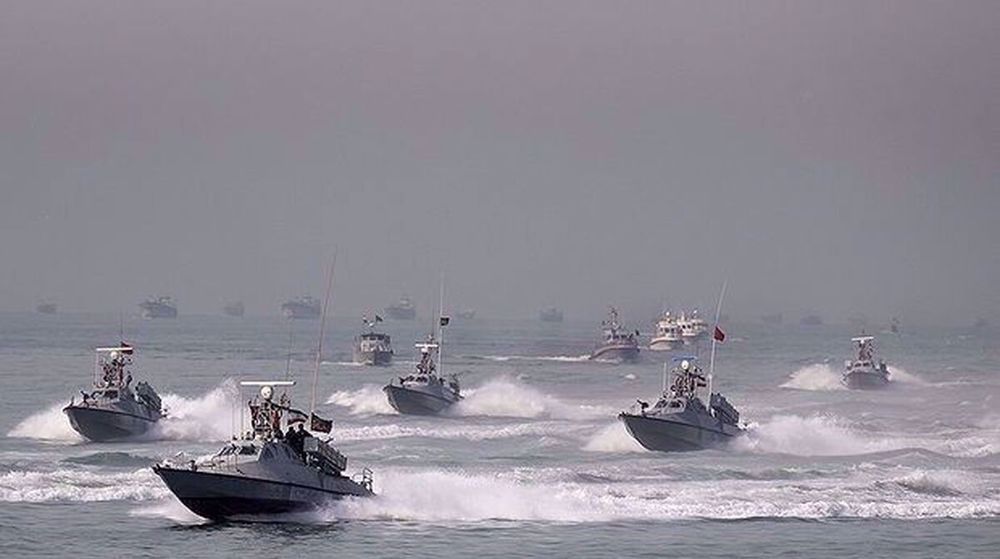
It also stressed that the “smart control” of the Strait of Hormuz is being carried out continuously with “strength and authority.”
The Khatam al-Anbya Central Headquarters said in a separate statement on Saturday that the armed forces of the Islamic Republic of Iran exercise full authority over the management of the strategic waterway.
The headquarters emphasized that “all ships, commercial vessels and oil tankers must travel through designated routes and obtain authorization from the IRGC Navy before entering the strait.”
It warned that failure to comply with the regulations could seriously jeopardize navigational safety.
Under a newly introduced system, first reported by Press TV, vessels intending to transit the strait receive an email from the official address info@PGSA.ir detailing the rules and procedures governing passage.
Iran imposed tighter controls on traffic through the Strait of Hormuz following the illegal and unprovoked US-Israeli aggression.
The measures were further expanded after US President Donald Trump announced an illegal blockade targeting Iranian vessels and ports.
Tehran says the US measures violate the terms of a ceasefire brokered by Pakistan that took effect on April 8 and was later extended by Washington.
The Strait of Hormuz handles roughly one-fifth of the world's oil supply, making it one of the most strategically important maritime routes
Restrictions introduced by Iran in April have contributed to sharp increases in global oil and commodity prices.
Iran has said it is prepared to gradually ease restrictions if it receives firm guarantees that US-Israeli attacks will not resume and that sanctions and the blockade imposed by Washington will be lifted.
Iranian officials, however, have indicated that shipping conditions in the strait are unlikely to return to their pre-war status, adding that restrictions will continue to apply to vessels owned by or affiliated with hostile states.
Trump faces only ‘bad’ or ‘worse’ options on Iran: IRGC general
IRGC shoots down intruding US MQ-1 Predator drone over Persian Gulf
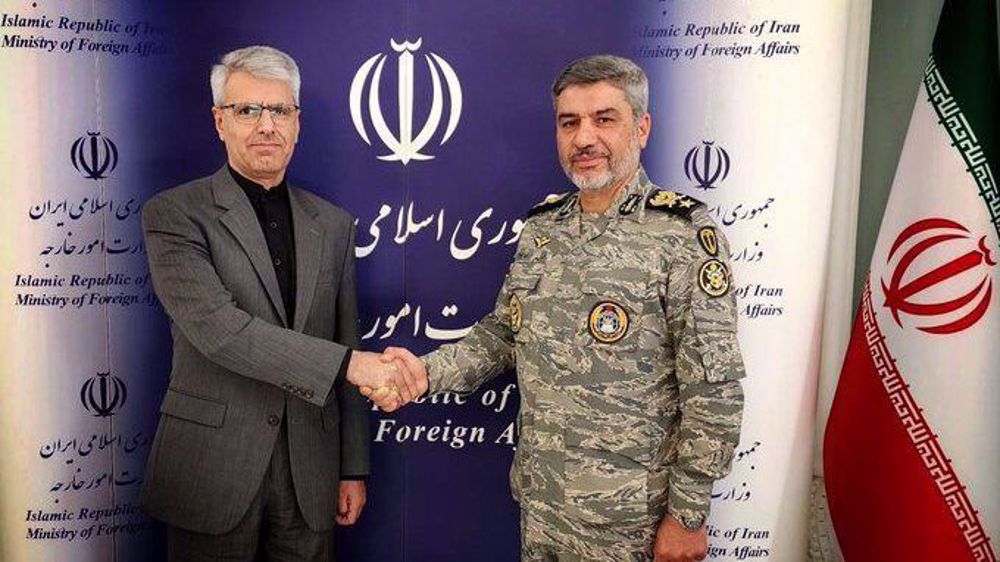
Iran Army, Foreign Ministry stress battlefield-diplomacy synergy in safeguarding national interests



Iran pushing back enemy in ‘history-making’ war: Parliament speaker
Handala hacktivists target Israeli center, extract classified documents
US planning faster troop withdrawal from Europe amid rift: Report
VIDEO | The balance of power has shifted
IRGC Navy: 28 vessels permitted to cross Hormuz Strait in past 24 hours
Poll: Two-thirds of Iranians proud of nation’s global standing; 59% say Iran won the war
Pakistan reaffirms Palestine stance, rejects Israel recognition
Denmark’s ‘baseless’ terror allegations aimed at isolating Iran: Embassy



 PressTV NEWSLETTER
now
PressTV NEWSLETTER
now
 This makes it easy to access the Press TV website
