'No oil well exploded': Qalibaf warns US ‘junk advice’ pushing oil to $140
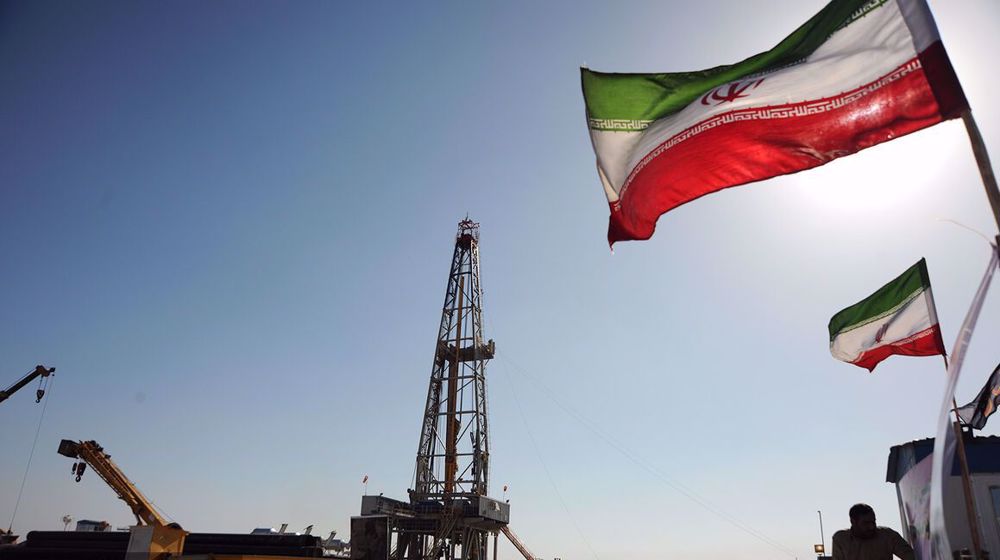
Iranian Parliament Speaker Mohammad Bagher Qalibaf mocked US President’s warnings that Iran’s oil wells could explode, calling it “junk advice” and warning that Washington’s blockade threats are instead driving global oil prices toward $140 per barrel.
“3 days in, no well exploded. We could extend to 30 and live stream the well here,” Qalibaf said in a post on his X account on Thursday.
He mocked the claim that Iranian oil lines could explode due to excess production with no use, saying such a remark was the result of “junk” advice from individuals such as US Secretary of Treasury Scott Bessent.
The top Iranian parliamentarian warned that such a mindset can increase the oil prices to $140.
“That was the kind of junk advice the US admin gets from people like Bessent who also push the blockade theory and cranked oil up to $120+. Next stop:140,” Qalibaf wrote.
“The issue isn't the theory, it's the mindset,” he added.
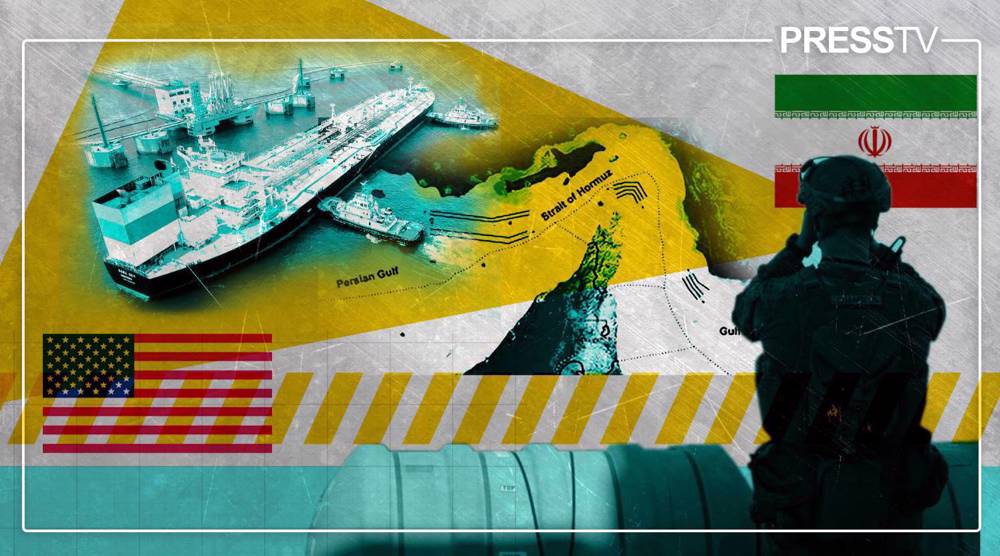
Qalibaf’s post came after Trump claimed in an interview with Fox News that a pipeline through which a massive amount of oil flows is blocked for any reason “can explode internally due to mechanical causes if oil cannot be loaded onto ships or containers.”
“There are only about three days left before such an incident occurs in Iran,” the US president said.
He also claimed that an exploded line can “never be restored to its original state under any circumstances.”
The US-Israeli aggression, along with US threats to resume airstrikes on Tehran in case of no agreement, in addition to restrictions on transit through the Strait of Hormuz, have all increased oil prices in the past two months.
Meanwhile, Oil prices soared more than five percent to a fresh four-year high Thursday after Trump warned the illegal US blockade of Iranian ports could last months.
Brent for June delivery surged 6.8 percent to $126 Wednesday, while West Texas Intermediate jumped three percent to top $110.
Analysts said traders were beginning to shift to the view that the crisis will not be as short as initially hoped.
The criminal US-Israeli aggression against Iran began on February 28 with airstrikes that assassinated senior Iranian officials and commanders and targeted the country’s infrastructure, including economic ones. Over 3,300 Iranians lost their lives in the aggression, according to the latest data.
Iranian armed forces responded by launching almost daily missile and drone operations targeting locations in the Israeli-occupied territories as well as US military bases and assets across the region.
Furthermore, Iran retaliated against the strikes by closing the Strait of Hormuz for ships belonging to the US and its allies that participated in or supported the aggression, which resulted in a significant increase in oil prices and its by-products.
On April 8, forty days into the war, a Pakistan-brokered temporary ceasefire took effect. Negotiations were then held in Islamabad but stopped short of an agreement amid Washington’s excessive demands and insistence on unreasonable positions.
Since then, Iran has categorically refused to rejoin the process unless the US lifts the illegal blockade it has imposed on Iranian vessels and ports.
Tehran has also asserted that, as long as the blockade is still in place, it has no intention of reopening the Strait of Hormuz.
The US blockade of Iranian ports has also failed to achieve its stated aim of cutting off Iran’s oil revenues.
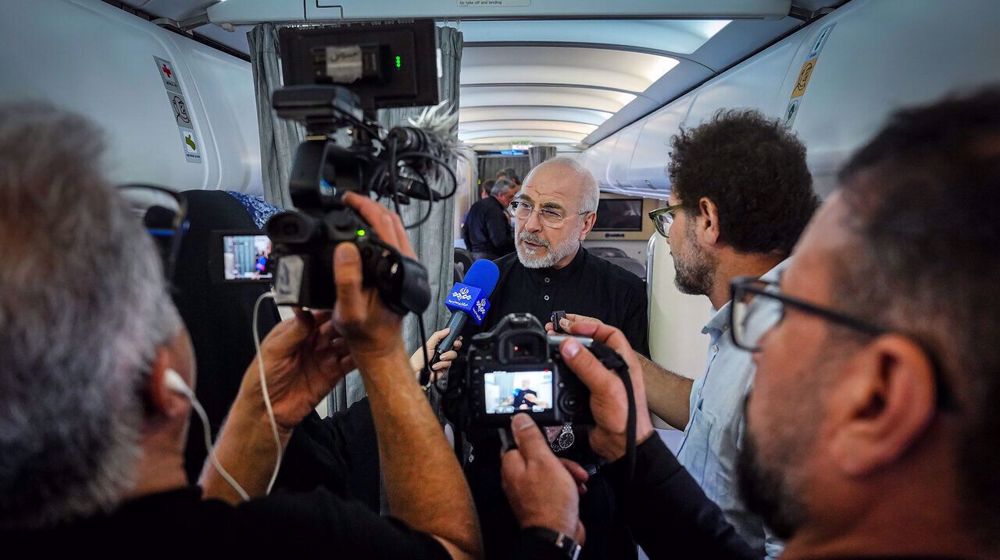
Speaker Qalibaf: Strait of Hormuz will never return to pre-war status
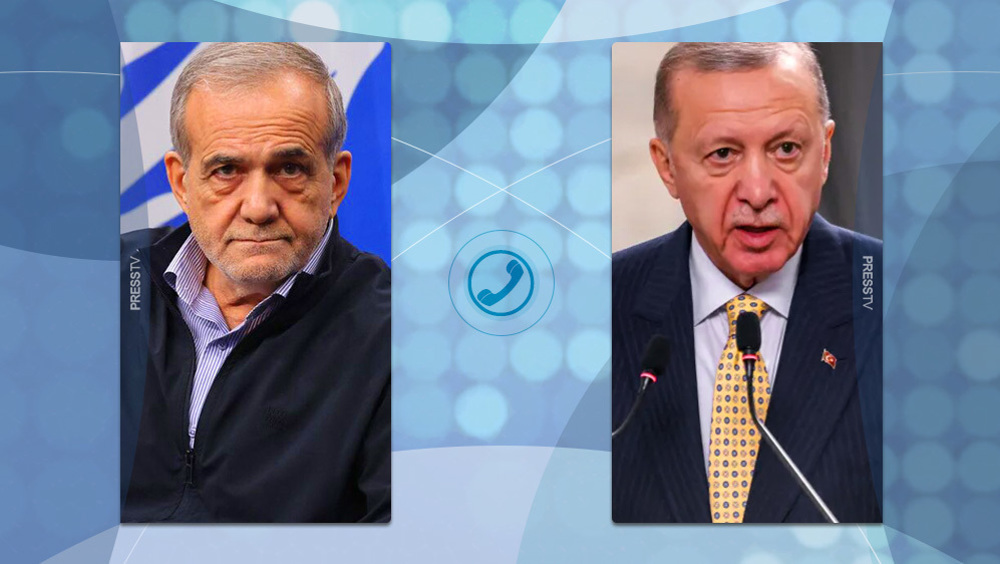
Iran committed to diplomacy under international law, Pezeshkian tells Erdogan
Iran to continue IAEA cooperation under existing framework, SNSC decision: Baghaei



US congressman ‘deeply alarmed’ by Israel’s abduction of Palestinian student
Iran’s deputy FM announces successful conclusion of technical talks
Speaker Qalibaf: Strait of Hormuz will never return to pre-war status
Pakistan defense minister: Iran-US agreement marks demise of Netanyahu
Palestinian rights group calls for release of pregnant women held by Israel
Iran committed to diplomacy under international law, Pezeshkian tells Erdogan
Iran to continue IAEA cooperation under existing framework, SNSC decision: Baghaei
Iran top negotiator departs for Muscat to discuss Hormuz Strait cooperation


 PressTV NEWSLETTER
now
PressTV NEWSLETTER
now
 This makes it easy to access the Press TV website
