US faces mounting logistical crisis as allies reject Trump's pleas for help in Iran war: Source
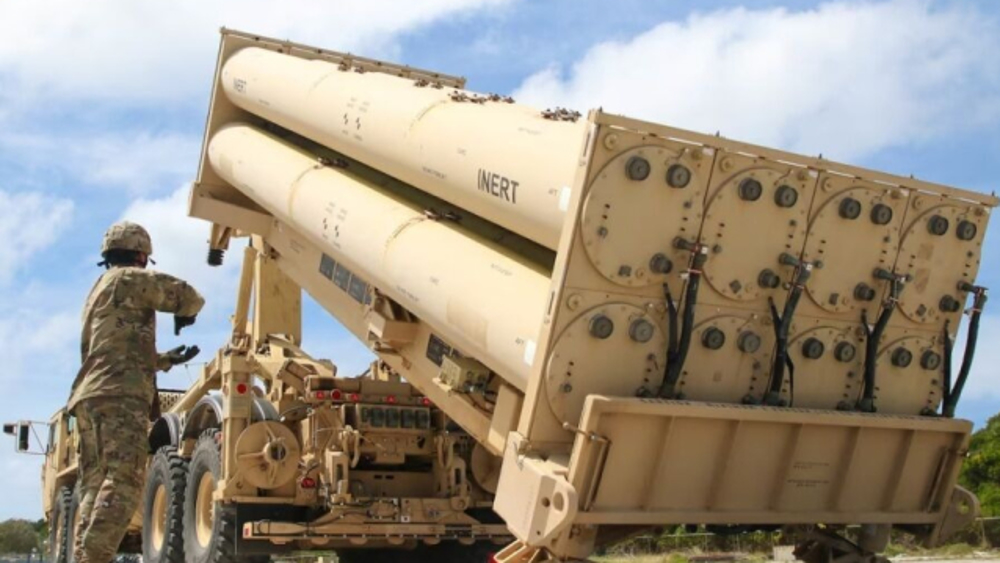
As the war against Iran enters its twelfth day, the US military is struggling with severe shortages of air defense missiles in the region, according to an informed military source.
Through a source within the US Army with direct knowledge of American military operations, an assessment was conducted regarding US logistical efforts to transfer weapons from strategic locations around the world to the West Asia region.
The source revealed to Press TV that US forces are racing to transport weapons from other global strategic theaters to the region amid rapidly dwindling resources, a direct consequence of Iran's powerful retaliatory strikes under Operation True Promise 4.
The emergency redeployment comes as all Iranian drone and missile strikes in recent days have successfully struck their targets, both in the occupied territories and at US military bases across the region, exposing critical gaps in American air defense capabilities.
These setbacks have prompted US President Donald Trump to urgently appeal to European and Southeast Asian allies for assistance, only to be met with widespread refusal, the source noted.
According to the assessment, regional stockpiles of US air defense missiles have been severely depleted, leaving existing systems unable to intercept ongoing retaliatory missile and drone attacks by Iran and members of the regional axis of resistance.
✍️ Feature -How closure of Strait of Hormuz over US-Israeli war on Iran could trigger energy catastrophe https://t.co/HseJnhZpW0
— Press TV 🔻 (@PressTV) March 11, 2026
In response to the mounting crisis, Trump has launched an intensive diplomatic pressure campaign, placing telephone calls to leaders of several European and Southeast Asian nations. During these conversations, an angry US president expressed deep frustration over their reluctance to join the war effort.
He demanded that allies dispatch their warships and deploy US-made radar systems to assist in intercepting Iranian and Resistance Axis missiles.
The response from allied capitals, however, has been overwhelmingly negative.
According to the military source, only one leader, facing intense domestic pressure from their population and political parties, agreed to consider the request.
Three other countries flatly rejected Trump's appeal.
The diplomatic rebuff exposes growing international reluctance to become entangled in the widening war, which was imposed on Iran on February 28 following the assassination of Leader of the Islamic Revolution Ayatollah Seyyed Ali Khamenei and several senior military commanders.
Military analysts suggest the refusals reflect broader concerns among US allies about being drawn into a protracted war with unpredictable consequences for global energy supplies and regional stability.
The logistical strain on American forces continues to intensify as the war shows no signs of de-escalation. Iranian armed forces have so far launched 37 waves of missile and drone strikes against the Israeli regime and US bases in the region.
IRGC Ground Force smashes separatist terrorist team in northwestern Iran

Iran’s armed forces vow swift response to any US violation in Strait of Hormuz
Iran’s top general warns US, Israel against ‘miscalculation’ ahead of Leader’s funeral



Pezeshkian: Mass turnout at Leader's funeral a 'decisive’ response to bullying, terror
China hails MOU, urges implementation by US
IRGC Ground Force smashes separatist terrorist team in northwestern Iran
Iran’s armed forces vow swift response to any US violation in Strait of Hormuz
Hamas censures Israeli ban on Muslim prayer call as 'dangerous escalation'
Iran shattered US-Israeli military myths, accelerated shift to Global South: Pakistani ex-general
US diplomat says Taiwan must turn into ‘hornet's nest of drones’ to deter China
VIDEO | Press TV's news headlines


 PressTV NEWSLETTER
now
PressTV NEWSLETTER
now
 This makes it easy to access the Press TV website
