May 9: Iran reaffirms its red lines, vowing decisive response to any new US attack in Persian Gulf
By Press TV Website Staff
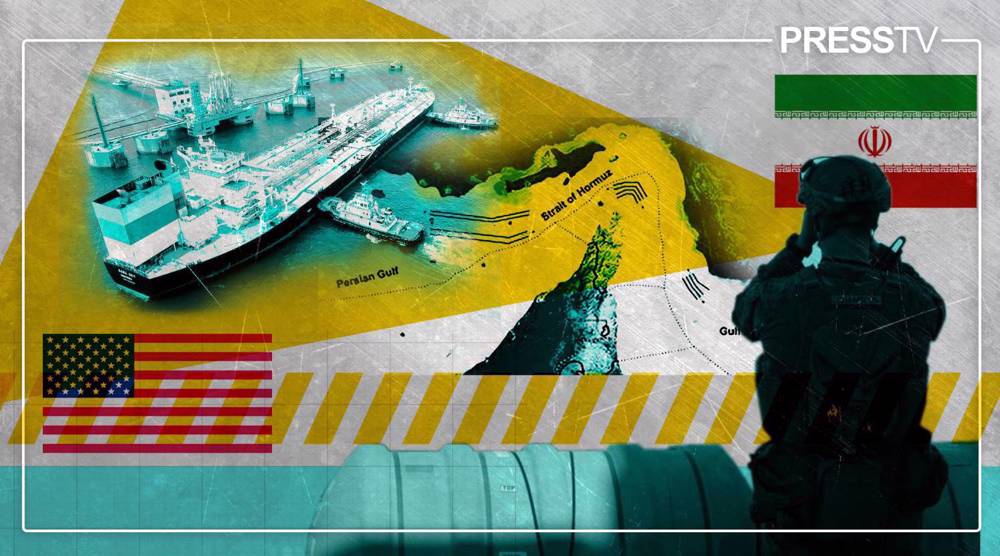
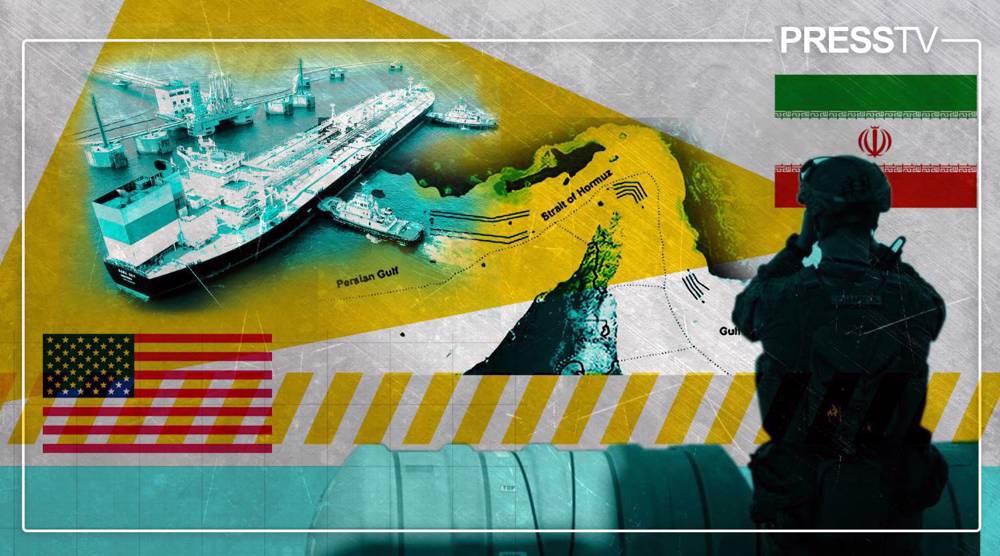
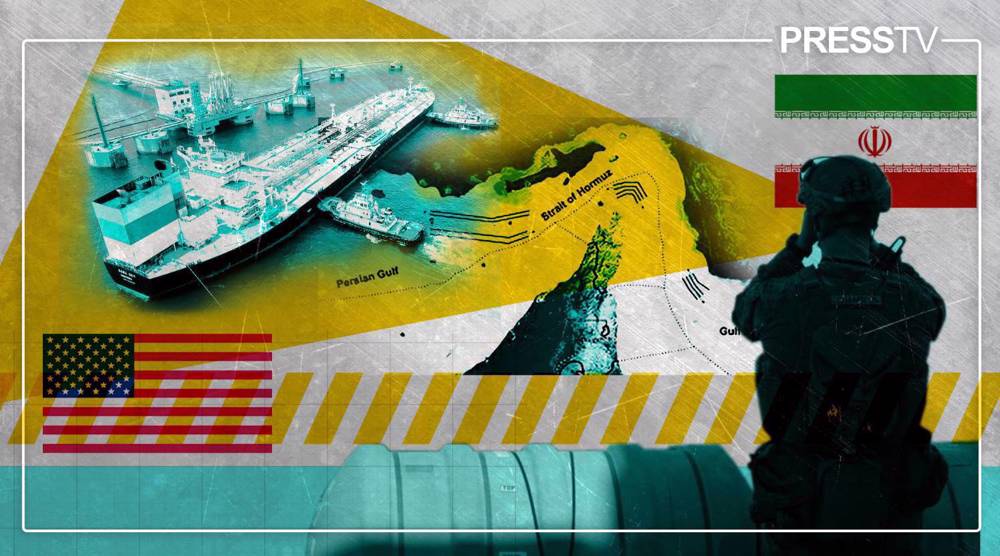
Senior Iranian military and political officials have warned the United States that any further acts of aggression in the Persian Gulf would trigger direct and decisive strikes against American bases and warships across the region.
The Islamic Revolution Guards Corps (IRGC) Navy stated that attacks on Iranian tankers or commercial vessels would be met with a “large” retaliatory blow.
At the same time, aerospace commander Sayyed Majid Mousavi said Iranian missiles and drones are “already locked onto enemy targets” awaiting launch orders.
The statements came as senior Iranian leaders assessed Washington’s 39-day bombing campaign as a strategic failure, with Vice President Mohammad Reza Aref saying the US and Israel were unable to hurt Iran’s petrochemical or steel sectors despite repeated attempts.
Global and regional reactions reflected growing concern over the US course. Russian President Vladimir Putin cautioned that if the war is not halted soon, the world will pay the price.
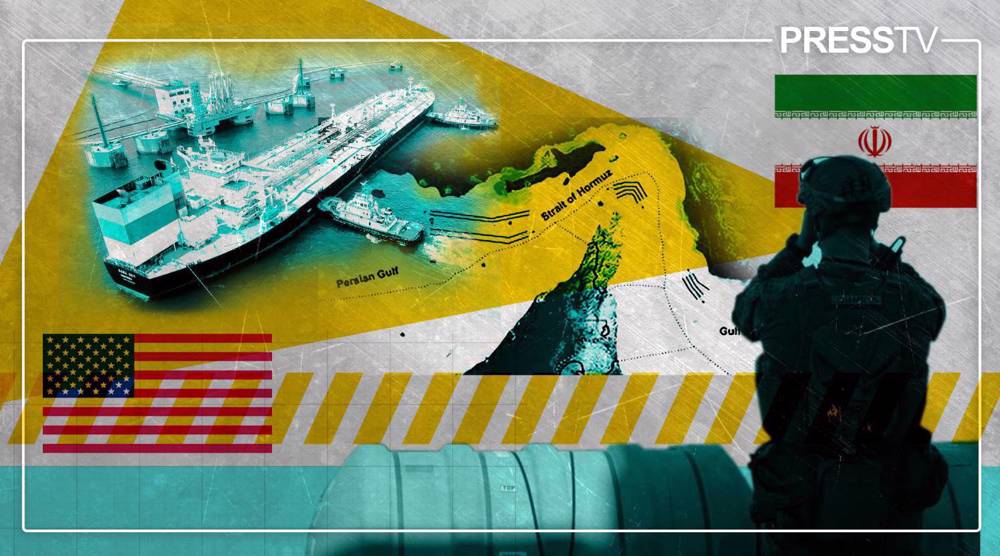
A senior Iranian lawmaker warned Bahrain, and others, that supporting a US-drafted UN resolution would risk the Strait of Hormuz being “closed forever,” even as Bahraini security forces escalated arrests of citizens accused of sympathising with Iran.
Key developments on day 71 of the war, the thirty-second day of the ceasefire:
- The IRGC Navy warned the United States and its allies, saying that any attack on Iranian tankers or commercial vessels in the Persian Gulf or beyond will trigger a heavy and decisive response targeting American military centres in the region and enemy ships.
- The commander of the IRGC’s Aerospace Force, Sayyed Majid Mousavi, warned that missiles and drones are already aimed at the enemy, and they are "awaiting the order to launch.”
- Iranian Vice President Mohammad Reza Aref said the United States and the Israeli regime failed in their plan to weaken Iran’s core industries through bombing key petrochemical and steel plants during a 39-day military aggression against the country that began in late February.
- Ebrahim Azizi, chairman of the Iranian Parliament’s National Security and Foreign Policy Committee, warned Bahrain and other governments not to risk the closure of the Strait of Hormuz “forever” by supporting a US-led UN resolution against Iran.
- The US intelligence community agreed that Iran was not developing a nuclear weapon before the 40-day war on Iran, Joe Kent, the Trump administration’s former National Counterterrorism Centre (NCC) director, wrote on X.
- The US Treasury Department imposed sanctions on ten individuals and companies, several of them based in China and Hong Kong, for their alleged involvement in helping Iran obtain weapons and the necessary raw materials for its Shahed drones and ballistic missiles, Reuters reported.
- Iran's ambassador to the United Nations, Amir-Saeid Iravani, underlined the Islamic Republic's "inherent right" to self-defence and taking due protective measures in the face of the US's hostile measures targeting the Persian Gulf and the Strait of Hormuz.
- The US spy agency CIA admitted Iran can withstand the effects of the US blockade for several months and also retains significant missile and drone stockpiles, casting doubt on Trump’s claim that Tehran needs the war to end immediately, The Washington Post reported.
- The Wall Street Journal reported that, with US knowledge, Israel established a secret military base in Iraq’s desert region to conduct air attacks against Iran. During the US-Israeli war against the Islamic Republic, Israeli forces also targeted Iraqi troops who approached and nearly discovered the site.
- Russian President Vladimir Putin said that he hopes that the war on Iran would end as soon as possible, but that if it does not, then the world will pay the price.
- Iran’s ambassador to China, Abdolreza Rahmani Fazli, said that bilateral relations between Tehran and Beijing will become “more extensive, deeper and multifaceted” after the war.
- At least 20 people, including a civil defence rescuer, were killed after Israeli aerial raids targeted numerous areas in southern Lebanon, despite a ceasefire between the Beirut government and the Tel Aviv regime, the Lebanese Ministry of Public Health announced.
- Bahraini regime forces abducted dozens of people on suspicion of sympathising with Iran, and glorifying Iranian retaliatory operations amid the US-Israeli war of aggression against the Islamic Republic.
- Global oil inventories have reached their lowest level in the past eight years as the US-Israeli aggression against Iran and Tehran’s retaliation continue to deplete stockpiles, Bloomberg reported.
60-day negotiation framework, seven conditions: Iran’s strategic red lines shape oversight, leverage
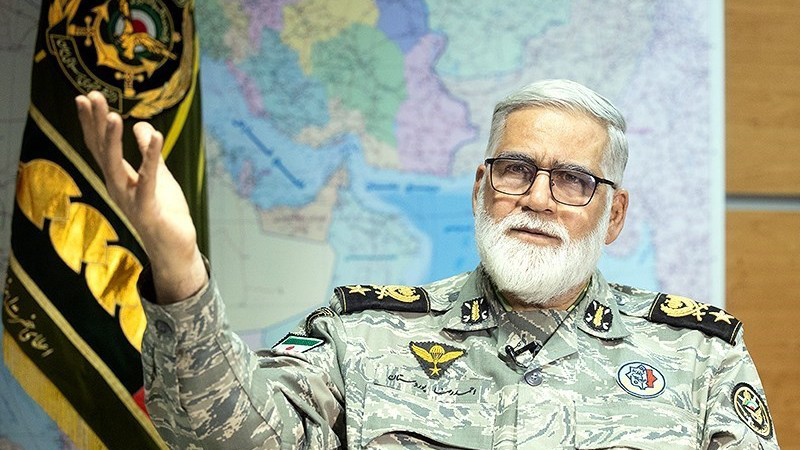
Iran's military yet to deploy full capabilities: Senior Army commander
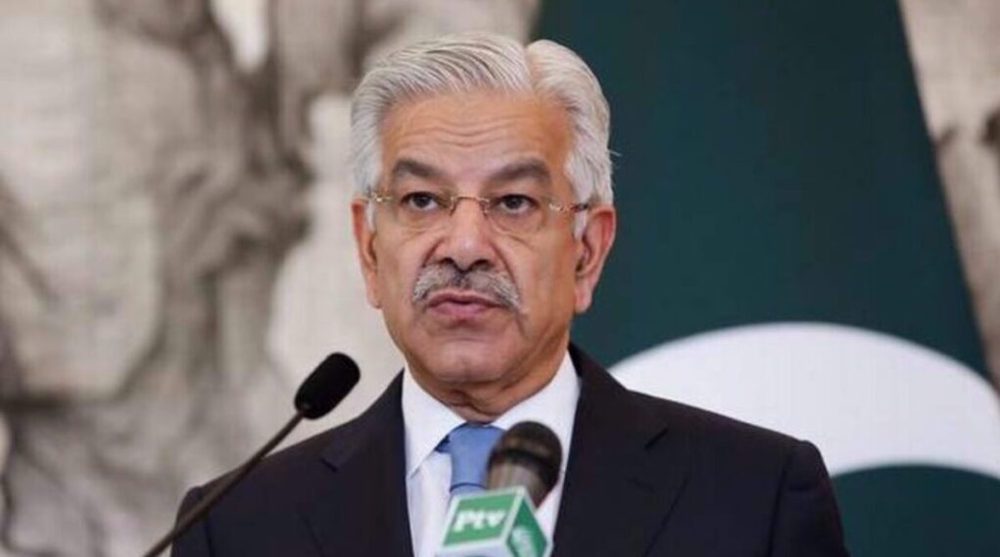
Pakistan defense minister: Iran-US agreement marks demise of Netanyahu


Attacks on Lebanon 'red line'; Iran to respond to Israeli violations: Senior diplomat
US Senate approves resolution challenging Trump's authority to wage war on Iran
Iran, Pakistan forge blueprint for Islamic economic integration
Palestine decries vandalization of Ibrahimi Mosque by Israel
Ex-PM admits Israel smuggled Starlinks to Iran during January riots
Hezbollah says Israeli project 'broken,' urges full withdrawal from Lebanon
Iran's defense capabilities 'non-negotiable,' President Pezeshkian says
Israel’s deliberate targeting of Gaza children part of genocide: UN



 PressTV NEWSLETTER
now
PressTV NEWSLETTER
now
 This makes it easy to access the Press TV website
