Anonymous ‘doctor’ claim of 30,000 deaths in Iran riots debunked
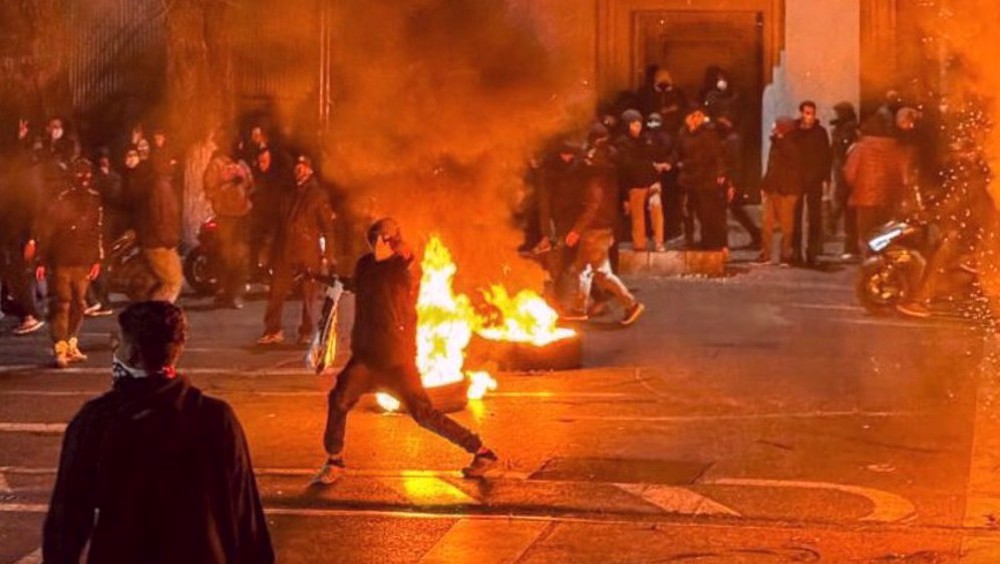
An investigation has debunked the claim made by an anonymous “doctor” that 30,000 people were killed during two days of foreign-backed riots in Iran, a figure that has influenced Western media coverage and policy debates.
The death toll was attributed by The Guardian to an unnamed “doctor,” whose identity the newspaper claimed had verified, but refused to publish. According to the daily’s own account, the self-described source acknowledged that the figure was not based on confirmed records, but was instead extrapolated by assuming that officially registered deaths represented “less than 10% of the real number of fatalities.”
Reporting on the matter on Sunday, however, investigative outlet Grayzone noted that no documentary evidence was presented to substantiate that assumption, and the source’s calculations were not independently verified.
A second ‘anonymous’ persona
After critics challenged the plausibility of the figure, The Guardian’s reporter later introduced what she described as another “confirming source,” referred to under the pseudonym “Dr Ahmadi.” This alleged individual was said to have assembled a network of more than 80 “medical professionals” across 12 of Iran’s 31-strong provinces to share “observations and data.”
According to the reporting, the total derived from this purported network aligned precisely with the original controversial “30,000” estimate.
Links to earlier claims
The “30,000” figure first appeared in a January 25 article by TIME Magazine, which alleged it came from “two senior officials in Iran’s Ministry of Health.” TIME, though, acknowledged it could not independently verify the number, besides stating that it “roughly aligns” with a count prepared by Amir Parasta, a Germany-based eye surgeon.
Parasta has publicly identified ties to anti-Iran monarchist figures abroad and has served as an advisor to the National Union for Democracy in Iran (NUFDI). The US-based lobbying group supports restoration of Iran’s former Washington-backed monarchy, which was deposed by Iran’s 1979 Islamic Revolution.
✍️ Viewpoint - Behind the riots: Spy games, media spin, discarded monarchists and lessons from history
— Press TV 🔻 (@PressTV) February 1, 2026
By @hamedkhosroshah
Read More: https://t.co/DIlXHvhr3Y pic.twitter.com/RFYv48raGQ
Despite unresolved questions surrounding the anonymous doctor’s identity and methodology, the figure was rapidly adopted in Western political discourse.
On January 28, a European outlet reported that the so-called death toll had helped persuade Italy and Spain to support sanctions against Iran’s Islamic Revolution Guards Corps (IRGC), citing an unnamed senior European diplomat.
Iranian officials have, however, rejected the figure, denouncing it as part of a broader disinformation campaign aimed at trying to justify pressure and sanctions against the Islamic Republic.
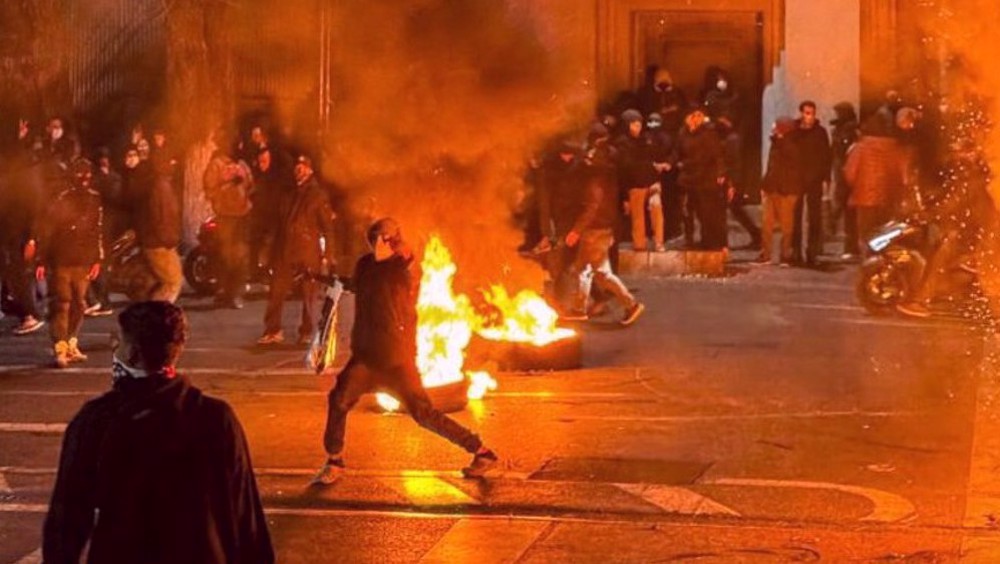
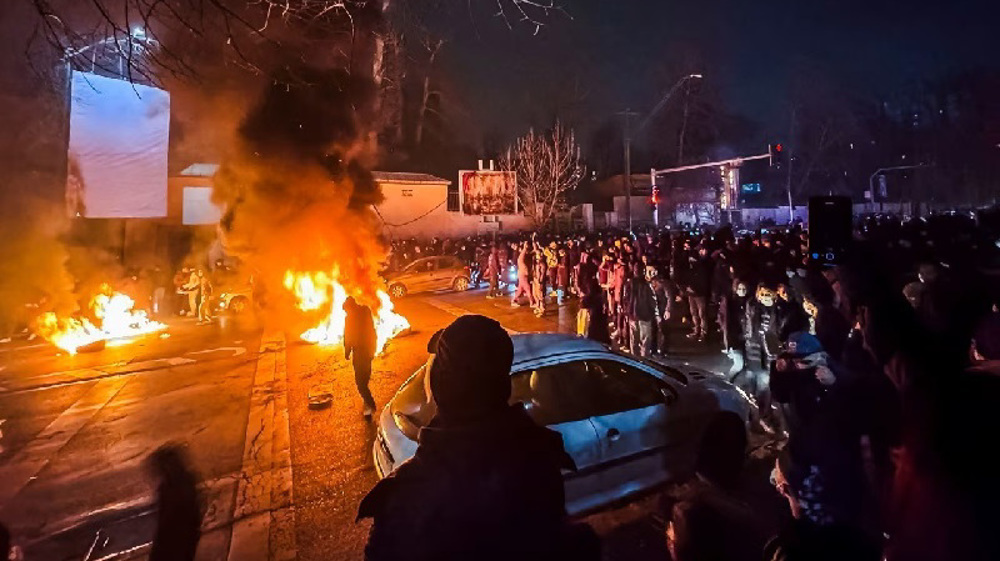
Western outlets and officials began coming up with such figures after US- and Israeli-backed riotous elements infiltrated economic protests across Iran, trying to divert them towards chaos.
The effort, though, was countered by Iranian intelligence and security forces, who rounded up ringleaders and seized sizeable weapon caches bound for transfer throughout the country, including the capital Tehran.
Oman says Strait of Hormuz not to return to its pre-war status: Report
Iran: Defense capabilities essential to national security, not open to negotiation
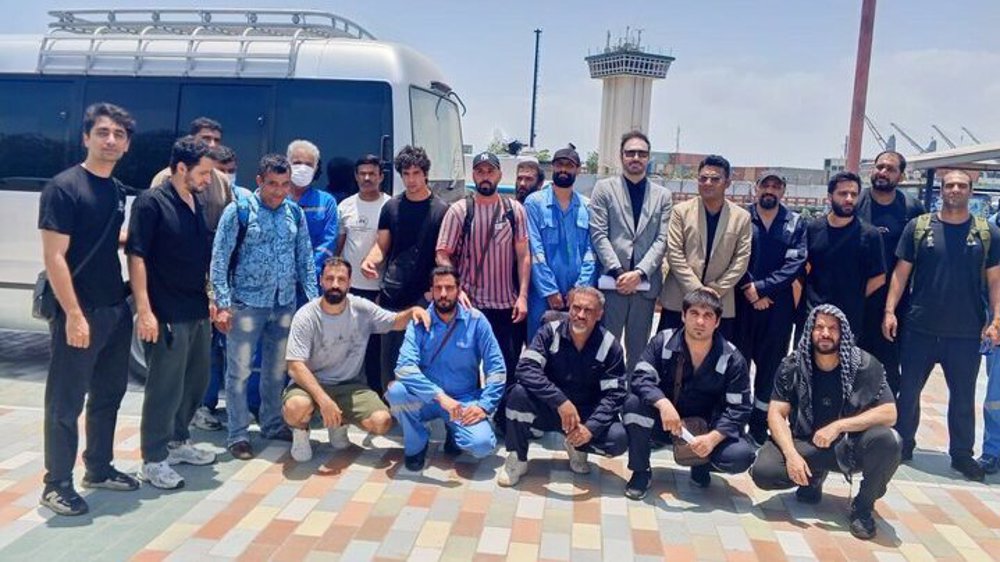
Pakistan facilitates return of 22 Iranian sailors after US unlawful seizure of tanker



Venezuela quake death toll nears 1,000 as foreign rescuers arrive
Israeli forces advance in southern Lebanese towns after truce deal with Beirut
Iran’s Armed Forces ready to defend national security: Top commander
Israel redirecting Lebanon invasion forces to West Bank for expanded raids: Report
Netanyahu seeks 'general clean-up' in Gaza: Israeli minister
Iran blasts US air raids on southern coasts as ‘flagrant violation’ of MoU
OpenAI, Anthropic release new AI models to Trump-approved customers
Severe impact of war against Iran on EU economy


 PressTV NEWSLETTER
now
PressTV NEWSLETTER
now
 This makes it easy to access the Press TV website
