'History repeats itself': Iran FM spox invokes historic Roman defeat to warn US, Israel
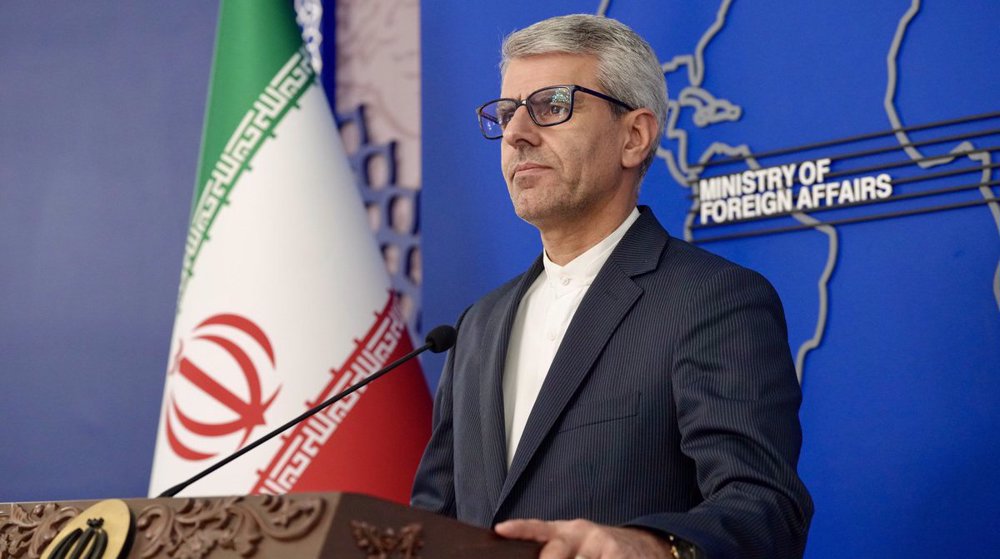
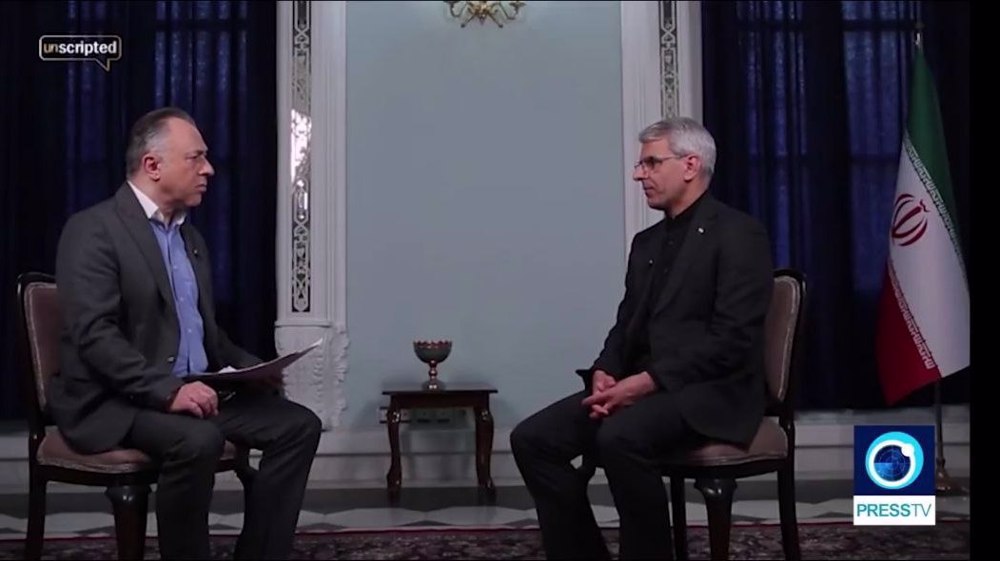
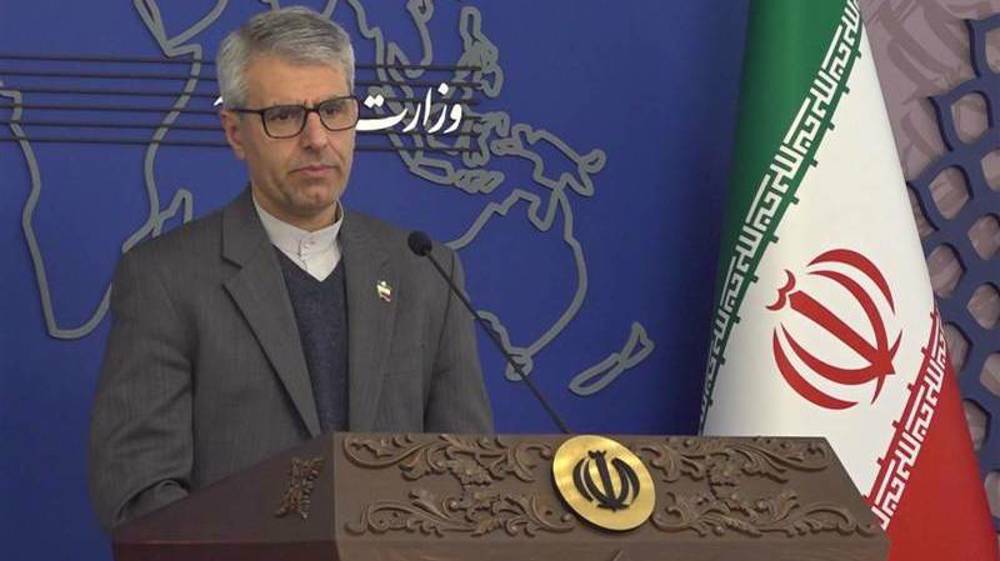
Iran’s Foreign Ministry spokesman has invoked a famous ancient Persian victory over Rome to send a message to today’s adversaries, warning that history repeats itself for those who refuse to learn its lessons.
Esmaeil Baghaei posted on X that Iranians have always stood not only against single invaders but against powerful “pluses” and grand “legionnaires”, and have always emerged with honor.
“On a day like this in 53 BC, at the Battle of Carrhae, General Surena, with far fewer men and far more limited resources, crushed Rome’s heavily armored legions in a masterful ‘asymmetric’ victory,” Baghaei wrote.
He noted that Crassus, one of the wealthiest and most powerful Romans, was slain; the myth of Roman invincibility was shattered forever; and Rome’s dream of eastward expansion died on the battlefield.
“History repeats itself, for those who refuse to study it or respect its lessons,” he added.
The post is a pointed reference to the current US-Israeli war of aggression against Iran, now in its third month.
Despite the massive military superiority of the United States, Iran’s armed forces have launched 100 waves of retaliatory strikes under Operation True Promise 4 and have maintained control over the Strait of Hormuz, defying a US naval blockade.
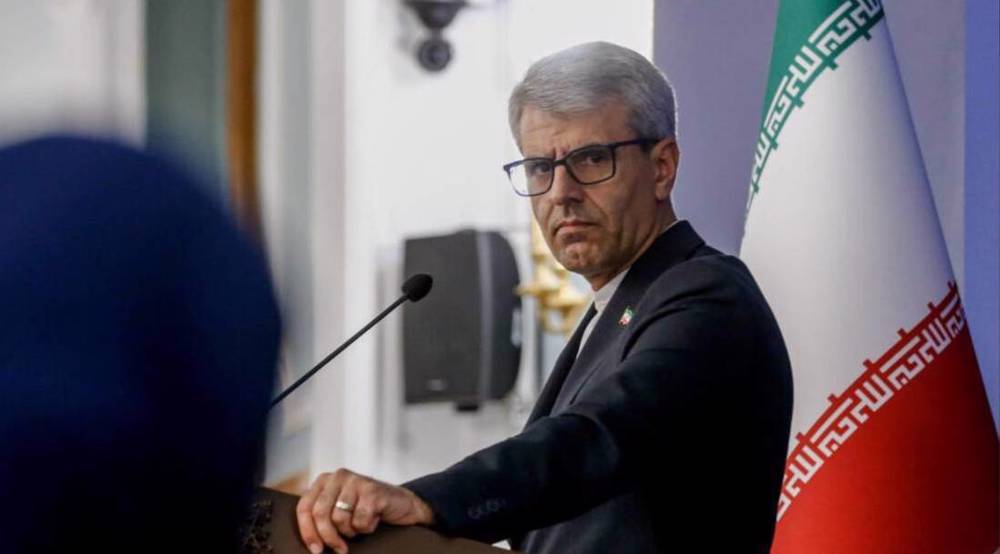
Baghaei’s comparison to the Battle of Carrhae, a classic example of asymmetric warfare where a smaller, more agile force defeated a larger, heavily armored one, resonates with Tehran’s narrative of resistance against superior firepower.
General Surena’s forces used light cavalry and hit-and-run tactics to overwhelm the slow-moving Roman legions.
Similarly, Iran has relied on low-cost drones, precision missiles, and naval asymmetrical strategies to counter American and Israeli advanced weaponry.
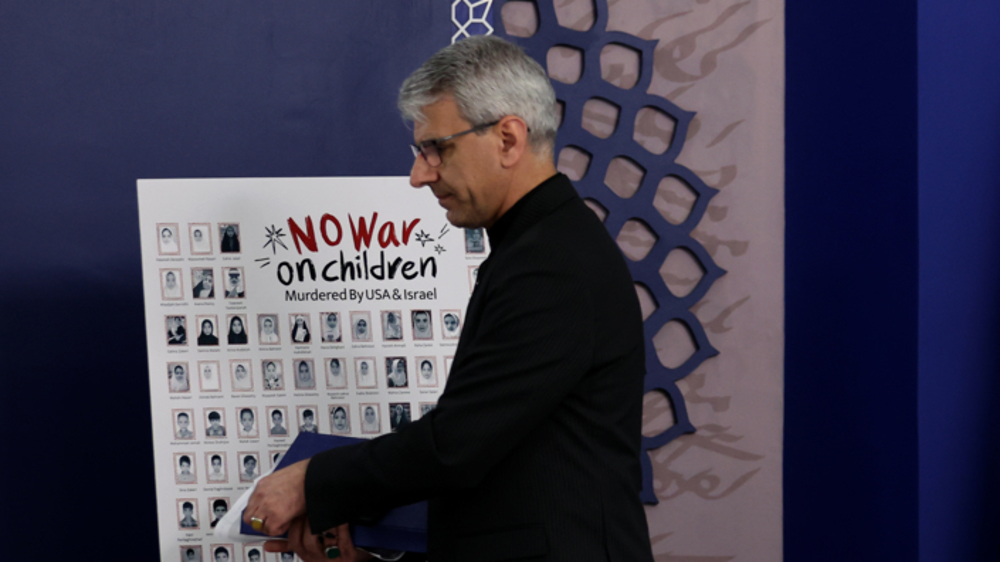
The United States and Israel launched their unprovoked war on Iran on February 28, assassinating the Leader of the Islamic Revolution and striking nuclear facilities, schools and hospitals.
A Pakistan-brokered ceasefire has been in place since early April, but the US naval blockade of Iranian ports remains in effect.
Tehran has repeatedly warned that it will not reopen the Strait of Hormuz until the blockade is lifted and the war permanently ends.
President Pezeshkian says Iran will stand by deal only if US does

Iran says talks with US contingent on implementation of key MoU provisions
Iran says only it can demine Strait of Hormuz under MoU with US



Israel arrests US citizen on suspicion of contact with Iranian intelligence
Woman accusing Trump of sexual assault in Epstein case fears for her life, relative says
Iran team thanks Mexico, questions World Cup fairness in farewell message from Tijuana
VIDEO | Press TV's news headlines
Israel kills 8 Palestinians as Gaza death toll tops 73,000
'War crime': Iran FM vows legal action against US over torpedo attack on Dena frigate
IRGC dismantles armed separatist cell in northwest Iran
Venezuela earthquake death toll surpasses 1,700 as search efforts continue


 PressTV NEWSLETTER
now
PressTV NEWSLETTER
now
 This makes it easy to access the Press TV website
