The phoenix of Asaluyeh rising from ashes of terrorist war
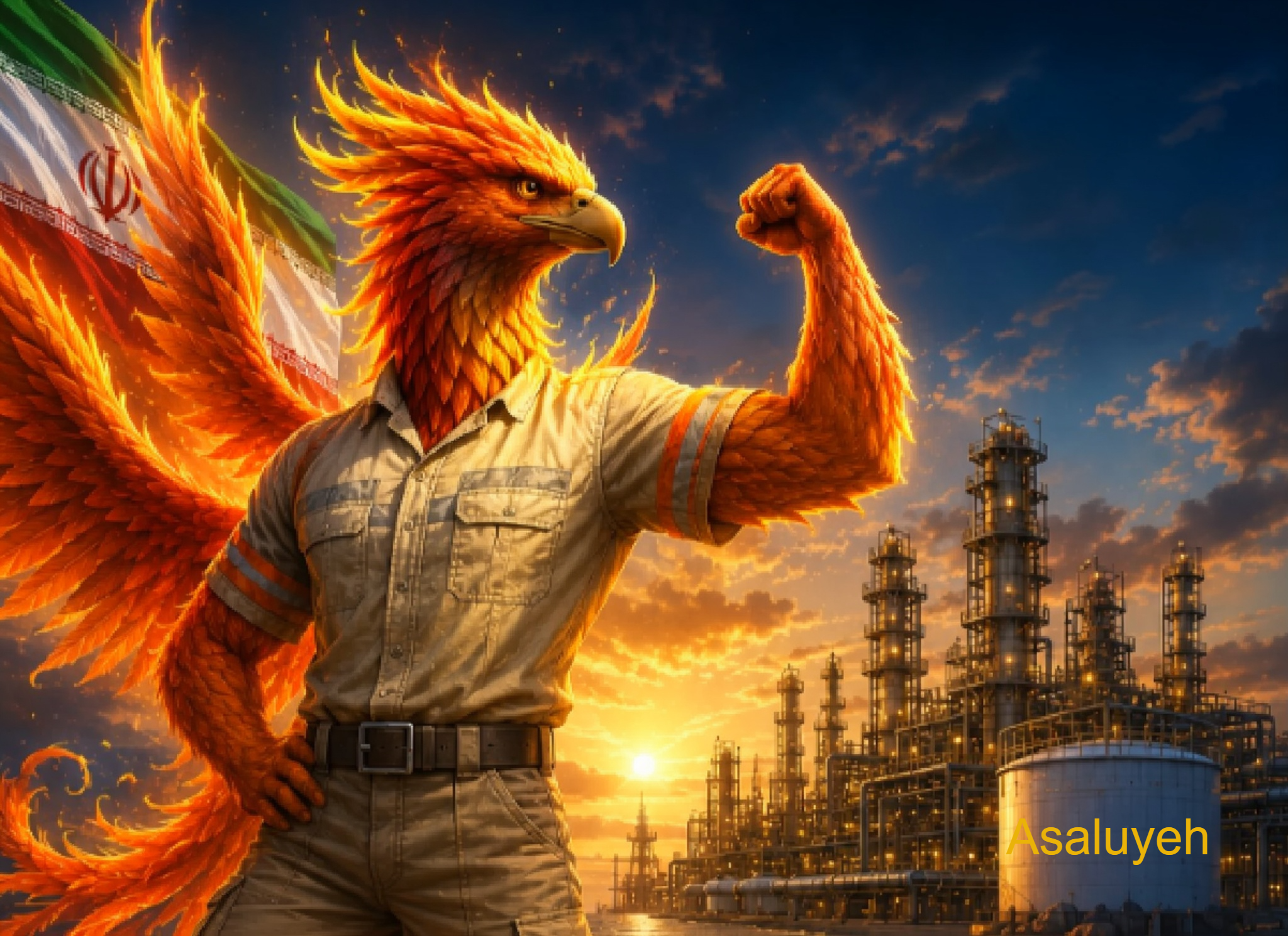
Iran's gas industry stands at the threshold of what may be its most profound change since the discovery of the South Pars field.
The recent damage to four refineries at the South Pars site during the 40-day terrorist war, while representing a significant blow to processing capacity, has paradoxically created a rare opening for strategic rethinking.
Rather than merely rebuilding damaged facilities, Iran now faces a decisive opportunity to reimagine the entire purpose of its southern gas processing infrastructure.
The giant South Pars gas field is the beating heart of Iran's economy, supplying 73 percent of the nation's natural gas, providing feedstock for 65 percent of its petrochemical plants, and fueling 60 to 65 percent of its power stations.
When terrorist US and Israeli strikes damaged several of its onshore refineries, the immediate concern was a significant disruption to this vital infrastructure.
Yet what initially appeared to be a serious challenge may, against all odds, have become a trigger for a strategic transformation, forcing Iran to move beyond simple repair and toward building a resilient, future-proof national energy hub.
The attacks targeted the industrial heart of Iran's energy sector in order to cripple the country's domestic energy supply and its major source of foreign currency earnings, given that petrochemical exports are a key pillar of the economy.
However, the crisis immediately triggered an extraordinary mobilization of domestic resources to clear debris, bypass damaged sections, and bring offshore platforms back online.
According to CEO of the South Pars Gas Complex Gholamabbas Hosseini, reconstruction efforts began from the first days and were already progressing at a satisfactory pace.
The response, however, evolved from simple restoration into a profound rethinking of the infrastructure's purpose. The wartime damage created a rare opportunity for a "rebuild better" strategy.
With refineries partially offline, the prohibitive cost and operational disruption of extensive modifications became manageable.
The reconstruction process has been used to localize technical processes and deploy domestically manufactured equipment at an unprecedented rate.
According to Hosseini, localization of technical processes and the extensive use of domestically manufactured equipment and materials have been among the main factors behind the success of the reconstruction program.
Using local expertise has not only accelerated project execution but also strengthened production stability and reduced dependence on foreign resources.
Domestic manufacturing now supplies 70 to 90 percent of refinery equipment, and since sanctions were imposed, Iran has achieved full domestic production of turbines and most chemical materials, including catalysts.
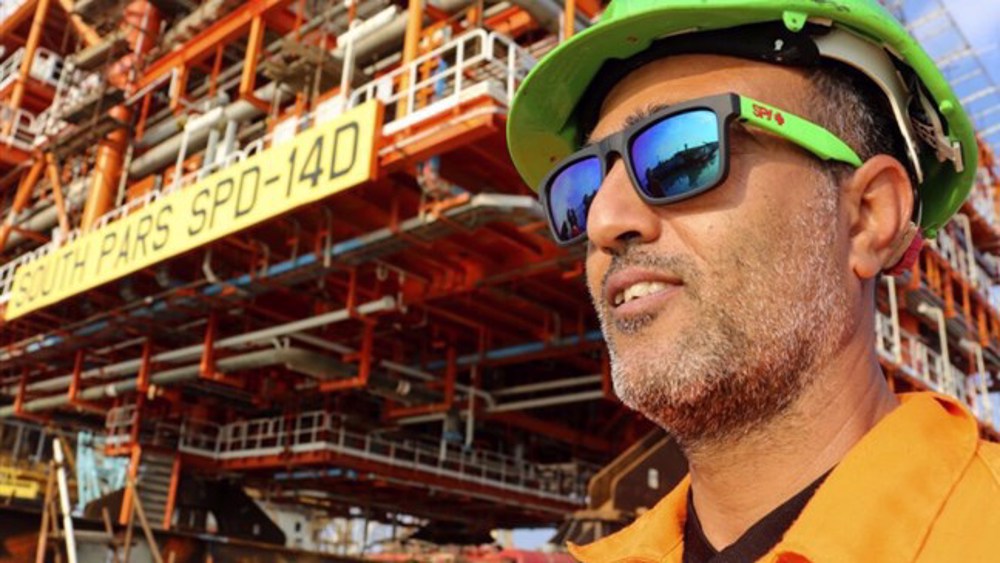
The strategic insight driving this transformation is that South Pars is entering the second half of its life. The field has now entered a natural pressure decline phase, which without intervention would lead to a gradual drop in output.
The Ministry of Petroleum estimates that South Pars could see a daily production drop of 28 million cubic meters within two years, surging to 42 million cubic meters per day in five years without the pressure-boosting project.
By 2033, a quarter of the country's total gas production is reportedly expected to be scaled back due to pressure decline in South Pars.
Rather than letting its multi-billion-dollar refineries sit idle as the field declines, Iran is modifying them to process gas from a variety of other fields.
The concept, a key tenet of modern gas processing, means upgrading the refineries to handle gas from a portfolio of other Iranian fields such as Kish, North Pars, and Farzad B once South Pars production wanes.
This prepares the facilities to become the backbone of a national gas processing hub, extending their economic life for decades.
The economic logic is compelling. Building a new gas processing plant costs billions of dollars and takes years. The South Pars zone already possesses an unmatched ecosystem of specialized ports, power and water utilities, logistics, and a skilled workforce.
About 22,000 people work in South Pars, 52 percent of them local residents. The complex's total output in 2025 was valued at around $75 billion at the free-market exchange rate, underscoring its vital contribution to national revenue.
Rebuilding with an eye toward future flexibility is akin to preparing the nation's energy infrastructure for the post-South Pars era, where the refineries serve the entire gas sector, not just a single field.
This is a far more efficient use of capital than building new, independent plants for each new field.
Furthermore, Iran has embarked on a parallel $17 billion pressure-boosting project to mitigate the field's natural decline, but this is only part of the solution.
In March 2025, the National Iranian Oil Company signed a contract with four domestic companies namely Petropars, OIEC, MAPNA, and Khatam al-Anbia Construction Headquarters to carry out the project.
The pressure-boosting plan is expected to push up the field's gas recovery rate by around 20 percent, making an additional 2.38 trillion cubic meters of gas and 2 billion barrels of gas condensate recoverable.
Officials have noted that if Iran does not act, not only the pressure goes up on Qatar's North Dome side, a part of the gas on the Iranian side will also move to Qatar due to the pressure difference.
The war damage, while painful, has ultimately accelerated this necessary transition, ensuring that the country's energy security is safeguarded even as its primary gas field enters its twilight years.
The crisis management experience in South Pars has shown that not only has dependence on foreign countries for specialized repairs been eliminated, but the speed and precision of Iranian specialists have set a new international standard for industrial crisis management.
The reconstruction of South Pars is about constructing the foundation for a more resilient and sustainable energy future for Iran, where the refineries of Assaluyeh serve not a single, declining field but an entire nation's gas portfolio for decades to come.

Iran's custodial role in the Strait of Hormuz beyond pipelines
The economics of 30-year Iran-Russia energy partnership
Iran’s oil exports continue uninterrupted despite US revocation of waivers: Minister



IRGC: Two US-coerced deviant tankers explode in unsafe Strait of Hormuz route
VIDEO | Press TV's news headlines
VIDEO | 'Iranian Red Crescent on humanitarian front lines amid US aggression'
Hamas hails Spain’s World Cup triumph as moral victory against Israel
IRGC delivers decisive blow to US special operations hub in Syria
Spain captures second FIFA World Cup title as Torres sinks Argentina in extra time
Another US soldier killed in Iraq amid mounting casualties from Iranian strikes
VIDEO | 'They are very totalitarian in nature': Alon Mizrahi


 PressTV NEWSLETTER
now
PressTV NEWSLETTER
now
 This makes it easy to access the Press TV website
