Iran’s oil exports continue uninterrupted despite US revocation of waivers: Minister
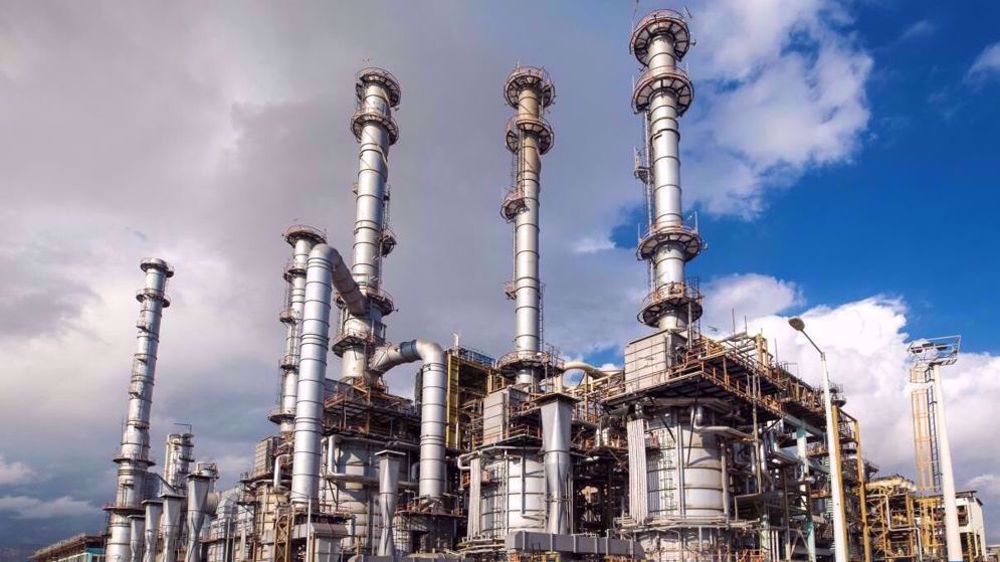
Iran's petroleum minister says the country's oil exports are continuing without interruption despite Washington's cancellation of a 60-day sanctions waiver, slamming the United States for violating its commitments.
While stressing that long-established mechanisms have neutralized the impact of US sanctions, Mohsen Paknejad said on Tuesday that the country’s oil exports are continuing uninterrupted despite Washington’s decision to revoke the 60-day waiver related to US oil sanctions.
He also emphasized that his ministry has long maintained mechanisms to render the American sanctions ineffective.
Commenting on the US decision to cancel the 60-day waiver and the ministry's plans under the new circumstances, Paknejad said, “The Petroleum Ministry has for years established the necessary structures to neutralize the impact of the United States' unjust sanctions.”
“Even after the 60-day waiver was granted, we did not dismantle these mechanisms and continued to preserve them,” he added.
The minister slammed Washington for violating its commitments, saying, “The Americans, as usual, broke their promise and violated Article 10 of the memorandum of understanding related to the 60-day waivers.”
Paknejad stressed that the existing framework for maintaining oil exports remains fully operational despite the US move.
“Given that the structures foreseen for the continuation of oil exports have been maintained, the country’s oil export process continues as before and, God willing, we will not face any problems in this regard,” he noted.
The remarks came after the US Treasury Department last week revoked the authorization linked to the 60-day sanctions waiver, ending the temporary exemption related to Iranian oil sales.
The US move followed heightened tensions around the Strait of Hormuz after a series of attacks on oil tankers.
The development come amid Iran’s continued restrictions on shipping in the Strait of Hormuz, a key waterway in the Persian Gulf which was responsible for a fifth of global oil supply before the start of the US-Israeli aggression on Iran in late February.
The US and its allies have been pressuring Iran for a full reopening of the Strait, but Iranian authorities have repeatedly said that such reopening will only take place under Iranian arrangements and when sanctions imposed on the country are lifted.
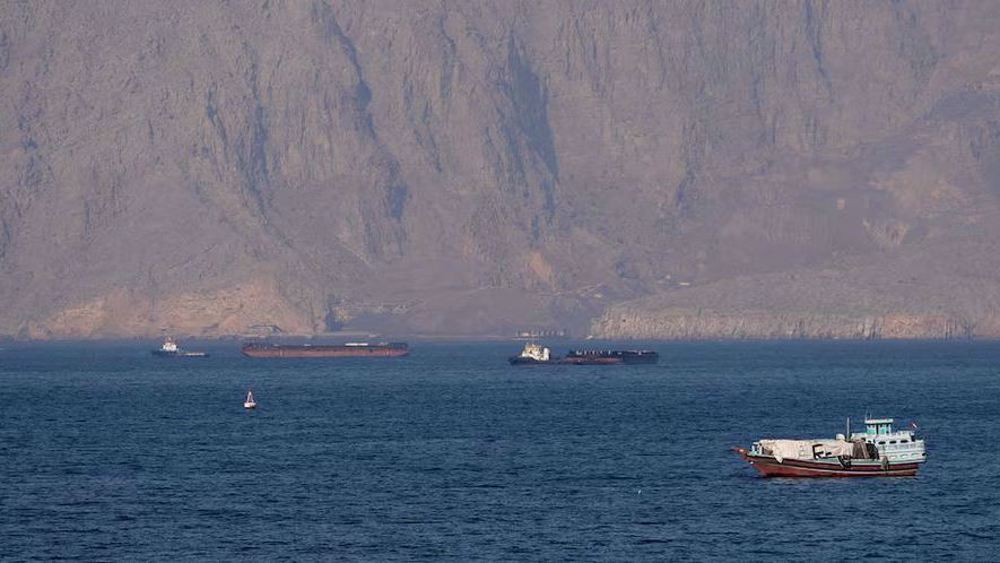
Oil prices climbed to their highest level in a month on Tuesday as renewed US attacks on Iran entered a third consecutive day, raising fresh concerns over shipping through the Strait of Hormuz.
Brent crude, the global benchmark, jumped as much as 3.8 percent after surging 9.6 percent the previous day, reaching $85.92 a barrel by 0800 GMT, its highest level since June 15.
Despite briefly returning to pre-conflict levels after Washington and Tehran signed a peace memorandum last month, Brent is now up 19 percent from its level before the US-Israeli war on Iran began in late February.
The latest escalation followed US strikes that Washington claimed were aimed at limiting Iran's ability to target commercial shipping in the Strait of Hormuz. In response, Iran's Islamic Revolution Guards Corps (IRGC) said it struck two oil supertankers in the waterway and launched missile and drone attacks on US military assets in Kuwait and Bahrain, among others.
Meanwhile, President Donald Trump announced that the US would reimpose a blockade of Iranian ports and begin charging transit fees to vessels passing through the strategic waterway.
Iran Parliament introduces bill on Hormuz management amid US interventions: MP
Trump endorsed Saudi crown prince’s decision to bomb Sana’a airport: Report
Iran submits detailed complaint to UN over US violations of war-ending memorandum



Iran denounces UK's threat designation of IRGC as ‘unjustified, irresponsible, against intl. law’
VIDEO | Christian and Muslim, One Front: A father's story of sacrifice against Israeli aggression
Two Daesh terrorists executed in Iran for armed plot
Israel finalizes $2.3bn deal to expand West Bank settlements by 12,000 units
US airstrike kills family members of Iranian park ranger in Hormozgan
VIDEO | Press TV's news headlines
Strait of Hormuz will never be reopened through war, Iran Army warns US
Iran’s oil exports continue uninterrupted despite US revocation of waivers: Minister


 PressTV NEWSLETTER
now
PressTV NEWSLETTER
now
 This makes it easy to access the Press TV website
