Ex-US counterterror chief: Washington must accept Iran as major regional power after failed US-Israeli war
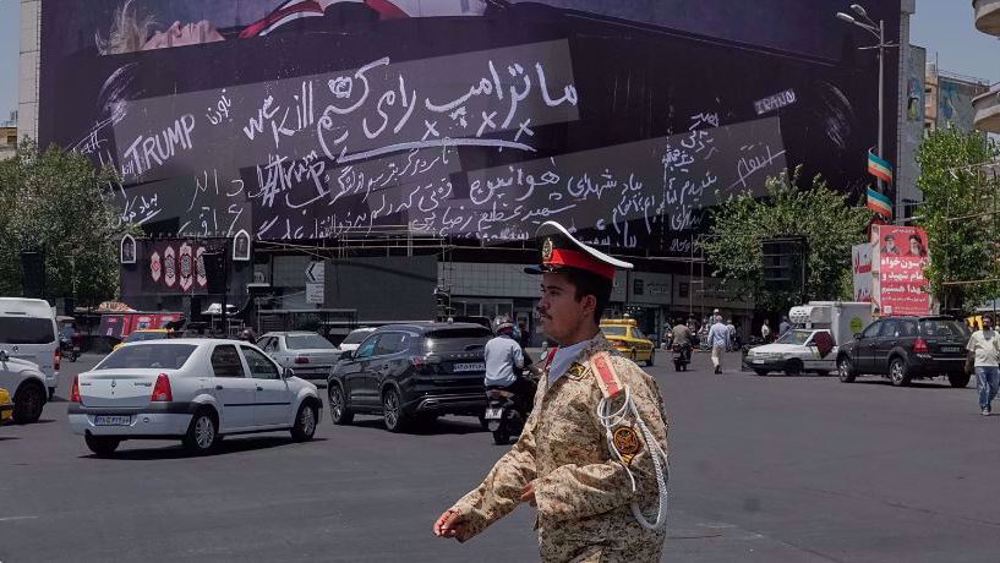
The former director of the US National Counterterrorism Center (NCTC) has urged Washington to recognize that Iran has emerged as a major regional power after the US-Israeli aggression, warning that continued escalation will further damage American interests.
In a post published on social media platform X on Sunday, Joseph Kent said the war of aggression against the Islamic Republic has fundamentally changed the balance of power in West Asia, urging the US to adapt its strategy instead of pursuing further assaults on Iran.
“The war has changed the region. Iran has emerged as a major regional power, the sooner we recognize this reality and adjust our posture accordingly, the stronger our position will be,” he wrote.
Airstrikes have failed to achieve Washington’s objectives, while any ground invasion would become “a strategic disaster,” causing heavy American casualties and further destabilizing the region, Kent said.
He also said the assassination of the former Leader of the Islamic Revolution, Ayatollah Seyyed Ali Khamenei, backfired by strengthening national unity inside Iran, with many Iranians rallying behind the government and the Islamic Revolution Guards Corps (IRGC) instead of turning against them.
Kent called for ending the aggression, saying Washington should restore the free flow of oil through the Strait of Hormuz by withdrawing US troops, military bases, and naval forces from the region.
Many American bases have become strategic liabilities rather than assets, and their withdrawal would remove Iran’s main justification for targeting US military installations and disrupting shipping through the strategic waterway, according to Kent.
He added that once tensions are reduced, Washington could pursue diplomacy by offering sanctions relief in exchange for guarantees of freedom of navigation through the Strait of Hormuz.
Kent resigned as director of the NCTC on March 17, 2026, saying he could no longer support the war against Iran in good conscience.
He stated that Iran posed “no imminent threat” to the US and that the war had been driven by pressure from Israel and its influential lobby in Washington.
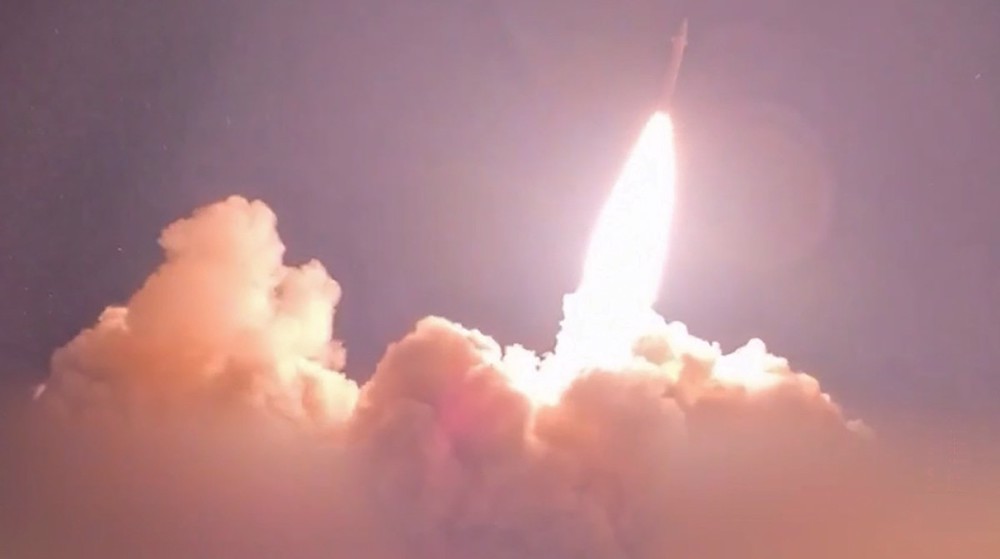
The latest round of US-Israeli aggression against Iran began on February 28, prompting Tehran to launch daily missile and drone strikes on US and Israeli assets across the region while temporarily closing the Strait of Hormuz.
Iran and the US signed the Islamabad Memorandum of Understanding (MoU) on June 17 to end the aggression across all fronts, but renewed US attacks in recent days triggered another wave of Iranian retaliatory missile and drone strikes against American military targets across West Asia.
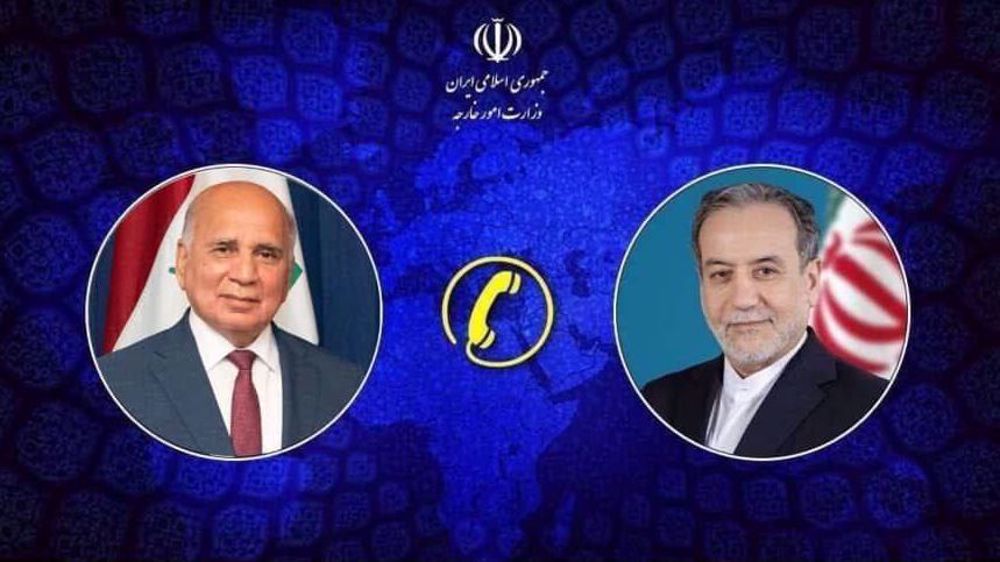
Iran, Iraq reaffirm commitment to consultations to maintain regional peace and security
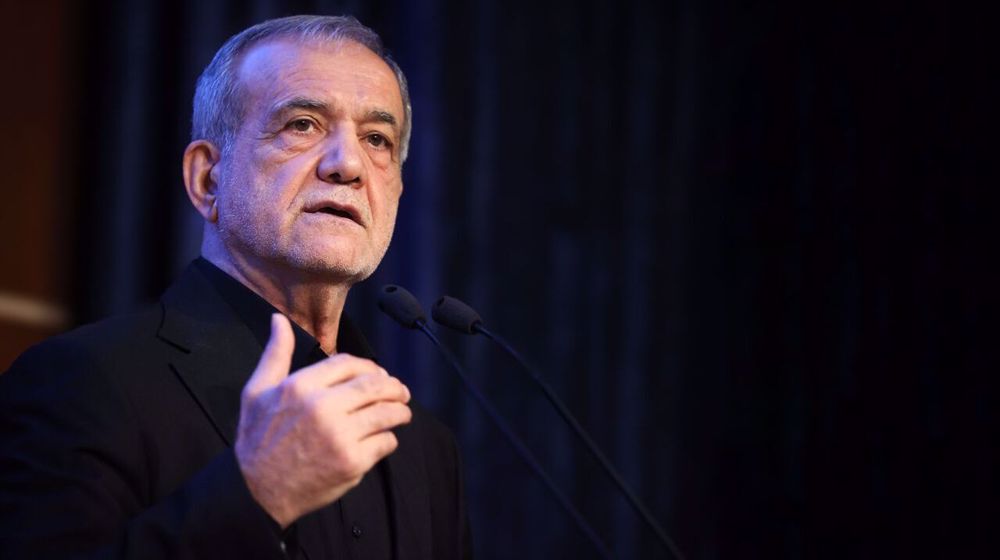
President Pezeshkian: Leader’s message of unity key to safeguarding Iran’s national interests
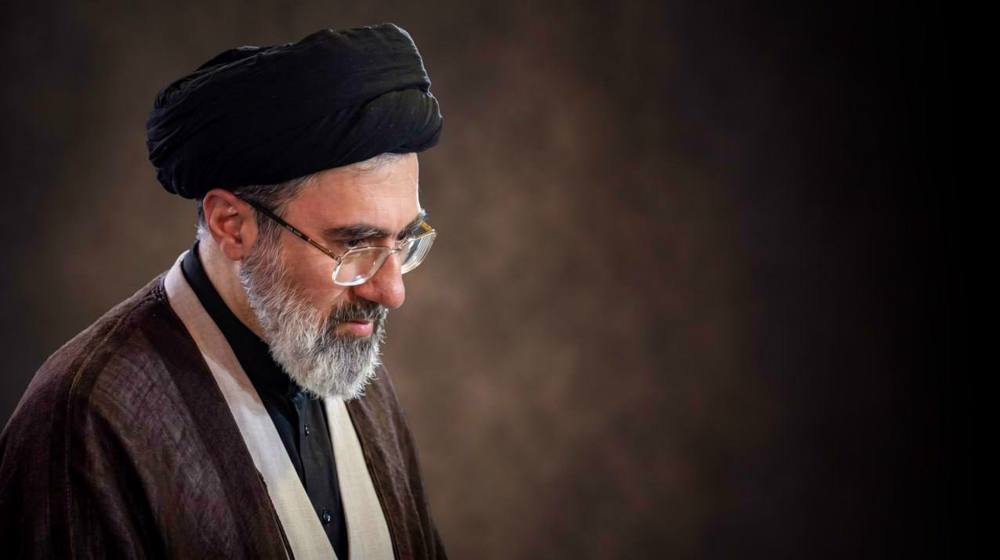
Ayatollah Khamenei hails Iraqis for ‘epic’ funeral processions held for martyred Leader



Israeli policies threaten Palestinian Christian existence in Holy Land: Church
Yemen’s Ansarullah warns region heading toward explosion
VIDEO | Palestinian man, who was presumed dead, reunites with family
Iran air defense downs multiple enemy drones, cruise missile
VIDEO | Press TV 's news headlines
VIDEO | Most Americans do not realize the resilience of Iranian people: Analyst
Israeli settlers torch mosque in terror attack on occupied West Bank village
Quds Force chief vows to continue 'bright path of resistance' under Leader's guidance




 PressTV NEWSLETTER
now
PressTV NEWSLETTER
now
 This makes it easy to access the Press TV website
