Iranian scientists develop first-of-its-kind device to prevent costly oil pipeline-clogging deposits

Iranian researchers have developed a portable device capable of predicting the onset of asphaltene deposition in crude oil before it occurs, a breakthrough that could help prevent pipeline blockages, reduce production costs, and improve oil recovery operations.
The technology, developed by postdoctoral researcher Ehsan Jafarbeygi at Sharif University of Technology with support from the Iran National Science Foundation (INSF), is designed to identify the pressure and temperature at which asphaltenes begin to precipitate inside oil reservoirs.
Named TERA (an acronym in Persian for Asphaltene Deposition Determination), Jafarbeygi described the device as a fully indigenous technology with no domestic or foreign equivalent.
It enables engineers to detect deposition risks before they develop into costly operational problems, Jafarbeygi was quoted as saying by IRNA news agency.
"Asphaltenes are naturally dissolved in crude oil under reservoir conditions, but changes such as pressure depletion or gas injection during production can cause them to precipitate and form sludge-like deposits," Jafarbeygi said.
"These deposits clog reservoir pores and production pipelines, leading to significant technical and financial losses."
According to the researcher, conventional techniques for studying asphaltene deposition are either time-consuming or require large volumes of live crude oil and sophisticated laboratory equipment, while often failing to deliver sufficiently reliable results.
Jafarbeygi said the newly developed TERA device simulates harsh reservoir conditions inside a compact high-pressure chamber capable of operating at pressures of up to 8,000 psi and temperatures as high as 150 degrees Celsius.
By directing a specialized light source through a sample chamber holding less than two cubic centimeters of live oil, the system continuously monitors light transmission, he added.
Iran First -Iranian nanocatalyst deployed at domestic refinery to produce cleaner fuels https://t.co/3u58FjJi0L
— Press TV 🔻 (@PressTV) July 13, 2026
"As soon as asphaltene particles begin to precipitate, less light passes through the sample, allowing the device to immediately detect and report the change," Jafarbeygi explained.
According to Jafarbeygi, one of the device's key advantages is its ability to quickly determine the precise pressure and temperature at which asphaltene precipitation begins, enabling engineers to optimize production conditions and avoid operating within deposition-prone ranges.
"Its compact size also makes it suitable for use directly at oil well sites, requiring only a very small sample of live crude oil—an important advantage given the high cost and difficulty of obtaining reservoir-condition oil samples," he said.
The device can also evaluate the impact of enhanced oil recovery operations before they are carried out.
According to Jafarbeygi, it allows engineers to assess whether injecting gases such as methane or carbon dioxide, or water with different salinity levels, is likely to intensify asphaltene deposition.
"Using the device, we demonstrated that optimizing the salinity of injected water and the amount of carbon dioxide injected into the reservoir can reduce asphaltene deposition by as much as 97 percent," he said, adding that the improvement could translate into substantial cost savings while protecting oil wells from damage.
The researcher said the technology also eliminates the country's reliance on foreign companies for studying and managing asphaltene-related challenges in oil fields.
"With the development of this device, petroleum engineers now have a powerful tool to analyze fluid behavior inside reservoirs," he said. "By preventing pipeline blockages and reducing technical and financial losses, the technology can contribute to more efficient production and help safeguard the country's energy resources."
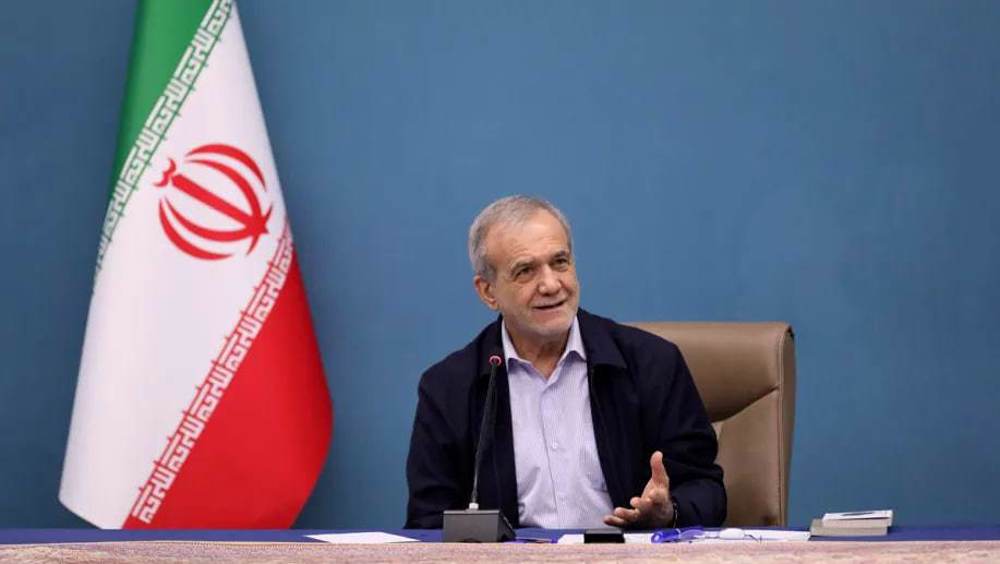
Pezeshkian hails Iran’s physics prodigies for another glory at international Olympiad

Iran's physics Olympiad team shines at IPhO 2026 with three gold, two silver medals
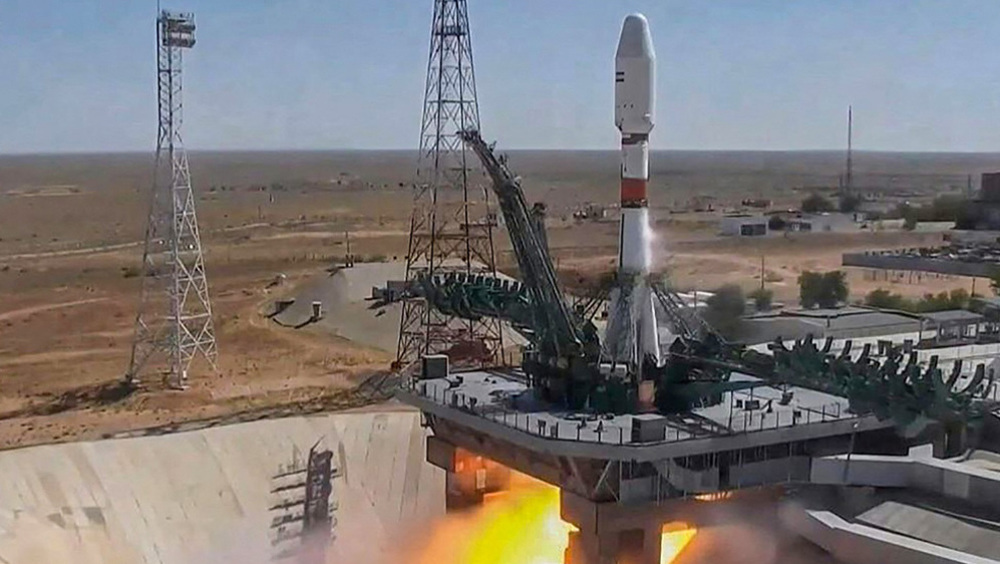
Martyred Leader's strategic vision charted course of Iran’s space industry: Space agency chief



Israeli settlement expansion plot 'dangerous and criminal' step toward annexation: Hamas
VIDEO | Saudi Arabia seeking escalation in Yemen: Activist
US authorities detain American journalist Max Blumenthal upon return from Iran
Iran begins repatriating 55 fishermen detained by UAE after GPS disruptions
Army, IRGC spokesmen hold meeting, affirm unwavering unity against enemy threats
Iranian scientists develop first-of-its-kind device to prevent costly oil pipeline-clogging deposits
Iran denounces UK's threat designation of IRGC as ‘unjustified, irresponsible, against intl. law’
VIDEO | Christian and Muslim, One Front: A father's story of sacrifice against Israeli aggression


 PressTV NEWSLETTER
now
PressTV NEWSLETTER
now
 This makes it easy to access the Press TV website
