Tehran categorically rejects UAE anti-Iran IMO proposal as politically motivated, legally baseless
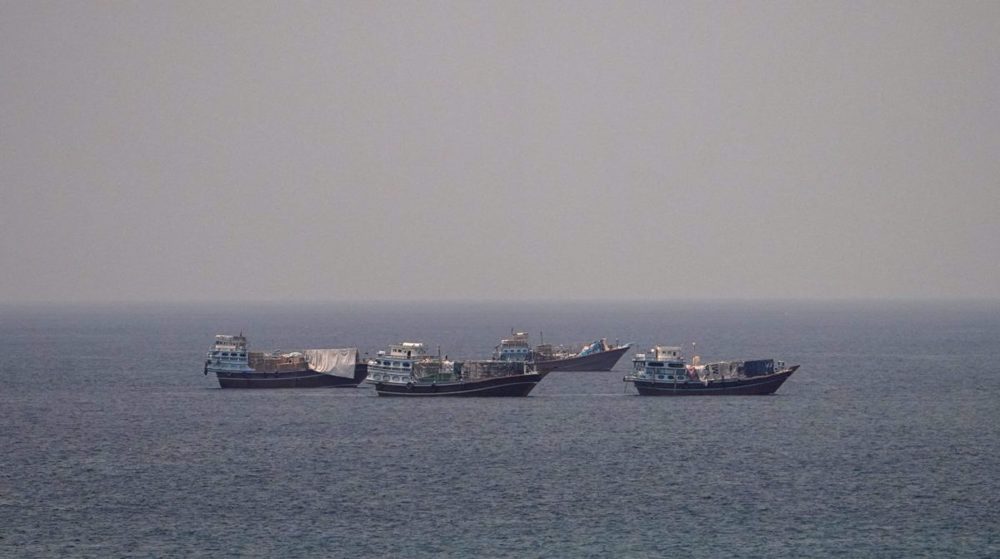
Iran has denounced a UAE-backed proposal submitted to the Council of the International Maritime Organization (IMO) concerning the Strait of Hormuz, describing it as politically motivated and legally baseless.
In an official document submitted to the IMO Council on Tuesday, Tehran categorically rejected the proposal's "selective, politically motivated and legally unfounded" allegations, legal characterizations and conclusions.
Iran said the proposal, backed by the United Arab Emirates and eight allied countries, unfairly places responsibility on "the victim of aggression" while ignoring the real source of instability in the Persian Gulf, the Sea of Oman and the Strait of Hormuz.
According to the Iranian submission, the principal cause of the current threats to maritime safety, shipping, seafarers, marine environmental protection and the continuity of maritime transport is the military aggression carried out by the United States and the Israeli regime against Iran, "including through the participation, support or facilitation by the United Arab Emirates and other States."
Tehran argued that the UAE proposal attempts to transform the IMO Council from a specialized technical body into a platform for political pressure.
Iran urged the Council not to adopt, endorse or circulate any document that seeks to determine international responsibility, prejudge disputed legal or factual issues, assign blame to a member state or pronounce on questions relating to the legal status of waterways, sovereignty or jurisdiction.
It warned that accepting such language would exceed the IMO Council's technical mandate and establish an undesirable precedent that could undermine the organization's neutrality and credibility.
The submission reaffirmed that Iran remains committed to maritime safety, the security of navigation, search-and-rescue operations, emergency response, port activities and the protection of the marine environment.
It reiterated that the Strait of Hormuz remains open to international shipping and that vessel traffic continues under appropriate safety and security coordination.
The Islamic Republic also reiterated its longstanding legal position that it is not a party to the United Nations Convention on the Law of the Sea (UNCLOS) and is therefore not bound by the treaty's transit-passage regime.
Instead, Tehran maintains that navigation through the strategic Strait of Hormuz is governed by the principle of innocent passage, which requires respect for the sovereignty and security of coastal states.
The submission also noted that parts of the Strait of Hormuz lie within Iran's territorial waters, emphasizing that, under the international law of the sea, coastal states exercise sovereignty, jurisdiction and sovereign authority over their territorial seas.
The submission further argued that the exceptional security conditions created by the recent US-Israeli military aggression justify Iran's precautionary maritime security measures.
These measures, according to the document, are intended to safeguard navigation, protect seafarers and prevent the strategic strait from being used to facilitate hostile military operations, and should not be interpreted as an attempt to close the narrow waterway.
Iran also said the UAE's draft proposal deliberately omitted unlawful US actions against Iranian shipping, including the blockade of vessels trading with Iranian ports, the armed seizure and confiscation of Iranian ships and cargoes, and the resulting humanitarian and operational risks to maritime transport.
Tehran added that any IMO conclusions that focus solely on allegations against Iran while ignoring the US-Israeli aggression, the role of third countries, attacks on Iranian maritime infrastructure and the impact of sanctions and maritime restrictions would be "incomplete, discriminatory and technically unreliable."
The document called on the IMO Secretariat to ensure that future reports on the Persian Gulf, the Sea of Oman and the Strait of Hormuz reflect all sources of maritime risk, including military aggression against Iran, and that the organization is not used as a platform for selective political pressure.
The Islamic Revolution Guards Corps (IRGC) Navy has repeatedly warned that safe passage through the Strait of Hormuz is only possible via routes officially designated by the Islamic Republic.
The IRGC described any alternative transit routes as "unacceptable and extremely dangerous" and said coordination with the IRGC Navy is mandatory for transit through the strategic waterway.
Last week, Tehran's top military command also warned that any US interference in the Strait of Hormuz would trigger a swift and decisive response from the country's armed forces.
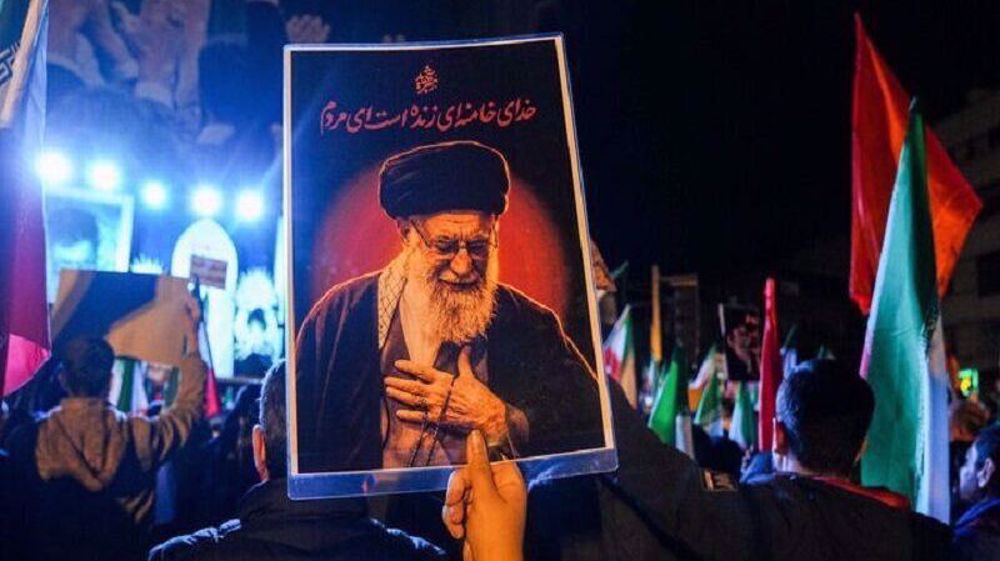
Iran FM spokesman: Martyred Leader dedicated his life to Iran's dignity, independence
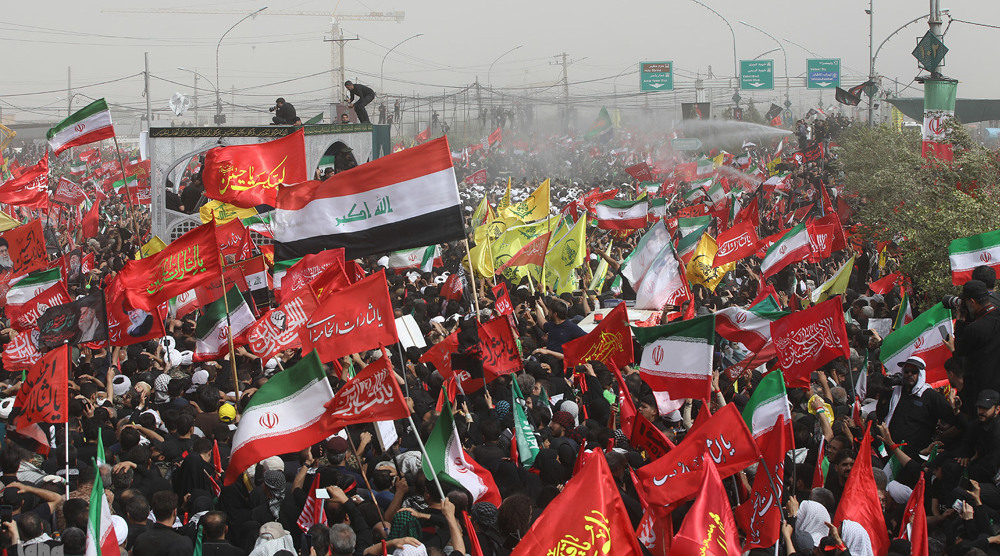
Qaani: Martyred Leader’s funeral in Iraq to strengthen Iran-Iraq unity against US sedition
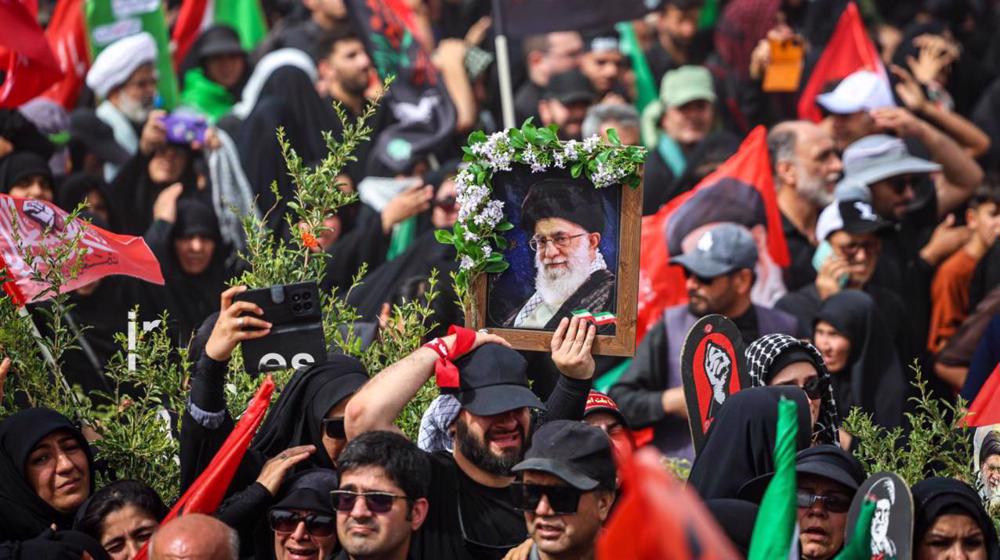
Iraq to hold 3-stage funeral for Ayatollah Khamenei in Najaf, Karbala



French MEP Rima Hassan says terrorism trial aims to silence her pro-Palestine advocacy
VIDEO | Massive Tehran funeral of martyred leader signals public support and defiance
Ayatollah Khamenei’s martyrdom strengthens Islamic unity: Yemeni official
Tehran rejects UAE anti-Iran IMO proposal as politically motivated, legally baseless
Iran FM spokesman: Martyred Leader dedicated his life to Iran's dignity, independence
Qaani: Martyred Leader’s funeral in Iraq to strengthen Iran-Iraq unity against US sedition
Martyred Leader’s greatest legacy was raising an aware, responsible and capable generation: Scholar
Iraq to hold 3-stage funeral for Ayatollah Khamenei in Najaf, Karbala


 PressTV NEWSLETTER
now
PressTV NEWSLETTER
now
 This makes it easy to access the Press TV website
