Majority of US voters say Trump's war on Iran not worth the cost: Poll
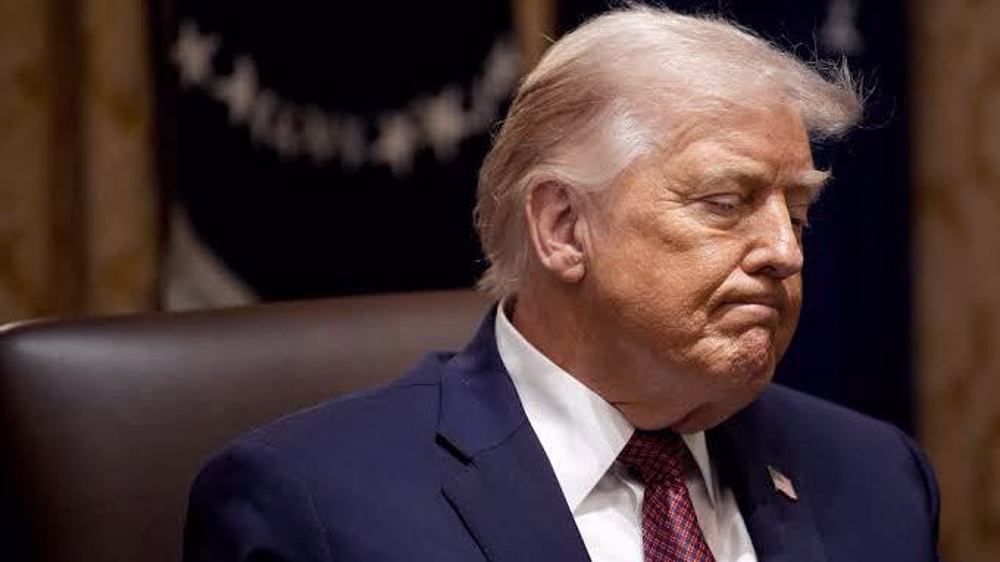
A clear majority of American voters believe Donald Trump's war on Iran has not been worth the cost, according to a new Financial Times poll that underscores how the war is weighing on the president's approval ratings ahead of November's midterm elections.
The nationwide poll, conducted last week by Focaldata, found that 58 percent of registered voters said the war had not been worth the cost.
Furthermore, 44 percent of voters said the conflict had left the US in a weaker position with Iran, compared to just 31 percent who said it had strengthened Washington's hand.
The White House has asked Congress to approve $67 billion in new federal spending to cover the war's expenses to date.
The FT poll found voters were largely skeptical of the so-called memorandum of understanding between Washington and Tehran.
Roughly two-thirds, 66 percent, said the deal would make either little or no difference to peace and stability in West Asia, or would increase instability and make conflict more likely.
Only one in five voters believed the deal would lead to peace.
The survey also highlighted how the war, which has driven petrol and other consumer prices sharply higher this year, continues to drag down Trump's approval ratings.
Just 36 percent of voters approved of the job Trump was doing as president, a two-point drop from the previous month.
Among independents, the drop was steeper, with an approval rate of only 21 percent, an eight-point decline.
On the eve of this week's NATO summit in Ankara, the poll also found that 53 percent of voters think the US should remain a member of the alliance, compared to 23 percent who said it should leave.
Trump has for years threatened to leave NATO, calling it a “paper tiger” and criticizing European allies for refusing to join the US war on Iran.
Looking ahead to November's midterm elections, the poll showed Democrats on firmer footing.
Respondents gave Democrats a six point lead (44 percent to 38 percent) when asked which party's candidate they would support for Congress.
However, Republicans showed higher voter enthusiasm, with three-quarters of self-identified Republicans rating their likelihood to vote in November as eight or higher on a scale of one to ten, compared to 69 percent of Democrats and 56 percent of independents.
Hind Rajab Foundation hails ‘significant victory’ after Israeli minister cancels US visit
Deputy FM links martyrdom of Leader to enduring American crimes against Iran
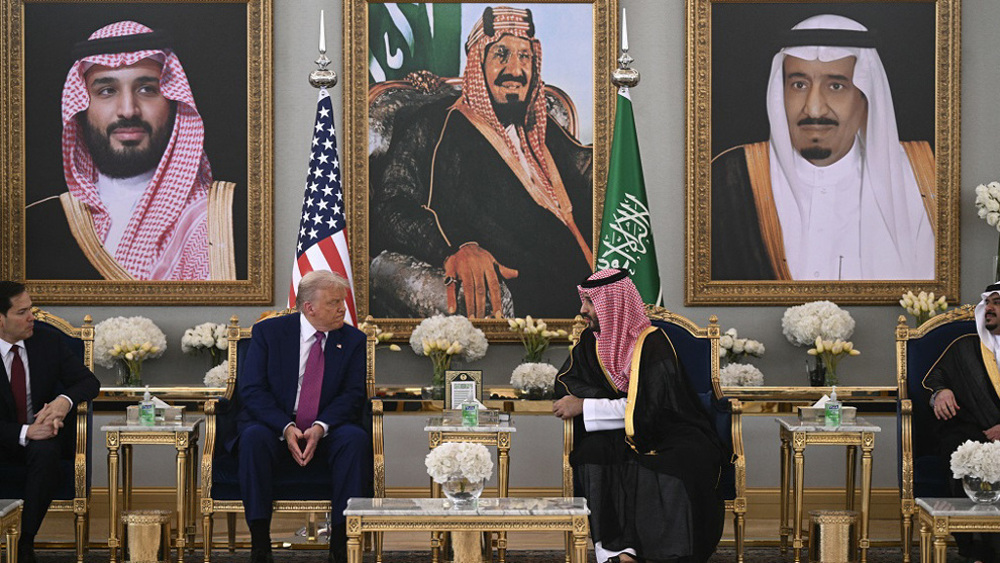
US failure in war on Iran ignited clash between Trump, MBS: Report


VIDEO | Tehran conference honors martyred leader as 'eternal'
Majority of US voters say Trump's war on Iran not worth the cost: Poll
VIDEO | Historic Iran–Sana'a flight defies 11-year blockade, sparks celebrations
VIDEO | Israel steps up Al-Khalil mosque restrictions, settler expansion
US 'defeated' as Iran MoU forces recognition of resistance allies: Qalibaf
Israeli forces kill Palestinian teen in West Bank, infant dies after emergency passage denied
Yemen vows to break siege regardless of cost, warns Saudi Arabia against any 'folly'
Ayatollah Khamenei upheld moral leadership despite existential threats: Ex-British diplomat


 PressTV NEWSLETTER
now
PressTV NEWSLETTER
now
 This makes it easy to access the Press TV website
