Doha talks focused on US violations of MoU, frozen asstes: Iran’s deputy FM
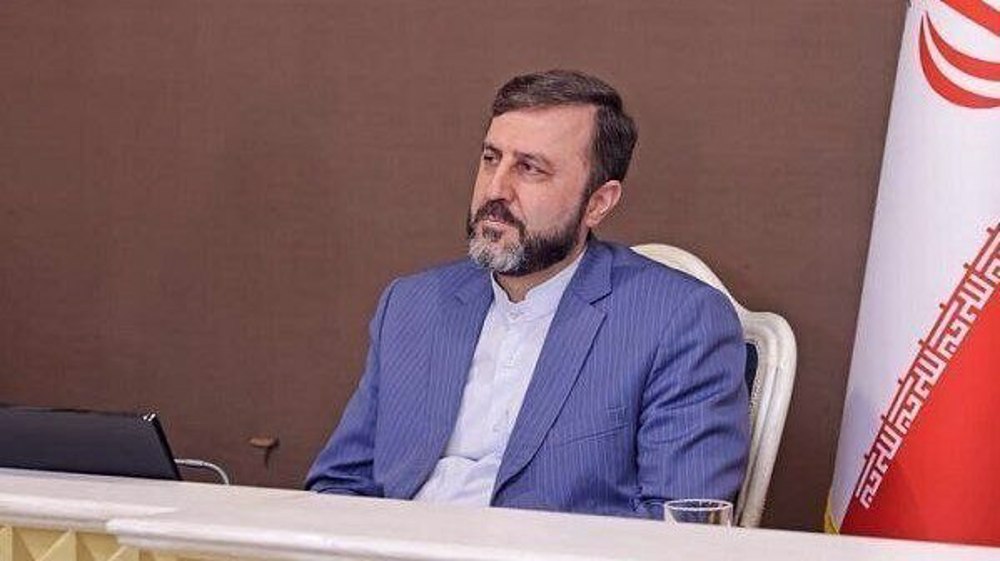
Iran’s top nuclear negotiator says that talks in Doha with Qatari and Pakistani mediators focused on US violations of the Islamabad Memorandum of Understanding (MoU), particularly regarding the ceasefire in Lebanon, and that a working group has been formed to monitor implementation of the agreement.
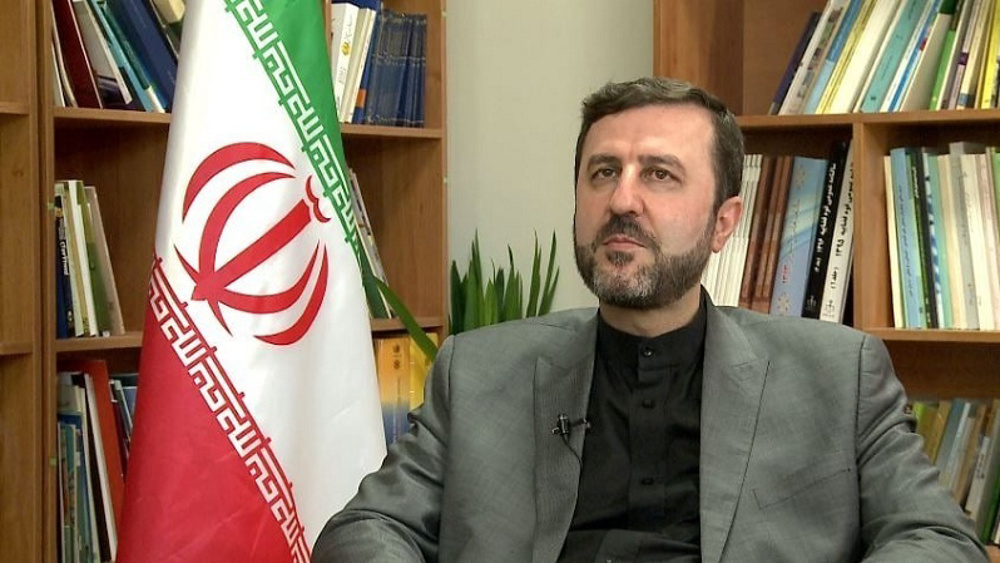
Kazem Gharibabadi, Iran’s deputy foreign minister for legal and international affairs and the country’s lead negotiator, concluded a round of trilateral talks in the Qatari capital on Wednesday, where he met with Qatar’s Prime Minister and Foreign Minister Sheikh Mohammed bin Abdulrahman Al Thani, as well as with Pakistani mediators.
“The Iranian delegation’s talks began this morning with the Prime Minister and Foreign Minister, and then the three countries’ delegations, Iran, Qatar and Pakistan, held two meetings,” he said.
Gharibabadi said the first meeting of the monitoring group tasked with overseeing the MoU’s implementation was held with the participation of senior negotiators from the three countries.
“US violations of its commitments under Clause 1 of the Memorandum of Understanding regarding the cessation of war in Lebanon, reports of US efforts to reinforce equipment and forces in the region, and some threatening and interventionist statements by US officials were raised and examined by the Iranian delegation.”
The Iranian side emphasized that the MoU’s commitments form an integrated package and cannot be viewed separately.
“It was decided that a direct communication channel for the monitoring group would be established by tomorrow, and that shortcomings in the implementation of the MoU would be reported, discussed and decided upon in a formal and documented manner.”
Talks on frozen assets
Gharibabadi also held separate meetings with Qatari officials, including the Central Bank, to discuss the release of a portion of Iran’s frozen assets.
“In meetings with Qatari officials, including the Central Bank, some issues related to the expenditure of part of the initial $6 billion were examined, and it was decided that, according to our country’s announced needs, the purchase of necessary goods would be carried out and made available to Iran,” he said.
A US delegation led by Steve Witkoff and Jared Kushner, President Donald Trump’s envoys, was also present in Doha simultaneously and held meetings with senior Qatari officials, including Emir Sheikh Tamim bin Hamad Al Thani and Prime Minister Sheikh Mohammed bin Abdulrahman Al Thani. However, no direct US-Iran talks took place.
“No meeting was held in Doha between the Iranian delegation and the American delegation,” Gharibabadi said.
The Islamabad MoU was electronically signed on June 18, 2026, by Iranian President Masoud Pezeshkian and US President Donald Trump, with Pakistani Prime Minister Shehbaz Sharif endorsing it as the mediator.
The 14-point agreement brought an end to the US-Israeli war of aggression against Iran, which had begun on February 28.
Under the MoU, the two sides declared an “immediate and permanent cessation of military operations on all fronts, including in Lebanon.”
Iran agreed to temporarily lift the restrictions on the Strait of Hormuz, while the US committed to lifting its naval blockade within 30 days.
The two sides also committed to reaching a final agreement within a maximum of 60 days.
The Doha talks were the first formal meeting of the monitoring group established under the MoU to oversee its implementation.
The Iranian delegation included officials from the Foreign Ministry, the Central Bank and the Ministry of Agriculture.
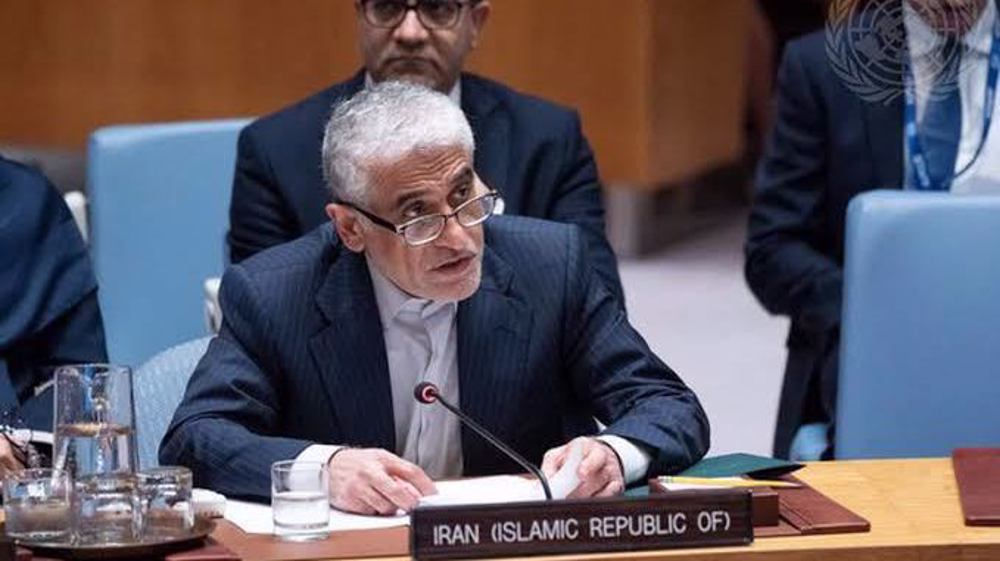
Iran warns UN of Israel’s ‘deliberate’ and ‘public’ threat against Leader
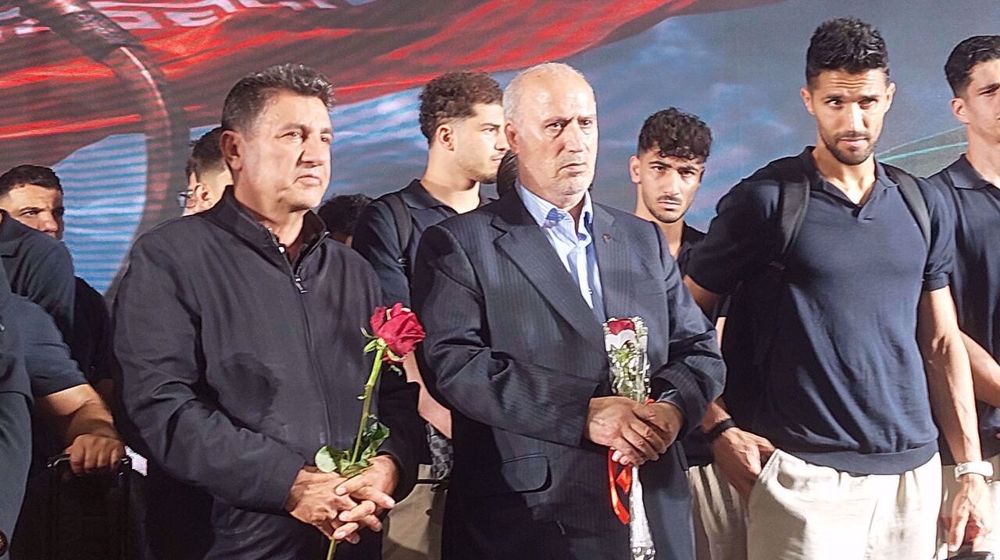
Pezeshkian praises Iran’s World Cup team after hero’s welcome in Tehran
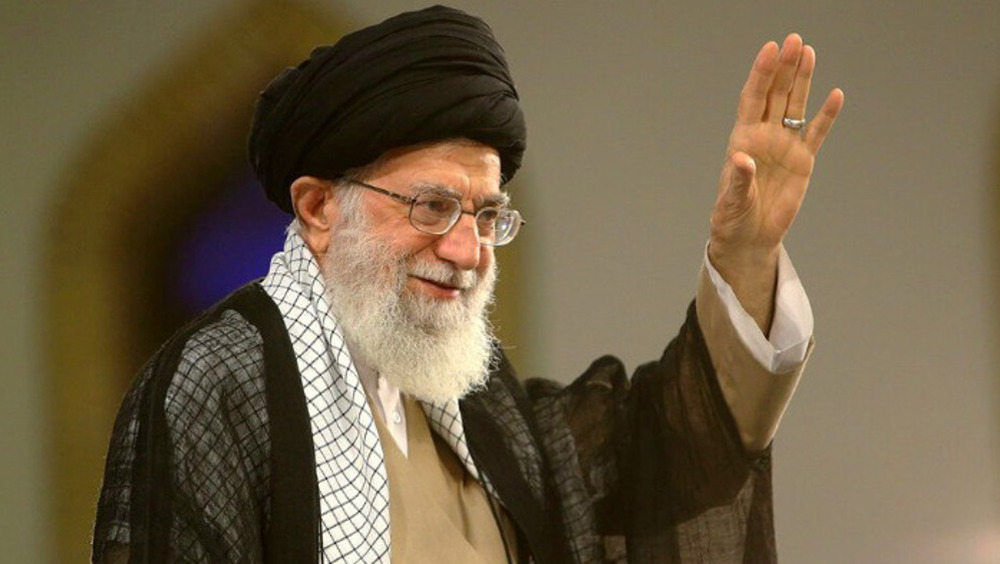
World leaders, top officials head to Tehran for funeral of martyred Leader


US-Saudi ties strained after Riyadh rejected anti-Iran offensive: Report
US evading responsibility on probe into Iranian school massacre: Report
Doha talks focused on US violations of MoU, frozen assets: Iran’s deputy FM
Iran warns UN of Israel’s ‘deliberate’ and ‘public’ threat against Leader
Israeli Knesset advances bill to ban Muslim call to prayer over loudspeakers
VIDEO | Press TV's news headlines
Pezeshkian praises Iran’s World Cup team after hero’s welcome in Tehran
Continued violations of war-ending MoU with Iran prove US cannot be trusted: Analyst


 PressTV NEWSLETTER
now
PressTV NEWSLETTER
now
 This makes it easy to access the Press TV website
