Mission unaccomplished – Part VIII: US ‘maximum pressure’ crumbles as Iran rewrites rules of engagement
By Press TV Website Staff
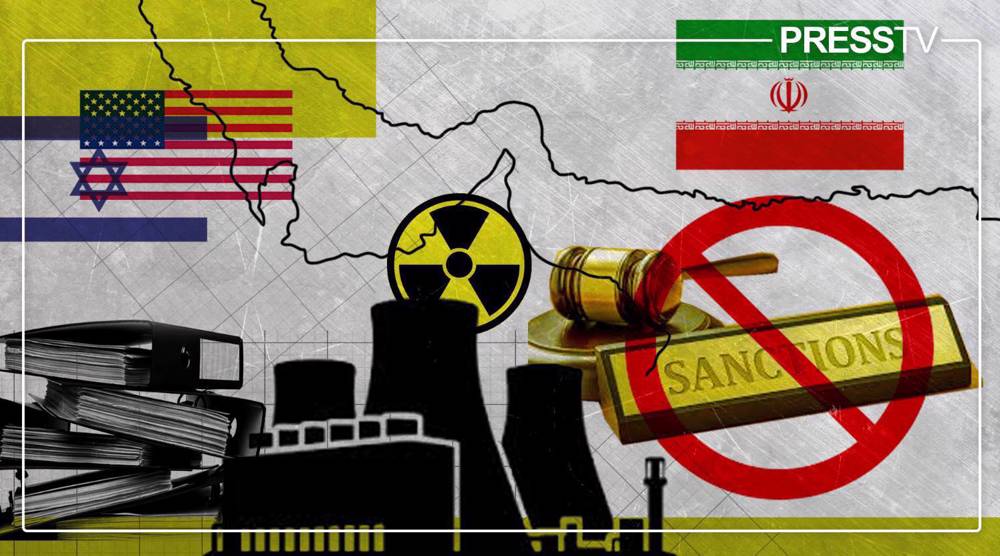
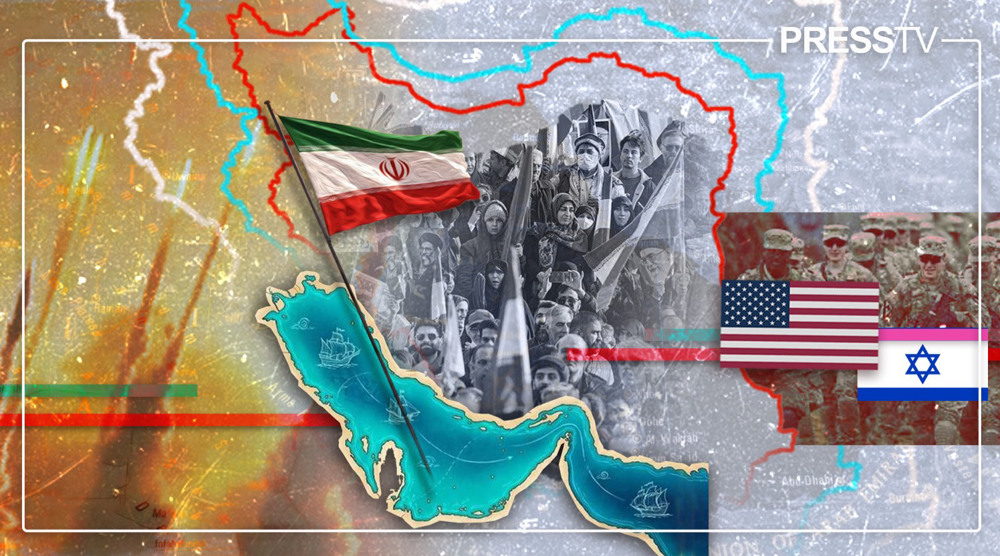
For decades, the United States pursued a policy of so-called “maximum pressure” against the Islamic Republic of Iran, a strategy built around crippling economic sanctions, diplomatic isolation, and military threats to force the country into submission.
The underlying assumption was that this triad would either force Iran to fundamentally change its approach toward the global hegemon or trigger internal collapse.
Yet the recent war imposed on the Islamic Republic and its aftermath, which included Iran negotiating from the position of strength to consolidate battlefield gains, have exposed this strategy not only as ineffective but as fundamentally miscalculated.
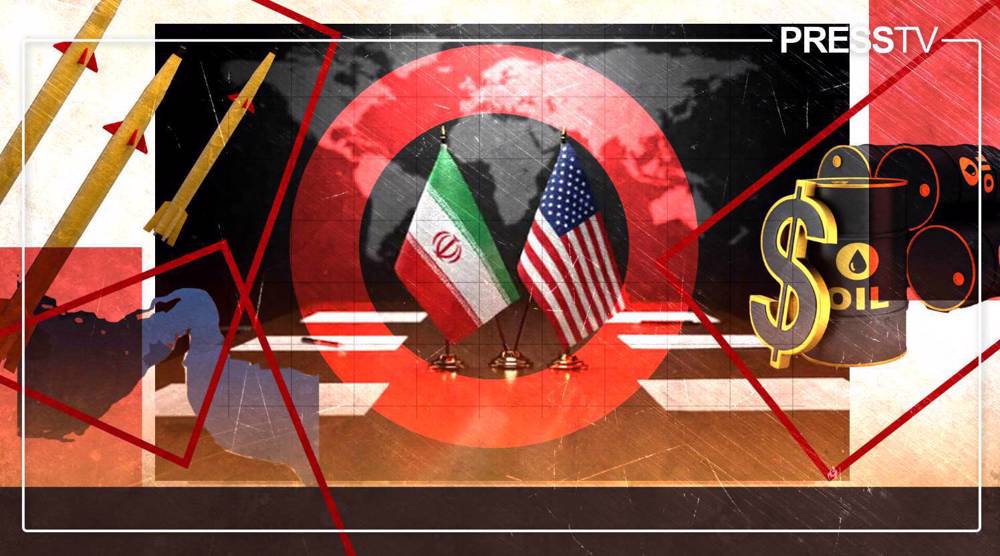
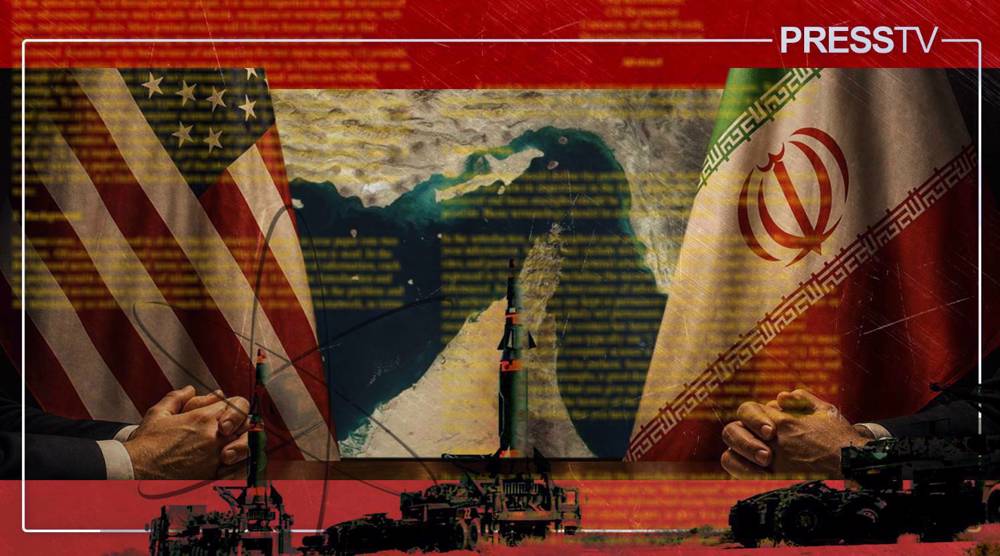
The memorandum of understanding (MoU) signed between Tehran and Washington represents the clearest political acknowledgment yet that “maximum pressure” policy has failed on all fronts, and that Iran has emerged stronger and more united
The architecture of failure
The US “maximum pressure” policy rested on several flawed assumptions. First, that economic sanctions alone could coerce a nation of 90 million with substantial geopolitical weight and historical resilience into submission.
Second, that military threats would deter rather than harden Iranian resolve to resist the hegemon. And third, that internal divisions would lead to political collapse.
None of these goals envisioned by the enemy materialized. Instead, Iran's emphasis on long-term resilience, regional partnerships, and structural continuity disproved the erosion scenario envisioned in the power corridors of Washington.
As security analysts close to US and Israeli circles have begun to acknowledge, policies predicated on “maximum pressure” and reliance on internal unrest have not produced their intended outcomes. The most recent wave of West-engineered riots in Iran, which came just before the full-fledged war, has effectively concluded, and there is no active, nationwide unrest that could catalyze the change Washington sought.
The Iranian system, institutionally structured and not dependent on any single individual, has proven far more durable than Western war planners assumed.
✍ Analysis - Iran-US war-ending MoU codifies Tehran's strategic leverage, cementing its status as regional superpower
— Press TV 🔻 (@PressTV) June 18, 2026
By Press TV Strategic Analysis Deskhttps://t.co/wCg8Z2Z8Um
The battlefield factor
What transformed this strategic impasse into a decisive diplomatic breakthrough was the battlefield. When the United States and Israel launched their full-scale and joint military aggression against Iran in late February, the objective was to destroy Iran's military capabilities and force the Islamic Republic into rapid collapse.
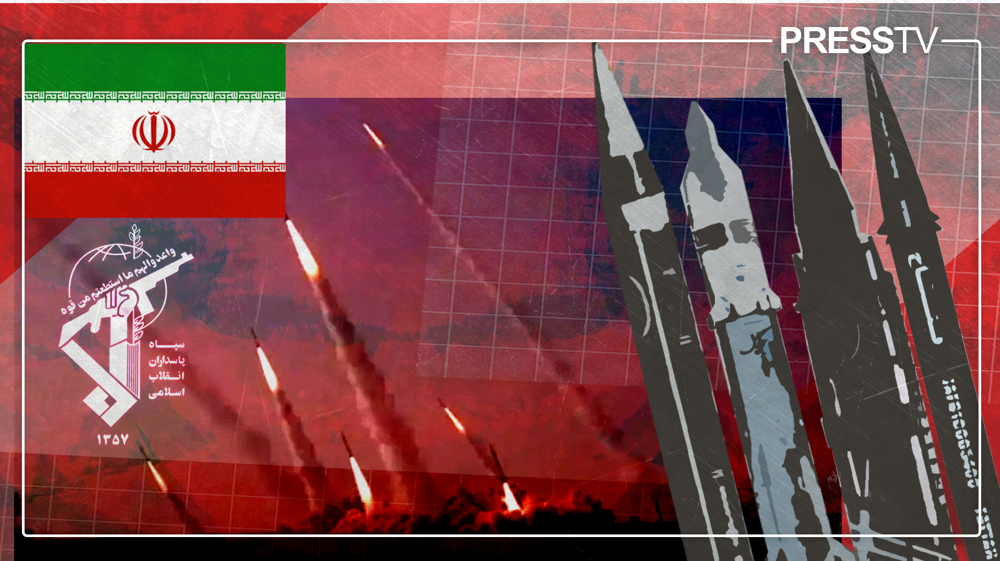
Instead, Iran responded with a coordinated and extensive missile and drone campaign that inflicted severe damage on US installations across the Persian Gulf region as well as critical Israeli military infrastructure in the occupied territories. American media later acknowledged that several bases in Bahrain, Kuwait, Qatar, and the UAE suffered operational disruptions.
Simultaneously, Iran asserted control over the Strait of Hormuz, through which approximately 20 percent of global oil passes daily. This move sent shockwaves through global markets, contributing to rising fuel prices and inflation inside the United States, adding economic pressure to Washington's military setbacks. The message was clear: continued pressure on Iran would impose costs extending far beyond Iran itself.
Iran had warned before the Ramadan War that any new act of aggression against the Iranian people would not be limited to Iran but would have ripple effects across the region.
Iranian Foreign Minister Abbas Araghchi articulated this reality clearly when he stated that Iran's armed forces had achieved a "major strategic achievement" in the face of aggression from adversaries equipped with advanced weapons, including nuclear capabilities.
Naturally, after such a stunning victory, it was necessary to consolidate it through an agreement or understanding and force the enemy to make concessions.
The memorandum: A diplomatic translation of victory
The MoU signed between Tehran and Washington reflects this new balance of power.
Its terms are revealing: the immediate lifting of the illegal US naval blockade, the reopening of the Strait of Hormuz under mechanisms coordinated between Iran and Oman, the release of frozen Iranian assets worth billions of dollars, and a commitment to work toward the complete lifting of all primary and secondary sanctions.
Most significantly, the United States has committed to not interfering in Iran's internal affairs and not using or threatening to use force against it – assurances Tehran has long sought.
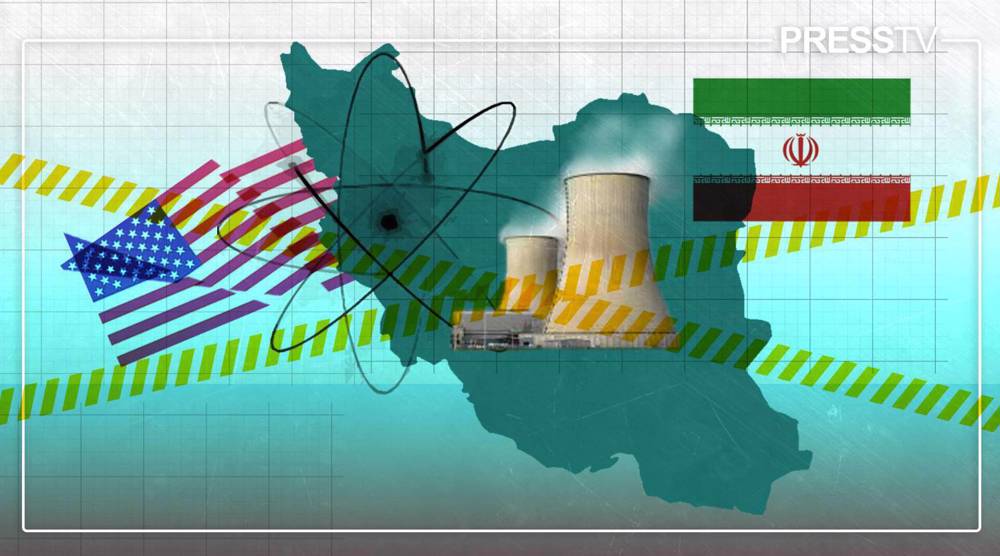
Iran's obligations, by contrast, are relatively limited. Tehran has agreed to help ensure safe commercial passage through the Strait of Hormuz, something that had been the status quo before the war, and to reaffirm that it will not pursue nuclear weapons, while entering talks on the future of its highly enriched uranium and enrichment program.
The most difficult nuclear issues have been deferred to a second phase of negotiations, not resolved in Washington's favor.
Critics in Washington have been quick to point out the asymmetry. Senate Minority Leader Chuck Schumer argued that the agreement could be one of the biggest concessions Washington had ever made to Tehran. Senator Adam Schiff stated that the document is "better for Iran than for the US."
✍️ Analysis - How Iran turned battlefield gains and regional power into strategic postwar leverage against US
— Press TV 🔻 (@PressTV) June 14, 2026
By Press TV Strategic Analysis Deskhttps://t.co/6OAI0n8FS8 pic.twitter.com/Wo53HsrrN4
The economic dimension
The economic implications alone tell the story. Energy experts estimate that the lifting of sanctions on Iranian oil exports could bring Tehran between $60 and $70 billion in additional revenue annually. Iran’s lead negotiator Mohammad Baqer Qalibaf, in a TV interview on Tuesday, said since the MoU was signed, Iran has sold over 50 million barrels of oil.
This is particularly significant for an economy that had been under severe pressure from years of illegal and unjust sanctions. Unlike previous agreements, where released funds were typically restricted to humanitarian purposes, the new memorandum allows Iran's central bank significant discretion in determining beneficiaries.
The inclusion of a proposed $300 billion reconstruction fund, even if not immediately activated, demonstrates Iran's success in making economic recovery a formal part of the war-ending negotiation process.
The strategic dilemma for Washington
For the United States, the memorandum represents a profound strategic dilemma. Withdrawal risks signaling weakened global deterrence, while escalation could deepen the crisis and raise economic and security costs, particularly amid great power competition and domestic challenges.
Polling shows that approximately 85% of Americans oppose war against Iran, and the economic pain inflicted by the Strait of Hormuz closure had become politically damaging for the administration, especially as it approaches November midterms.
The Trump administration has attempted to frame the agreement as a "major win," but the evidence suggests otherwise. Almost all war goals explicitly stated by President Donald Trump, such as obliterating Iran’s nuclear program, destroying its missile industry and dismantling its regional network, go unmentioned in the MoU.
What we are witnessing is not merely the end of an imposed war but the collapse of a long-running paradigm. The assumption that a dominant power can impose its will through sanctions and military threats has been fundamentally challenged.
Multipolar networks and more assertive and autonomous regional actors mean that unilateral coercion deepens resistance rather than enforces submission.
Iran entered these negotiations from a position of strength, imposed terms on its adversary, and refused to give concessions or accept demands. The lifting of sanctions is not merely a point in the MoU but the end of the maximum pressure policy itself.
The coming months will test whether this temporary understanding can be transformed into a lasting agreement. But one reality is already clear: the calculus for dealing with Iran has fundamentally changed. Strategies based on unilateral pressure are no longer sufficient.

Strait of Hormuz Iran's greatest source of leverage; no retreat on sovereign rights: Parl. speaker

'War crime': Iran FM vows legal action against US over torpedo attack on Dena frigate

IRGC dismantles armed separatist cell in northwest Iran


Doha talks focused on US violations of MoU, frozen assets: Iran’s deputy FM
Iran warns UN of Israel’s ‘deliberate’ and ‘public’ threat against Leader
Israeli Knesset advances bill to ban Muslim call to prayer over loudspeakers
VIDEO | Press TV's news headlines
Pezeshkian praises Iran’s World Cup team after hero’s welcome in Tehran
Continued violations of war-ending MoU with Iran prove US cannot be trusted: Analyst
Israeli drone strike kills three Palestinians, injures several in Gaza City
China urges US to lift sanctions on Iran, implement Islamabad MoU


 PressTV NEWSLETTER
now
PressTV NEWSLETTER
now
 This makes it easy to access the Press TV website
