Iran ‘determined’ to defend against US-Israeli strikes, will never submit to pressure: UN envoy
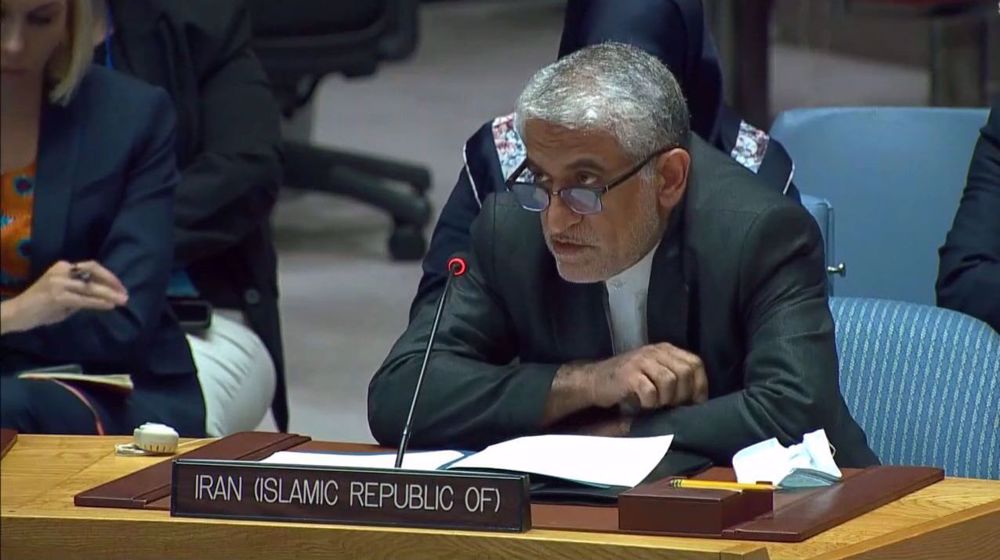
The Iranian ambassador and permanent representative to the United Nations has reiterated the country’s resolve to defend itself against the United States and the Israeli regime amid escalating attacks and threats by the aggressors.
Amir-Saeid Iravani made the remarks on Wednesday shortly before the US targeted Iran for a second consecutive day following President Donald Trump’s renewed bombing threats, sparking Iran’s retaliatory strikes on American military bases and assets in Jordan, Bahrain and Kuwait.
Iravani told a meeting of the UN Security Council that the US president should stop his threats to use force against Iran.
He also noted Iran has exercised its inherent right to self-defense, as recognized under Article 51 of the UN Charter, in response to violations by Washington and Tel Aviv of the April ceasefire that ended the illegal war of aggression against the Islamic Republic.
“Iran remains determined to defend its sovereignty, territorial integrity, national security, and people,” he said
“The United States and the Israeli regime, as the aggressor parties, will bear full responsibility for all consequences of their illegal actions and any subsequent escalation of tensions.”
Meanwhile, the UN envoy emphasized that Tehran has never negotiated under threats and will never submit to pressure.
The United States, he added, has repeatedly pursued this policy and should have learned by now “that threats and military intimidation are counterproductive.”
“If Washington is genuinely interested in a diplomatic solution, it must abandon the language of terrorism and engage with Iran on the basis of mutual respect, sovereign equality, and full adherence to international law,” the Iranian ambassador said.
Additionally, in his remarks, Iravani urged the Security Council to address the root causes of conflict and instability in West Asia, namely the continued occupation of Palestine, Lebanon and Syria, the repeated acts of aggression by the Israeli regime, and the long-standing US military presence in the region, along with its destructive hegemonic policies.
He further stressed that sustainable peace in the region requires an end to the occupation, respect for the sovereignty and territorial integrity of states, accountability for acts of aggression, and the non-discriminatory implementation of international law.
Recent developments in the region, especially the recent unjustified war against Iran, have once again demonstrated that the continued foreign military presence in the Persian Gulf cannot bring sustainable security to the region, he said.
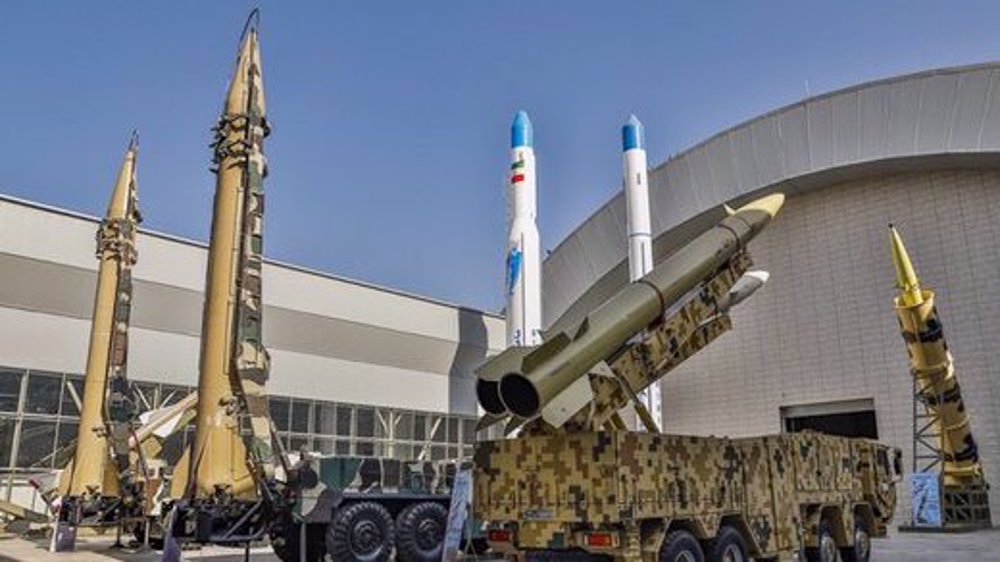
The unlawful US-Israeli aggression on Iran began on February 28. In response, the Iranian Armed Forces targeted sensitive and strategic American and Israeli targets throughout the region and restricted transit through the Strait of Hormuz.
On April 8, forty days into the war, an Islamabad-brokered ceasefire went into effect. However, the first round of Tehran-Washington negotiations failed to reach an agreement, with the latter imposing an inhumane “naval blockade” of Iran.
Since then, both Israel and the US have violated the truce, triggering Iran’s strong retaliatory strikes.
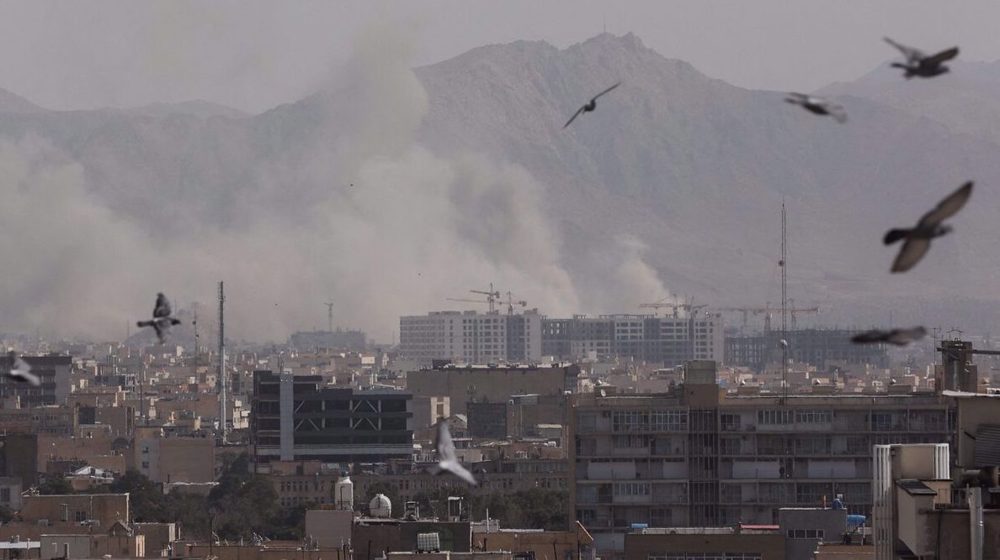
Yemen: Recurrent US aggression against Iran threatens international security
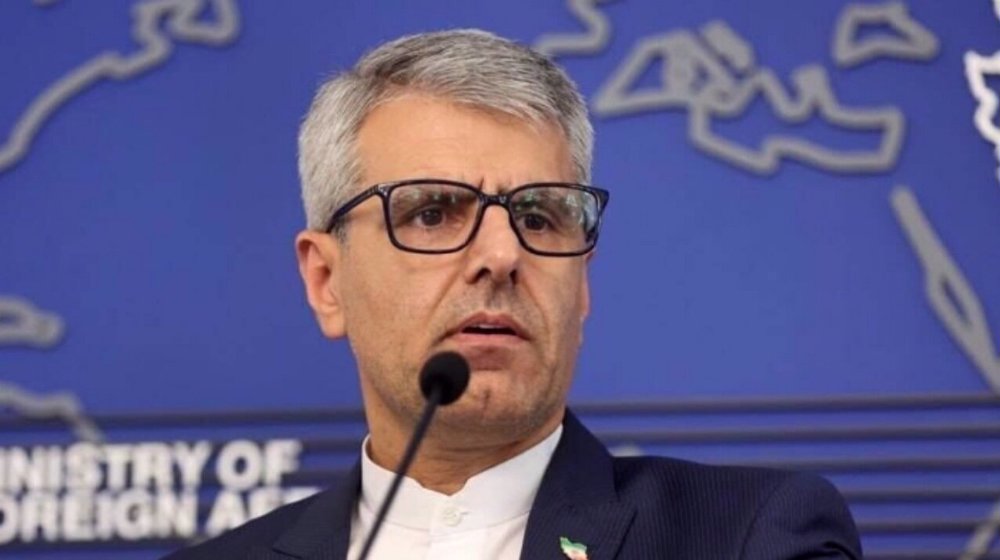
US committed 'calculated war crime' by targeting water infrastructure in south Iran: FM spox
Iran says US must avoid using 2026 FIFA World Cup to settle grudges



Iran's powerful retaliatory strikes bewilder Trump: Senior lawmaker
Iran's maritime authority says Hormuz Strait closed following US attacks
IAEA passes politicized anti-Iranian resolution
US, Israel took global economy hostage by war on Iran: Envoy
Iran stronger militarily than at start of latest war: Armed forces spokesman
Top cmdr. vows Iran's 'painful, regret-inducing' response to any threat
Three missing Indian sailors confirmed dead in US strike on tanker off Oman
America’s targeting of Iran water facility could constitute war crime: NYT


 PressTV NEWSLETTER
now
PressTV NEWSLETTER
now
 This makes it easy to access the Press TV website
