NYT reports US targeting water facility constitutes war crime

The New York Times says that recent US strikes on a water facility in southern Iran could constitute war crimes, as targeting civilian infrastructure is prohibited under international law.
Early Wednesday, the US Central Command announced on X that it had conducted attacks near the strait “with precision munitions from US Air Force and Navy fighter jets.”
Provincial officials announced that US strikes had hit two water reservoirs in Bamani in southern Iran, and a local official said the water supply to more than 20,000 people in a town and nearby villages had been cut off.
A NYT analysis of satellite imagery and videos released by provincial authorities concluded that US targeting a water facility could constitute a war crime.
“Deliberately targeting civilian infrastructure could constitute a war crime."

Since the start of the unprovoked US‑Israeli war of aggression against Iran on February 28, US forces have committed numerous acts that legal experts and human rights organizations have condemned as war crimes.
On the first day of the war, a US Tomahawk cruise missile struck the Shajareh Tayyebeh elementary school in the southern city of Minab during school hours. The attack killed 168 people, mostly schoolchildren.
Survivors described the attack as a deliberate and calculated “act of terror” meant to intimidate the Iranian population.

US and Israeli strikes have repeatedly hit hospitals and medical facilities across Iran. The Gandhi Hospital in Tehran was severely damaged, with its in‑vitro fertilization department completely destroyed.
The Pasteur Institute of Iran, a 106‑year‑old public health institution, was also bombed, rendering it non‑functional and crippling the country’s disease surveillance and vaccine production capabilities.
The World Health Organization confirmed the institute could no longer deliver health services.
US‑Israeli airstrikes also struck residential neighborhoods in several Iranian cities, killing hundreds of civilians.
A synagogue in Tehran was also bombed, an act that Iran’s Jewish representative condemned as proof of Israel’s “complete hatred” for Iranian Jews.
US forces also bombed other civilian infrastructure sites, including power plants, bridges, oil refineries, and the South Pars gas field, the world’s largest natural gas field.
These attacks have caused widespread blackouts, fuel shortages and environmental damage, affecting millions of civilians.
Despite a Pakistan‑brokered ceasefire since early April, the US has maintained an illegal naval blockade of Iranian ports, which international law experts say is itself an act of aggression under UN General Assembly Resolution 3314.
Iranian officials have vowed to continue documenting US war crimes and pursuing legal action in international forums.
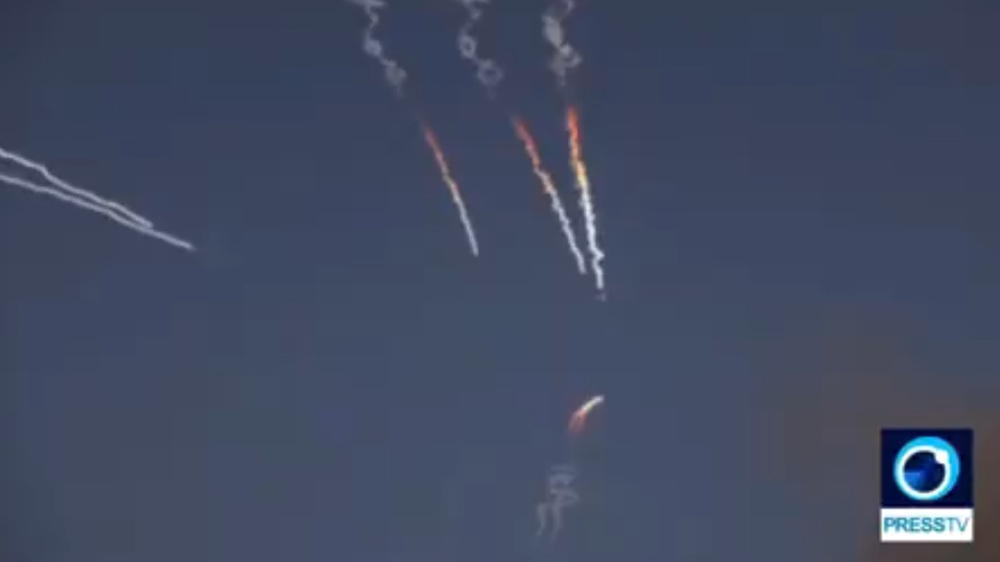
Iran strikes US fighter jet shelters in Jordan with 12 ballistic missiles
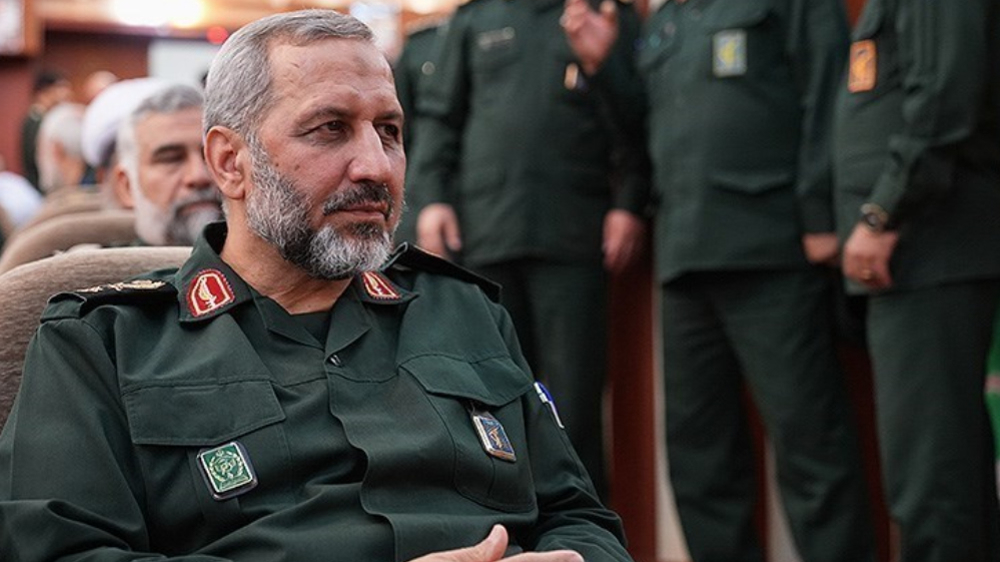
IRGC aerospace cmdr.: We will turn region into hell for those making Strait of Hormuz insecure
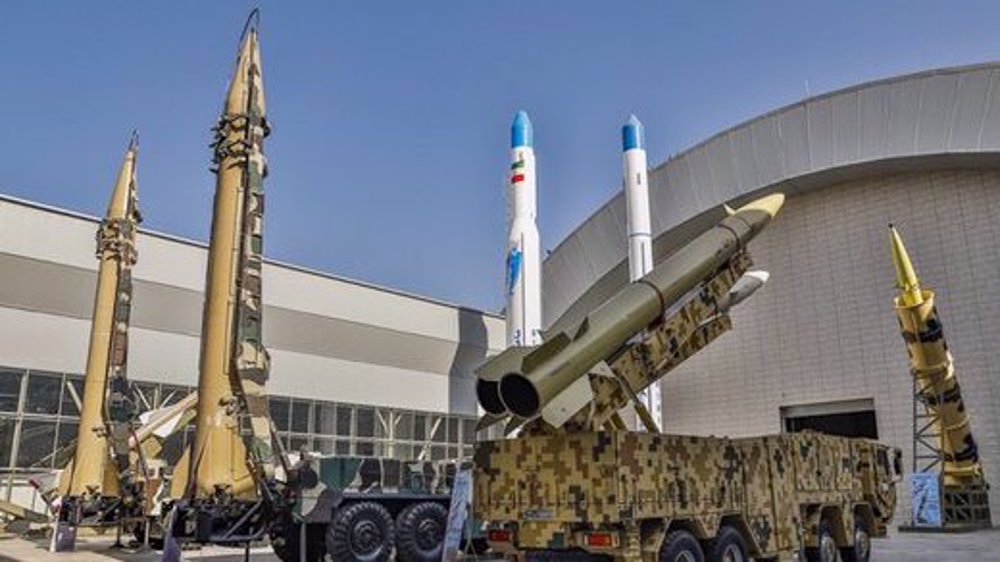
IRGC strikes 18 US military targets in two missile waves; Fifth Fleet in Bahrain hit by Army drones


Bombings will not get 'unhinged US president out of quagmire': Iranian generals
US ‘limited war’ strategy against Iran deepens its strategic quagmire as Tehran’s deterrence grows
Iran files war crimes case over US strike on water reservoirs
Leader condoles passing of prominent Iraq-based Shia cleric Ayatollah Fayyaz
‘Criminal’ US strikes clear breach of international law, makes ceasefire ‘meaningless’: Iran
Iran's powerful retaliatory strikes bewilder Trump: Senior lawmaker
Iran's maritime authority says Hormuz Strait closed following US attacks
IAEA passes politicized anti-Iranian resolution


 PressTV NEWSLETTER now
  This makes it easy to access the Press TV website