Iran demands ‘zero-tolerance’ on nuclear strikes, cites 17 US-Israeli attacks against its facilities
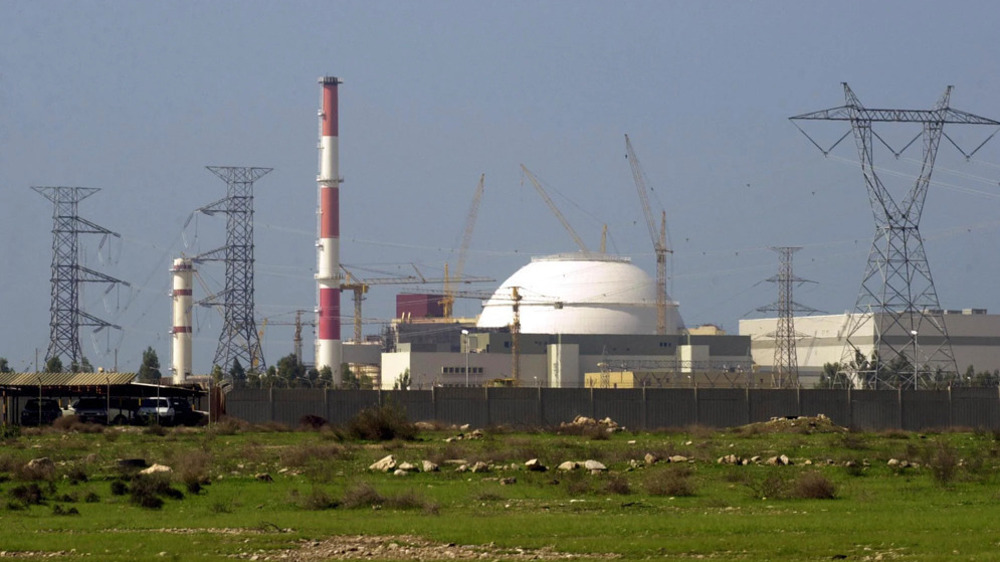
Slamming US-Israeli acts of nuclear terrorism, Iran says the international community must adopt a "zero-tolerance policy" towards any armed attack on peaceful nuclear installations and promote binding international norms on the inviolability of such facilities.
Iran’s Permanent Mission to the United Nations Office and other International Organizations in Vienna made the call in a statement during the Special Meeting of the International Atomic Energy Agency (IAEA) Board of Governors in Vienna on Friday.
It said military strikes against civilian nuclear energy sites constitute a fundamental violation of the very objects and purposes of the Treaty on the Non-Proliferation of Nuclear Weapons (NPT) and the IAEA Statute.
Such attacks also weaken the legitimacy and credibility of the international non-proliferation framework, particularly the IAEA's safeguards system, and deteriorate the very basis of global peace and security, it added.
It emphasized that the most relevant resolutions of the IAEA General Conference banning strikes on nuclear installations are resolutions 444 and 533, both put forward by Iran. Conversely, the United States rejected both.
The statement urged the international community to stop these attacks on nuclear facilities from becoming a normal occurrence, warning, “Otherwise, in addition to our security, the main victim would be the peaceful uses of nuclear energy.”
The mission insisted that efforts to prevent such normalization must be carried out in a systematic manner, free from political manipulation, biased approach, or double standard.
“We must adopt a ‘zero-tolerance policy’ towards such attacks. We must promote the adherence to, and effectiveness of, the existing norms on the inviolability of peaceful nuclear activities,” it pointed out.
It further stressed the need to establish international norms where necessary aim to “absolutely prohibit attacks or threats against safeguarded nuclear installations under any and all circumstances.”
According to the statement, Iran believes that it is entirely reasonable to expect the IAEA Director General -- especially given his candidacy for UN Secretary-General -- to follow officially recognized UN terminology and to use the official names of geographical features as reflected in relevant UN documents and also historical documents.
“Such consistency is important for preserving the impartiality, professionalism, and credibility expected of senior international officials,” it emphasized as IAEA head has refused to explicitly condemn US-Israeli attacks on Iran's nuclear facilities during two rounds of US-Israeli aggression on Iran in June 2025 and January to April 2026.
The mission further noted that the “gravest, most extensive and unprecedented” armed attacks against IAEA-monitored nuclear sites in the Agency's history have been carried out against Iranian facilities.
“In their illegal acts of aggression in 2025 and 2026, the US-a nuclear-weapon State-and the Israeli regime - an outlaw nuclear-weapon-possessor - carried out 17 waves of multiple attacks against Iranian safeguarded nuclear facilities,” it said.
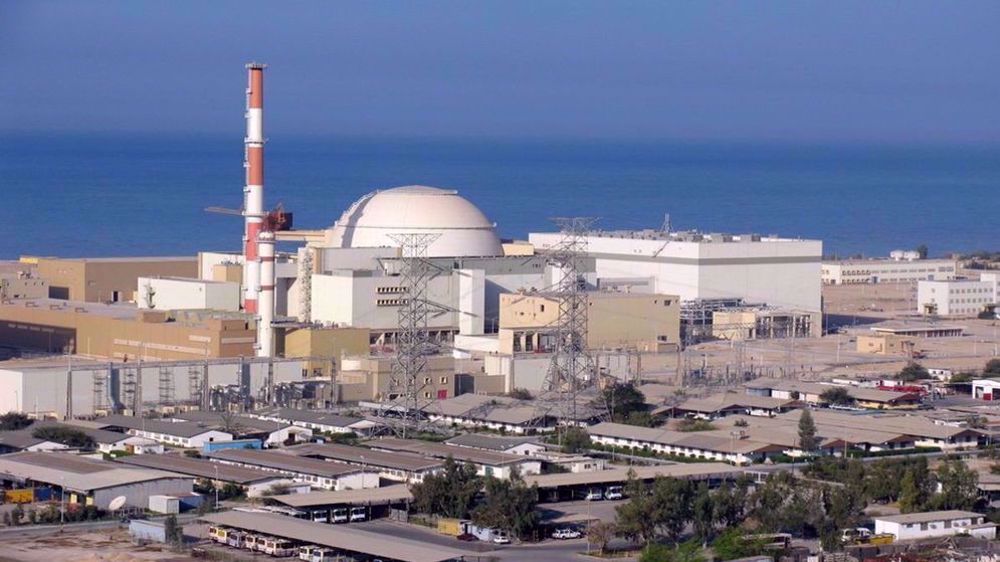
According to the statement, one of the “gravest” attacks targeted a structure located just 350 meters away from the reactor of the Bushehr Nuclear Power Plant, resulting in human casualties.
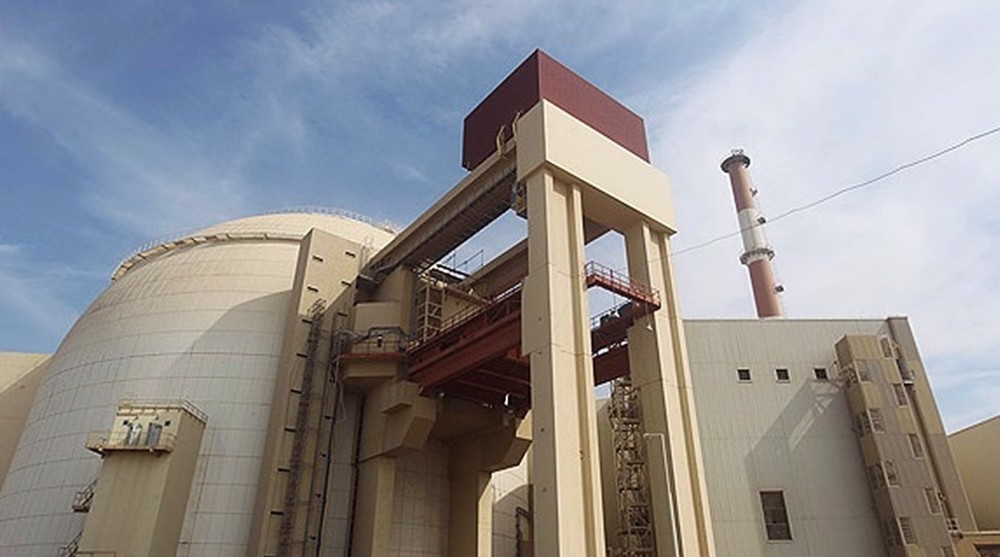
It added, “After all, US high-ranking officials had publicly threatened to attack Iranian nuclear power plants! This Plant hosts thousands of kilograms of nuclear materials, and as the IAEA DG stated, a direct hit thereto could result in a ‘very high release of radioactivity to the environment’."
The mission declared that any such attack constitutes a “material breach of a peremptory norm of international law, namely, the prohibition of aggression” and warned that both the crime of aggression and war crimes carry international liability as well as individual criminal accountability for the perpetrators.
It further reminded the meeting that the first time the IAEA considered such acts was after the Israeli regime's attack on an Iraqi nuclear installation in 1981 and said that in its resolution adopted on 12 June 1981, the UN nuclear agency’s Board of Governors strongly condemned the attack and recommended suspending any assistance to the Israeli regime as well as its membership.
The General Conference later described the attack as "an attack against the Agency and its safeguards" and suspended the provision of assistance to Israel, though it fell short of suspending the regime’s membership, it added.
However, the mission noted, declassified US documents have since revealed that American pressure and threats to cut the IAEA budget had been the main cause behind the failure to fully suspend Israel's membership.
“Moreover, in a number of resolutions and decisions adopted from 1981 to 2009, the General Conference reaffirmed that any attack or threat against safeguarded nuclear facilities constitute a violation of UN Charter, international law and IAEA Statute,” it said.

Iran confirms receiving de-escalation proposals, vows efforts will continue to halt US crimes

Iran vows to take ‘appropriate’ action over US attack on Darkhoveyn nuclear power plant
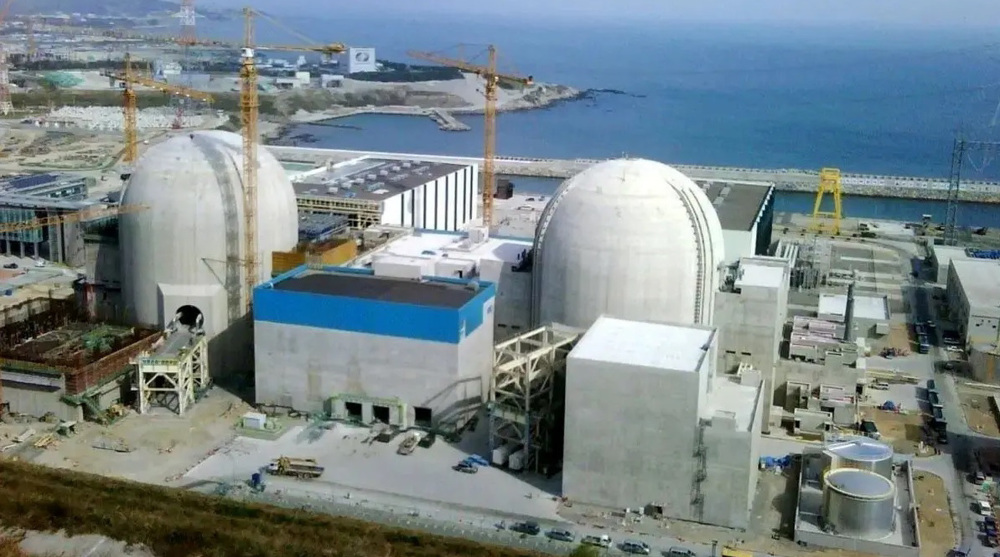
Iran condemns US attack on Darkhoveyn nuclear power plant construction site



Profile: Who is Khalil Al-Hayya, newly elected Hamas political office head and Sinwar’s successor
VIDEO | Yemen declares total naval blockade on Saudi Arabia
Iran pursuing legal action over deadly US attack on Navy personnel: Commander
Yemen warns Saudi Arabia of ‘dire consequences’ if aggression, blockade persist
Several US troops killed in strike on American military compound in Jordan: IRGC
IRGC declares ‘dark night for US radars’; Army strikes three bases in Kuwait
VIDEO | India student protest turns violent as education reform march reaches Parliament
Iran urges Security Council to condemn US attack on Darkhovin nuclear facility


 PressTV NEWSLETTER
now
PressTV NEWSLETTER
now
 This makes it easy to access the Press TV website
