Iran, Russia push ahead with $25 billion nuclear plant, trade corridor
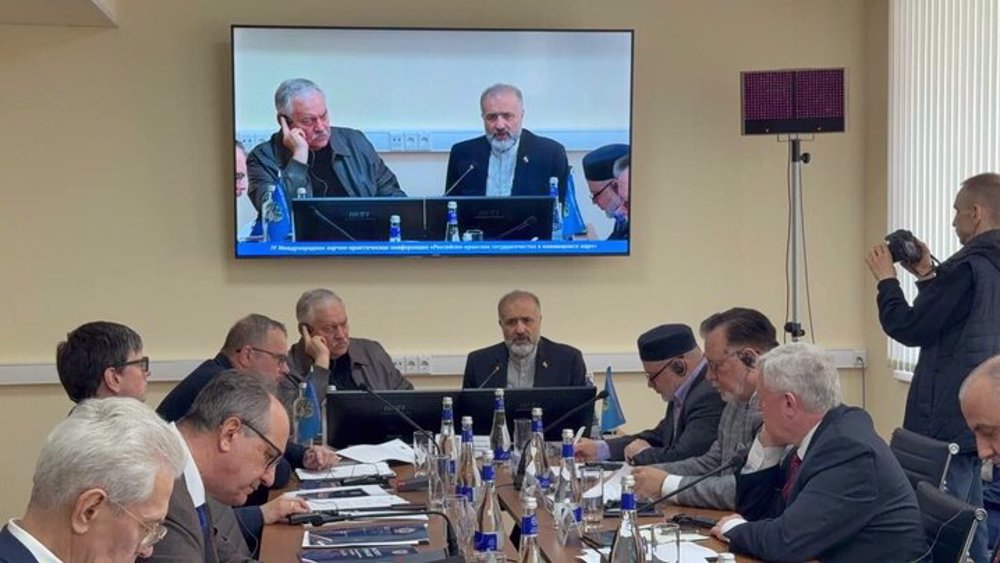
Iran and Russia are accelerating work on the International North–South Transport Corridor (INSTC) and expanding civil nuclear cooperation, including a $25 billion memorandum signed in 2025 for a major new power plant in Hormozgan, Iran’s ambassador to Moscow says.
In remarks at an online scientific and practical conference on "Russian-Iranian Cooperation in a Changing World," jointly organized by the CIS Institute and Iran’s Center for Political and International Studies, Ambassador Kazem Jalali outlined the growing scope of bilateral economic ties.
Jalali said the INSTC – a strategic multi-modal route linking Russia and northern Europe to the Indian Ocean and South Asia via Iran – has become increasingly vital given emerging threats to international waterways and chokepoints.
"More than 3 million tons of goods are currently moving through the eastern branch of the corridor, which has capacity for up to 15 million tons," Jalali said. The central Caspian Sea route, he added, has handled 10 million tons and can reach 14 million tons. "Both need to be strengthened."
On the western branch passing through Azerbaijan, over 3 million tons of cargo are transiting, but completion of the remaining 162-kilometer Rasht-Astara railway section is critical.
Jalali said he met with Russia’s deputy transport minister a day earlier, and land acquisition for the route has been finalized. "It will soon be handed over to Russia for project launch," he said.
He also cited a planned Russian gas pipeline transit through Iran and the growing movement of strategic goods to Eurasian countries, including Russia, as further examples of expanding economic cooperation.
Nuclear cooperation: from Bushehr to Hormozgan
Turning to civil nuclear energy, Jalali said cooperation remains a cornerstone of bilateral ties. The Bushehr nuclear power plant is now operational, with second and third units under construction. He thanked Russian partners for gradually returning engineers and specialists to Iran to advance work on those units.
Alongside Bushehr, Jalali highlighted the Hormozgan plant as a large-scale project. "In 2025, we signed a memorandum of understanding worth $25 billion," he said. "This is Iran’s largest atomic project, being carried out by Iran’s private sector in cooperation with Rosatom."
The ambassador also noted joint work on small-scale nuclear power plants in partnership with Rosatom, expressing hope that work would begin soon.
In the medical sector, Jalali said research and operational cooperation between Iran and Russia on radiopharmaceuticals is growing rapidly.
"Iran has made remarkable progress in this field," he said. "We now produce 70 radiopharmaceutical products. In 2025, Iran ranked among the world’s top three producers of radiopharmaceuticals – demonstrating that our use of nuclear technology is strictly for peaceful purposes."
The ambassador’s remarks underscored how Tehran and Moscow are systematically deepening economic and technical cooperation across transport, energy, and nuclear medicine, even as both countries face Western sanctions and shifting global trade dynamics.
The conference was held in Moscow and included senior officials and academics from both nations. Jalali’s comments focused on bilateral economic and technical cooperation, with additional remarks addressing broader geopolitical issues unrelated to trade.
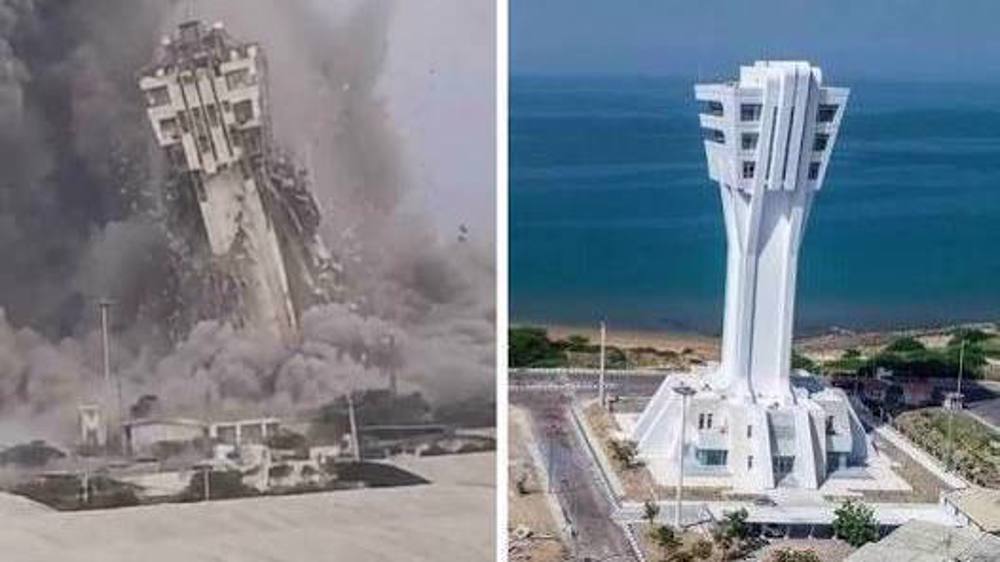
US destruction of Global South convergence symbol in Chabahar
Iran's custodial role in the Strait of Hormuz beyond pipelines

After US policy whiplash, Iran sets the rules in Strait of Hormuz



Saudi oil exports hit record low as US war on Iran disrupts shipping in Persian Gulf, Red Sea
Yemeni naval blockade forces six vessels to turn back
Iran warns Bulgaria against supporting US military aggression
Search finds more remains of 32 Minab school victims; No trace yet of Makan Nasiri
Israeli media: US relocating aircraft from regional bases following Iranian attacks
US war against Iran under strain as nearly 100 troops injured in two weeks
Hezbollah leader congratulates newly elected Hamas chief, vows continued support for resistance
‘We don’t fear martyrdom’, says new Hamas chief in first message



 PressTV NEWSLETTER
now
PressTV NEWSLETTER
now
 This makes it easy to access the Press TV website
