Senior Israeli military operations commander steps down amid reports of 'misconduct investigation'
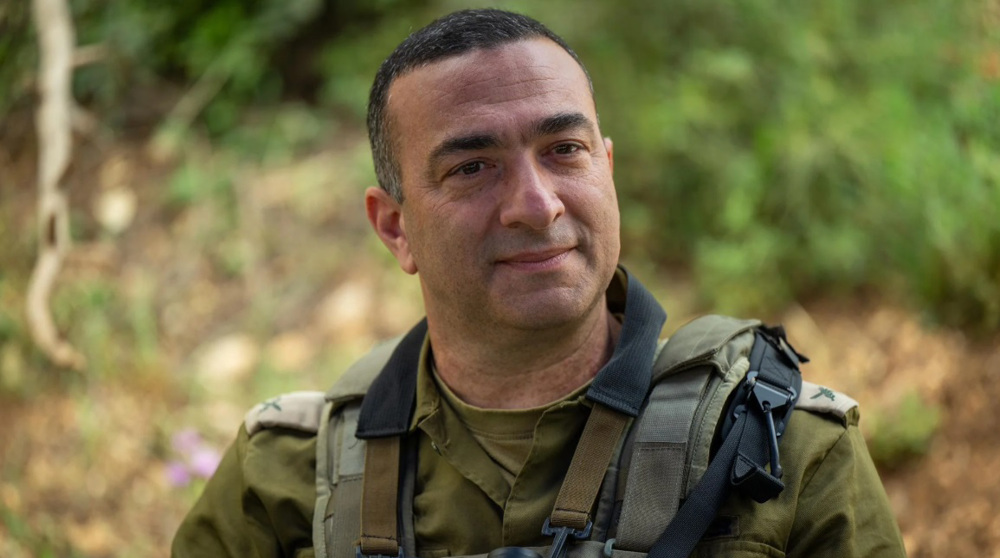
A senior Israeli military commander has resigned from his post and retired after reportedly being questioned in connection with allegations involving "ethical or moral misconduct."
The Israeli military announced on Tuesday that Brig. Gen. Yisrael Shomer, head of the operations division within the operations directorate, had requested to step down and retire.
According to the military, Shomer sought retirement "due to personal circumstances," a request that was accepted by his superior, Maj. Gen. Itzik Cohen, head of the operations directorate.
The military also said Chief of Staff Lt. Gen. Eyal Zamir approved Shomer's "request for immediate retirement, and he will therefore retire immediately."
Reports of investigation emerge
The resignation came amid reports in Israeli media that Shomer was involved in an "ethical misconduct" case.
According to reports cited by Israeli outlets, the senior officer is suspected of "moral offenses" and was questioned by the military police.
The operations division has been described as "one of the Israeli military's most important operational units."
It is responsible for formulating military plans, adapting them to developments on the battlefield and emergency situations, and coordinating activities among different branches of the military.
Shomer started heading the division in June 2024.
The Israeli military said that until a permanent successor was selected, the head of the planning department within the operations directorate, a colonel, would temporarily head the division.
Last month, amid a reported deepening moral crisis among the occupying regime’s forces, data presented to an Israeli parliamentary committee showed that the Israeli army had received about 2,500 complaints related to sexual assault and harassment within its ranks in 2025.
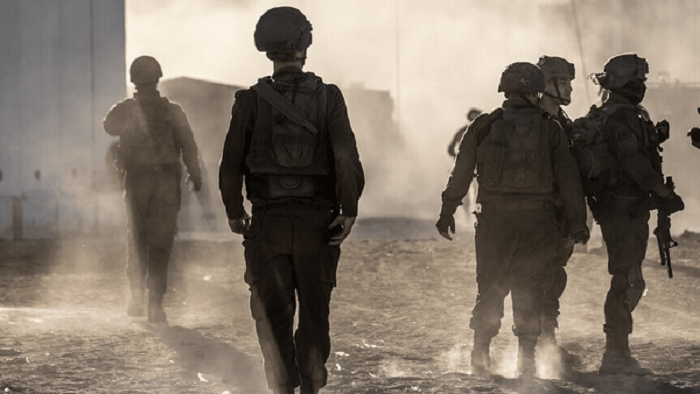
More than 700 complaints were resolved only through "command meetings." Meanwhile, 42 indictments were filed against suspects, and 21 others were subjected solely to disciplinary measures.
According to the Israeli regime's Channel 12, only 10% of cases were handled through criminal proceedings conducted by the regime's so-called interior ministry and police. In total, 234 complaints were transferred to the ministry and police, resulting in 42 indictments, while 48 complainants later withdrew their complaints.
Muslim nations condemn Israeli raids on al-Aqsa as UN experts warn of 'settler terror'

Pro-Palestine activists in Italy target arms supplies for Israel’s Gaza genocide
Al-Qassam Brigades says Israeli assassinations fail to break resistance



Senior Israeli military operations commander steps down amid reports of 'misconduct investigation'
June 2: IRGC Navy strikes US-Israeli cargo ship after US attack, reaffirms full military readiness
Muslim nations condemn Israeli raids on al-Aqsa as UN experts warn of 'settler terror'
Hezbollah vows deep strikes inside occupied territories if Israel attacks Beirut
Al-Qassam Brigades says Israeli assassinations fail to break resistance
EU considers sanctions on Israeli ministers over Sumud Flotilla abuses
Miqan wetland nominated for Ramsar listing amid ecological recovery
Israel kills 4, injures 127 in attack near hospital in southern Lebanon: Health ministry


 PressTV NEWSLETTER
now
PressTV NEWSLETTER
now
 This makes it easy to access the Press TV website
